
Montreal’s Cold Chain Advantage: How Multi-Industry Demand Is Shaping Cold Room Solutions
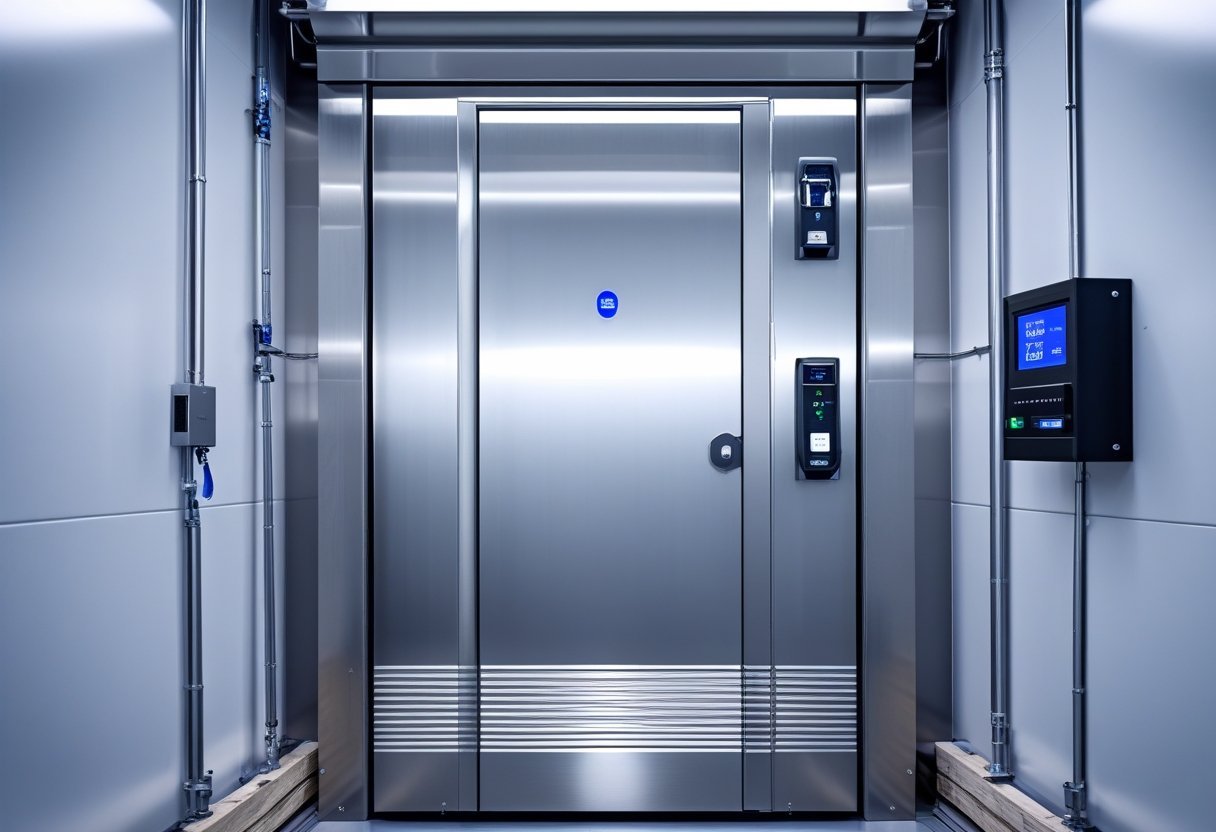
So you’re sourcing commercial cold rooms, and Montreal keeps popping up on the radar. It’s not a coincidence. This city isn’t just a cultural hub; it’s a cold chain powerhouse. For B2B dealers and import/export specialists, understanding the specific industrial demands here is key to specifying the right equipment. The needs of a seafood exporter in the Port of Montreal are worlds apart from a pharmaceutical lab in Saint-Laurent or a booming meal-kit startup in Mile-Ex. Getting the specs wrong means lost product, lost contracts, and a hit to your reputation. Let’s break down exactly what’s driving demand in this market and what that means for the cold room units you’re supplying.
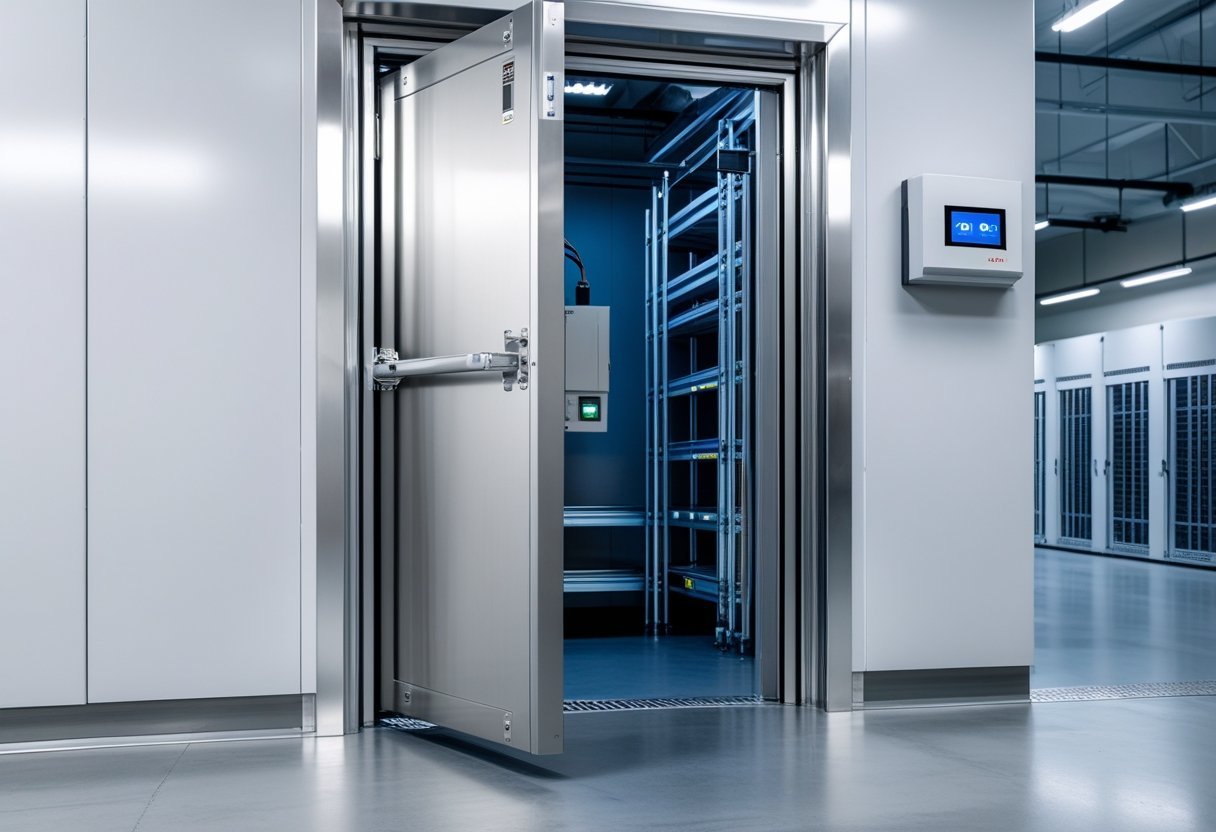
Port-Side Logistics & Export-Ready Storage
Montreal is home to one of the largest inland ports in the world. It’s the gateway for a massive volume of perishables moving in and out of North America. We’re talking agricultural products from Quebec and Ontario, seafood from the Atlantic, and imported goods from Europe. The cold storage facilities here don’t just need to be cold; they need to be fortress-reliable and hyper-efficient.
For exporters, the cold room is a critical checkpoint. Products like frozen berries or pork must be held at consistent, documented temperatures long before they ever hit the container. A fluctuation can mean rejection at the destination port. The trend here is toward high-density, rack-compatible cold storage rooms with rapid-pull-down capabilities. Clients need rooms that can handle pallets coming in from production at a high rate, chill them fast to core temperature, and hold them steady. Durability against constant forklift traffic is non-negotiable – think robust wall and door protection systems.
Real-time data point: The Port of Montreal handled over 1.6 million metric tons of agri-food products in 2023. Each ton of that likely passed through a cold room at some point.
Here’s a snapshot of typical port-side cold room requirements:
| Parameter | Specification Focus for B2B Dealers |
|---|---|
| Temperature Range | Wide range, commonly -25°C to +4°C (frozen to chill). Multi-zone facilities are common. |
| Construction | Heavy-duty, industrial-grade panels (≥150mm thickness) with high PSI foam core for optimal insulation. Stainless steel or galvanized finishes for corrosion resistance in humid environments. |
| Door Specs | High-speed, vertical or horizontal sliding doors with robust seals. Traffic frequency demands fast cycle times to minimize energy loss. |
| Refrigeration | Redundant, high-capacity compressor systems (often cascade systems for deep freeze) with remote monitoring capabilities for 24/7 oversight. |
| Compliance | Must be designed to meet both Canadian Food Inspection Agency (CFIA) and destination country import regulations. |
Food Processing & Agri-Tech: Beyond Basic Cold Storage
Quebec is Canada’s leading dairy producer and a major player in meats, baked goods, and processed foods. The cold rooms in this sector are integrated directly into production lines. For a cheese producer, this means precise aging rooms. For a ready-to-eat meals factory, it’s blast chilling tunnels and hygienic cold storage.
The demand here is for hygienic design and precise climate control. Panels with seamless, non-porous surfaces that can withstand high-pressure washing are a must. For aging processes, rooms need precise control over both temperature and humidity. We’re seeing a surge in requests for dual-cooling (refrigeration + humidity control) systems and UV-C light integration for air sanitation within the room itself.
Furthermore, the agri-tech boom means more than just storing vegetables. Companies involved in vertical farming or cannabis production (for medical or recreational markets) require specialized rooms for propagation, flowering, and product storage, each with vastly different VPD (Vapor Pressure Deficit) and lighting needs. A one-size-fits-all cold room is useless here. B2B suppliers need to offer fully customizable environmental control packages.
Pharmaceutical & Life Sciences: The Precision Imperative
The Greater Montreal area has a dense cluster of pharmaceutical companies, biotech startups, and research hospitals. This sector operates under a different rulebook: Good Manufacturing Practice (GMP) and Good Distribution Practice (GDP). The margin for error is zero.
A cold room in this context is often a validated storage unit. It’s not just about maintaining 2-8°C for vaccines or -20°C for certain biologics; it’s about proving, with unbroken data, that the environment never deviated. This requires built-in, GMP-compliant monitoring systems that log temperature and humidity at predefined intervals, with alarm systems that trigger alerts to multiple personnel.
Key features for dealers to highlight: Mapping studies (qualifying the temperature uniformity throughout the entire room), fail-safe redundancy (backup compressors, backup power, alarm batteries), and materials that allow for easy cleaning and decontamination. The doors must have airtight seals to prevent ambient air infiltration. Increasingly, units that offer 21 CFR Part 11 compliant data logging are becoming the standard ask, as this meets FDA electronic record requirements.
Retail & Hospitality Distribution: The Last-Mile Pressure
Montreal’s vibrant restaurant scene, extensive grocery chains, and booming e-commerce grocery delivery are all fuelling a different kind of demand: urban fulfillment cold storage. These are often multi-temperature distribution hubs located closer to the city center.
The need is for flexible, modular cold rooms that can be configured and reconfigured as product mixes change. A distributor might need a +3°C room for dairy, a -18°C room for frozen goods, and a +12°C room for root vegetables – all under one roof. Speed of installation and energy efficiency are huge selling points here, as these facilities often operate on thinner margins. Dock-optimized layouts with multiple doors for simultaneous loading/unloading are critical. Also, with rising energy costs in Quebec, dealers who can provide clear data on the lower total cost of ownership through high-efficiency evaporators and EC fans have a significant edge.
The Common Thread: Technology Integration for B2B Value-Add
Across all these industries—from the port to the pharmacy—the trend unifying procurement decisions is connectivity and data. A cold room is no longer just an insulated box with a cooler. It’s a node in the supply chain’s IoT network.
B2B buyers aren’t just buying equipment; they’re buying risk mitigation and operational insight. They expect:
- Remote Monitoring & Control: Ability to check status, adjust setpoints, and view historical data from anywhere via a secure web portal or app.
- Predictive Maintenance Alerts: The system should flag filter issues, potential compressor faults, or seal degradation before they cause a temperature excursion.
- Seamless Integration: Can the cold room’s data feed directly into the client’s existing Warehouse Management System (WMS) or ERP software? This is a major deciding factor for large-scale operators.
As a supplier, your value multiplies when you can provide not just the physical unit, but the digital ecosystem that ensures it performs as a reliable, intelligent link in the chain. Offering this as a standard or easily upgradable option is now table stakes for competing in a sophisticated market like Montreal’s.
Professional Q&A for B2B Dealers
- Q: Our client in the pharmaceutical sector requires a fully validated storage room. What does the process involve from your side?
- A: It begins with a User Requirement Specification (URS) co-drafted with the client. We then provide a detailed Design Qualification (DQ) document showing how the proposed cold room meets each requirement. Upon installation, we support the client’s team in executing Installation Qualification (IQ) and Operational Qualification (OQ), which includes a comprehensive temperature mapping study with sensors placed throughout the empty and loaded room. We supply all necessary equipment performance certificates and as-built drawings to support their final Performance Qualification (PQ) and validation report.
- Q: How do you address the high humidity challenges in seafood processing cold rooms, which often lead to rapid frost buildup on coils and inefficient operation?
- A: We specify and install units with adaptive defrost strategies based on both runtime and differential pressure sensors, not just timers. This ensures defrost cycles occur only when needed, minimizing temperature swings. Crucially, we pair this with corrosion-resistant evaporator coils (often with epoxy coating) and recommend integrating a positive-pressure ventilation system with desiccant dryers for the vestibule area to reduce moisture ingress every time doors open.
- Q: For a multi-tenant export facility at the port, energy costs are a major concern. What are the top efficiency features we should promote?
- A: Focus on the total system: 1) Panels: High-density PIR foam cores with a low thermal conductivity (k-value ≤0.023 W/mK) for superior insulation. 2) Doors: High-speed doors with dual seals and strip curtains to minimize air exchange. 3) Refrigeration Unit: Variable speed drive (VSD) compressors and EC fan motors that modulate power based on real-time load, easily reducing energy consumption by 25-40% compared to fixed-speed systems. Always provide an estimated annual energy consumption model based on local Montreal utility rates to showcase the ROI.
- Q: What is the lead time for a custom, large-scale cold room project, and what information do you need from us to start?
- A: For a complex custom project, lead times typically range from 10-16 weeks from finalized design to shipment. To provide an accurate quote and timeline, we need: 1) Intended use and specific temperature/humidity ranges, 2) Available floor space and ceiling height with clearances, 3) Required storage capacity (in pallets or cubic feet), 4) Details on any special internal processes (forklift type, washing frequency), and 5) Desired level of connectivity and data integration. A site layout drawing is immensely helpful for the initial design phase.