
Cold Room Solutions: How Viessmann is Redefining Industry Standards for Global Distributors

If you’re sourcing commercial refrigeration for your clients across sectors, you know it’s never just about “keeping things cold.” It’s about precision, reliability, and total cost of ownership. That’s where digging into Viessmann’s cold room offerings becomes a strategic move. Forget generic boxes; this is about engineered climate solutions.

Viessmann Cold Rooms in Action: Sector-Specific Applications
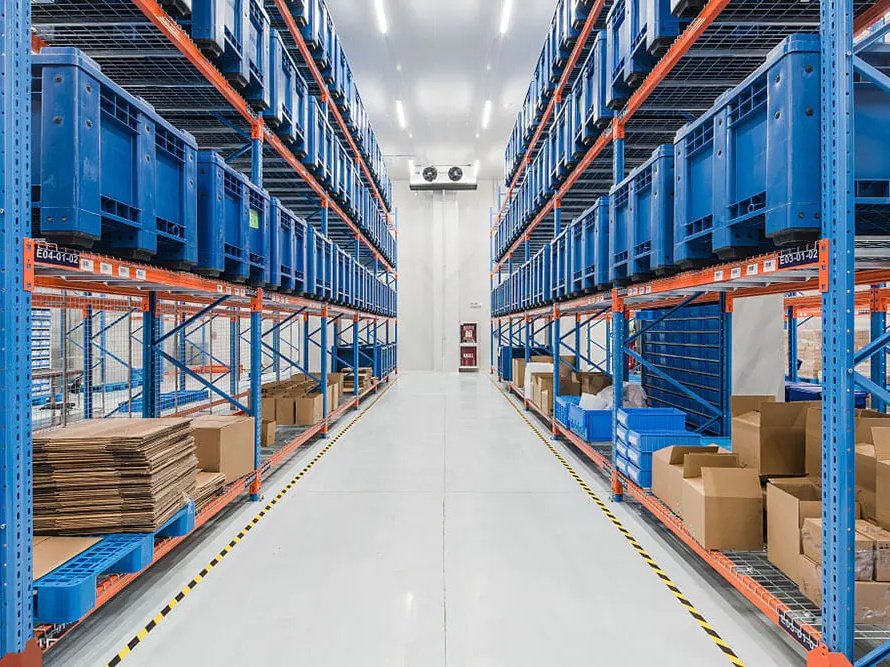
The true test of a cold room isn’t in a showroom, but in the daily grind of different industries. Viessmann designs with this in mind.
In food distribution and retail, consistency is everything. Their cold rooms and freezer rooms provide uniform temperature distribution, which is critical for preventing spoilage and ensuring food safety from the warehouse to the supermarket display. For a distributor dealing with a supermarket chain, offering a solution that minimizes temperature fluctuations directly protects your client’s inventory value.
The pharmaceutical and healthcare sector operates under a different kind of pressure. Compliance isn’t optional. Viessmann’s units designed for this field focus on precise temperature control, often with advanced monitoring and alarm systems that log data for audit trails. When you’re supplying equipment for storing vaccines or sensitive pharmaceuticals, this rigorous documentation support is a major selling point.
Then there’s hospitality and large-scale catering. Here, space is often at a premium, and demand fluctuates. The modular design and scalable configurations of many Viessmann cold rooms allow chefs and hotel managers to optimize their kitchen layout. For a dealer, this means you can provide a tailored fit rather than forcing a square peg into a round hole.
Beyond these, look at floral distribution, biotechnology labs, or even specialized manufacturing processes. The common thread is that a one-size-fits-all cold room fails. Viessmann’s approach of tailoring insulation, cooling power, and control systems to the specific thermal load and operational routine of each application is what sets them apart for B2B buyers.
Engineering and Technology: The Core Advantages
What actually makes these cold rooms perform? It boils down to components and smart engineering.
The heart is the refrigeration unit. Viessmann utilizes high-efficiency compressors, often variable-speed, which adjust cooling output to match the real-time demand inside the room. This isn’t just about saving energy at full load; it’s about drastic savings during the long periods of partial load, which is most of the time. For your client’s operational budget, this translates to significantly lower electricity bills.
The brain is the control system. Modern Viessmann setups come with intuitive digital controllers. Remote monitoring is a game-changer—facility managers can check temperatures, receive alarm notifications on their phones, and even adjust setpoints off-site. This level of connectivity reduces operational risk and labor costs, a strong value-add you can emphasize.
Let’s talk about the build. Panels matter. Viessmann cold room panels typically feature high-density polyurethane foam insulation with tight, tongue-and-groove joints. The result is exceptional thermal efficiency (low K-factors) and structural integrity. Doors are heavy-duty with robust seals and heaters to prevent icing. These details directly impact long-term performance and minimal maintenance, key concerns for your B2B clients who view equipment as a decade-long investment.
By the Numbers: Performance and Model Data
Specifications tell the real story. Here’s a comparative look at common Viessmann cold room series configurations to help you in your procurement discussions.
| Model Series | Typical Application | Temperature Range | Key Feature for Distributors | Standard Capacity Range |
|---|---|---|---|---|
| VitoCool C | Medium-Temp Storage (Fresh Food) | +10°C to -2°C | Plug-and-play monobloc design, easy installation. | 10m³ to 50m³ |
| VitoCool F | Low-Temp Storage (Frozen Goods) | -15°C to -25°C | Heavy-duty compressor, enhanced defrost for freezer use. | 8m³ to 40m³ |
| VitoCool D (Ductable) | Large Warehouses, Custom Layouts | +12°C to -30°C | Flexible ducting allows central unit to serve multiple rooms. | 50m³ to 200m³+ |
| VitoControl | Pharmaceutical, High-Precision | +5°C to +15°C (Precise +/-0.5°C) | FDA/GMP compliant data logging, alarm systems. | Custom Built |
(Note: Capacity and specs vary by exact model and configuration. Always refer to the latest technical datasheet for tenders.)
The data highlights a critical point: segmentation. You wouldn’t offer a basic medium-temp unit for a -25°C freezer application. Understanding these ranges allows you to match client needs accurately, building your reputation as a knowledgeable supplier.
Selecting and Sourcing: A Guide for Global Distributors
Navigating the procurement process for cold rooms is different from standard goods. Here’s a practical checklist.
First, get the specs crystal clear from your end-client. Don’t just ask for “a cold room.” Ask for intended product, volume, incoming product temperature, daily door openings, ambient exterior temperature, and available space. This info is crucial for Viessmann or any manufacturer to size the unit correctly.
Second, understand the total cost of ownership. The initial price is one line item. Factor in estimated energy consumption (ask for annual energy consumption data based on EN 16825:2017 standards), expected maintenance cycles, and warranty terms. A slightly higher upfront cost for a vastly more efficient unit often pays for itself in 2-3 years.
Third, logistics and installation. Viessmann cold rooms are often shipped as prefabricated panels and pre-assembled units. Confirm inland transportation, on-site handling requirements, and the availability of certified local technicians for commissioning. A smooth installation preserves warranty and ensures optimal start-up.
Finally, stay updated. Manufacturing standards and refrigerant regulations (like the global HFC phase-down under the Kigali Amendment) are evolving. Partnering with a manufacturer like Viessmann, which invests in future-proof, lower-GWP refrigerant solutions (like R290 or R744), protects your supply chain from regulatory obsolescence.
Professional Q&A
Q: For a client needing multiple temperature zones (e.g., a combined dairy, meat, and frozen section), does Viessmann offer a single, integrated solution?
A: Absolutely. This is a common requirement. The VitoCool D ductable series is designed precisely for this. A single, powerful outdoor condensing unit can be connected via ductwork to several separate cold rooms, each with its own evaporator and independent temperature controller. This is far more efficient and cost-effective than installing several independent monobloc units.
Q: How does Viessmann address energy efficiency, and what certifications should I look for to prove it to my clients?
A: Energy efficiency is core. Look for units equipped with EC (electronically commutated) fan motors and variable speed inverter compressors. Key certifications to reference include the Eurovent Certification for performance verification and the CE mark for EU compliance. For specific models, ask for the Energy Efficiency Ratio (EER) or Seasonal Energy Efficiency Ratio (SEER) data sheets, which provide standardized performance comparisons.
Q: We operate in a region with frequent power fluctuations or outages. What built-in protections do Viessmann cold rooms offer?
A: Protection is critical. Many units come with built-in high and low voltage protection. For critical applications, specifying a controller with a “power failure alarm” and “automatic restart” function is essential. This ensures the unit resumes operation once power is restored, and the alarm logs the event. For extended outages, however, a backup generator system is always recommended for mission-critical storage.
Q: What is the typical lead time for a semi-custom Viessmann cold room project, and what pre-installation site preparation is required from the client?
A: Lead times vary by complexity but typically range from 6 to 10 weeks for configured projects from order confirmation. Crucial site prep includes: a level, reinforced concrete floor slab; clear access for panel and unit delivery; confirmed electrical supply (voltage, phase, amperage) to the installation point; and adequate space around the planned location for air circulation and future service access. Providing a detailed site checklist to your client early avoids costly delays.