
When Precision Meets Comfort: Multi-Industry Temperature Control Solutions for Critical Environments
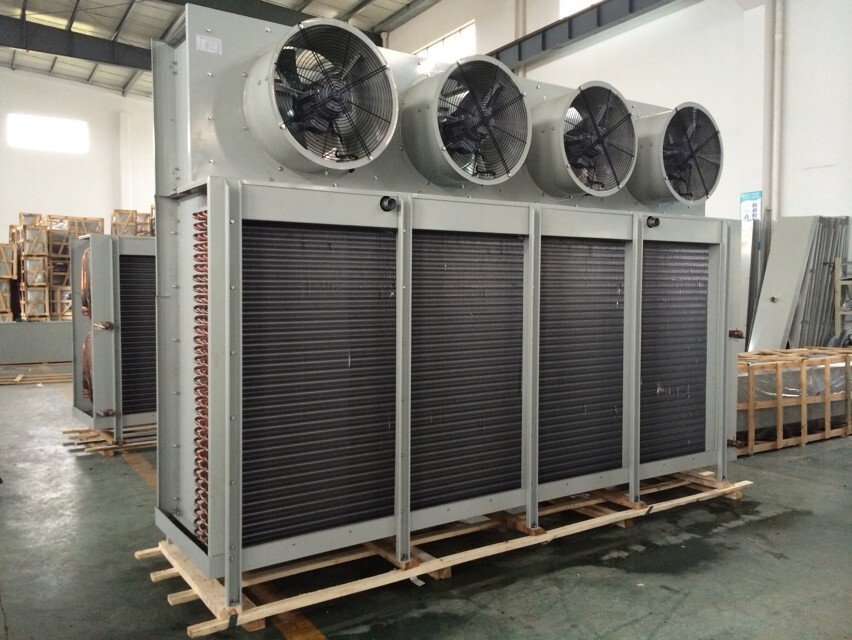
Let’s talk about a universal challenge that spans way beyond the doors of a hospital operating room: maintaining exact, consistent temperatures in mission-critical spaces. For distributors and import/export partners, understanding this broad application landscape is key to unlocking new markets. The core technology—precision climate control—is identical, but the end-users, their pain points, and your selling points differ dramatically.
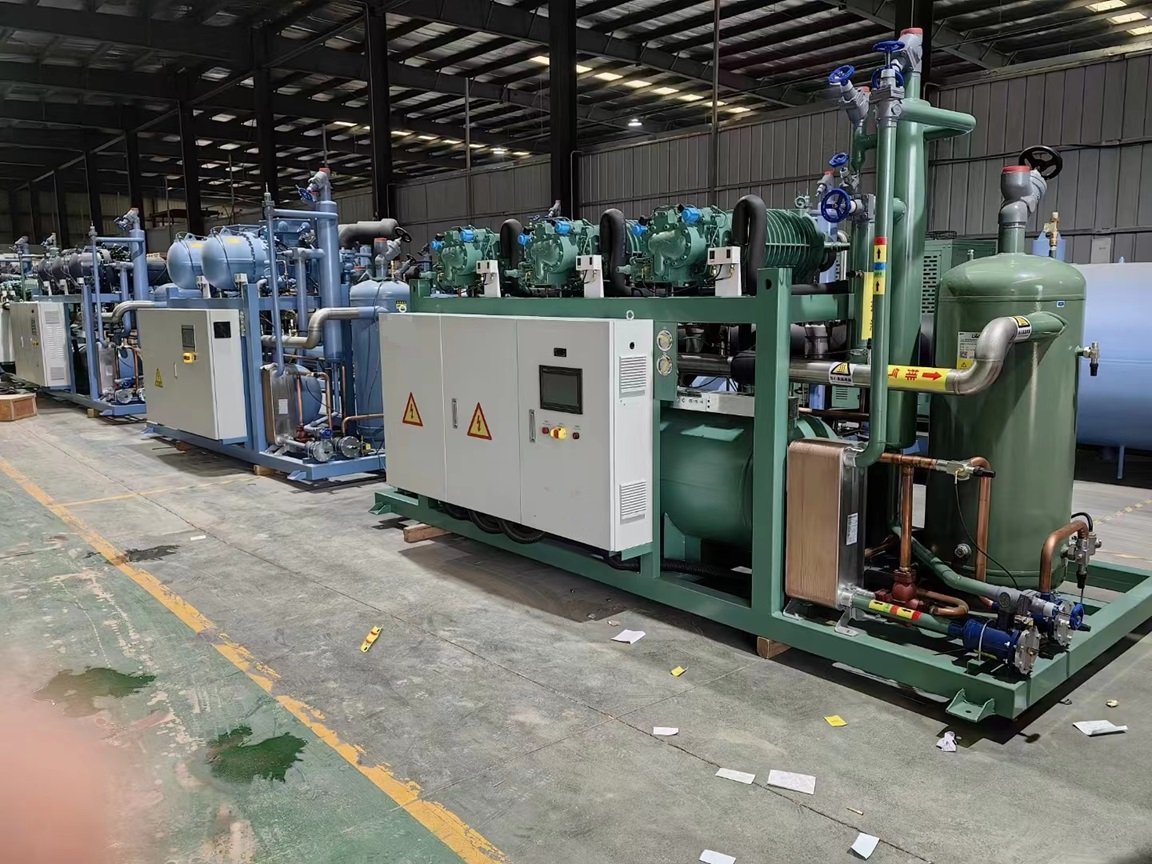
H2: The Core Challenge: More Than Just Patient Comfort
The operating room is the classic example, but the principle applies everywhere. It’s never just about “staying warm.” It’s about sustaining a strictly defined thermal environment for a specific process or product. In an OR, surgeons in thin scrubs need stable warmth (typically 20-23°C / 68-73°F) to prevent hypothermia in anesthetized patients and ensure their own manual dexterity. Meanwhile, the surgical lights and equipment are generating significant heat.
The modern solution isn’t a simple heater. It’s a sophisticated, responsive climate system that simultaneously manages cooling for equipment and precise, zoned heating for the personnel area. For you as a dealer, this translates to a product line featuring modular precision air conditioners and heaters with advanced zoning capabilities and low turbulence airflow. The value proposition? Patient safety, staff performance, and compliance with strict international medical facility standards like ISO 14644.
H2: From ORs to Warehouses: Temperature Stability in Logistics & Pharma
Shift the scene to a pharmaceutical distribution warehouse or a food logistics hub. Here, the “patient” is the inventory. The 2023 WHO report on vaccine logistics reiterates that temperature deviations cause billions in losses annually. A facility storing temperature-sensitive goods (2-8°C for vaccines, -25°C for frozen foods, 15°C for certain pharmaceuticals) faces a similar challenge: external temperature changes, door openings, and internal heat from equipment.
The parallel need is for robust, reliable, and energy-efficient precision cooling systems that guarantee stability. For B2B dealers, the conversation moves to industrial-grade chiller units, cold storage doors, and advanced monitoring systems with real-time, cloud-based data loggers. Recent data from the Global Cold Chain Alliance (2024) shows a 15% annual growth in demand for precision climate solutions in pharma logistics alone. Your clients aren’t just buying a cooler; they’re buying insurance for millions in inventory and regulatory compliance (meeting EU GDP, FDA CFR standards).
H2: High-Tech Manufacturing & Laboratory Precision
Enter the electronics cleanroom or the biotechnology lab. In semiconductor fabrication, temperature fluctuations measured in fractions of a degree can ruin a production batch. In a histology lab, specimen storage and processing equipment require exact temperatures.
Here, the demand is for extreme precision (±0.1°C stability) and ultra-clean airflow. The equipment you offer must integrate with Building Management Systems (BMS), feature redundancy, and have non-corrosive materials. The target client for distributors shifts to facility managers in tech parks and research institutes. According to a 2024 industry analysis by TechSci Research, the global cleanroom technology market is projected to grow at over 5% CAGR, directly driving demand for precision HVAC. Your portfolio needs to highlight scalable cleanroom AC units and anti-vibration mounting solutions for sensitive environments.
| Industry-Specific Temperature Parameters & Solution Focus | Industry | Typical Critical Range | Primary Threat | Key Solution Features for Dealers to Highlight |
|---|---|---|---|---|
| Healthcare (ORs) | 20-23°C (68-73°F) | Patient hypothermia, staff discomfort | Zoned control, low airflow velocity, seamless integration with room BMS, quiet operation. | |
| Pharma Logistics | 2-8°C (Refrigerated) | Product efficacy loss, regulatory failure | High energy efficiency (low GWP refrigerants), 24/7 monitoring alerts, backup systems. | |
| Food Processing | -25°C to +10°C (Variable) | Spoilage, bacterial growth | High-cooling capacity, easy-clean surfaces, corrosion-resistant components. | |
| Electronics Mfg. | 21°C ± 0.5°C (70°F) | Production yield loss | Extreme temperature stability, particulate filtration (HEPA/ULPA), vibration control. | |
| Biotech Labs | 4°C (Fridges), -80°C (Freezers) | Compromised research integrity | Redundant compressor systems, precise digital controllers, alarm systems. |
H2: The Dealer’s Toolkit: Specifying the Right System
As a distributor, your technical know-how adds immense value. When consulting with your clients—be it a hospital procurement team or a factory manager—focus on these specs:
- Capacity and Redundancy: Calculate the total heat load (occupants, equipment, lighting, insulation). Always propose a solution with N+1 redundancy for critical applications. A system failure is not an option.
- Control Systems: Look for units with intuitive, digital controllers that offer remote monitoring via Ethernet or Wi-Fi. This is a major selling point for modern facilities.
- Airflow Design: Laminar flow for cleanrooms, low-velocity for ORs, high-volume for warehouses. The right airflow pattern is as crucial as the temperature itself.
- Energy Efficiency: This is the top operational cost concern. Highlight units with variable speed drives (VSD/inverter compressors), EC fans, and refrigerants with low Global Warming Potential (GWP). Quote real payback period calculations.
- Serviceability and Parts: Emphasize the global availability of spare parts and straightforward maintenance access. Downtime is revenue lost for your client.
The market is moving towards smart, connected systems. Aligning your product line with IoT-enabled devices that predict maintenance needs is a powerful strategy.
Professional Q&A for Distribution Partners
Q: Our client in the Middle East needs precision cooling for a hospital, but energy costs are a major concern. What should we prioritize?
A: Focus on two key technologies: 1) Inverter (VSD) Compressors that modulate cooling output to match the exact load, drastically reducing cycling losses and power consumption. 2) Units designed for high ambient temperatures (up to 52°C/125°F) that won’t derate or fail in extreme heat. Present a total cost of ownership (TCO) analysis, not just the upfront price.
Q: A European biotech company asks about compliance. Do our systems help meet EU MDR/ISO 13485 for medical devices or GDP for pharma storage?
A: Absolutely. The right precision climate system is the foundation of that compliance. You must provide equipment that delivers validated, documented, and auditable temperature control. Ensure your units come with full calibration certificates, data logging capabilities (with non-erasable audit trails), and are designed to facilitate IQ/OQ/PQ (Installation/Operational/Performance Qualification) protocols. This documentation is as valuable as the hardware.
Q: For large warehouse projects, clients are asking about sustainability. What are the current refrigerant trends we should know?
A: The global phase-down of HFCs (like R-410A) is underway under the Kigali Amendment. You need to offer solutions using next-generation, low-GWP refrigerants such as R-32 (for medium-temperature applications) or natural refrigerants like CO2 (R-744) and Ammonia (R-717) for large industrial systems. Highlighting your products’ compliance with evolving regulations like the EU F-Gas Regulation is a critical competitive advantage.