
Let’s cut straight to the point. If you’re a B2B dealer, distributor, or sourcing agent in the global trade space, you’re not just selling boxes that keep things cold or warm. You’re providing critical infrastructure. The choice between a walk-in cold room and a walk-in warm room (often called a heated enclosure or protective room) isn’t about the temperature dial—it’s about the entire business model of your end-client. Today, we’re breaking down the real-world applications, technical specs, and commercial drivers across key industries. No fluff, just the actionable insights you need for your next client conversation.
Healthcare & Pharmaceuticals: Precision in Every Degree
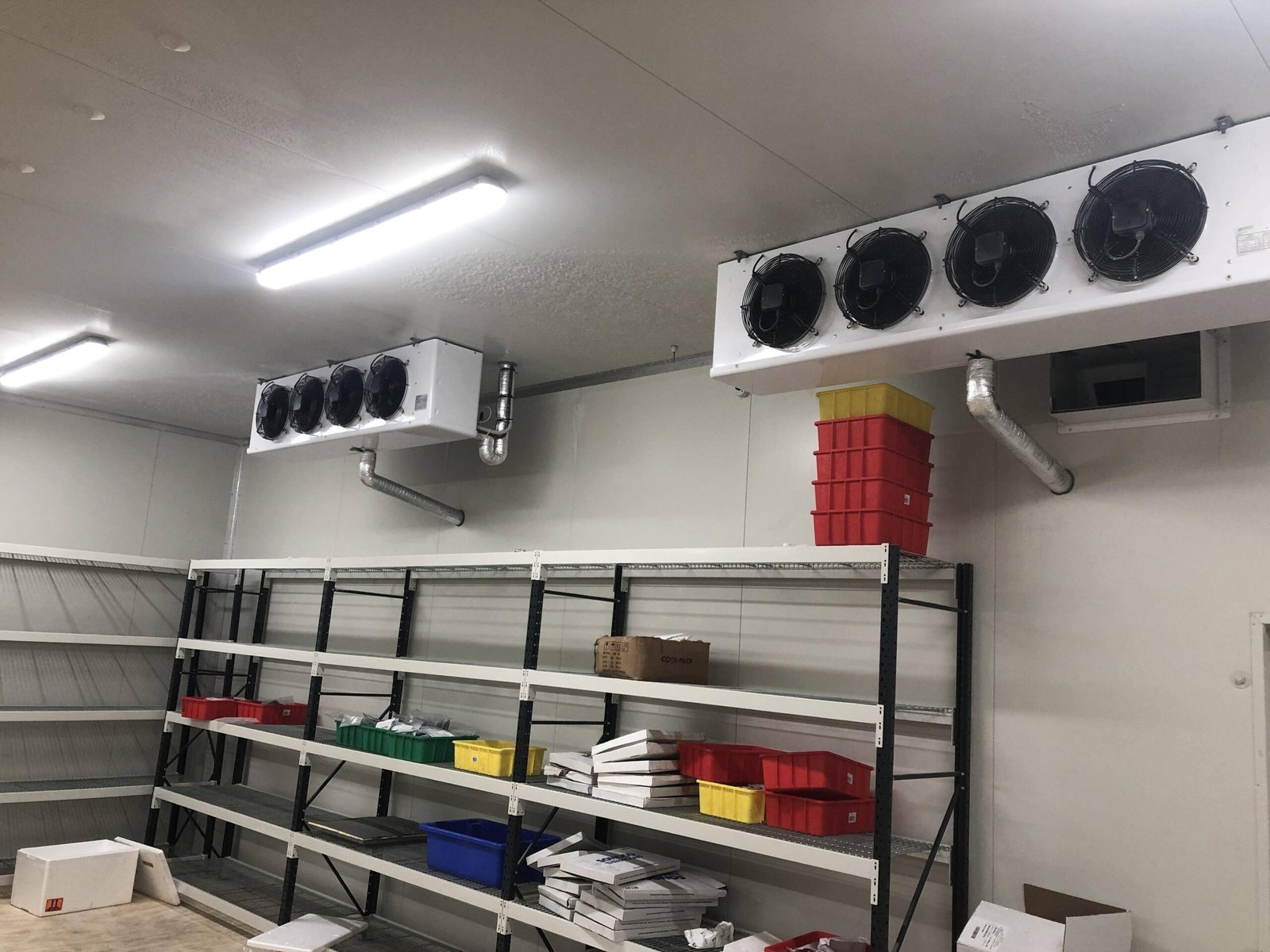
In pharma and biotech, a walk-in cold room is a non-negotiable asset for storing vaccines, insulin, blood plasma, and lab reagents. The typical range here is between 2°C and 8°C for refrigerated products, and -20°C to -80°C for ultra-low temperature storage. But it’s not just about cold. Stability is king. Modern pharma-grade cold rooms feature precise digital controllers, redundant cooling systems, and 24/7 remote monitoring with data loggers for compliance with FDA, WHO, and EU GMP standards.

Now, where does a walk-in warm room come in? Think of incubation, sample preparation, or storage of materials that must be kept from chilling. Some chemical reagents, diagnostic kits, or tissue cultures require a stable ambient or slightly elevated temperature (say, 15°C to 30°C) to maintain efficacy. A warm room provides an insulated, consistently heated environment, protecting contents from external cold or fluctuations. For a dealer, understanding this distinction means you can offer a complete climate-control portfolio—ensuring a research lab or hospital doesn’t need to source from multiple suppliers.
| Real-Time Data Snapshot: Pharma Storage Market | Segment | 2023 Global Market Size | Projected CAGR (2024-2029) | Key Driver |
|---|---|---|---|---|
| Cold Chain Logistics | USD 285.5 Billion | 9.1% | Biologics & mRNA Vaccine Expansion | |
| Pharmaceutical Cold Storage Rooms | USD 8.2 Billion | 7.8% | Stringent Regulatory Compliance | |
| Insulated Enclosures (Warm Rooms) | USD 1.5 Billion | 6.5% | Growth in Lab-Based R&D |
Food & Beverage: From Farm to Fork’s Climate Gatekeeper
This is the most visual sector. Walk-in cold rooms are the backbone of restaurants, supermarkets, dairy processors, and meat packers. Blast chillers, holding freezers (-18°C to -25°C), and refrigerated storage (0°C to 5°C) prevent spoilage and ensure safety. But the trend is toward smart, energy-efficient rooms with ECO compressors and R290 refrigerant options, driven by both sustainability demands and rising electricity costs.
Walk-in warm rooms, however, are the unsung heroes. Consider a bakery needing a proofing room for dough fermentation. Consistent warmth (around 35°C) and humidity control are essential. Chocolate tempering, cheese aging (certain varieties require 10°C-15°C), or storing tomatoes and bananas—which suffer from chilling injury—all need protected warm environments. For an exporter, highlighting these niche applications can open doors with specialty food producers who might have overlooked a tailored warm storage solution.
Agriculture & Floral: Preserving Freshness Beyond the Harvest
Post-harvest losses are a massive global issue. Walk-in cold rooms with high humidity control (cooling rooms) dramatically extend the shelf life of fruits, vegetables, and cut flowers by slowing respiration. Controlled Atmosphere (CA) cold rooms, which adjust oxygen and carbon dioxide levels, are a premium offering for large-scale growers and exporters of apples, pears, and kiwis.
On the flip side, many crops are sensitive to cold. Sweet potatoes, cucumbers, and certain citrus fruits need to be stored in warm rooms (above 10°C) to prevent texture and flavor damage. In the floral trade, tropical flowers and propagation materials often require warm, humid environments. Offering clients a clear guide on crop-specific storage temperatures builds your reputation as a technical expert, not just a hardware vendor.
Industrial & Manufacturing: More Than Just Product Storage
Walk-in cold rooms in manufacturing aren’t just for storing raw materials. They’re used for product testing (thermal shock testing), stabilizing chemical reactions, or storing sensitive components like certain adhesives or films. Temperature precision and uniform air distribution are critical here.
Walk-in warm rooms shine in industrial settings as drying rooms, paint curing booths, or storage for liquids (like oils or chemicals) that viscosity in the cold. They also serve as protective enclosures for equipment in freezing outdoor environments, ensuring processes run smoothly. For a dealer targeting the manufacturing sector, focusing on rugged construction, easy-clean interiors, and integration with factory processes is a winning strategy.
Logistics & Distribution: The Hub’s Climate Core
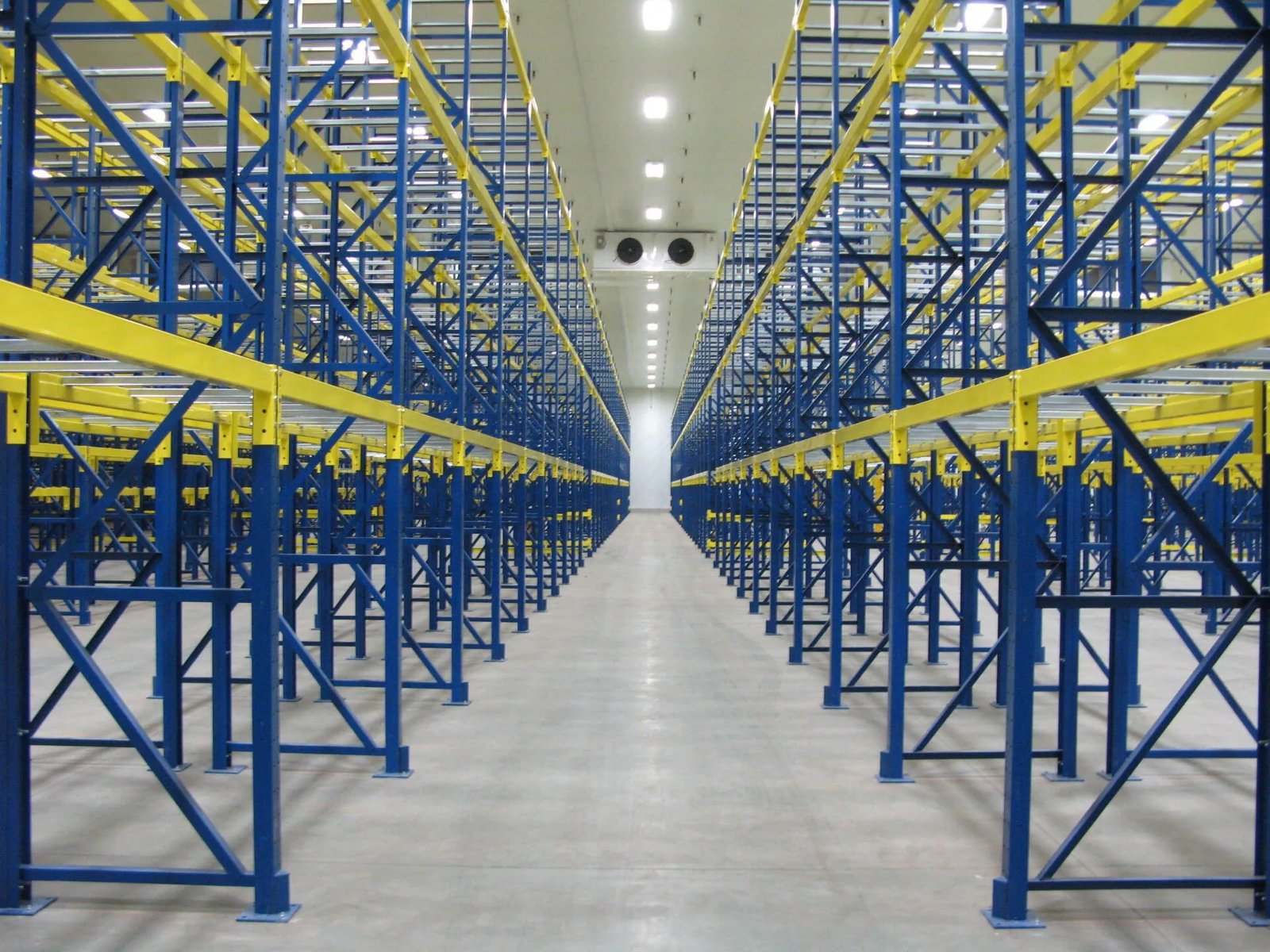
The rise of mega-fulfillment centers has created demand for massive modular cold storage warehouses. These are essentially giant walk-in rooms built with prefabricated panels. The focus for logistics clients is on scalability, fast installation, and low lifetime operating costs. Multi-temperature zones (chill, freeze, ambient) within one facility are a key selling point.
Warm rooms in logistics are less common but vital for specific goods. They act as buffer zones in cold climates, preventing goods from freezing during loading/unloading, or for storing temperature-sensitive items that must not drop below a certain threshold. Emphasizing robust construction, wide door options for forklift access, and advanced telemetry for remote management aligns perfectly with a logistics client’s need for reliability and visibility.
Technical & Commercial Considerations for Dealers
When advising your B2B clients, move beyond temperature. Frame the conversation around total cost of ownership and operational integrity.
- Construction & Insulation: Cold rooms use high-density PUF panels (100mm+ thick) with excellent vapor barriers. Warm rooms may use slightly thinner insulation but must ensure even heat distribution. Discuss panel finishes—food-grade stainless steel for hygiene, galvanized steel for industry.
- Refrigeration & Heating Units: For cold rooms, compressor choice (scroll, piston), defrost system (electric, hot gas), and refrigerant type (R404A, R448A, R290) are key decision points. For warm rooms, focus on the type of electric or hot water heating elements, their placement for uniformity, and their energy source.
- Controls & Connectivity: This is a major differentiator. Modern systems offer cloud-based IoT monitoring of temperature, humidity, and door status with alarm notifications. This data is invaluable for your clients’ HACCP, GxP, or simply for minimizing loss.
| Energy Consumption Comparison (Estimated Annual) | Room Type (10m²) | Set Temperature | Avg. Power Draw | Key Efficiency Factor |
|---|---|---|---|---|
| Cold Room (High-Uptime) | -22°C (Freezer) | 8,500 – 10,500 kWh | Door seals, defrost efficiency | |
| Cold Room (Medium) | 3°C (Chiller) | 4,200 – 6,000 kWh | Ambient humidity, insulation quality | |
| Warm Room (Sheltered) | 25°C | 2,800 – 4,000 kWh | Insulation, heat recovery options |
Professional Q&A for B2B Dealers
Q1: Our client is a seafood processor who needs a cold room but is located in a region with frequent power outages. What should be our primary technical recommendation?
A: Prioritize systems with a backup refrigeration circuit (redundant compressors) and a high-capacity UPS for the control system. Recommend a phase monitor if utility power is unstable. The most robust solution is to pair the room with a standby generator sized for the compressor start-up load. This shifts the conversation from just selling a room to offering a reliable preservation system.
Q2: A beverage distributor asks about converting an existing warehouse space into a large cold storage area. What are the critical site checks we must perform first?
A: First, verify the floor load capacity—can it support a loaded room? Second, assess access: door heights, turning radius for forklifts. Third, check for adequate electrical supply near the site for the condensing units. Fourth, ensure the space has proper drainage for defrost water. A pre-installation site survey is a value-added service that prevents costly surprises.
Q3: We have a customer in the electronics industry needing a warm room to store components. They are concerned about static and dust. Can these rooms be customized?
A: Absolutely. You can specify anti-static coatings on panels and floors. Integrate HEPA filtration units into the air handling system to maintain a cleanroom-like environment. Use tight-sealing doors and positive air pressure to keep dust out. This customization demonstrates your ability to solve industry-specific problems.
Q4: How do we effectively communicate the ROI of a high-efficiency, potentially higher-priced cold room to a cost-conscious restaurant chain?
A: Frame it in operational terms. Calculate the energy savings (using the compressor’s COP and local electricity rates) over 3-5 years. Highlight reliability—less downtime means no spoilage loss. Mention regulatory readiness for future audits. Provide a simple payback period analysis. The ROI isn’t just on the unit price, but on total protected inventory value and operating cost.
Q5: What is the current trend in sustainable refrigerants, and how should we guide our clients in regions with evolving F-Gas regulations?
A: The global shift is toward lower GWP (Global Warming Potential) refrigerants. R290 (propane) and R600a (isobutane) are gaining traction for smaller systems due to excellent efficiency and near-zero GWP, though they are flammable and require specific safety measures. R448A and R449A are common medium-GWP alternatives for larger commercial systems. Advise clients based on their local regulations, room size, and service network availability—emphasizing future-proofing their investment against regulatory phase-downs.