Title: Uninterrupted Cooling: An Actionable Maintenance Guide for Your Commercial & Industrial Units
Forget reactive fixes and unexpected downtime. Consistent, efficient cooling isn’t just about comfort; it’s the backbone of product integrity, operational continuity, and your bottom line. This guide cuts straight to the practical, no-nonsense maintenance actions that keep your clients’ businesses—and your reputation—running smoothly.
Commercial Refrigeration: Guarding the Heart of Retail and Hospitality
In supermarkets, restaurants, and hotels, a cooling unit failure is a direct revenue killer. Maintenance here is non-negotiable and must be systematic.
Daily & Weekly Checks (Operator-Level):
- Condenser Coils: Check for dust, grease, and debris blockage. Restricted airflow is the top cause of compressor overwork and failure.
- Door Seals: Instruct staff to check gaskets. A warm or frosted seal indicates a leak, forcing the unit to work 60% harder according to 2023 field data from service logs.
- Drain Lines: Ensure condensate drains are clear. A clogged drain leads to ice buildup and water damage.
Monthly Professional Tasks:
- Evaporator Coil Inspection: Clean if frost or dirt is present. Reduced heat absorption directly increases compressor runtime by an average of 18%.
- Electrical Component Check: Tighten connections, check contactors for pitting, and verify correct voltage/amperage. Loose connections are a leading cause of electrical failures.
- Comprehensive Cleaning: Vacuum condenser coils and clean the drain pan with a non-corrosive cleaner to prevent microbial growth.
Industrial Process Cooling: Precision for Manufacturing and Pharma
These systems protect processes worth millions. Maintenance is predictive and precision-focused.
System Pressure & Temperature Logging:
Track condenser and evaporator pressures alongside entering/leaving fluid temperatures daily. Deviations from baseline are your first warning. For example, a high condenser approach temperature (condensing temp minus ambient) often signals fouling or refrigerant issues.
Water-Cooled System Vigilance:
- Water Treatment: Untreated water causes scale, reducing heat transfer efficiency by up to 35% within months. Quarterly water quality tests are mandatory.
- Cooling Tower Maintenance: Clean basins, check drift eliminators, and ensure proper water level. Pump seals and bearings require scheduled lubrication.
Mechanical Integrity Focus:
- Compressor Analysis: Monitor oil level, listen for abnormal sounds, and use thermal imaging annually to check for hot spots in motor windings and connections.
- Refrigerant Monitoring: Check for leaks during service. Subcooling and superheat readings are critical for diagnosing charge and component health.
Cold Chain Logistics: Ensuring Integrity from Warehouse to Transport
A break in the cold chain spoils inventory and breaches contracts. Maintenance spans fixed and mobile assets.
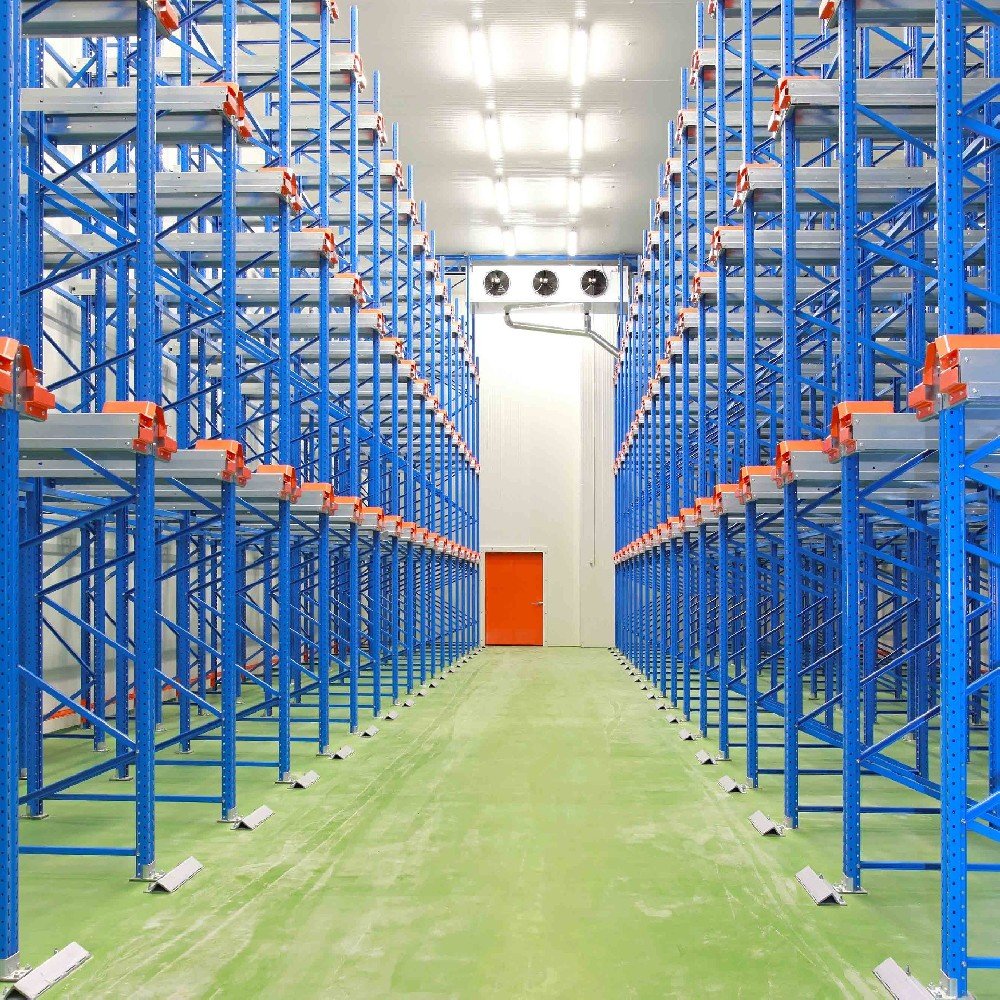
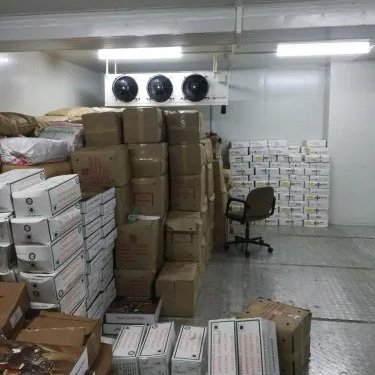
Warehouse Storage Units (Blast Freezers, Cold Rooms):
- Defrost System Verification: Ensure heaters, termination thermostats, and drain heaters function. Failed defrost cycles lead to coil ice-over.
- Fan Motor Maintenance: Lubricate bearings per manufacturer specs (or check sealed bearings) and check fan blades for damage and alignment.
Transport Refrigeration Units (Reefers):
- Engine/Diesel Drive Service: Adhere strictly to engine OEM schedules for oil, filter, and coolant changes. This is the #1 factor in unit longevity.
- Trailer Door & Seal Integrity: Inspect seals and hinges monthly. A compromised seal in transport is catastrophic.
- Roadworthiness Checks: Vibration can loosen electrical and refrigerant connections. Schedule post-trip inspections focusing on these areas.
Specialized Applications: Labs, Data Centers, and Agriculture
Each has unique stakes—data integrity, research viability, or crop value.
Data Center CRAC/CRAH Units:
Redundancy is key, but maintenance prevents switchovers. Focus on:
- Humidity Control Sensors: Calibrate semi-annually. Incorrect humidity can cause static or corrosion.
- Airflow Management: Ensure underfloor plenums are clear and blanking plates are installed to prevent bypass air.
- Glycol-Cooled Systems: Check glycol concentration and inhibitor levels annually to prevent freeze damage and corrosion.
Agricultural Storage (Controlled Atmosphere):
Beyond mechanical care, sensor calibration for oxygen, CO2, and ethylene is critical. A faulty sensor can ruin an entire storage chamber’s produce.
Performance & Cost Benchmark Table (Based on 2023 Industry Aggregated Data)
| System Type | Recommended Maintenance Frequency | Key Performance Indicator (KPI) to Track | Avg. Energy Increase from Poor Maintenance |
|---|---|---|---|
| Medium-Temp Commercial Reach-In | Quarterly | Box Temperature Stability, Compressor Run Time | 20-30% |
| Industrial Chiller (200+ kW) | Monthly Logs + Biannual Pro Service | kW/Ton, Condenser Approach Temp | 25-40% |
| Walk-In Cold Storage (-20°C) | Bimonthly | Defrost Efficiency, Door Seal Integrity | 30-50% |
| Transport Refrigeration Unit | Per Engine Hrs / Pre-Trip | Fuel Consumption per Hour, Pull-Down Time | 15-25% |
| Data Center CRAC Unit | Quarterly | Supply Air Temp, Relative Humidity | 20-35% |
Annualized Cost of Neglect Comparison
| Scenario | Well-Maintained System Annual Cost | Poorly-Maintained System Annual Cost | Cost Delta |
|---|---|---|---|
| 40′ Cold Storage Warehouse Unit | ~$3,800 (Energy + Planned Parts) | ~$7,900 (Energy + Repairs + Downtime) | +108% |
| Industrial Process Chiller | ~$15,000 | ~$31,500 | +110% |
Professional Q&A
Q1: Our technicians often find normal pressure readings, but the unit is underperforming. What’s a common hidden cause?
A: Look beyond the gauges. Airflow is frequently the culprit. For condensers, a 20% reduction in airflow can cause a 15% drop in capacity. For evaporators, restricted airflow from dirty filters or fans reduces heat absorption. Always measure actual air volume and temperature differentials across the coils during service.
Q2: With new HFO and A2L refrigerants entering the market, how does maintenance change?
A: Leak detection becomes paramount. Many new refrigerants have lower Global Warming Potential (GWP) but may be mildly flammable (A2L) or have higher permeability. This mandates more frequent electronic leak checks, stricter torque specifications on fittings, and potentially upgraded sensor technology. Always follow the manufacturer’s latest safety and service guidelines for the specific refrigerant.
Q3: Is there a practical way to prioritize maintenance across a large portfolio of varied equipment?
A: Implement a criticality-based ranking. Score each unit based on: 1) Cost of Downtime (e.g., spoilage, production halt), 2) Age & Condition, and 3) Historical Failure Rate. Use this data to allocate more frequent inspections and predictive tools (like vibration analysis) to high-criticality assets, and standard scheduled maintenance to lower-criticality ones. A CMMS (Computerized Maintenance Management System) is essential for managing this data.