
You know that hum outside a restaurant or grocery store? That’s the sound of business continuity. At the heart of that sound is the condensing unit, the unsung workhorse of refrigeration. Forget the “why it’s essential” theory—let’s talk about what it actually does for your business and your clients across the globe. If you’re a B2B dealer connecting technology to market needs, this is where your value multiplies. This piece cuts straight to the real-time data and applications driving procurement decisions right now.
The Engine Room of Modern Commerce: Condensing Units Unpacked

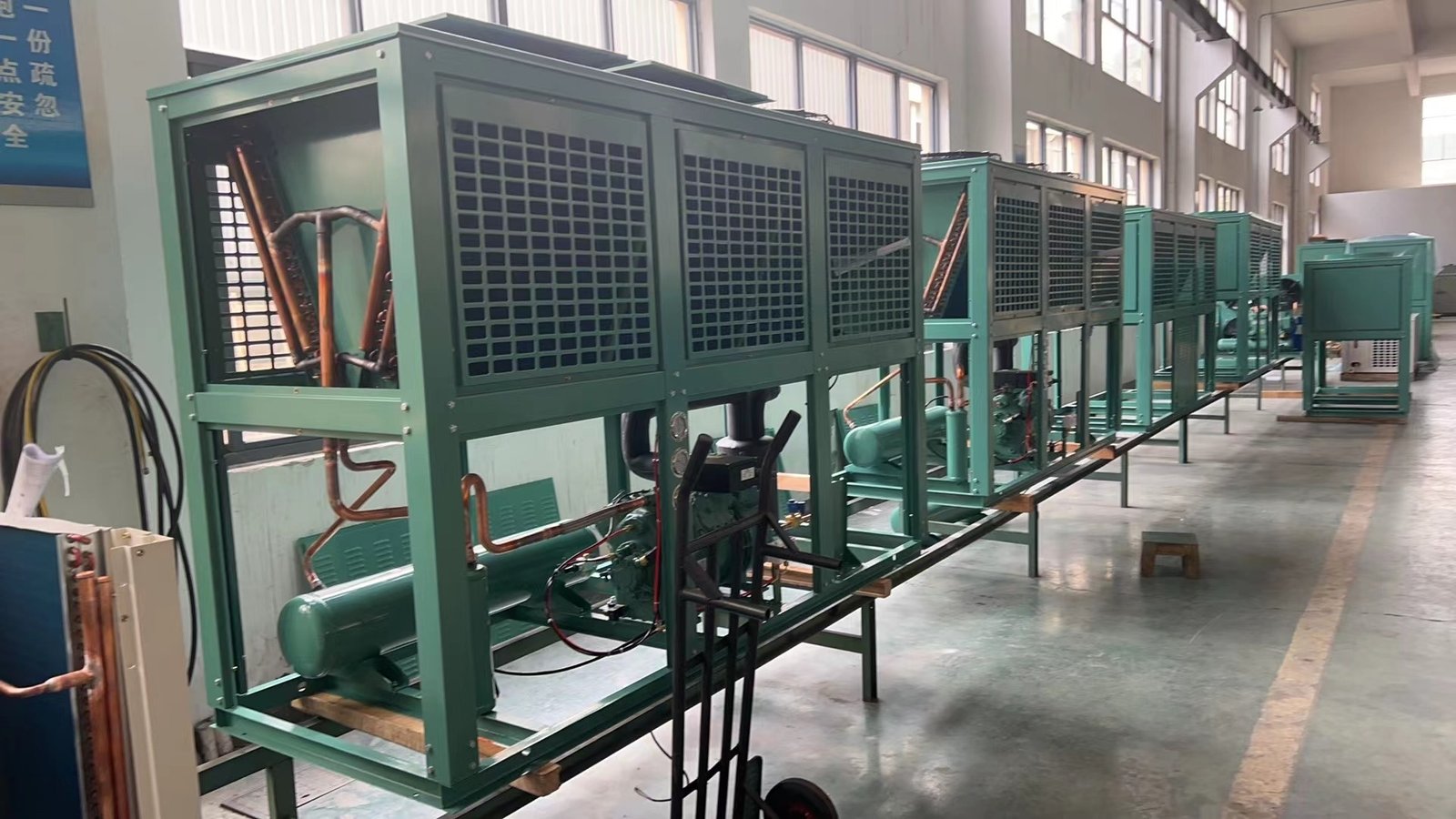
Let’s strip it down. A refrigeration system is a heat transfer loop. The condensing unit is the section responsible for releasing the heat absorbed from inside a cooled space. It houses the compressor, the condenser coil, and a fan. The compressor pumps refrigerant gas, now hot from absorbing indoor heat, to the condenser coil. The fan blows ambient air across this coil, condensing the hot gas back into a liquid and rejecting the heat to the outside environment. This process isn’t just about making things cold; it’s about precise thermal management.
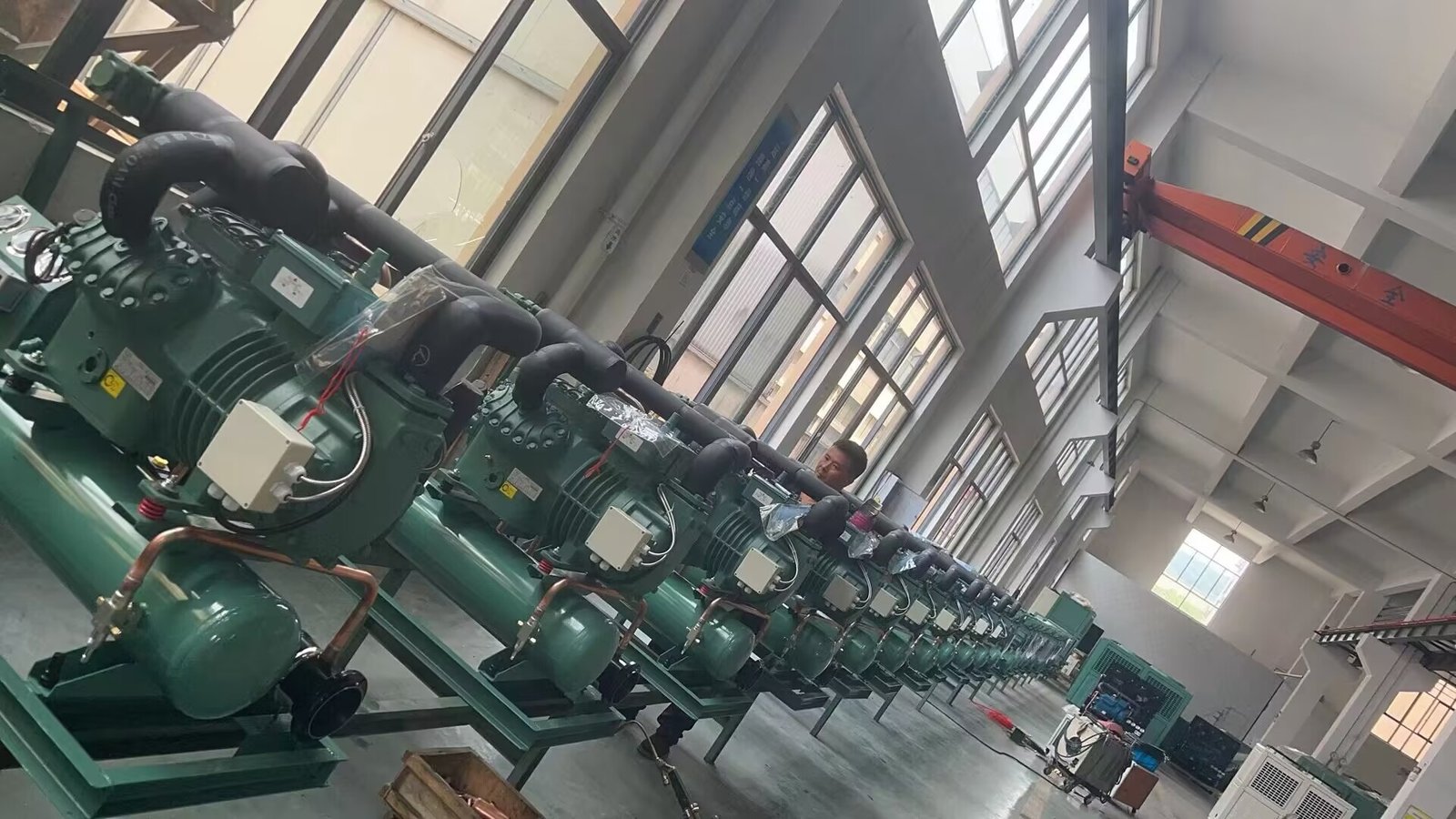
For you as a dealer, the specs here are your selling points. We’re talking about Seasonal Energy Efficiency Ratio (SEER) and Integrated Part Load Value (IPLV) metrics that directly translate to your client’s operational costs. In 2024, the shift is toward units using lower Global Warming Potential (GWP) refrigerants like R-454B and R-32, driven by EU F-gas regulations and similar policies emerging in North America and Asia. A unit’s compatibility with these refrigerants isn’t a future-proof feature anymore—it’s a current market access requirement. The latest industry data from the International Institute of Refrigeration (IIR) indicates that nearly 40% of new commercial unit purchases in Q1 2024 specified low-GWP refrigerant readiness as a primary condition.
From Pharma to Data Servers: Industry-Specific Demand Drivers
Your clients aren’t just buying a “cooler.” They’re buying a critical component for their unique operational integrity.
Food & Beverage Logistics: This is the obvious one, but the depth is in the details. It’s not just about preserving frozen peas. The explosion of cold chain logistics for pharmaceuticals (like mRNA vaccines requiring -80°C storage) and premium food exports (like Japanese Wagyu or Norwegian salmon) demands extreme reliability. A failure here isn’t a spoiled batch; it’s a six-figure loss and a broken contract. Dealers are seeing a surge in demand for redundant system setups and units with remote monitoring IoT capabilities. Real-time alerts for pressure drops or temperature fluctuations allow preventative maintenance, which is a key service you can bundle.
Healthcare & Biotechnology: Beyond blood banks, modern labs rely on condensing units for environmental chambers that test drug stability, incubators for cellular research, and MRI machine cooling. The requirement is precision (±0.5°C) and vibration control. A vibrating compressor can ruin sensitive experiments. Suppliers who can provide units with advanced compressor mounting and variable speed drives (VSD) that minimize harmonic resonance are capturing this high-margin niche.
Industrial & Chemical Processing: This is heavy industry. Condensing units here cool process water, condense gases in chemical production, and control humidity in manufacturing plants. Durability under harsh conditions (corrosive atmospheres, high ambient temperatures) is key. The demand is for ruggedized coils with corrosion-resistant coatings (like epoxy or hydrophilic blue fin) and housings with high IP (Ingress Protection) ratings. According to a recent global procurement report, the average lifespan expectation for an industrial-grade unit has increased from 7 to 10+ years, directly impacting total cost of ownership calculations you present to clients.
Surprise Sector: Data Centers: Every Google search and Netflix stream generates heat. Massive data centers use chilled water systems, but the condensing units (often called dry coolers or fluid coolers) are critical in rejecting that heat to the atmosphere. Efficiency is measured in PUE (Power Usage Effectiveness). A drop of 0.1 in PUE can save millions in electricity costs annually. The trend is toward adiabatic condensing units that use water evaporation to pre-cool air entering the coil, boosting efficiency in hot climates. This isn’t niche; it’s a multi-billion-dollar infrastructure growth area.
| Table: Global Condensing Unit Demand Drivers by Sector (2024 Projections) | Industry Sector | Key Requirement | Primary Growth Driver | Typical Unit Type |
|---|---|---|---|---|
| Cold Chain Logistics | Reliability, IoT Monitoring | E-commerce grocery, Pharma exports | Modular Outdoor Condensing Units | |
| Commercial Retail | Energy Efficiency, Low Noise | Sustainability regulations, Urbanization | Scroll Compressor Rooftop Units | |
| Industrial Process | Durability, High Ambient Performance | Onshoring of manufacturing | Heavy-Duty Packaged Units | |
| Data Centers | Extreme Efficiency (Low PUE) | AI/Cloud computing expansion | Adiabatic Fluid Coolers |
The Dealer’s Checklist: Technical Specs That Close Deals in 2024
When you’re evaluating manufacturers or presenting to a client, these are the concrete points that matter now.
1. Compressor Technology: Scroll compressors dominate for reliability in commercial ranges. For larger industrial needs, screw compressors offer superior efficiency at part load. The real differentiator is Variable Speed Drive (VSD) integration. A VSD allows the compressor motor speed to adjust to the exact cooling demand, leading to energy savings of 30-40% compared to fixed-speed units. It’s the single most persuasive feature for ROI-focused clients.
2. Heat Exchanger Coil Design: Microchannel condenser coils are gaining over traditional copper-tube-aluminum-fin coils. They offer better heat transfer in a smaller footprint, use less refrigerant, and are more resilient to corrosion. For coastal or polluted environments, this is a major selling point for reduced maintenance.
3. Control Systems & Connectivity: A basic thermostat isn’t enough. Units should come with or be compatible with advanced controllers that offer setpoints, alarms, and diagnostics. The gold standard is BACnet or Modbus protocol integration, allowing the unit to seamlessly become part of a building’s centralized Building Management System (BMS). For remote sites, units with built-in 4G/LTE cellular modems for cloud monitoring are becoming a baseline ask.
4. Regulatory Compliance: This is non-negotiable. Ensure units are certified to relevant standards: AHRI (North America), CE (Europe), and MEPS (Minimum Energy Performance Standards) in markets like Australia and Saudi Arabia. Documentation proving compliance smooths customs clearance and prevents costly project delays.
Navigating Global Supply: Sourcing for Reliability and Profit
The post-pandemic landscape has reshaped sourcing. The mantra is diversification and verification.
Manufacturing Hubs: China remains the world’s factory floor for compressors and complete units, offering scale and technological parity. Key differentiators among Chinese manufacturers are now vertical integration (control over compressor, coil, and controller production) and in-house R&D for efficiency upgrades. Southeast Asia (Thailand, Vietnam) is growing as an alternative for final assembly, often benefiting from favorable trade tariffs into Western markets.
Critical Verification Steps: Beyond a factory audit, insist on performance testing reports from a third-party lab. Request a spare parts availability guarantee for core components (compressors, boards) for a minimum of 10 years. Check the supplier’s logistics partners—can they handle FOB, CIF, or DDP terms reliably to your client’s port? A 2023 survey of European HVACR importers found that 65% had switched or added a secondary supplier primarily due to inconsistent shipping reliability, not cost.
The future for dealers is in moving beyond box-moving. It’s about providing a thermal management solution—the right unit, with the right controls, the right compliance paperwork, and the right service plan. That’s how you build a distribution business that endures.
Professional Q&A for B2B Dealers
Q: For a dealer new to the refrigeration sector, what are the first three technical specifications to compare between different manufacturers’ condensing units?
A: Focus on 1) Energy Efficiency Ratio at specific operating conditions (like at 35°C ambient), as this dictates lifetime operating cost; 2) Sound Power Level (dBA), crucial for installations in noise-sensitive urban areas; and 3) Refrigerant type and charge, ensuring it aligns with current and upcoming environmental regulations in your target markets. These three factors cover cost, usability, and compliance—the core concerns for most end-users.
Q: How significant is the shift towards “low-GWP” refrigerants, and what does it mean for my inventory?
A: It’s decisive. Regulations like the EU’s F-gas phase-down are aggressively cutting the supply of high-GWP HFCs (like R-404A, R-507). This is making them more expensive and less available. Smart dealers are now primarily stocking and promoting units designed for next-gen refrigerants like R-454B (A2L classification) or R-513A. The key is to ensure the unit’s compressor, lubricant, and pressure ratings are specifically engineered for these new gases. Selling an older-technology unit today risks stranding your client with an obsolete and costly-to-service asset.
Q: What is the single most common cause of premature condensing unit failure in the field, and how can we advise clients to prevent it?
A: Inadequate airflow across the condenser coil is the leading culprit. This is caused by dirt, debris, foliage, or simply installing the unit too close to a wall. It forces the compressor to work at higher pressures and temperatures, leading to premature wear. Your advice should be simple: ensure at least 1-1.5 meters of clear space on all sides (especially the fan discharge side), and implement a quarterly coil cleaning schedule. This basic maintenance can extend unit life by years. Offering a scheduled maintenance contract is an excellent way to add value and recurring revenue.