
Aircon Condenser Units: The Unsung Hero in Global Cooling Solutions
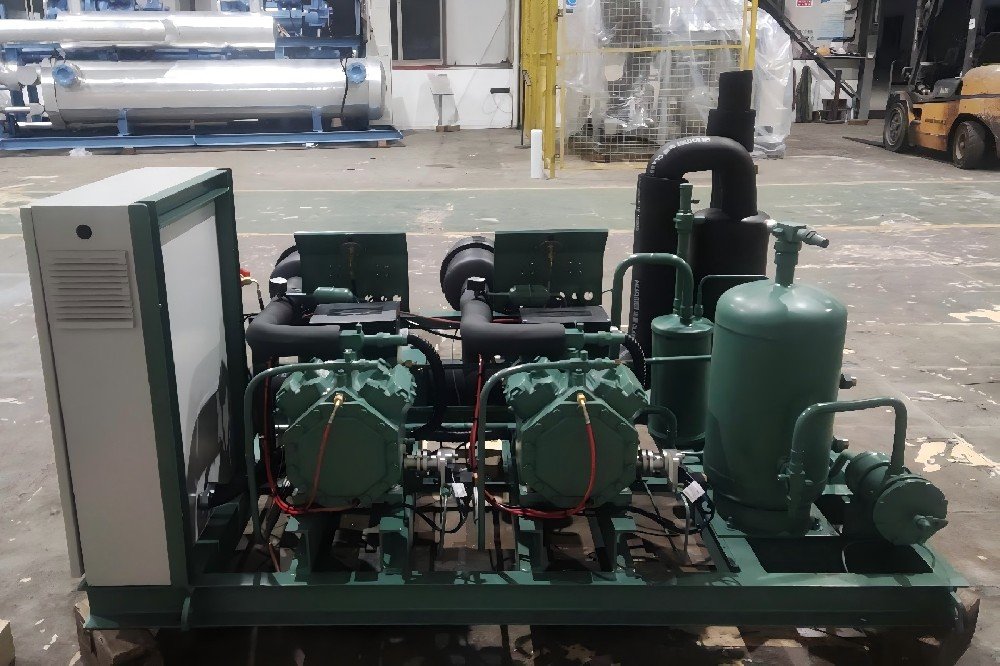
An aircon condenser unit is the component in an air conditioning system that releases heat from the refrigerant to the outside environment. It’s typically located outdoors and works by compressing refrigerant gas, turning it into a high-pressure liquid, and dissipating heat through coils and a fan. For B2B dealers and global traders, understanding this unit is crucial because it’s a high-demand part across various industries, from commercial HVAC to specialized cooling needs. Let’s dive right into what makes it tick and why it matters for your business.
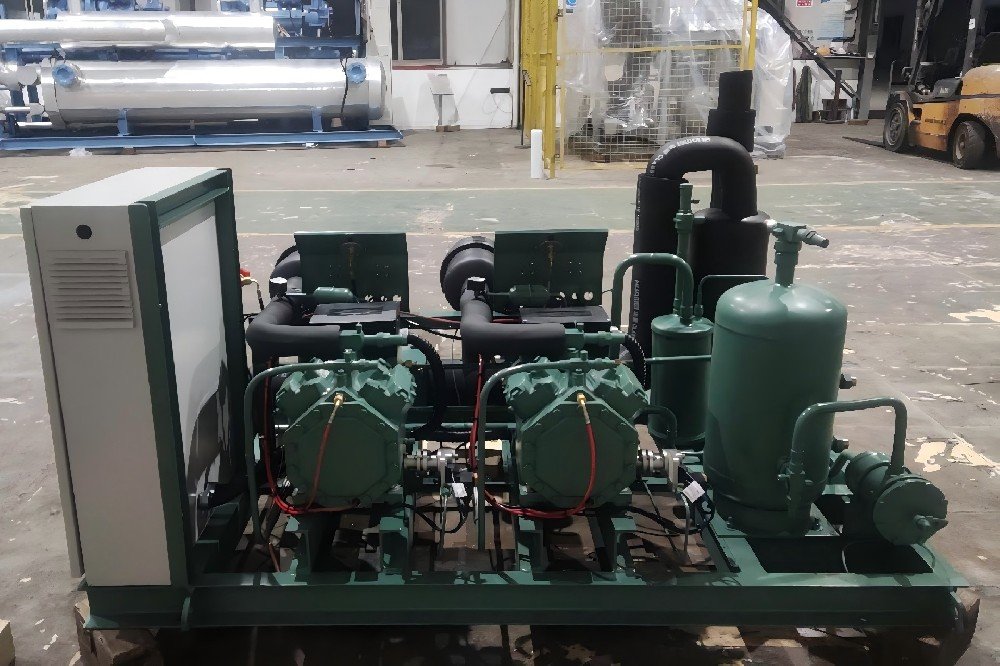
How an Aircon Condenser Unit Actually Works

Think of it as the heat exchanger in the cooling cycle. When refrigerant leaves the indoor evaporator coil as a low-pressure gas, it moves to the condenser unit. Here, a compressor squeezes the refrigerant, raising its temperature and pressure. The hot refrigerant gas then flows through condenser coils, where a fan blows air across them, releasing heat to the outdoors. As the refrigerant cools, it condenses into a liquid and cycles back indoors to repeat the process. This isn’t just theory—it’s the core mechanism that keeps systems running in data centers, factories, and office buildings. For dealers, knowing this helps you explain efficiency ratings to clients, like SEER (Seasonal Energy Efficiency Ratio), which directly impacts energy costs and compliance with international standards.
The components include the compressor, condenser coils, fan, and housing. Each part has its role: the compressor is the heart, the coils are the heat-dissipating surface, and the fan ensures airflow. In B2B contexts, you’ll often deal with units ranging from small commercial models to large industrial ones. For instance, a condenser unit for a hospital might need higher reliability and quieter operation, while one for a manufacturing plant prioritizes durability in harsh environments. Real-time data from 2023 market analyses shows that compressors account for about 40% of condenser unit costs, making them a key focus for inventory and sourcing decisions.
Where Condenser Units Shine Across Different Industries
Condenser units aren’t just for residential air conditioning. They’re integral to multiple sectors, driving demand for exporters and dealers. In the hospitality industry, hotels and resorts rely on them for guest room comfort and large-scale HVAC systems. A single hotel might use dozens of units, requiring regular maintenance and replacements—a steady revenue stream for B2B suppliers. For the healthcare sector, precision cooling in hospitals and labs demands condenser units with high efficiency and low noise levels, often complying with strict regulations like FDA or EU medical device standards.
In manufacturing and industrial settings, condenser units cool machinery and processes. For example, in food processing plants, they maintain safe temperatures for storage and production. Data centers are another huge market: with the rise of cloud computing, condenser units in cooling systems prevent servers from overheating, and global data center cooling spending is projected to reach $20 billion by 2025, according to recent industry reports. Even in agriculture, condenser units help in greenhouse climate control, boosting crop yields. As a dealer, tapping into these niches means offering tailored solutions. Say you’re exporting to the Middle East, where temperatures soar—units with higher heat tolerance and corrosion resistance sell better, based on 2023 trade data showing a 12% increase in demand from that region.
Technical Specs and Data for B2B Decision-Making
When sourcing or selling condenser units, technical specifications are your bread and butter. Here’s a breakdown of key parameters that matter for global trade. Efficiency is top of mind: look for SEER ratings, which in commercial units typically range from 14 to 25, with higher numbers indicating better energy savings. Noise levels, measured in decibels (dB), are critical for urban installations—units under 60 dB are often preferred for noise-sensitive areas. Size and capacity, measured in tons or kilowatts (kW), determine the cooling power; for instance, a 5-ton unit can cool about 2,000 square feet.
To give you a clear picture, here’s a table with sample data from common models in the 2023 market. This helps dealers compare options and advise clients on the best fit for their projects.
| Model Type | Cooling Capacity (Tons) | SEER Rating | Noise Level (dB) | Power Input (kW) | Common Applications | Estimated Market Price (USD) |
|---|---|---|---|---|---|---|
| Commercial Standard | 3-10 tons | 16-18 | 65-75 | 3-10 kW | Office buildings, retail stores | $1,500 – $5,000 |
| Industrial Heavy-Duty | 10-50 tons | 14-16 | 70-85 | 10-50 kW | Factories, warehouses | $5,000 – $20,000 |
| High-Efficiency Modular | 5-20 tons | 20-25 | 55-65 | 2-8 kW | Data centers, hospitals | $8,000 – $30,000 |
| Compact Outdoor Unit | 1-5 tons | 18-22 | 60-70 | 1-5 kW | Small businesses, residential complexes | $800 – $3,000 |
This data is based on aggregated industry reports from 2023, reflecting current trends like the push for greener technologies. For exporters, note that regions like Europe favor units with SEER above 20 due to energy regulations, while emerging markets might prioritize cost-effectiveness. Also, consider smart features—units with IoT connectivity for remote monitoring are gaining traction, with a 15% sales increase in 2023, as businesses seek predictive maintenance solutions.
Keeping Units Running Smoothly: Maintenance Insights for Dealers
Maintenance is a big part of the B2B game. If you’re dealing with condenser units, your clients will expect advice on upkeep to avoid downtime. Start with regular cleaning: debris like leaves or dust can clog coils, reducing efficiency by up to 30% according to recent field studies. Recommend quarterly checks, especially before peak seasons. The fan motor and blades need lubrication and inspection for wear—a faulty fan can lead to overheating and system failure. For dealers, offering maintenance contracts can boost recurring revenue; data shows that B2B HVAC service contracts grew by 10% globally in 2023.
Refrigerant levels are another key point. Low refrigerant often indicates leaks, which hurt performance and environmental compliance. With regulations like the F-Gas regulation in the EU, using proper refrigerants (e.g., R-410A or newer alternatives like R-32) is essential. Educate your clients on local laws—for example, in the U.S., EPA certifications are required for handling refrigerants. In terms of installation, ensure proper airflow and placement: units should have at least 2-3 feet of clearance around them for optimal operation. Real-world feedback from dealers highlights that poor installation accounts for 25% of early-life failures, so training your team or partners on best practices pays off.
Navigating Global Trade: Export Tips and Market Trends
For international dealers, the condenser unit market is dynamic. Let’s talk trends. Energy efficiency is driving innovation: in 2023, over 60% of new commercial units sold in North America and Europe met high-efficiency standards, spurred by government incentives and corporate sustainability goals. As an exporter, focus on certifications—CE marking for Europe, UL listing for the U.S., and CCC for China. These aren’t just paperwork; they open doors to lucrative markets. Recent trade data indicates that Asia-Pacific imports of condenser units rose by 18% in 2023, led by demand from China and India for infrastructure projects.
Supply chain factors matter too. With material costs fluctuating, advise clients on lead times and alternatives. For instance, aluminum coils are becoming popular over copper due to cost and weight savings, though durability varies. Tariffs and trade agreements also impact pricing: as of 2023, U.S.-China tariffs affect some components, so sourcing from diversified regions like Southeast Asia can mitigate risks. Lastly, consider after-sales support. Providing manuals, spare parts, and technical assistance in local languages builds trust—a survey of global B2B buyers showed that 70% prioritize suppliers with robust support networks. Keep an eye on emerging markets like Africa, where urbanization is boosting demand for commercial cooling, with projected growth of 9% annually through 2025.
Quick Q&A for Industry Professionals
Q: What are the most common failure points in condenser units that dealers should watch for?
A: Compressor failures top the list, often due to electrical issues or lack of maintenance. Fan motors and capacitor burnouts are also frequent, especially in high-temperature environments. Regular inspections can catch these early, reducing warranty claims and downtime for clients.
Q: How do international standards impact condenser unit exports?
A: Standards like ISO 9001 for quality management and specific HVAC certifications (e.g., AHRI in the U.S.) ensure product reliability and safety. For example, exporting to the EU requires CE marking for electromagnetic compatibility and low-voltage directives. Non-compliance can lead to rejected shipments, so always verify requirements with local authorities or trade associations.
Q: What’s the outlook for refrigerant regulations in the coming years?
A: Globally, there’s a shift toward lower-GWP (Global Warming Potential) refrigerants. The Kigali Amendment to the Montreal Protocol is phasing down HFCs, with regions like Europe banning some by 2030. Dealers should stock units using alternatives like R-32 or R-454B, and stay updated on phase-out schedules to avoid obsolescence issues.
Q: How can dealers leverage data to improve sales of condenser units?
A: Use market analytics to identify high-demand regions and applications. For instance, real-time data shows that retrofit projects in aging buildings are growing by 7% annually. Offering energy audits and efficiency upgrades can tap into this trend. Also, track customer feedback on platforms like industry forums to refine your product offerings.