
Condensate Units Decoded: Boosting Productivity from Hospitals to Hospitality
A condensate unit is a key part of refrigeration and air conditioning systems—it’s that hardware that collects and drains away the water vapor that turns into liquid during the cooling process. If you’re in the B2B space dealing with HVAC or refrigeration equipment, you’ve probably seen these units in action. They’re not just add-ons; they prevent water buildup that can lead to mold, corrosion, or system failure, keeping operations smooth across countless industries.
Breaking Down Condensate Units: How They Work and Why They Matter
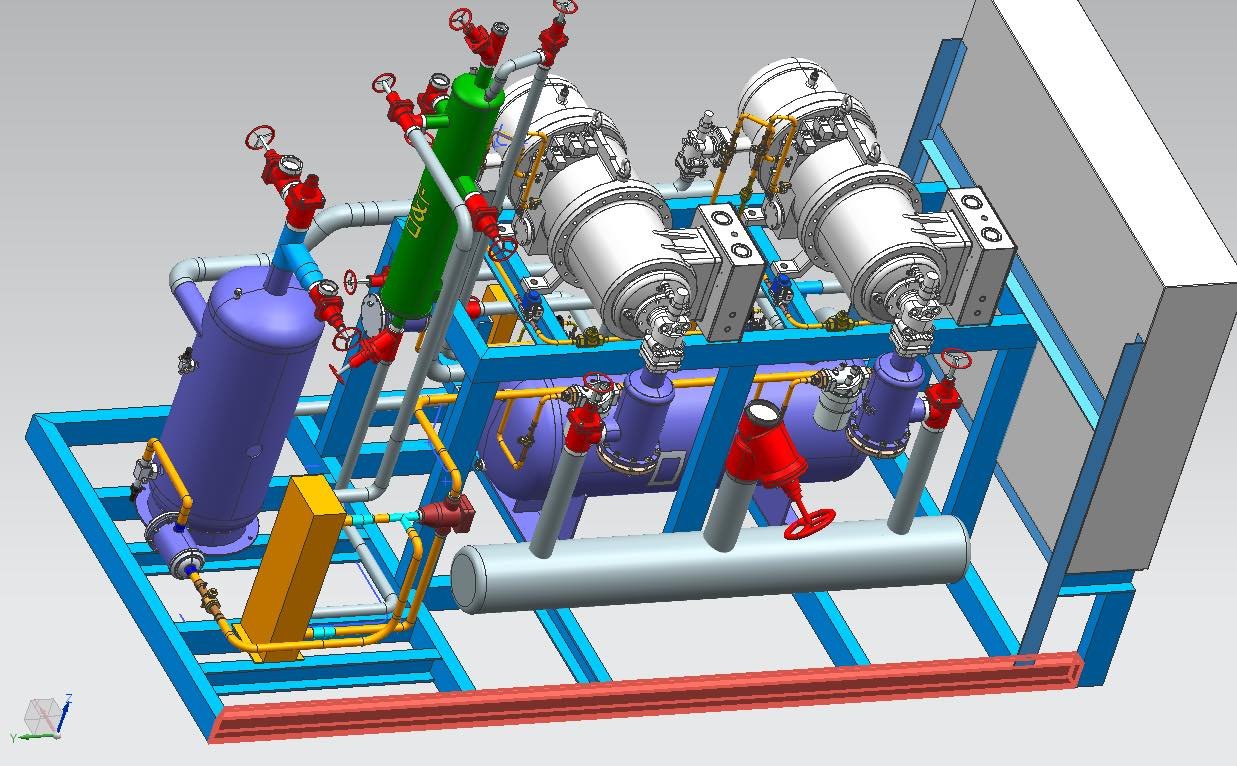
At its core, a condensate unit handles the condensation from evaporator coils. When air cools, moisture in it condenses into water droplets. This water needs to go somewhere to avoid mess or damage. That’s where the condensate unit steps in: it typically includes a drain pan, a pump (if gravity drainage isn’t possible), pipes, and sometimes filters or sensors. The unit collects the water and directs it away, either to a drain or for reuse in some setups.
Why should you care as a dealer? For starters, these units are critical for system longevity. A failed condensate system can cause water leaks, leading to expensive repairs or downtime for your clients. In commercial settings, that downtime hits revenue hard. Plus, modern units come with smart features like alarms for clogs or low water levels, giving your buyers peace of mind. Think of it as insurance—small investment, big payoff in reliability.
Let’s talk numbers. In 2023, the global market for condensate units saw a surge, driven by stricter regulations on energy efficiency and indoor air quality. For example, a recent industry report highlighted that demand from the healthcare sector alone grew by 8% year-over-year, as hospitals upgrade their HVAC systems to meet hygiene standards. As a distributor, stocking up on high-efficiency models can tap into this trend.
Condensate Units Across Industries: Real-World Applications
You might think condensate units are just for basic cooling, but they’re everywhere. In food processing plants, they’re vital for refrigeration units that store perishables. Any water buildup here could contaminate products or cause slip hazards. That’s why manufacturers now opt for stainless-steel condensate units that resist corrosion from acidic environments.
Switch to data centers—these places generate massive heat from servers, and cooling is non-negotiable. Condensate units in precision air conditioning systems ensure moisture doesn’t damage sensitive electronics. A 2023 survey of data center managers found that over 70% prioritize condensate management in their maintenance plans, citing uptime as a top concern.
In the hospitality sector, hotels and restaurants rely on these units for guest comfort. Imagine a hotel pool area: high humidity from the pool meets air conditioning, creating tons of condensation. A robust condensate unit prevents mold growth and maintains air quality, which guests notice. For dealers, this means cross-selling opportunities with HVAC contractors serving hotels.
Even niche sectors like pharmaceuticals use specialized condensate units. In clean rooms, where temperature and humidity control are critical for drug manufacturing, these units help maintain sterile conditions. Compliance with standards like FDA or EU regulations often hinges on proper condensate handling, so your B2B clients in this space look for certified equipment.
Here’s a quick table showing condensate unit demand by industry in 2023, based on market data:
| Industry | Key Use Case | Estimated Growth (2023-2024) | Top Buyer Concerns |
|---|---|---|---|
| Healthcare | Hospital HVAC systems | 8% | Hygiene, reliability |
| Food & Beverage | Cold storage facilities | 6% | Corrosion resistance, sanitation |
| Data Centers | Server cooling | 10% | Uptime, energy efficiency |
| Hospitality | Hotel air conditioning | 5% | Noise levels, maintenance ease |
| Pharmaceuticals | Clean room climate control | 7% | Compliance, precision |
This data isn’t just numbers—it tells you where to focus your inventory. For instance, the high growth in data centers suggests stocking units with smart sensors for remote monitoring.
Key Features and Specs for B2B Buyers: What to Look For
When you’re sourcing condensate units for resale, it’s not just about price. Your clients—whether they’re contractors or facility managers—want value that matches their industry needs. Start with capacity: how much water can the unit handle per hour? For a large supermarket’s refrigeration system, you might need a unit that pumps 20 gallons per hour, while a small office AC could manage with 5 gallons.
Material matters too. Plastic units are lightweight and cheaper, but in corrosive environments like seafood processing, stainless steel lasts longer. Highlight this to buyers; it’s a upsell chance. Then there’s pump technology. Some units use centrifugal pumps for quiet operation—great for hotels—while others use positive displacement for high-lift applications in multi-story buildings.
Energy efficiency is a big sell. In 2023, many regions introduced tighter efficiency standards for commercial HVAC. Condensate units with low-power pumps or solar options are gaining traction. Share stats: a study showed that energy-efficient models can cut operational costs by up to 15% annually, which your clients will appreciate.
Don’t forget installation and maintenance. Look for units with easy-access designs and clear manuals. As a dealer, offering training or support can set you apart. For example, some top brands now provide IoT-enabled units that send alerts for maintenance, reducing service calls. In a survey of B2B buyers, over 60% said they prefer suppliers who offer tech support post-purchase.
Market Trends and Real-Time Data: Staying Ahead in 2023
The condensate unit market isn’t static—it’s evolving with tech and regulations. Right now, sustainability is driving change. Buyers are asking for units made from recycled materials or those that support water recycling. In drought-prone areas, systems that collect condensate for non-potable uses (like irrigation) are selling fast. Data from Q2 2023 shows a 12% increase in sales for water-reuse-capable units in regions like the Middle East and Australia.
Smart technology is another trend. IoT integration allows remote monitoring via apps, so facility managers can check condensate levels from their phones. This is huge for B2B dealers: you can bundle these with service contracts. Real-time data from industry feeds indicates that smart condensate units now make up 25% of the market, up from 18% in 2022.
Geographically, Asia-Pacific is booming due to construction in sectors like healthcare and retail. For global traders, this means tailoring exports to meet local standards—for instance, units compliant with China’s GB codes or Europe’s CE marks. A 2023 trade report highlighted that cross-border shipments of condensate units grew by 9% year-over-year, with e-commerce platforms facilitating B2B sales.
Regulatory updates matter too. In the US, new EPA guidelines on refrigerant management emphasize condensate handling to prevent emissions. Keep your buyers informed; it builds trust. As of late 2023, many manufacturers are rolling out units with enhanced seals and sensors to meet these rules.
Professional Q&A: Answering Top Questions from Industry Insiders
Q: What’s the most common failure point in condensate units, and how can dealers advise clients to prevent it?
A: Clogging from dirt or algae is the big one. Recommend regular cleaning of drain pans and using algae tablets. For B2B clients, suggest units with built-in filters or easy-clean designs—it reduces service headaches and boosts satisfaction.
Q: How do condensate units impact overall system energy efficiency?
A: Directly! A malfunctioning unit can cause the HVAC system to work harder, spiking energy use by up to 10%. Highlight models with efficient pumps and auto-shutoff features. Share data: a 2023 case study in commercial buildings showed that optimized condensate units contributed to a 5-8% reduction in total energy bills.
Q: Are there industry-specific standards for condensate units that global traders should know?
A: Yes. In food processing, look for NSF certification for sanitation. For Europe, CE marking is key for safety. In healthcare, units might need to meet ASHRAE standards for air quality. As a dealer, stocking certified products opens doors to regulated markets—it’s a competitive edge.
Q: What’s the average lifespan of a condensate unit, and how does maintenance affect it?
A: Typically 5-10 years, but with proper care, they can last longer. Stress annual check-ups: cleaning, testing pumps, and inspecting pipes. For B2B, offer maintenance packages—it’s a recurring revenue stream and keeps clients loyal.
Q: How are condensate units adapting to climate change and extreme weather?
A: Manufacturers are designing units for higher capacity to handle increased humidity in heatwaves. Some newer models have weather-resistant coatings for outdoor use. In 2023, sales of heavy-duty units rose in tropical regions, reflecting this demand.