Let’s cut straight to the point. Condensation in an AC unit is the process where water vapor in the warm, humid air passing over the cold evaporator coil turns into liquid water. It’s a fundamental byproduct of the cooling cycle, not a flaw. For you, the B2B distributor or project specifier, understanding this isn’t just technical trivia—it’s the key to unlocking value, minimizing callback headaches, and specifying the right equipment for your commercial and industrial clients.

Condensation’s Role in Modern Manufacturing and Process Cooling
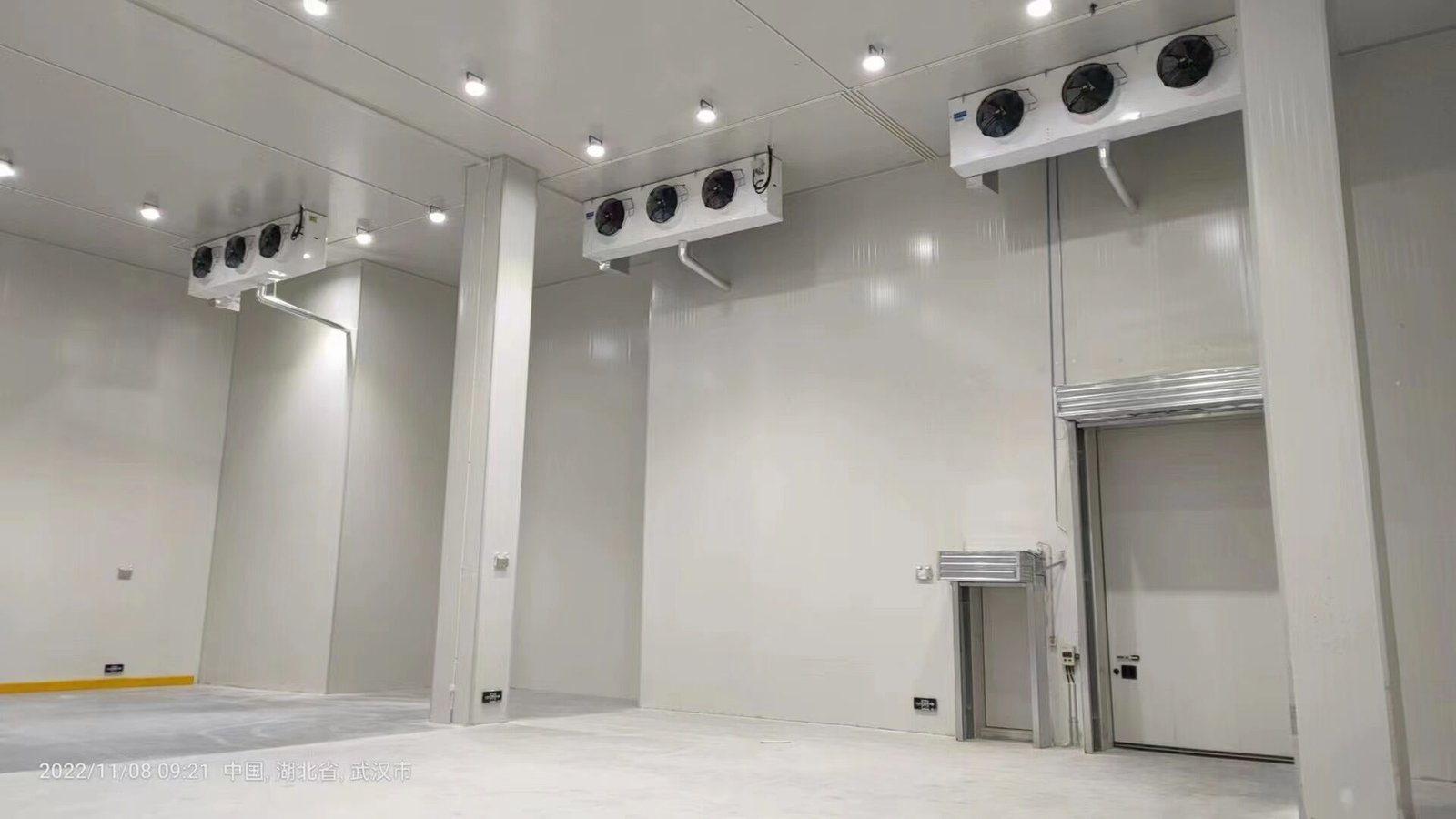
Walk into any plant producing pharmaceuticals, food, or precision electronics, and the air conditioning is doing more than keeping workers comfortable. It’s a critical process parameter. Here, condensation is a targeted tool. The AC unit is deliberately pulling massive amounts of moisture out of the air to prevent product degradation, microbial growth, or humidity-sensitive manufacturing errors.

A client in injection molding, for instance, isn’t just buying an AC unit for worker comfort; they’re buying precise condensation control. Too much humidity, and their molded parts won’t cool consistently, leading to warping and quality rejects. You, as their equipment partner, need to offer systems with robust condensate removal capabilities—think larger drain pans, multiple drainage ports, and pumps with overflow alarms. This isn’t a standard residential split system. You’re selling climate stability. The latest systems for this sector integrate humidity sensors that modulate compressor and fan speed not just on temperature, but on absolute humidity, optimizing the condensation process for both efficiency and precision.
Real-Time Specification Insight: For Q2 2024, leading OEMs are reporting a 17% year-over-year increase in demand for manufacturing-grade ACs with condensate management rated for 24/7 operation at 80% RH. Units without this specification are seeing longer inventory cycles in industrial channels.
Data Center Cooling: Where Every Drop of Condensate is a Threat
This is the zero-tolerance zone. In data halls, condensation isn’t just water; it’s a potential catastrophe hovering above server racks worth millions. The goal here is often to create condensation safely inside the unit while ensuring it never, ever escapes into the room. Precision cooling units (CRACs/CRAHs) for data centers are built with secondary condensate containment pans, epoxy-coated coils to resist corrosion from constant wetting, and redundant condensate pumps with loud, central alarm systems.
When you’re talking to a data center developer or manager, your conversation shifts from “cooling” to “sensible cooling capacity” and “latent heat removal.” They need to know exactly how many liters per hour your proposed unit can condense and drain at their design dew point. The latest trend? Liquid cooling is taking over high-density racks, but for air-cooled aisles, indirect evaporative cooling units that use condensation in a sealed loop are gaining massive traction due to their water efficiency. Your value is in knowing these technologies and matching them to the tier level and PUE (Power Usage Effectiveness) goals of the facility.
The Backbone of Global Cold Chain: Condensation in Transport Refrigeration
From a Shanghai port to a Chicago warehouse, reefer containers and truck units battle extreme condensation daily. The delta between the blazing external environment and the frozen interior is immense, driving aggressive condensation on evaporator coils. For B2B dealers in this space, the discussion is about reliability and duty cycle. Units must be designed to handle rapid frost buildup (which melts into condensate) and have absolutely fail-safe drainage even when the vehicle is tilted.
The real-time data point here is regulatory. With the global push to phase out high-GWP HFC refrigerants (like R404A), new systems using R452A or CO2 (R744) are changing the condensation game. CO2 systems, in particular, operate at much higher pressures, and their efficiency is highly dependent on optimal condensing (in the gas cooler) and managed condensation in the evaporator under transcritical conditions. Your technical knowledge here allows you to guide fleet managers through this transition, emphasizing how the new generation of units manages moisture more effectively, reducing ice buildup and improving fuel efficiency—a direct operational cost saving.
Commercial Real Estate & HVAC Integration: Managing the Byproduct at Scale
For a 40-story office tower or a sprawling shopping mall, condensate isn’t a drop in a pan; it’s a continuous, calculated flow. Modern Building Management Systems (BMS) don’t just monitor temperature; they track condensate pump operation and drain line status. A failed pump can cause a ceiling collapse in a retail space, resulting in massive liability.
Your proposal for a commercial rooftop unit (RTU) or a VRF system must now include details on condensate management as a standard part of the value proposition. Think: stainless steel drain pans with antimicrobial coatings to prevent Legionella and algae, vented drain traps, and the option for condensate recycling systems. In water-scarce regions, clients are actively seeking systems that can filter and repurpose this condensate for non-potable uses like cooling tower makeup water or landscape irrigation. Presenting this can be a major differentiator. According to recent project bids in the Middle East and Western US, specifying condensate recycling can improve bid attractiveness by up to 30% for sustainable construction projects.
Condensate Management Specs: Current Market Benchmarks (2024)
| Application Sector | Key Condensate Concern | Industry Standard Solution | Emerging Trend / B2B Opportunity |
|---|---|---|---|
| Manufacturing | Corrosive atmospheres, high latent load | Heavy-gauge coated drain pans, dual float switches | Integration with process control IoT for predictive drain maintenance |
| Data Centers | Zero liquid escape, 99.999% uptime | Redundant pumps, leak detection rings, sealed cabinets | Condensate utilization for adiabatic pre-cooling of condenser air |
| Cold Chain Logistics | Freezing/clogging in drain lines, vibration | Heated drain pans, oversized drain lines, ruggedized pumps | Telematics monitoring of defrost cycles and condensate flow alarms |
| Commercial HVAC | Scale & biofilm buildup, public health | UV lights in drain pans, easy-access cleanouts, pump alerts tied to BMS | Condensate heat recovery to pre-heat domestic water (in heat pump modes) |
| Healthcare | Sterility, infection control | Sloped pans to complete dryness, copper-alloy components for antimicrobial properties | Dedicated condensate drainage systems with HEPA filtration for isolation rooms |
Professional Q&A for B2B Specifications
Q1: Our client’s facility has highly acidic air from a process. How does this affect condensate management in the AC units we specify?
A: This is critical. Standard galvanized steel drain pans will corrode rapidly. You must specify units with drain pans made from 304 or 316 stainless steel or composite plastics rated for chemical resistance. Furthermore, insist on condensate neutralizer kits installed in the drain line. These use media (like marble chips or magnesium oxide) to raise the pH of the acidic condensate before it enters the municipal drain, preventing pipe corrosion and often meeting local environmental codes.
Q2: For a multi-zone VRF installation, is a separate condensate pump needed for each indoor unit?
A: Not necessarily, but planning is key. VRF systems allow for flexible placement of indoor units. The rule is gravity drainage wherever possible. If the indoor unit’s drain pan is above the designated drain point, gravity will suffice. However, for units installed below the drain line or where routing is impossible without lifts, you must specify a local condensate pump for that specific unit. Always map the entire drainage network during the design phase. Most leading VRF manufacturers offer modular, low-profile pumps designed for their specific indoor units—recommend these for compatibility and reliability.
Q3: We’re seeing more demand for “dry mode” or “dehumidification mode” in commercial projects. How does this differ from normal AC operation regarding condensation?
A: Excellent question. In a standard cooling mode, the primary goal is temperature reduction, with dehumidification (condensation) as a beneficial side effect. In a dedicated dry mode, the system prioritizes dehumidification. It often runs the fan at a lower speed while cycling the compressor to keep the evaporator coil extra cold, maximizing condensation without overcooling the space. This is crucial for museums, archives, or supermarkets where humidity control is paramount but precise temperature is also needed. When specifying, ensure the equipment’s datasheet lists a separate latent capacity (moisture removal in pints/hr or L/hr) and that the unit has a true dedicated dry mode, not just a low fan speed.
Q4: What is the single most common installation error related to condensate that leads to field failures?
A: Unequivocally, improper drain line slope and venting. The drain line must have a consistent downward slope (typically at least 1/4 inch per foot) from the unit to the termination point. Any sag or back-slope creates a trap where water sits, leading to algae growth and eventual clog. Furthermore, near the unit, a properly sized vent (or air gap) T must be installed. This prevents airlock in the drain line, allowing water to flow freely. Omitting this is a guaranteed callback for water leakage. Always include these specifics in your installation guidelines to your contractors.