
Supply Chain Realities: Sourcing Motors That Keep Global Commerce Cool
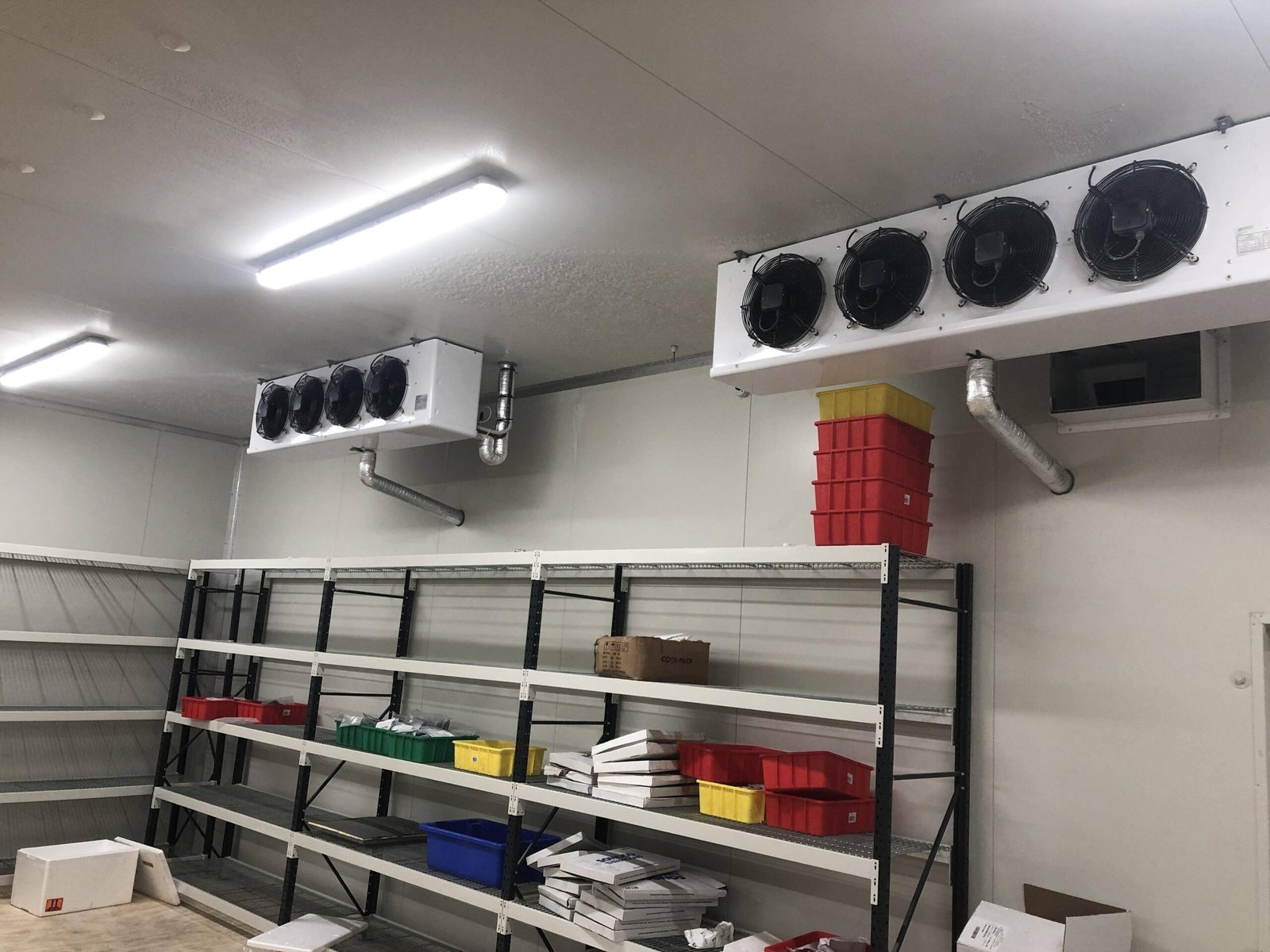
Let’s talk about the two fan motors that make commercial refrigeration and air conditioning possible. You’re sourcing these units for projects from cold storage warehouses in Rotterdam to high-rise office HVAC in Dubai. Knowing the operational and procurement differences between the condenser fan motor and the evaporator fan motor isn’t just technical—it’s critical for your inventory, pricing, and client trust. One battles the harsh outdoor elements; the other works relentlessly in controlled, cold spaces. Their failure profiles, replacement cycles, and the cost of downtime they cause are drastically different.
The condenser fan motor is your frontline soldier. It’s mounted within the condenser unit outside, exposed to sun, rain, dust, salt spray, and extreme temperature swings. Its job is singular: pull ambient air across the condenser coil to dissipate heat from the high-pressure refrigerant. For you as a distributor, this means prioritizing motors built for environmental resilience. Look for specifications like totally enclosed (TEFC) construction, corrosion-resistant coatings (e.g., epoxy or special paints for coastal areas), and high ingress protection (IP) ratings—IP55 or above is becoming a standard ask for outdoor units. The torque requirement is relatively straightforward, but the bearing system must withstand continuous operation and particulate intrusion.

In contrast, the evaporator fan motor lives inside the air handler or refrigeration case. It’s shrouded in cold, often moist air. Its primary enemy isn’t weather, but condensation, frost, and constant moisture cycles. While operating conditions are less abrasive than outdoors, moisture-resistant windings and sealed bearings are non-negotiable. For low-temperature applications (like freezers), you must specify motors rated for sub-zero operation, as standard lubricants can gel. The motor’s performance directly impacts airflow over the evaporator coil, which in turn dictates system efficiency and cooling capacity. A weak evaporator motor leads to poor temperature distribution and coil icing—a common service call.
Technical Specs Decoded: What B2B Buyers Must Verify on Data Sheets
When evaluating these motors, move beyond basic HP and voltage. Here’s what matters for your B2B decision-making.
For Condenser Fan Motors, focus on:
- Thermal Protection: Automatic reset (Klixon) vs. manual reset. Automatic is common, but manual may be specified for critical systems to prevent unattended restart.
- Speed: Typically single-speed, but variable-speed ECM motors are rapidly penetrating the market for high-efficiency systems. Know the compatibility (3-wire vs. 4-wire ECM).
- Frame Type: Rigid base vs. resilient base. Resilient base with rubber cushions reduce vibration and noise, a key selling point for installations near residential areas.
- Rotation: Many are now reversible rotation; the correct rotation direction for the specific blade is critical for airflow and amp draw.
For Evaporator Fan Motors, scrutinize:
- Speed Taps: Multiple speed wires (e.g., High, Medium, Low, Common) allow airflow tuning for different ductwork or case configurations.
- Shaft Type and Length: This must match the existing fan blade (squirrel cage) perfectly. A mismatch causes vibration and failure.
- Mounting Type: Stud mount, belly band, or welded base. Accurate measurement of the old unit is essential.
- CFM Rating: This indicates the air volume it can move against a standard static pressure. Undersizing leads to system performance collapse.
Here’s a quick-reference table for a common 1/3 HP application in a commercial rooftop unit:
| Feature | Condenser Fan Motor (TEFC) | Evaporator Fan Motor (Open Ventilation) |
|---|---|---|
| Primary Enemy | Heat, UV, Rain, Debris | Moisture, Condensation, Frost |
| Typical Enclosure | Totally Enclosed, Fan Cooled | Open, but with moisture-resistant treatment |
| Key Bearing Spec | Sealed, Lubricated for High Temp | Sealed, Lubricated for Continuous Duty |
| Common Failure Mode | Bearing seizure from dirt/heat, winding burnout from overload | Bearing wear from moisture ingress, insulation breakdown |
| 2024 Market Trend | Shift to ECM for ~15% system efficiency gain | Rise of brushless DC motors for precise airflow control & efficiency |
Inventory & Logistics: Managing Two Different Lifecycles
Your stocking strategy for these motors should reflect their real-world failure patterns. Condenser fan motors have a more predictable but environmentally accelerated wear cycle. In regions with severe weather, having a ready stock of common HP sizes (1/4, 1/3, 1/2, 3/4 HP) with standard mounting is smart business. They are often replaced during planned seasonal maintenance.
Evaporator fan motors can be trickier. Their failure can be more sudden and catastrophic for the stored product (e.g., spoiling food in a supermarket case). This makes them a prime candidate for just-in-case stocking, especially for popular models used in common reach-in coolers or specific air handler brands. The variety is greater due to speed taps, shaft sizes, and mounting. Consider creating pre-packaged kits with the matching fan blade for high-volume applications to reduce service time for your clients.
Logistically, condenser motors are bulkier and heavier for the same HP due to their enclosed construction. Factor this into shipping cost calculations. Evaporator motors are generally lighter but more sensitive to physical damage (bent shafts) and require better protective packaging.
The Efficiency Mandate: How Motor Choice Impacts Total System Performance
Global efficiency regulations are tightening. In 2023, the U.S. DOE updated standards for commercial air conditioners; the EU’s Ecodesign Directive pushes for higher SEER and ESEER ratings. The fan motors are low-hanging fruit for compliance.
Upgrading a standard shaded-pole condenser fan motor to a Permanent Split Capacitor (PSC) type can yield a 5-10% efficiency gain. Upgrading further to an Electronically Commutated Motor (ECM) can slash condenser fan energy use by up to 30%. For you, this means offering a tiered product line: standard, high-efficiency, and premium ECM. The same applies to evaporator fan motors, where ECMs provide constant airflow regardless of filter clogging or coil icing, maintaining system efficiency.
Promote motors that meet or exceed IE3 (Premium Efficiency) or IE4 (Super Premium Efficiency) classifications per IEC 60034-30-1. This isn’t just a spec sheet bullet point; it’s a direct value proposition for your B2B clients who are under pressure to reduce their customers’ operating costs and carbon footprint.
Procurement FAQs: Answering Your Direct Questions
Q1: A client needs a condenser fan motor for a coastal installation. What specific features should I insist on?
A: Specify a motor with a marine-grade, corrosion-resistant coating (often a dark epoxy finish). Stainless steel hardware is a must. An IP56 rating or higher will ensure protection against powerful water jets. Recommend a slightly more frequent preventive maintenance schedule due to the aggressive salt environment.
Q2: Can a variable-speed (ECM) evaporator motor be a direct replacement for a traditional PSC motor in a freezer case?
A: Not always directly. While physically interchangeable in some frames, ECM motors require specific control signals or a compatible controller. You must check the freezer’s control board compatibility. The upside is significant: an ECM can maintain optimal airflow during defrost cycles and reduce temperature pull-down time, but the retrofit cost and compatibility must be validated first.
Q3: We see price variances of over 40% for motors with the same HP rating. Where is the hidden differentiation?
A: The difference is in the components and manufacturing. Lower-cost motors may use lower-grade steel for the shaft, less copper in the windings, standard bearings, and thinner housing metal. Premium motors use double-sealed or shielded bearings, vacuum-impregnated windings with Class F or H insulation (for higher temperature tolerance), and dynamic balancing for lower vibration and noise. The cost difference manifests in lifespan, energy consumption, and warranty claims.
Q4: What is the current lead time trend for these motors from Chinese manufacturers in Q3 2024?
A: As of Q3 2024, standard HP, single-phase motors (both condenser and evaporator types) have stabilized, with lead times of 4-6 weeks for standard orders, provided all components are in stock. However, motors requiring specific certifications (like UL, CE with updated directives) or custom shaft lengths may see extended leads of 8-10 weeks. The supply chain for electronic components for ECM motors is more fluid than in previous years but remains susceptible to fluctuation. Always confirm with the factory regarding the status of the controller module.