
HVAC Breakdown: Picking the Right Machine for the Job (Industrial, Commercial, or Residential)
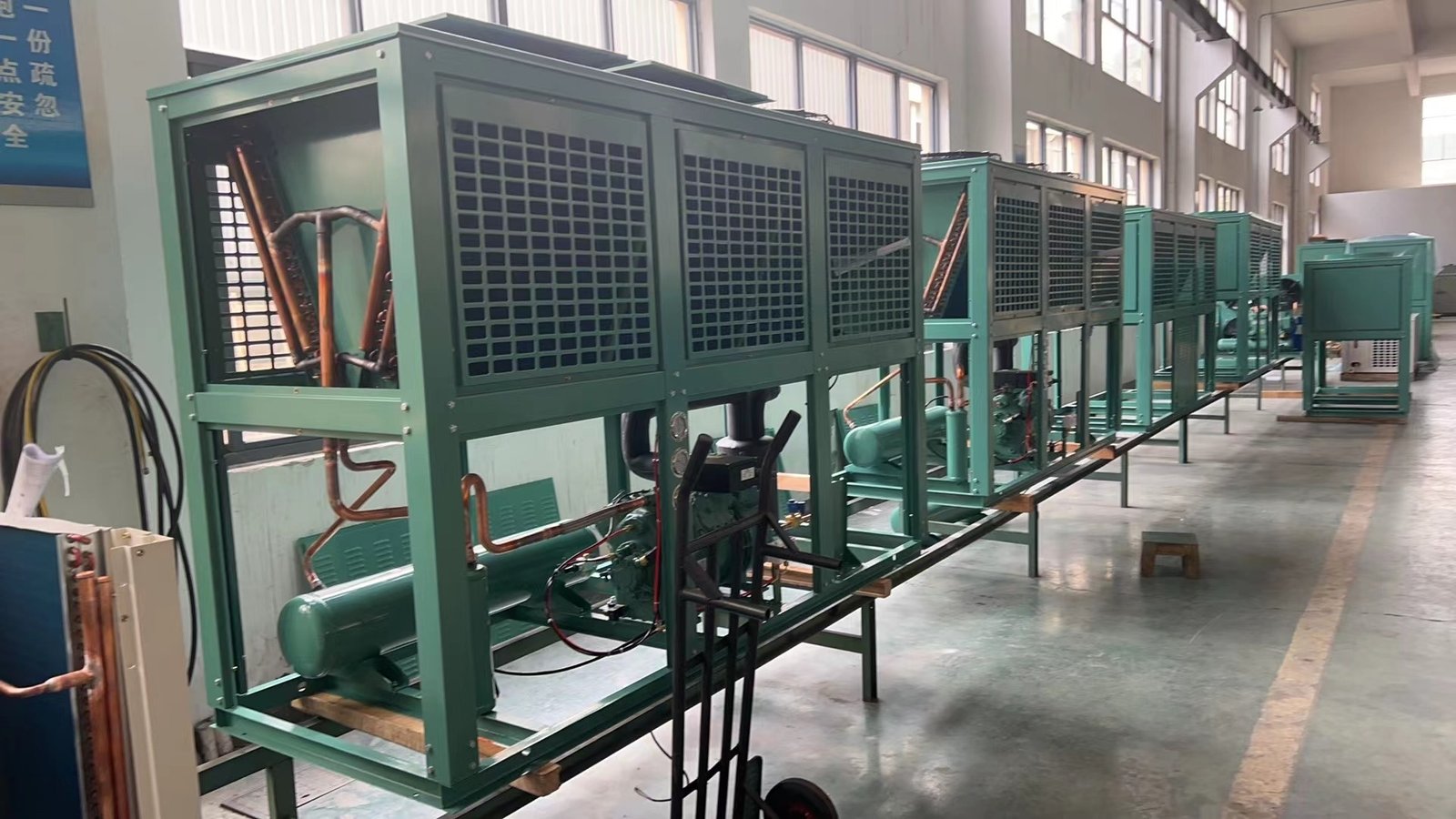
Let’s cut straight to the chase. You’re in the business of sourcing and supplying HVAC equipment. Your clients—be they factory managers, hotel owners, or residential developers—come to you with a temperature control problem. Two core pieces of hardware often come up: the standard air conditioning condensing unit and the heat pump. They look similar on the outside, but the choice between them isn’t about the box itself; it’s about the application, the climate, and the client’s bottom line. Here’s the no-fluff, technical breakdown you need to guide your inventory and sales.

Industrial & Large-Scale Commercial: Where Pure Cooling Power Reigns
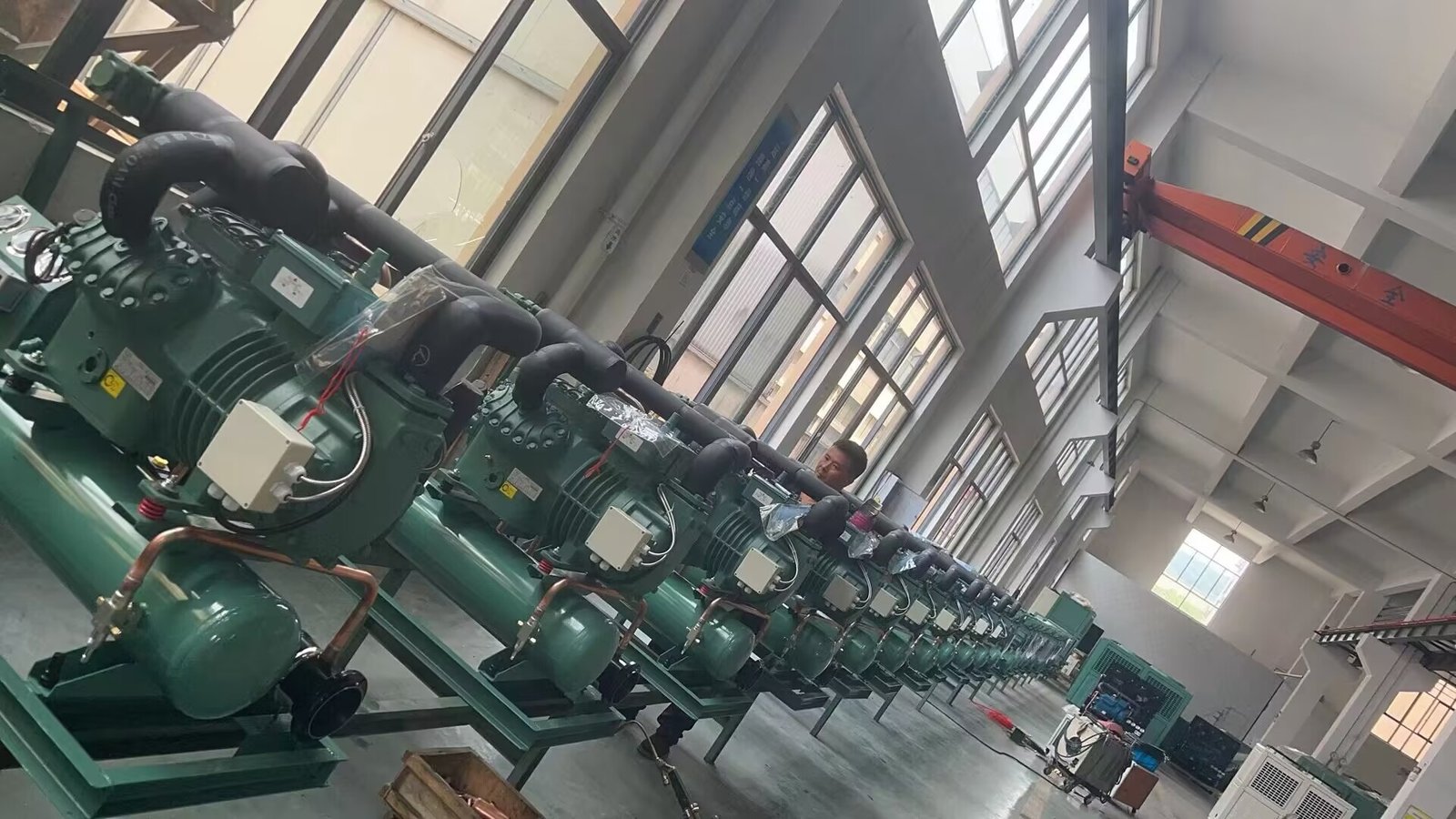
In factories, data centers, pharmaceutical clean rooms, or large-scale process cooling, the primary—and often sole—requirement is removing massive amounts of heat, 24/7. This is the undisputed domain of the dedicated air conditioning condensing unit.
Here’s why: These systems are built for one job—rejecting heat from indoors to outdoors—with maximum efficiency and simplicity. An industrial chiller system or a large rooftop AC unit paired with a condensing unit is a workhorse. It operates at peak efficiency for cooling because its components are optimized for a single thermodynamic cycle. There are no reversing valves, no defrost cycles to manage in winter, and less complexity means potentially higher reliability and easier maintenance under heavy loads.
For a B2B dealer, the key metrics here are:
- Tonnage and BTU/hr Capacity: Matching the immense heat load of machinery, servers, or solar gain in large warehouses.
- Energy Efficiency Ratio (EER) and Integrated Energy Efficiency Ratio (IEER): In facilities where cooling runs year-round, even a fractional improvement in EER translates to massive utility savings. The latest ASHRAE 90.1 standards push for higher IEER ratings, so having compliant units is crucial.
- Robustness: Components must withstand harsh environments—chemical exposure, dust, extreme ambient temperatures.
Real-time Data Point: For Q1 2024, demand for high-capacity (20+ ton) condensing units with IEER ratings above 14.0 has seen a 12% increase in orders from data center and manufacturing plant projects in Southeast Asia and the Middle East, driven by new construction and retrofits for energy compliance.
Commercial Retrofits & Mixed-Use Buildings: The Heat Pump’s Flexible Play
Now, shift to a typical commercial scenario: a mid-sized office building, a strip mall, a school, or a hotel. The needs are more dynamic. Spaces need cooling for most of the year but also require heating for mornings and colder months. This is where the modern commercial heat pump becomes a compelling, single-system solution.
A heat pump is essentially an air conditioner that can run in reverse. Using a reversing valve, it absorbs heat from the outside air (even in cold weather) and moves it indoors. For buildings using resistive electric heat or old boilers, the efficiency gains are staggering.
Key considerations for you as a dealer:
- Heating Seasonal Performance Factor (HSPF): This is the critical metric alongside SEER (cooling efficiency). A high HSPF (10+) indicates superior heating efficiency. Modern inverter-driven VRF (Variable Refrigerant Flow) heat pump systems can deliver strong capacity down to -15°C (5°F).
- Lifecycle Cost Analysis: Your value-add is showing the client the total cost picture. While the upfront cost may be 10-20% higher than a cooling-only system + separate heater, the operational savings, especially in regions with moderate winters, can justify the investment quickly.
- Utility Incentives: In many markets (EU, North America, parts of Asia), significant rebates are available for installing high-efficiency heat pumps. Being knowledgeable about these programs closes more deals.
| Feature | Air Conditioning Condensing Unit | Air-Source Heat Pump |
|---|---|---|
| Primary Function | Cooling Only | Cooling & Heating |
| Optimal Application | Constant, large-scale cooling demand (e.g., data centers, factories). | Spaces with balanced heating/cooling needs (e.g., offices, retail, homes). |
| Key Efficiency Metric | EER, IEER (Cooling) | SEER (Cooling), HSPF (Heating) |
| System Complexity | Lower | Higher (includes reversing valve, defrost control) |
| Upfront Cost | Lower | Typically Higher |
| Operational Cost | Lowest for cooling-only needs. | Significantly lower for heating vs. electric/resistance systems. |
| Climate Suitability | All climates for cooling. | Broadly suitable; very cold climates may require a hybrid or low-ambient system. |
The Residential & Light Commercial Segment: A Market Transformed
This is the fastest-moving sector globally. For residential subdivisions, apartment blocks, and small businesses, the conversation has decisively shifted towards heat pumps. They are no longer a niche product but the default technology for electrification and decarbonization.
Drivers for you to stock and promote heat pumps here:
- Government Mandates: Numerous countries and municipalities are phasing out fossil fuel (natural gas, oil) heating in new construction. Heat pumps are the standard replacement.
- Consumer Demand: End-users are increasingly aware of energy costs and carbon footprints. A system that provides year-round comfort with high efficiency is a strong selling point.
- Technology Advancements: Cold-climate heat pumps reliably deliver heat at outdoor temperatures as low as -25°C (-13°F), expanding their viable market. Inverter technology improves comfort and efficiency.
The play here is to offer a range. For warm climates where heating is a minor need, a basic heat pump model is perfect. For colder zones, you should be offering and specifying the latest cold-climate models with enhanced vapor injection (EVI) technology. The ability to provide a seamless, ducted or ductless solution gives you a competitive edge.
Real-time Data Point: European heat pump sales grew by an estimated 34% in 2023, with France, Germany, and Italy leading the market. In the U.S., the DOE’s new residential heat pump efficiency standards (SEER2/HSPF2) are now in effect, making the minimum performance of new units significantly higher. Your inventory must comply.
Professional Q&A for Dealers
Q: A client in a region with very hot summers and mild, short winters is building a new hotel. They’re leaning toward a cooling-only system with a simple boiler for hot water and occasional heat. How do I make the case for a heat pump?
A: Focus on total system simplicity and operational savings. A modern VRF heat pump system can provide all-space heating and cooling and can be equipped to handle domestic hot water pre-heating via a desuperheater. This eliminates the separate boiler system, freeing up mechanical room space and reducing maintenance contracts. The marginal cost of the heat pump function is low compared to installing two separate systems. Run the numbers showing the ROI on heating their pool, common areas, and water with the heat pump versus a gas boiler, especially considering volatile fossil fuel prices.
Q: For an industrial client, they’re concerned about heat pump reliability for critical process cooling. Are those concerns valid?
A: Yes, and in that context, a dedicated cooling system is often the correct engineering choice. The added complexity of the reversing valve and defrost cycle in a heat pump introduces more potential failure points. For a 24/7 process that cannot tolerate any deviation in cooling capacity, the robustness and singular focus of a high-quality condensing unit paired with a chiller or AHU is safer. Recommend heat pumps for office/admin areas of the plant, but stick with purpose-built cooling for the core process.
Q: What’s the single most important specification I should compare across brands when sourcing units for my inventory?
A: For both AC units and heat pumps, full-load and part-load efficiency ratings are king. Don’t just look at the headline SEER or EER. Dig into the performance data at specific temperatures (e.g., 35°C/95°F for cooling, 8°C/47°F and -8°C/17°F for heating). The unit with the best-rated efficiency might see a significant drop-off at part-load or extreme temperatures. The brand that provides transparent, detailed performance curves across the entire operating range is offering a more reliable and efficient product. This data is what your technically-minded B2B clients will ask for.