
Data Center’s Cool Calculation: How Condenser Choices Reshape Commercial Procurement
Let’s cut straight to the chase. You’re a B2B dealer, distributor, or procurement specialist sourcing cooling systems for projects ranging from boutique hotels to sprawling manufacturing plants. The condenser—the heart that releases heat from any AC system—is where your key decision pivots. The choice between a Central AC condenser and a Window AC condenser isn’t just about cooling; it’s about infrastructure commitment, operational cost, and long-term value for your end-clients. Here’s the raw, unvarnished breakdown.
Installation & Spatial Footprint: The First Cost vs. Long-Term Play
Think about the sites you supply: a new office block in Dubai, a hospital wing in Berlin, a server farm in Singapore. Each has unique spatial and structural constraints.
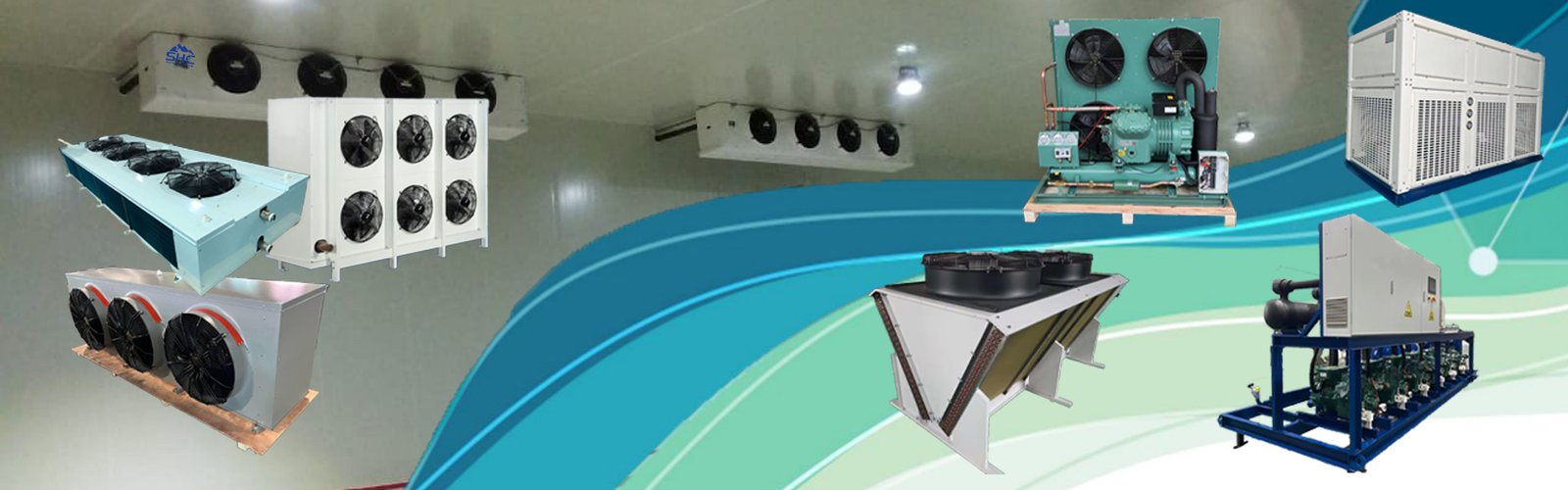
A Central AC condenser is a single, large-capacity outdoor unit. It’s part of a split system connected to indoor air handlers or ductwork. Installation is a project in itself. It requires skilled HVAC technicians for refrigerant line routing, electrical work, and often a concrete pad. The upfront labor and material cost is significant. For you as a dealer, this means supplying not just the unit, but often the associated installation kit (line sets, pads, brackets) and partnering with reliable local installers. The payoff? One unit can cool an entire building seamlessly. For large-scale commercial or multi-family residential projects, this is the only viable, professional-grade option. The spatial demand is external and consolidated.
A Window AC condenser is an all-in-one package. The heat rejection coil, compressor, and fan are integrated into a single box that slots into a window or a through-wall sleeve. Installation is plug-and-play: minimal technical skill required, just a sturdy mounting and a standard power outlet. For you, this translates to lower logistical complexity. You’re shipping a complete product. It’s the go-to for retrofitting old buildings, cooling individual retail units, temporary site offices, or student housing where structural modification is prohibited or too costly. The footprint trade-off? It consumes window/wall space and creates noise and aesthetic impact on the occupied room itself.
Energy Efficiency & Operational Cost: The Numbers That Close Deals
Your clients are increasingly demanding total cost of ownership data. This is where condenser technology diverges dramatically.
Modern Central AC condensers are efficiency powerhouses. They often utilize scroll compressors and variable-speed fans (ECM motors) paired with sophisticated refrigerants like R-410A or the newer R-32. Their Seasonal Energy Efficiency Ratio (SEER) ratings, especially in inverter-driven models, can exceed 20. For a 5-ton (60,000 BTU/h) unit running 12 hours daily in a hot climate, the annual electricity cost can be less than half that of multiple window units delivering the same total cooling capacity. This high efficiency is a major selling point for property developers and facility managers focused on ESG (Environmental, Social, and Governance) goals and long-term utility savings.
Window AC condensers have made strides but operate within physical limits. Their single-speed compressors and smaller coils generally result in lower EER (Energy Efficiency Ratio) ratings, typically ranging from 8 to 12. They are most efficient at full load but lack the part-load efficiency of inverter central systems. For a dealer, this means positioning them for applications with intermittent, zone-specific cooling needs where their lower upfront cost offsets higher running costs. However, in regions with high electricity prices, this calculation is shifting fast.
Comparative Operational Cost Snapshot (Based on 2023 Q4 avg. commercial electricity rate: $0.15/kWh)
| Application Scenario | Solution | Est. Total Cooling Capacity | Estimated Annual Run Hours | Seasonal Efficiency | Estimated Annual Operating Cost |
|---|---|---|---|---|---|
| Small Hotel (10 Rooms) | 10 x High-Efficiency Window ACs | 60,000 BTU/h | 1,800 | CEER 12 | ~ $1,350 |
| Small Hotel (10 Rooms) | 1 x 5-Ton Central AC Condenser | 60,000 BTU/h | 1,800 | SEER 20 | ~ $810 |
| Single Retail Store | 1 x Large Window AC | 12,000 BTU/h | 2,400 | CEER 11 | ~ $470 |
| IT Server Room | 1 x Precision Central Condenser | 36,000 BTU/h | 8,760 | SEER 16 | ~ $3,450 |
Maintenance, Lifespan, and Lifecycle Value
This is the backend of your business—spare parts, service contracts, and replacement cycles.
A Central AC condenser, being a dedicated external unit, is generally easier for technicians to access and service. Its components—capacitors, contactors, fan motors—are standard and replaceable. With proper biannual maintenance (cleaning coils, checking refrigerant levels), a quality commercial-grade unit can last 15-20 years. For you, this opens a recurring revenue stream through maintenance agreements and filter sales for the entire system. It builds long-term client relationships.
A Window AC condenser’s integrated design makes major repair less economical. Access is more awkward, and a failed compressor often means replacing the entire unit. Average lifespan under heavy use is 5-10 years. For a dealer, this means a faster replacement cycle, which is a sales opportunity, but also potential customer satisfaction issues if failure is premature. The business model is more transactional—volume sales of units rather than deep system servicing.
Market Trends & Sourcing Intelligence for 2024
Your procurement needs real-time data. Here’s the current landscape:
- Smart Integration Demand: B2B buyers now ask about connectivity. Central systems with BMS (Building Management System) compatibility via Modbus or BACnet are standard asks for new constructions. Even in the window unit segment, there’s growing demand for commercial-grade models with Wi-Fi for centralized management in multi-tenant buildings.
- Refrigerant Transition: The global phasedown of HFCs is accelerating. R-454B and R-32 are becoming the new standards. Top manufacturers are already shipping units with these lower-GWP refrigerants. Ensure your supply chain is ahead of this curve to avoid obsolescence.
- Resilience Features: In regions with power fluctuations or extreme heat, features like hard-start kits, corrosion-resistant coatings (e.g., Blue Fin), and high ambient temperature operation (up to 55°C/131°F) are no longer premium but necessary. These specs directly impact warranty claims and end-client satisfaction.
- Regional Compliance: Stock varies. EU dealers must prioritize ErP-directive compliant, high-efficiency models. North America focuses on SEER2 and DOE new standards. Middle East and Asia require units built for high ambient conditions and dust. Your inventory must be region-specific.
Strategic Sourcing Guide for the Global Dealer
Your role is to match the right technology to the project. Here’s your cheat sheet:
When to Stock and Push Central AC Condensers:
- New Construction Projects: This is your primary market. Engage with HVAC consultants and engineers early.
- Major Renovations: Where walls are open, and ductwork or piping can be installed.
- Clients with Centralized Facilities Management: Universities, hotel chains, corporate campuses.
- High Heat-Load Applications: Server rooms, commercial kitchens, manufacturing spots.
- Key Ask: “Can you provide a complete packaged solution including air handlers or ducted units?” Offer bundled pricing.
When Window AC Condensers are the Smarter Inventory Play:
- Historical Building Retrofit: Where altering the facade or structure is restricted.
- Modular & Temporary Structures: Construction sites, portable classrooms, pop-up retail.
- Supplemental or Zoned Cooling: Cooling a server closet within an office, adding AC to a single non-ducted room.
- Budget-Conscious, Quick-Turnaround Projects: Low-income housing, small business grants.
- Key Ask: “Do you need a through-the-wall sleeve model for a cleaner installation?” Upsell the installation accessory.
- Procurement Logistics:
- Central Units: Ocean freight (LCL/FCL) is standard. Palletize securely. Consider stocking common replacement parts (boards, motors) separately.
- Window Units: Can move via air freight for urgent orders due to smaller size. Ensure packaging protects the critical condenser coil from transit damage.
Professional Q&A
Q1: For a multi-story apartment building retrofit, a client wants individual metering and tenant control. Is a central system still feasible?
A: Absolutely. Look into VRF (Variable Refrigerant Flow) systems or central chillers with fan coil units (FCUs) in each apartment. Each indoor unit can be individually metered and controlled via a tenant thermostat, while the central condenser(s) operate on shared building infrastructure. This offers the efficiency of a central plant with the billing fairness of individual units. For simpler projects, high-grade ductless mini-split multi-zone systems (one outdoor unit serving several indoor heads) can also be a solution, though for larger scales, VRF is the commercial standard.
Q2: We see a trend in some markets towards “compact central” or “mini” central condensers. What’s the target application?
A: This is a growing niche targeting the gap between large residential and small commercial. These are units typically from 3 to 10 tons, with a smaller footprint and quieter operation than traditional commercial units. They are perfect for large luxury homes, small boutique hotels, restaurant chains, dental clinics, or small office blocks. For dealers, this means you can cater to the high-end residential and light commercial market with a product that has the serviceability and efficiency of a central system, without the massive scale.
Q3: What are the critical certifications we should verify when sourcing condensers for the EU and North American markets?
A: This is non-negotiable for compliance and liability.
- EU & UK: CE marking is mandatory. Specifically, check compliance with the ErP Directive (EU) 2016/2281 for eco-design and energy labeling. Units must have an energy label (A+++ to G). ROHS compliance for hazardous substances is also required.
- USA & Canada: Look for ETL (Intertek) or UL (Underwriters Laboratories) listing for electrical safety. AHRI (Air-Conditioning, Heating, and Refrigeration Institute) certification verifies the performance ratings (SEER, EER) are accurate and independently tested. DOE (Department of Energy) compliance for minimum efficiency standards is a legal requirement.
Q4: From a margin perspective, which product line typically offers better profitability for a distributor?
A: Central AC systems generally offer higher absolute profit margin per unit sold due to the higher sale price and the potential for add-on sales (installation kits, controls). The business is also more relationship-driven, leading to repeat project business. Window AC units operate on thinner percentage margins but higher inventory turnover. The profit model is volume-based. A balanced portfolio is ideal: use central systems for project-based high-value deals and reliable annuity income from service, and use window units for consistent cash flow and to serve a broader, price-sensitive customer base.