
Architecting the Cool: How Modular Cold Chain Units Build Industry-Specific Competitive Edge
So you’re sourcing cold storage units. Not for your groceries at home, but for a business that depends on precise, reliable, and scalable temperature control. The game has shifted. It’s no longer just about “keeping things cold.” Today, a “cool unit” is a strategic asset. Its design, technology, and integration directly impact your operational costs, product integrity, and ultimately, your bottom line. Let’s cut through the jargon and talk about how modern, modular cold chain solutions are engineered to meet the complex demands of different industries.
Engineering for the Fresh Food Frontier: Beyond Basic Preservation
In global food export-import, the challenge is absolute. A container of Norwegian salmon, a shipment of Kenyan avocados, or a pallet of Belgian chocolate – each has a narrow tolerance window. A single temperature deviation can mean massive financial loss and damaged reputations.
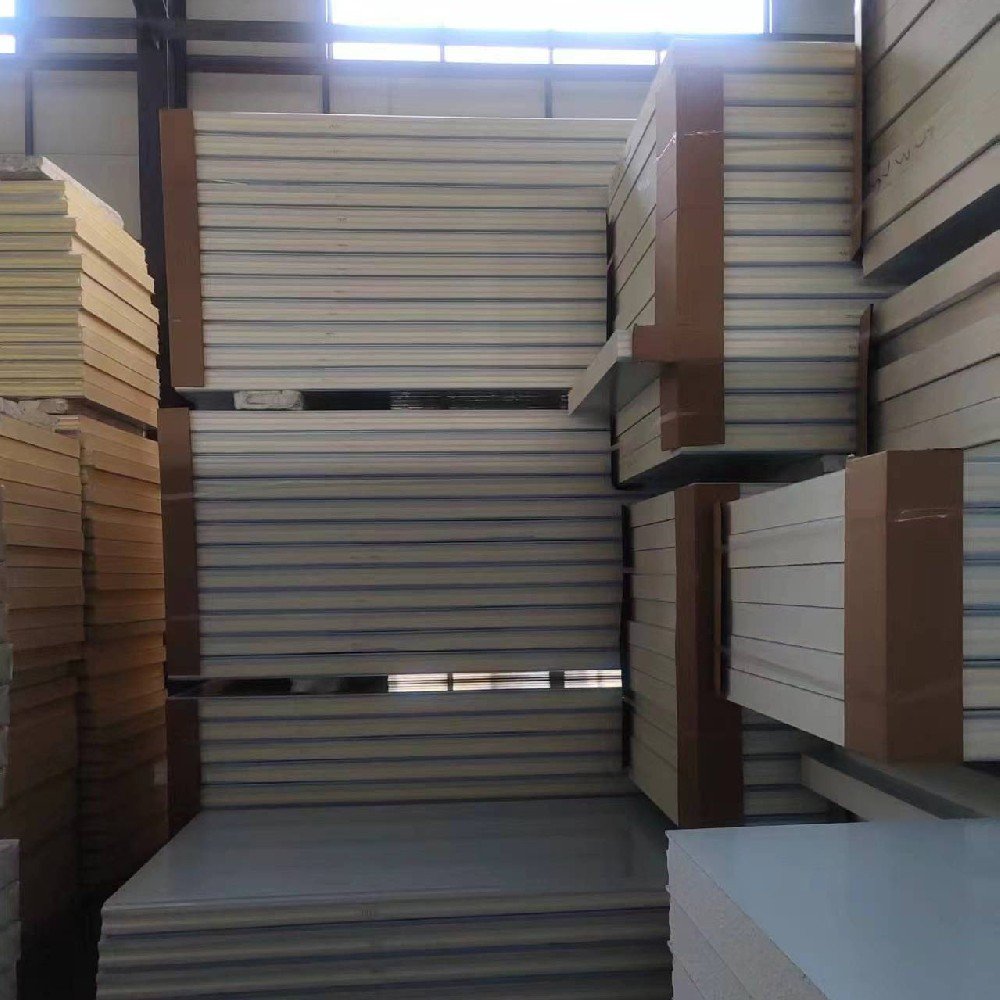
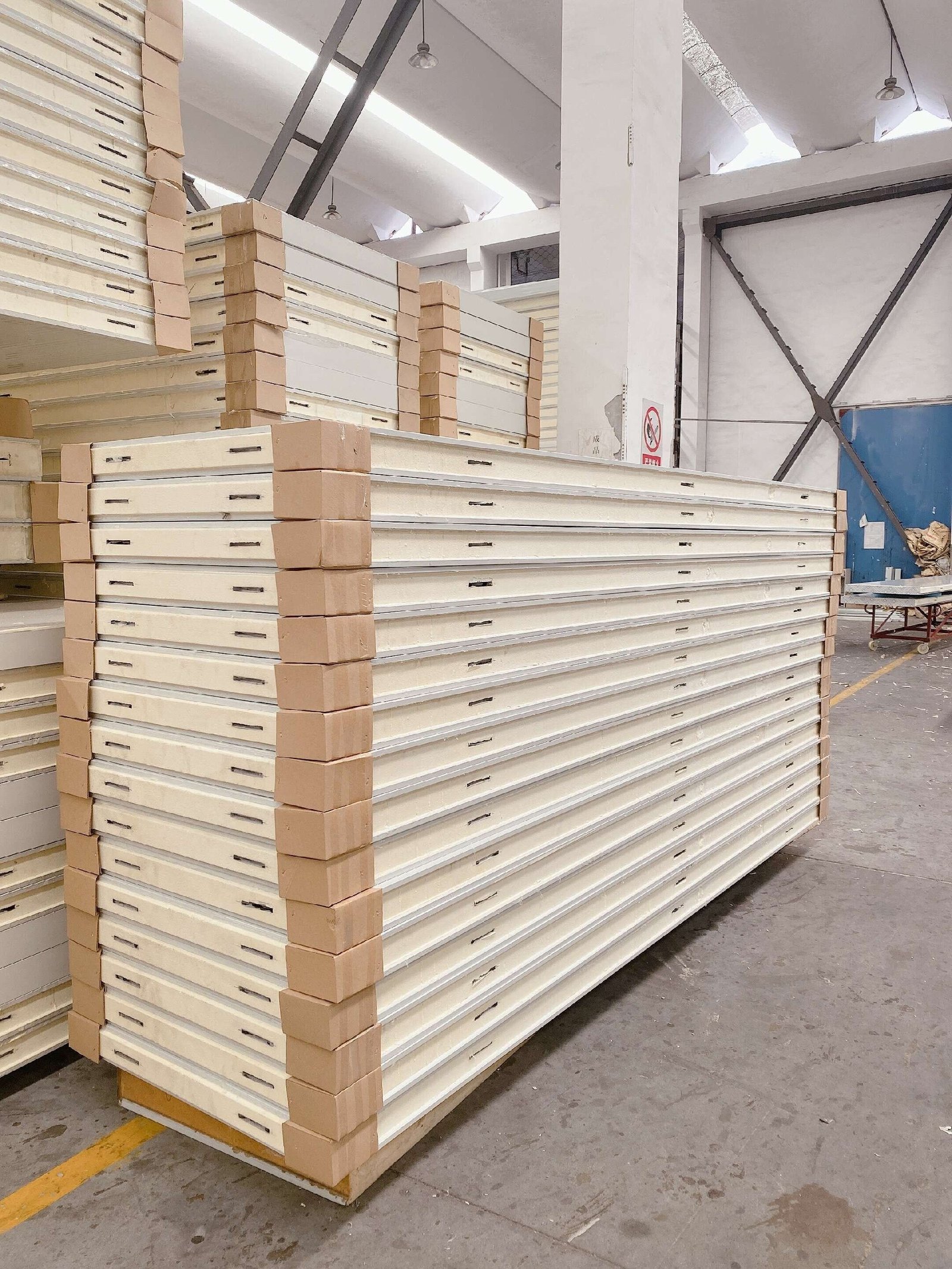
Modern cold units for this sector are built on data. It starts with precision. We’re talking multi-zone units capable of maintaining +4°C for dairy while simultaneously holding a steady -25°C for frozen seafood in an adjacent compartment, all within the same modular framework. The construction uses food-grade, anti-bacterial composite panels with exceptionally low thermal conductivity (K-values below 0.023 W/m·K are now standard for premium models).
But the real intelligence is in connectivity. Real-time monitoring isn’t a bonus; it’s mandatory. Your distributors need to see, at a glance on their phone, the exact temperature and humidity history of that shipment of Japanese Wagyu beef. They need automated alerts if a door seal is compromised or if the compressor cycles outside its normal pattern. This isn’t just about preserving food; it’s about providing verifiable, audit-ready proof of an unbroken cold chain—a critical selling point to end retailers and consumers. The latest systems integrate directly with blockchain-based traceability platforms, allowing a distributor to show the full journey, from farm to foreign port, with climate data at every step.
| Performance Table: High-End Modular Unit for Premium Food Logistics | Parameter | Specification | Industry Impact |
|---|---|---|---|
| Temperature Range | -30°C to +20°C (wide range) | Versatility for mixed cargo; eliminates need for separate dedicated units. | |
| Temperature Uniformity | ±0.5°C at stable state | Prevents localized spoilage, ensures consistent quality of sensitive goods like berries or leafy greens. | |
| Cool-down Speed | From ambient to -20°C in < 90 mins | Reduces energy waste during pre-cooling, allows faster turnaround. | |
| Primary Refrigerant | R-290 (Propane) or R-744 (CO₂) | Future-proof, ultra-low GWP compliance for markets with strict environmental regulations (EU, North America). | |
| Connected Data Points | Temp (multiple probes), Humidity, Door Status, Compressor Runtime, GPS Location | Enables predictive maintenance, reduces insurance premiums, provides chain-of-custody documentation. |
The Pharmaceutical Cold Chain: Where Precision Meets Regulatory Mandates
Here, “cool” is defined by strict compliance. This is about vaccine storage, biologics, insulin, and clinical trial materials. The margin for error is zero. For B2B distributors in this space, the unit is a validated piece of pharmaceutical equipment.
Construction is focused on absolute reliability and documentation. Redundancy is key: dual independent refrigeration circuits, backup power systems, and battery-backed monitoring that lasts for days, not hours. Alarm systems must be failsafe, with escalation protocols that notify multiple personnel via SMS and email immediately upon any deviation.
The interior environment is managed to an exacting degree. For units storing products at +2°C to +8°C (the common vaccine range), air circulation is designed to eliminate any hotspots, often using forced air convection systems with HEPA-grade filtration to maintain a sterile environment. Every component, from the evaporator coil material to the door gasket, must be validated for cleanability and resistance to pharmaceutical cleaning agents.
For distributors, investing in these units means more than just moving product; it’s about acquiring the capability to handle high-value, sensitive contracts. The audit trail generated by the unit’s onboard system is as important as the product itself, satisfying FDA (USA), EMA (EU), and other national health authority requirements.
Industrial & Chemical Logistics: Mastering Extreme and Hazardous Environments
This segment moves beyond “cold” into “controlled atmosphere.” We’re talking about storing specialized chemicals, industrial gases, or certain types of batteries that require very specific, often sub-zero, stable environments to prevent degradation or hazardous reactions.
The engineering here prioritizes robustness and safety. Explosion-proof electrical components (certified to ATEX or similar standards) are non-negotiable for volatile substances. The refrigeration system itself may use specialized secondary loops or cascade systems to achieve ultra-low temperatures (down to -80°C for some laboratory-grade materials) with exceptional stability.
Corrosion resistance is paramount. Panels and internal fittings often use stainless steel or coated alloys to withstand exposure to aggressive chemical vapors. The control system is hardened against electromagnetic interference, ensuring consistent operation in busy industrial ports or next to heavy machinery. For a distributor specializing in industrial materials, offering this level of specialized, safe transport is a powerful market differentiator, opening doors to contracts in aerospace, advanced manufacturing, and energy sectors.
The Tech and Data Center Cooling Niche: Uninterrupted Performance
This is an often-overlooked but rapidly growing application. Modular cold rooms are deployed on-site at telecom hubs, edge data centers, and server farms to provide backup or supplemental cooling for critical IT infrastructure. The requirement isn’t about food safety, but about preventing million-dollar downtimes.
The focus is on 24/7/365 reliability, incredible energy efficiency (which directly translates to lower OPEX for the client), and precise humidity control to prevent static discharge. These units are often paired with advanced fluid cooling systems. They’re designed for low acoustic noise if located near office spaces and feature seamless integration with Building Management Systems (BMS), allowing data center managers to control climate as part of their holistic infrastructure dashboard. For a distributor, understanding this application allows you to cross-sell into the high-margin tech infrastructure market, moving beyond traditional perishable goods.
Sustainable Agriculture and Seed Banking: Protecting Genetic Futures
At the intersection of agriculture, science, and global security are seed banks and genetic repositories. These facilities store the world’s crop diversity, often requiring long-term storage at -18°C (for active collections) or -196°C in liquid nitrogen (for base collections).
Modular cold units provide the scalable, reliable solution for active seed banks. The emphasis is on long-term stability and energy conservation. Ultra-efficient vacuum-insulated panels (VIPs) might be used to achieve maximum thermal resistance with thinner walls, maximizing storage space. Redundant systems with automatic failover are standard. Perhaps most crucially, these units are designed for very low temperature fluctuation, as even minor freeze-thaw cycles can damage seed viability over decades.
For agri-business distributors, this represents a niche but mission-critical and prestigious vertical. Supplying equipment that safeguards global food security projects builds immense brand credibility and positions your company as a technical partner, not just a vendor.
Q&A for the Global B2B Distributor
Q: We operate in regions with unstable power grids. What features should we prioritize when selecting units for our clients?
A: Prioritize units with built-in high-capacity battery backups for the controller and alarm system (72+ hours is now a realistic benchmark). Look for models compatible with auto-start diesel generators. Fundamentally, choose compressors with soft-start technology that reduces inrush current, protecting the compressor from frequent hard starts during power flickers and extending its lifespan significantly.
Q: Total Cost of Ownership (TCO) is a major concern for our customers. Beyond the purchase price, where do modern units save money?
A: The biggest savings are in energy consumption and maintenance. Focus on:
- Compressor Efficiency: Inverter-driven compressors can reduce energy use by 30-40% compared to fixed-speed ones by modulating output to match the exact load.
- Eco-friendly Refrigerants: Gases like R-290 (Propane) are not only low-GWP but are often more thermodynamically efficient, leading to lower running costs.
- Predictive Maintenance: Connected units that monitor compressor run cycles, condenser health, and filter status can alert you to service needs before a failure, preventing costly downtime and catastrophic spoilage events.
Q: How do we navigate the differing environmental regulations (F-Gas, EPA) across the markets we serve (EU, USA, Middle East, Asia)?
A: This is crucial. The simplest strategy is to source units that are “future-proofed” with natural refrigerant options like R-290 or CO₂ (R-744). These have negligible GWP and are globally accepted. For synthetic refrigerants, insist on the latest low-GWP options like R-513A or R-454B, which are compliant with current and foreseeable phasedown schedules in most developed markets. A reputable manufacturer will provide clear documentation on the regulatory status of the refrigerant in each unit for your target markets.