So, you’re knee-deep in the world of HVAC distribution, dealing with manufacturers and commercial clients. The question of cleaning an AC unit’s condenser coil isn’t just about home comfort; it’s about protecting substantial commercial investments, ensuring operational continuity, and hitting those strict energy efficiency targets that everyone’s talking about now. Let’s cut straight to the practical, industry-specific know-how that your B2B clients need.
The Manufacturing Floor: Where Downtime Costs Thousands Per Minute
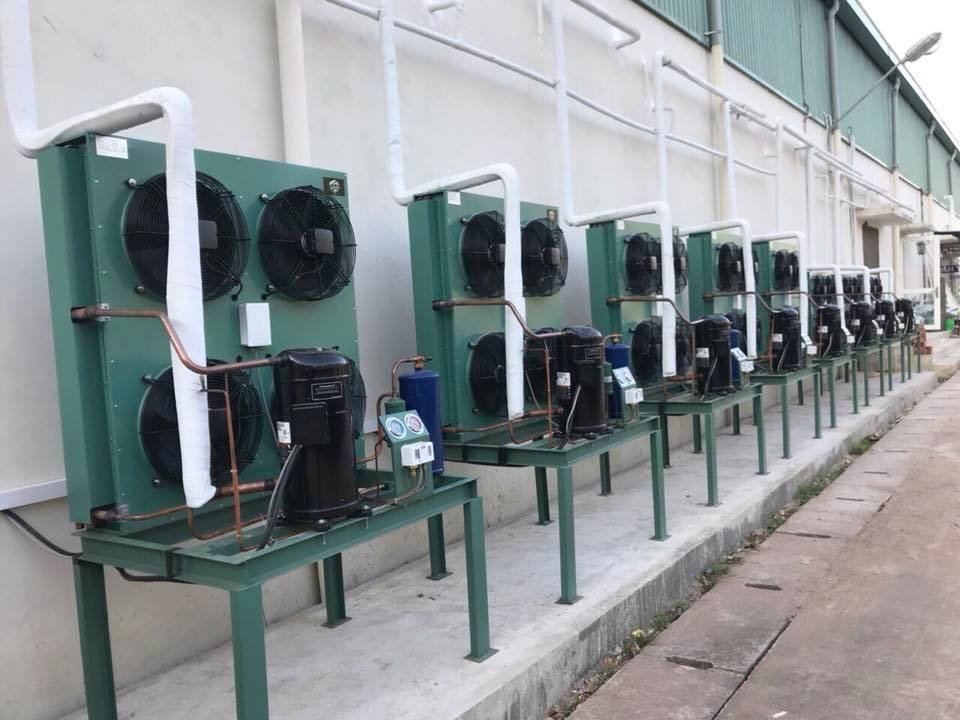
In manufacturing, especially in sectors like plastics injection molding, automotive assembly, or pharmaceuticals, process cooling is the lifeblood. A single chiller or process AC unit failing due to a clogged condenser coil can halt an entire production line. The financial bleed isn’t just from repair costs; it’s from missed orders, idle labor, and scrap material.
Here’s the real talk: A dirty condenser coil can increase compressor energy consumption by up to 30% (according to a 2023 report by the International Energy Agency on commercial HVAC efficiency). In a facility running a 200-ton chiller 24/7, that’s an astronomical and unnecessary utility cost. For you as a distributor, the selling point isn’t the coil cleaner; it’s the predictive maintenance protocol.
The process isn’t gentle. It’s industrial-grade. Power down. Use a commercial-grade fin comb to straighten bent fins before cleaning—airflow is king. Then, apply a heavy-duty, non-acidic coil cleaner (alkaline-based to tackle organic grime like cottonwood, grease, and dust). Let it dwell, but not dry. Rinse with a low-pressure, high-volume water stream from a coil cleaning pump, always perpendicular to the fins to avoid bending them. The goal is restoring factory-specified Delta T (temperature difference) across the coil. Document the before-and-after amperage draw of the compressor and head pressure; these are the metrics your manufacturing clients understand and pay for.
Food Cold Chain & Storage: Defending Against Organic Buildup and Compliance Risks
From massive refrigerated warehouses to food processing plants, condenser coils face a unique enemy: organic matter like flour dust, fish scale, poultry feather, and sugar residue. This isn’t just about efficiency; it’s about food safety compliance (think FDA, SQF, BRCGS). A severely fouled coil becomes a breeding ground for microbes and can lead to inconsistent temperatures, risking spoilage of entire inventory lots.
The cleaning regimen here is both frequent and specialized. Biodegradable, enzymatic coil cleaners are often preferred as they break down organic fats and proteins without harsh chemical residues. Pressure washing is common, but the emphasis is on scheduled, documented cleaning cycles—often quarterly or even monthly during high-production seasons. For your clients in this sector, frame the service as part of their HACCP (Hazard Analysis Critical Control Point) plan. A clean coil ensures precise temperature control, a critical control point in any food safety protocol. Show them data linking coil fouling to temperature variance. That’s a language of risk and liability they fully comprehend.
Data Centers & Telecom Hubs: Precision Cooling and Zero-Tolerance for Failure
This is the high-stakes arena. A 1°C rise in server inlet temperature due to impaired condenser heat rejection can throttle performance and risk catastrophic failure. These facilities often use computer room air conditioners (CRACs) or chilled water systems with remote condensers on the roof. The coils fight constant exposure to all elements.
The cleaning protocol is mission-critical. On-line cleaning is often non-negotiable; systems can’t be shut down. This requires specialized non-conductive, non-foaming coil sprays and vacuum systems designed to contain effluent. The trend here is integration with Building Management Systems (BMS). As a distributor, you can highlight condenser coils equipped with continuous pressure drop sensors or infrared thermal imaging ports. This allows for condition-based cleaning, not just a calendar schedule. The value proposition shifts from selling a cleaning service to selling system resilience and uptime assurance. Recent data from Uptime Institute (2024) indicates cooling-related failures still account for ~35% of data center outage incidents, making this a top-of-mind concern for your clients.
Hospitality and Healthcare: Quiet Efficiency and Guest/Patient Comfort
Large hotels and hospitals run their HVAC systems relentlessly. The challenge is twofold: maintaining peak efficiency to manage staggering utility bills and ensuring quiet operation. A compressor straining against high head pressure from a dirty coil is noisy and annoying.
The approach here balances thoroughness with discretion. Cleaning often happens during seasonal shoulder months. Foaming coil cleaners are useful as they expand and cling to vertical coil surfaces, loosening deeply embedded dirt. A thorough rinse is paramount to prevent acidic residue from accelerating corrosion. For these clients, the conversation is about Life Cycle Cost (LCC) and noise level dB(A) guarantees. A well-maintained condenser extends compressor life—the most expensive component—by years. Present them with a simple cost-benefit analysis: the minor, scheduled expense of professional coil cleaning versus the five-figure cost of a compressor change-out and the associated guest complaints or patient discomfort during a system failure.
Laboratory and Controlled Environments: Purity and Stability Above All
In labs, cleanrooms, and museums, precision environmental control (temperature & humidity) is non-negotiable. Contaminants from a dirty condenser coil being pulled into the airstream is a genuine risk. Moreover, coil fouling directly impairs dehumidification capability—a critical function in many labs.
Cleaning in these contexts is a delicate procedure. Ultra-pure water rinses and VOC-free cleaning solutions may be specified. The process often includes post-cleaning verification of particulate count in the discharge air. For you, the angle with these specialized B2B clients is specification adherence. They need to know that the maintenance protocols for the equipment you supply meet or exceed ISO 14644 (cleanrooms) or ASHRAE Standard 170 (ventilation of health care facilities). Emphasize training and certification for their facility staff or recommended service partners on these specific procedures.
Industry-Specific Condenser Coil Maintenance Snapshot (2024)
| Industry | Primary Contaminants | Critical Risk | Recommended Cleaning Frequency | Key Performance Metric to Monitor |
|---|---|---|---|---|
| Manufacturing | Industrial dust, oil mist, process fibers | Production downtime, energy waste | Quarterly | Compressor amp draw, head pressure |
| Food Cold Chain | Organic fats, proteins, sugars | Food spoilage, safety compliance failure | Monthly/Quarterly | Temperature consistency (variance) |
| Data Centers | General dust, pollen, urban grime | System overheating & outage | Quarterly (or via BMS alerts) | Condenser approach temperature |
| Hospitality | Pollen, leaves, urban soot | Guest complaints, high energy costs | Bi-Annually (Spring/Fall) | System efficiency (kW/ton), noise levels |
| Laboratories | Fine particulates | Contamination, humidity control loss | As per air quality monitoring | Discharge air particulate count, RH% control |
Professional Q&A for B2B Distributors
Q: Our client insists their outdoor units are “fine” and resists scheduled coil cleaning. What’s the most compelling data point to change their mind?
A: Use real-time cost data. Show them the direct correlation between condenser coil fouling and compressor energy consumption. A thermal imaging photo of a hot, struggling compressor next to a clean, efficient one is visually powerful. Quote the 30% potential energy penalty from the IEA. Frame it not as a maintenance cost, but as an energy waste elimination measure with a rapid ROI, often within a single cooling season.
Q: Is water pressure during rinsing really that critical? Can’t facility staff just use a standard pressure washer?
A: Absolutely critical. High-pressure water (above 300 PSI) will irreversibly bend the delicate aluminum fins, creating a permanent airflow restriction worse than the dirt itself. This is a major source of warranty disputes. Recommend and supply coil cleaning pumps that deliver high volume at low pressure (around 150-200 PSI). This protects the asset and ensures the cleaning delivers genuine benefit, not hidden damage.
Q: With global supply chain issues, some clients are running equipment harder and delaying maintenance. What’s the realistic risk timeline?
A: It’s accelerated. Heavily fouled coils cause the compressor to operate at elevated temperatures and pressures. This leads to oil breakdown and accelerated wear. While a catastrophic failure might take 12-24 months of neglect, efficiency degradation begins immediately. Within one season, they could be paying 15-20% more in energy for the same cooling output. The risk is both a sudden capital expense (compressor burn-out) and a persistent, hidden operational expense (wasted energy).
Q: Are there any new technologies in coil cleaning we should be aware of as distributors?
A: Yes. Two are gaining traction in commercial markets: Automated, on-line cleaning systems that use misting nozzles to periodically rinse coils without shutdown, ideal for data centers and continuous process industries. Secondly, nanoscale hydrophilic coatings are being offered by some manufacturers. When applied after a deep clean, these coatings cause water to sheet off, taking dirt with it and significantly slowing the rate of fouling. This adds value to your service offering.