
The UK’s Industrial Heartbeat: A Supplier’s Guide to Hidden Opportunities
So you think you know the UK? Red buses, historic castles, and afternoon tea. For a B2B supplier or distributor, that postcard image is about as useful as a chocolate teapot. The real United Kingdom is a complex, modern, and evolving industrial landscape. For global manufacturers and exporters, understanding its current economic pulse, sectoral demands, and logistical nuances isn’t just interesting—it’s critical for winning contracts and building lasting partnerships. Let’s bypass the tourist trails and tune into the data driving commercial decisions.
The UK’s Import Appetite: Reading Beyond the Headlines
The UK is a massive import economy. The total value of goods imported in 2023 was over £700 billion. But where’s the money actually flowing? It’s not uniform.
Forget the vague idea of “selling to the UK.” You need to know which docks your goods are likely to land at, both literally and figuratively. The UK’s top imports tell a story of a high-value, service-leaning economy with significant manufacturing gaps—which are your opportunities.
| Product Category | 2023 Import Value (Approx.) | Key Source Countries | Opportunity Insight for Suppliers |
|---|---|---|---|
| Machinery & Mechanical Appliances | £110 billion | Germany, China, USA | This is the biggest slice. It includes everything from specialized industrial parts to consumer electronics. Precision, reliability, and tech-integration are key. |
| Vehicles & Parts | £85 billion | Germany, Japan, Slovakia | Electric vehicle components, lightweight materials, and advanced automotive electronics are growth areas beyond traditional parts. |
| Pharmaceuticals | £60 billion | Belgium, Germany, USA | The NHS is a colossal buyer. Opportunities exist in generics, medical device components, and packaging. Regulatory compliance is non-negotiable. |
| Electrical Machinery & Equipment | £55 billion | China, Germany, Netherlands | This overlaps with green tech. Think inverters for solar, components for HVAC systems, and power management solutions. |
| Mineral Fuels & Oils | £50 billion | Norway, USA, Saudi Arabia | While still large, the long-term trend is down. The opportunity here is in supporting the transition: components for LNG, hydrogen storage, etc. |
What does this mean for you? If you’re a machinery maker, your German competitors are deeply entrenched, but competition on total cost of ownership and after-sales service can win business. The pharmaceuticals import bill highlights a dependency that creates openings for reliable API or packaging suppliers. The consistent theme? The UK doesn’t just buy finished goods; it buys the components and raw materials to sustain its own advanced manufacturing and construction sectors.
High-Growth Sectors Where Demand is Heating Up (And Cooling Down)
Several UK industries are on a rapid expansion path, each with specific supply chain needs.
Digital Infrastructure & Data Centres. The UK is Europe’s largest data centre market. London, Manchester, and Slough are hubs. This isn’t just about servers. It’s about the critical environmental control. A single large data centre can use millions of litres of water for cooling and require immense, 24/7 precision cooling systems. For a cooling equipment manufacturer, this means demand for highly energy-efficient chillers, advanced containment systems, and liquid cooling solutions. The conversation with a UK data centre operator is about PUE (Power Usage Effectiveness), redundancy, and total lifecycle cost, not just the sticker price.
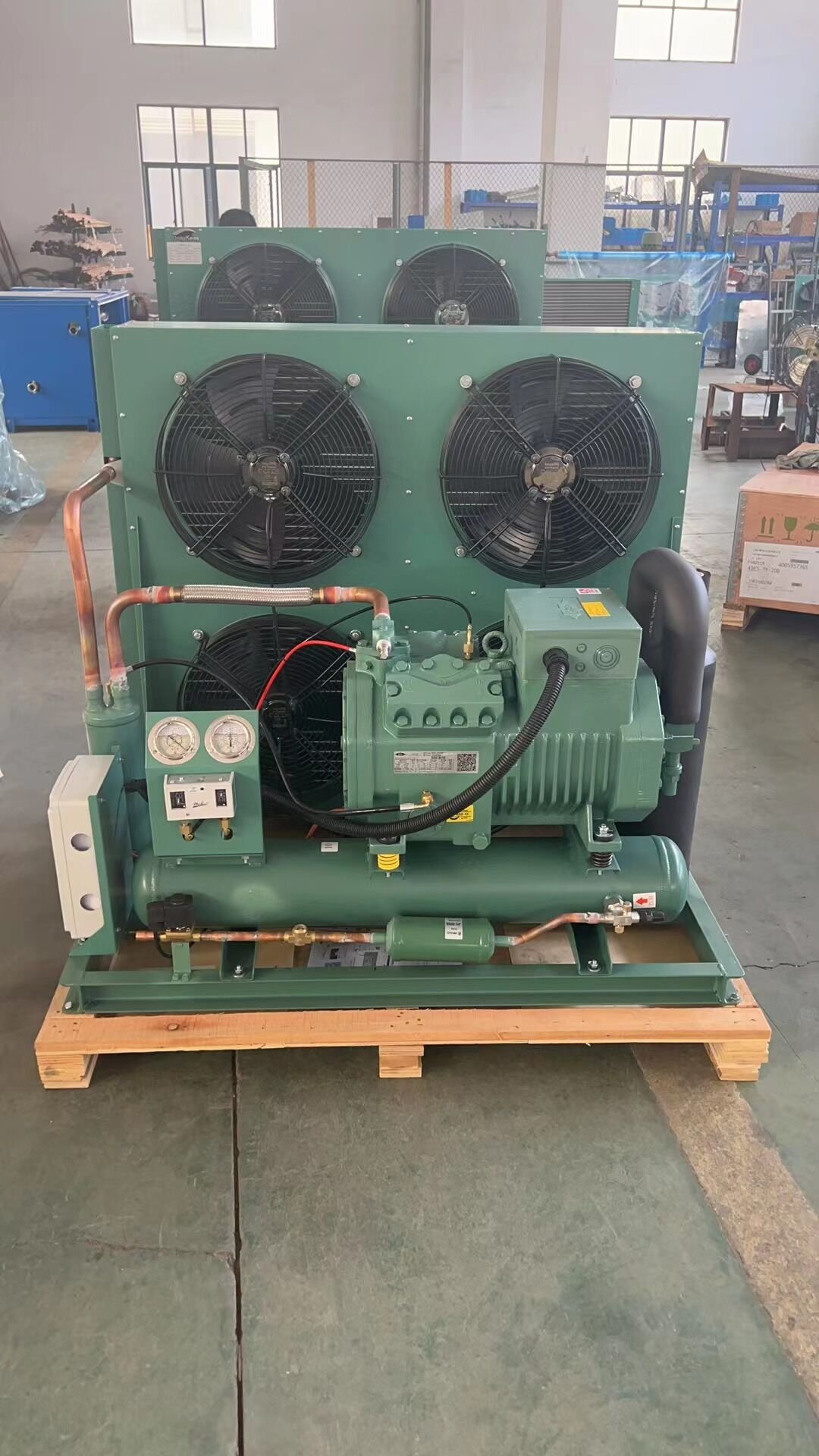
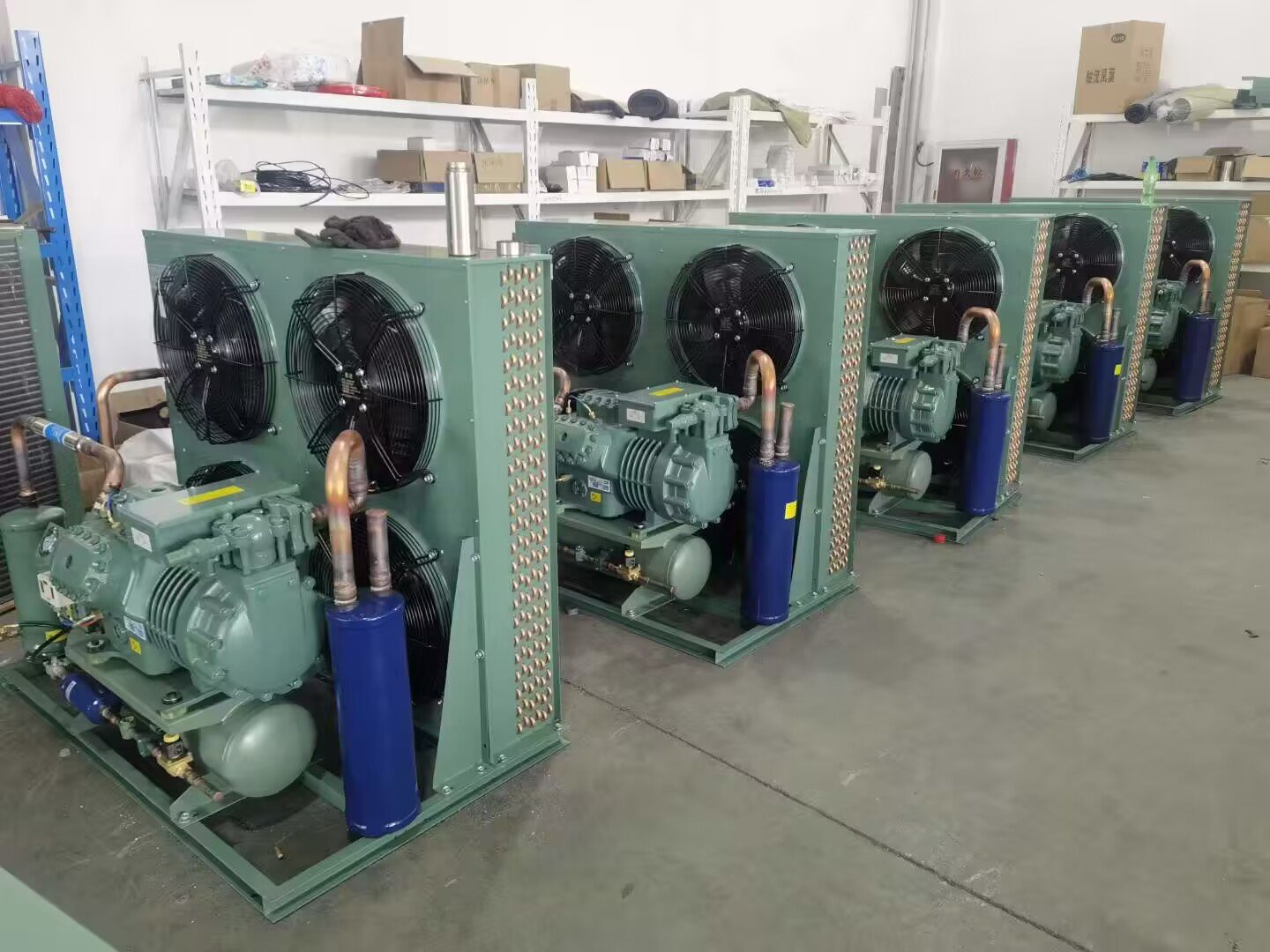
Advanced Food Manufacturing & Cold Chain Logistics. The UK food and drink industry is the largest manufacturing sector by turnover. Post-Brexit, there’s a push for more localized processing and higher-value exports. This drives demand for industrial refrigeration, from massive blast freezers for prepared meals to complex cold storage warehouses. The “farm-to-fork” traceability trend requires seamless, temperature-monitored logistics. Suppliers who can provide integrated cooling solutions with IoT monitoring for real-time temperature tracking are addressing a major pain point.
Renewable Energy & Green Tech. The UK’s legally binding net-zero target isn’t political fluff; it’s directing billions in investment. Offshore wind is dominant, but solar and heat pump adoption are accelerating. This creates parallel demand: specialist HVAC for offshore substations, thermal management systems for battery storage farms, and components for large-scale heat pump installations. The government’s Future Homes Standard will essentially ban gas boilers in new homes from 2025, creating a boom for heat pump manufacturers and their component suppliers.
Navigating the UK’s Supply Chain: Ports, Protocols, and Partnerships
Getting your product to the UK buyer is half the battle. The logistics landscape has changed.
Ports are your entry points, but they’re not equal. Felixstowe and Southampton handle the lion’s share of deep-sea container traffic. London Gateway is growing rapidly with more automated systems. For time-sensitive goods, consider routes via Rotterdam or Antwerp with shorter sea crossings to UK ports like Immingham or Tilbury.
Post-Brexit customs is a fixed reality, not a temporary glitch. All goods now require full customs declarations. The key document is the UK Import Declaration. Your UK-based importer (distributor) will usually handle this, but you must provide perfect commercial invoices, packing lists, and origin documents. Incorrect paperwork doesn’t just cause delays; it incurs storage charges at ports that can erase your margin. Using a UK customs agent is standard practice for B2B importers.
The “Rules of Origin” requirement is crucial. To qualify for tariff-free trade under the UK’s agreements, you often need to prove a significant portion of your product’s value originated in your country. This requires detailed record-keeping on your part as the manufacturer.
Market Access and the Realities of Doing Business
You can’t just ship and forget. UK B2B buyers expect conformity.
The UKCA marking has largely replaced the CE mark for goods placed on the market in Great Britain (England, Scotland, Wales). Northern Ireland follows different rules (UKNI). For most machinery and electrical equipment, you need UKCA certification. This isn’t a formality; it requires technical documentation and, often, involvement of a UK-based Approved Body for assessment. Factor this time and cost into your market entry plan.
Finding the right partner is everything. The UK has a strong, channel-driven distribution network. Look beyond the first Google result. Attend trade shows like IMHX (Logistics) or Smart Buildings Show. Use LinkedIn strategically to identify key specifiers and procurement managers in target companies. British business culture is direct but relationship-based. Initial communications should be factual and benefit-driven. Once interest is established, expect a period of due diligence—they will check your references, certifications, and financial stability.
Price is important, but it’s not the sole driver. UK businesses value reliability, technical support, and innovation. Be prepared to discuss your R&D pipeline, your mean time between failures (MTBF) data, and the specifics of your warranty and spare parts logistics. Can you deliver a critical part within 24 hours? That’s a powerful selling point.
Q&A for the Practical Exporter
Q: We’re a manufacturer of industrial cooling units. Is the UK market only interested in the cheapest price, or is there room for premium, high-efficiency models?
A: Absolutely there’s room for premium. While price sensitivity exists, the UK’s high energy costs and strong regulatory push for net-zero make total cost of ownership the real metric. A more expensive unit with 30% higher efficiency will win in lifecycle cost analyses conducted by serious facilities managers. Emphasize your energy efficiency ratings, compatibility with low-GWP refrigerants, and smart monitoring features that help users reduce operational expenses.
Q: How has Brexit changed the way we should invoice our UK distributors?
A: Significantly. Your commercial invoice must now be exceptionally detailed and accurate. It must include: the seller and buyer’s full legal addresses, a precise description of goods with HS codes (at least 6-digit), the value in GBP or currency of sale, the country of origin, and the Incoterms 2020 rule agreed (e.g., FOB Shanghai, EXW Your Factory). Missing or incorrect information will cause customs clearance delays. It’s wise to use a pro-forma invoice template that includes all these fields.
Q: What’s the most effective way to find reputable B2B distributors in the UK for technical products?
A: A multi-pronged approach works best. First, leverage your industry associations; they often have international partner networks. Second, use the UK government’s own “Find a Buyer” service on great.gov.uk, which lists UK companies actively seeking international suppliers. Third, search the member directories of relevant UK trade bodies (e.g., the Building Engineering Services Association – BESA). Finally, direct engagement at a major UK trade show remains unbeatable for building trust and qualifying partners face-to-face. Always conduct due diligence: ask for their accounts (available via Companies House), request client references, and understand their technical sales capability.