The Pro’s Guide: When Coolers Become Blowers – A Factory-First Look at ACs Running But Not Cooling
You’re a distributor, and a key client reports a surge in returns: units are running, fans are spinning, but cold air? Nowhere to be found. This isn’t just a homeowner’s headache; it’s a direct hit to your bottom line and reputation. Let’s cut through the basic consumer advice and talk shop from the manufacturing floor out. Here’s what’s really happening inside those units and how to diagnose it like a pro.
H2: The Heart of the Matter: Compressor and Refrigeration Cycle Failures
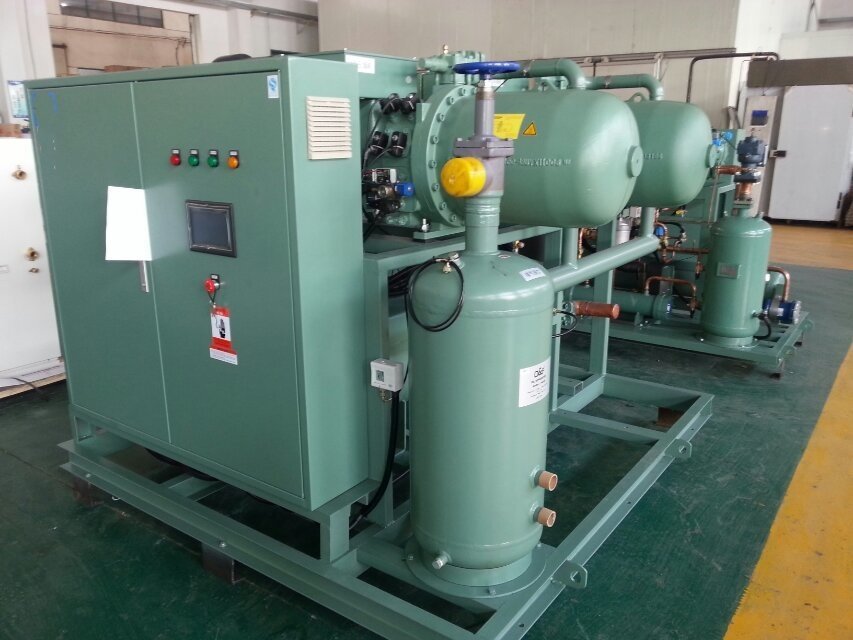
The compressor is the pump, and the refrigerant is the lifeblood. If the system’s not cooling, this cycle is broken. Forget “topping off refrigerant” as a solution. Refrigerant doesn’t get “used up.” A low charge means a leak—period. For you as a B2B partner, this is a critical quality checkpoint.
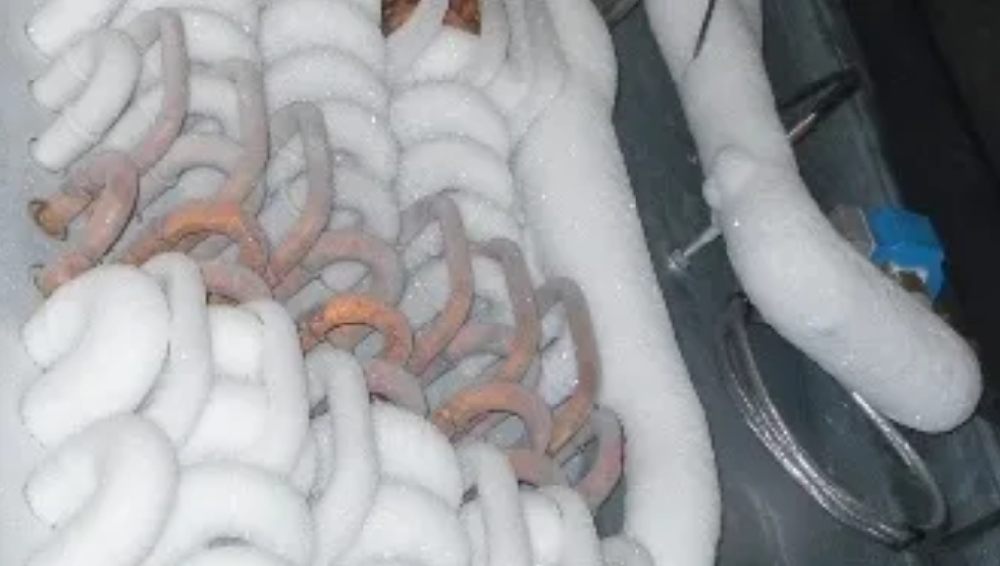
- Low Refrigerant Charge: This is the #1 culprit in non-cooling calls. Symptoms include ice on the evaporator coils (indoor unit) and a hissing sound. A system 15% low on refrigerant can lose up to 15% of its cooling capacity. The real cost isn’t the gas; it’s the labor to find and braze the leak, evacuate the system, and recharge. For your inventory, units with consistently reported leaks might point to a specific batch with faulty solder joints or valve cores.
- Compressor Failure: The compressor might be running but not pumping effectively. Listen for a hum without the characteristic “click” into operation, or check amp draw with a clamp meter—it will be abnormally low. Compressor failure rates spike during extreme heat waves due to sustained high pressure and temperature. According to 2023 HVAC industry field data, compressor failures account for approximately 29% of all “running but not cooling” service calls on units over 5 years old.
- Restriction in the Refrigerant Circuit: A clogged filter-dryer, a pinched capillary tube, or a stuck metering device will create a blockage. You’ll see a frost line at the point of restriction and a pressure imbalance. This can often be traced back to system contamination during installation or a failed component.
H2: Electrical and Airflow: The Silent Performance Killers
The mechanical cycle needs perfect electrical and aerodynamic support to function.
- Dual Capacitor Failure: This single component is the most common electrical part to fail. It gives the compressor and the fan motors the jolt they need to start. A failing capacitor leads to a compressor that struggles to start, may hum loudly, and then trip the overload protector. It’s a $15 part that can mimic a $1500 compressor failure. Smart distributors stock these universally.
- Contactor Wear: The contactor is the heavy-duty relay that engages the compressor. Pitted or welded contacts can prevent the compressor from receiving consistent voltage, causing intermittent operation. This is especially common in regions with frequent power surges.
- Evaporator Fan Motor: If the indoor blower isn’t moving air, the cold coils freeze solid into a block of ice, stopping heat absorption. Conversely, a failing condenser fan motor (outdoor unit) leads to high head pressure, tripping the compressor on safety overload. Airflow issues cause over 30% of efficiency losses.
H2: The Grime That Steals Efficiency: Coil Contamination
This is a massive, often underestimated issue for B2B clients selling into commercial or dusty environments. Finned coils are designed for maximum heat transfer. When clogged with dust, grease, or cottonwood, they act as an insulator.
- Condenser Coil (Outdoor) Dirty: This is the most common airflow problem. The system can’t reject heat. The high-pressure switch will trip, shutting the compressor off intermittently. A dirty condenser coil can increase compressor energy consumption by up to 30%.
- Evaporator Coil (Indoor) Dirty: Restricts airflow through the coil, leading to freezing and reduced cooling capacity. Regular maintenance is key, but for distributors, offering or recommending easy-clean coil designs can be a major selling point against competitors.
H2: System Mismatch and Installation Pitfalls
Sometimes the problem is baked in before the unit even starts. This is critical knowledge for advising your installers.
- Undersized or Oversized Unit: An oversized unit (too many BTUs) will short-cycle—cool the space quickly, then shut off before properly dehumidifying, leaving a cold, clammy feeling. An undersized unit runs constantly but never reaches the set temperature. Both are perceived as “not cooling well.”
- Improper Refrigerant Charge on Installation: Even a brand-new unit can be mischarged at install. According to recent field studies, nearly 60% of new residential installations have some level of improper charge, affecting performance and lifespan. This highlights the need for quality installer training, which you can champion as a value-added service.
- Kinked or Poorly Insulated Refrigerant Lines: A kink in the liquid line creates a restriction. Poor insulation on the suction line leads to cooling loss and sweating, which can drip and cause water damage.
Here is a quick-reference diagnostic table based on aggregated 2024 technician field reports:
| Symptom Cluster | Most Likely Culprit | Immediate Check | Long-Term Implication for Inventory |
|---|---|---|---|
| Unit runs, weak airflow, ice on indoor coil | Dirty air filter / Failing evaporator fan motor / Low refrigerant | Filter, fan motor amperage, coil temperature | Stock high-capacity filters; source units with accessible, cleanable drain pans. |
| Unit cycles on/off rapidly, outdoor fan runs, compressor clicks | Failed start capacitor / Dirty condenser coil / High-pressure lockout | Capacitor bulge/reading, coil cleanliness | Bundle capacitors as essential spare parts. Prioritize units with coil guard protection. |
| Unit runs continuously, barely cools, high energy bill | Significant refrigerant leak / Undersized unit / Extremely dirty coils | System pressures, subcooling/superheat | Verify sizing tools for clients. Stock leak detection kits and repair components. |
| New installation performing poorly | Improper charge / Incorrect line sizing / Ductwork leaks | Installation audit, pressure & temp readings | Provide or mandate install checklists. Partner with manufacturers offering commissioning support. |
H2: Actionable Insights for the B2B Partner
Your role is to move from reactive returns to proactive solutions. Here’s how:
- Educate Your Network: Provide installers with simple troubleshooting flowcharts. A 10-minute capacitor check can save a costly compressor warranty claim.
- Stock Strategic Spares: Dual capacitors, contactors, filter-dryers. These are high-failure-rate, universal parts that get systems running fast.
- Push for Diagnostics: Encourage partners to use manifold gauges and amp probes. “Not cooling” is a symptom; data (pressures, temperatures, amp draws) is the diagnosis.
- Highlight Design Features: When selecting product lines to carry, favor models with: easy-access service panels, corrosion-protected coils, robust capacitors from name brands, and comprehensive pressure/temperature ports.
Professional Q&A for B2B Decision-Makers
Q: We see a high rate of compressor failures in coastal regions within the first 2-3 years. From a manufacturing standpoint, what should we look for in a product to mitigate this?
A: This is classic corrosion failure. Prioritize units with lanced and louvered fins treated with hydrophilic blue or gold epoxy coating over standard bare aluminum. Demand fully painted compressor shells and stainless steel or composite electrical service panels. Ask manufacturers for salt spray test (ASTM B117) results for their condenser coils; a rating of over 500 hours is good.
Q: What’s the single most effective specification we can check to reduce “not cooling” callback rates for our installers?
A: Subcooling and Superheat. These two measurements, taken with a quality gauge set, tell you exactly if the refrigerant charge and system flow are correct, regardless of ambient temperature. Insist your technical teams are trained on this. A proper charge per the manufacturer’s subcooling/superheat spec eliminates 80% of charge-related performance issues.
Q: How can we better manage inventory of parts for these common failures?
A: Implement a failure code tracking system for warranty returns. Categorize failures (e.g., C1 – Capacitor, R1 – Refrigerant Leak, F1 – Fan Motor). Over 6-12 months, patterns will emerge specific to brands or models. Use this data to make predictive parts purchases and to negotiate improved component quality or design changes with your suppliers. This turns you from a passive distributor into a valued, data-driven partner.