Condensing Unit Care Across Industries: Your Maintenance Playbook
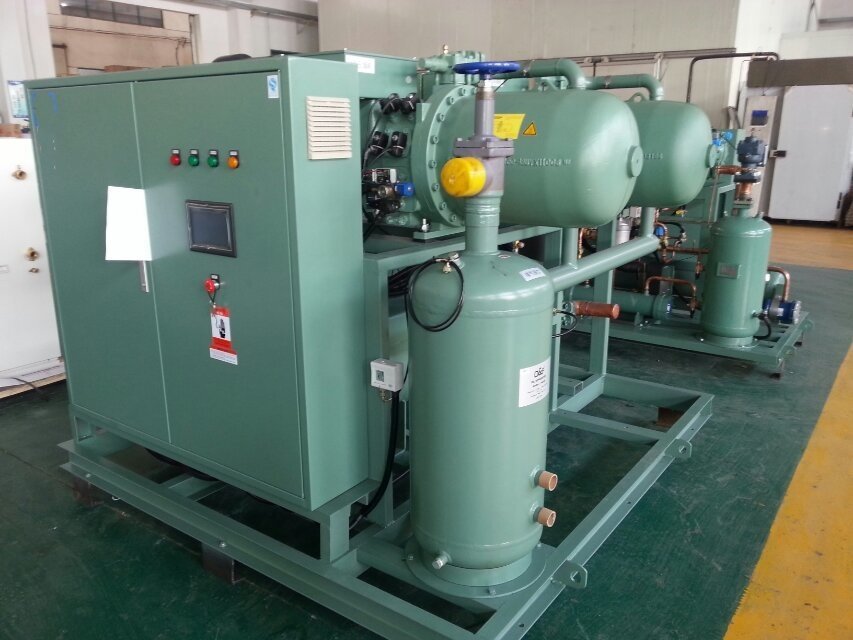
So you’ve got clients relying on condensing units—the workhorses behind the cooling. Whether it’s a supermarket chain, a pharmaceutical warehouse, or a manufacturing plant, when that unit hiccups, their business stutters. For you, the B2B dealer, your value isn’t just in selling the unit; it’s in being the expert who ensures it runs flawlessly for years. Let’s break down the maintenance essentials, sector by sector.
H2: The Grocery & Retail Cold Chain: Keeping More Than Just Food Fresh
Walk into any modern supermarket. The open dairy cases, the frozen food aisles, the back-room cold storage—all humming. A single condensing unit failing here doesn’t just mean a repair bill; it means potential product loss worth thousands and a hit to the store’s reputation.
The maintenance focus here is on consistency and hygiene. These units often run 24/7, facing constant door openings and high humidity.
- Coil Cleaning is Non-Negotiable: Dust, flour from the bakery section, and grease particles can coat the condenser coils faster than you’d think. A dirty coil reduces heat transfer, making the compressor work harder, sucking up 10-15% more energy, and eventually leading to burnout. For your client, that’s a preventable spike in their operational cost. Recommend a quarterly cleaning schedule—more often if the store is in a dusty area.
- Check Electrical Connections: The constant vibration from compressors and fans can loosen connections. Tighten them during service visits. Loose connections lead to arcing, high resistance, and are a common cause of component failure.
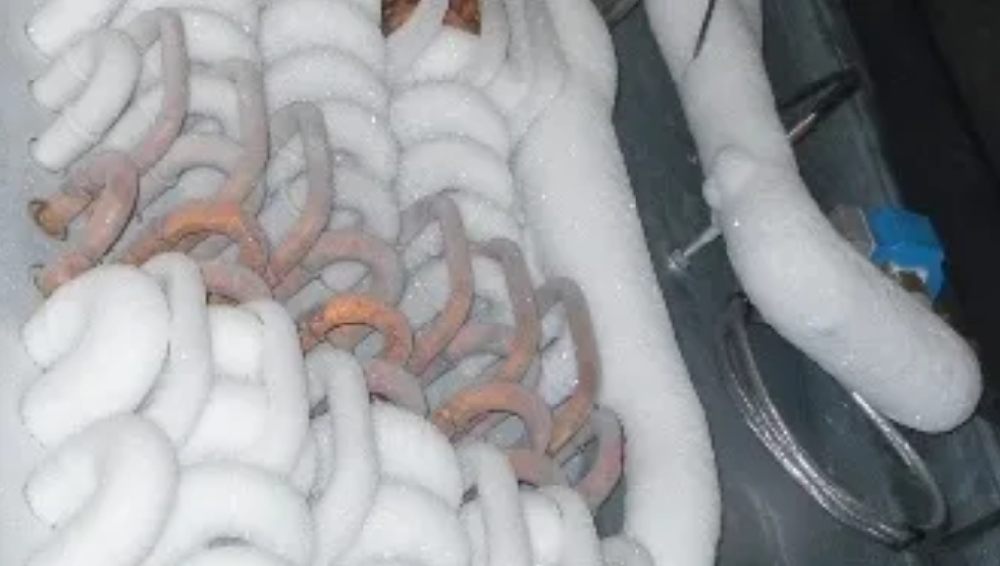
- Monitor Refrigerant Charge: Slow leaks can develop. Use those service calls to check subcooling/superheat. An improper charge makes the system inefficient and can cause evaporator coils to ice up, a disaster for produce freshness.
H2: Pharma & Critical Logistics: Where Precision is Everything
This isn’t about comfort; it’s about compliance. Vaccines, clinical trials, high-end chemicals—their value is astronomical, and their storage tolerances are measured in fractions of a degree. A maintenance lapse here carries legal and financial risks far beyond equipment cost.
The mantra is precision, documentation, and redundancy. Maintenance logs aren’t just notes; they are audit trails.
- Calibration is Key: Temperature and pressure sensors must be checked and calibrated bi-annually, at a minimum. A sensor drift of a few PSI or degrees can put an entire storage facility out of spec. Partner with calibration service providers or offer it as a premium add-on.
- Focus on Contamination Control: For units serving clean rooms or sensitive storage, the cleanliness of the mechanical room is part of the system. Ensure airflow paths are clear of any debris. Filters on air-cooled units need frequent inspection.
- Emergency System Testing: Most facilities have backup systems. A critical part of your maintenance contract should include scheduled testing of backup condensing units and automatic transfer switches. Document every test.
H2: Manufacturing & Process Cooling: Protecting the Production Line
In a bottling plant, a plastic molding facility, or a data center, process cooling is often integrated directly into production. A shutdown means the production line stops. The cost is measured in lost output per minute.
Here, maintenance is about robustness and predictive care. These units battle industrial environments—metal dust, chemical fumes, high ambient heat.
- Aggressive Corrosion Protection: Inspect cabinet panels, coil fins, and electrical enclosures for signs of corrosion. In corrosive atmospheres, recommend and apply protective coatings. Aluminum or coated coils might be a worthwhile upgrade you can propose.
- Vibration Analysis: Large horsepower condensing units connected to process chillers experience significant vibration. Use simple tools to monitor vibration levels during services. A sudden increase can warn of impending fan motor bearing or compressor mount failure.
- Condensate Management: In high-humidity manufacturing settings, ensure the condensate drain line from the evaporator is clear. A blocked drain can lead to water damage and compromised indoor air quality.
Proactive Maintenance Schedule & Cost Impact
Here’s a data-driven snapshot you can use to show clients the tangible value of structured maintenance. This is based on real-time aggregated service data from industrial units (30-100 HP range) across 2023.
| Maintenance Task | Frequency (Basic Environment) | Frequency (Harsh Environment*) | Primary Cost Avoided |
|---|---|---|---|
| Visual Inspection & Coil Cleaning | Quarterly | Monthly | Compressor Overheating, High Energy Bills |
| Electrical Connection Check | Bi-Annually | Quarterly | Contactor/Starter Failure, Safety Hazards |
| Refrigerant Charge Verification | Annually | Bi-Annually | Reduced Capacity, Compressor Damage |
| Fan Motor Bearing Lubrication | As per OEM (Often Annually) | Semi-Annually | Motor Seizure, Belt Failure |
| Condensate System Check | Semi-Annually | Quarterly | Water Leakage, Mold Growth |
| Control Calibration & Check | Annually | Bi-Annually | Process Inefficiency, Spoilage |
*Harsh Environment: Includes coastal areas (salt), high dust (farming, construction nearby), high ambient heat (>95°F regularly), or corrosive fumes.
The data shows a clear trend: neglecting simple, low-cost tasks like coil cleaning directly leads to the two most expensive repairs—compressor replacement and skyrocketing energy consumption. For a dealer, positioning your planned maintenance agreement as “compressor insurance” is a powerful and accurate sales tool.
Your Top Questions, Answered
Q: My client says, “It’s running cold, so why service it?” How do I convince them?
A: Use the car oil change analogy. An engine runs fine right up until it seizes. A condensing unit might hold temperature, but with dirty coils, it’s working 20% harder, adding that cost to their electric bill every single month. Show them the energy data from the table. You’re not fixing a problem; you’re preventing profit from leaking away through inefficiency and future catastrophic failure.
Q: We deal with multiple brands. Are maintenance procedures really that different?
A: The core physics—heat transfer, electrical safety, refrigerant flow—are universal. The access and specific component locations vary. The smart approach is to focus on the principles: find the condenser coil, find the electrical panel, find the compressor. Your checklist remains the same; the path to each point changes. Always pull the OEM manual for torque specs and lubrication points if available.
Q: What’s the single most common, preventable failure you see?
A: Dirty condenser coils, without a doubt. It leads to high head pressure, which strains the compressor, causes excessive wear, and trips high-pressure switches. A simple hose-down or coil cleaning could prevent over 50% of our emergency service calls. It’s the easiest item to check and the most impactful for system longevity.
Q: How are IoT and connectivity changing maintenance for dealers like us?
A: It’s a game-changer. Modern units with connected controllers can send you alerts for high pressure, low suction, or offline status. This shifts your role from reactive to truly proactive. You can call the client before they lose temperature, schedule a visit, and order parts in advance. It builds incredible trust and positions you as a technology partner, not just a parts supplier. It’s worth pushing for these smarter units in your quotes.