
Cross-Industry Guide: Swapping Out Your AC Condenser Fan Motor for Peak Performance
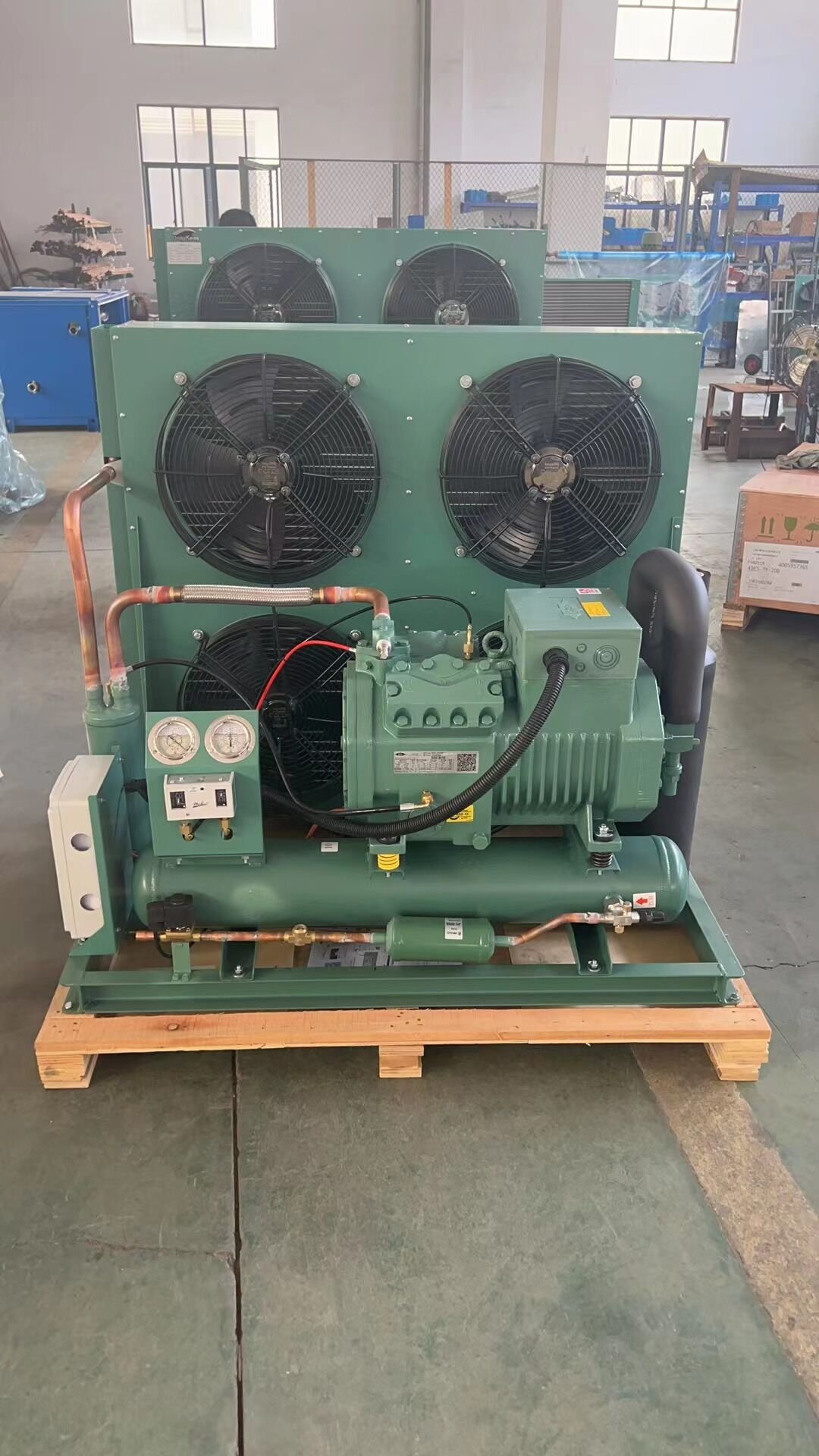
Let’s get straight into it. The condenser fan motor in an AC unit isn’t just another part; it’s the workhorse that expels heat from the system. When it fails, everything stops. For B2B distributors and facility managers across sectors, understanding this replacement isn’t just technical—it’s critical for inventory planning and client support. Here’s your no-fluff, actionable breakdown.
Spotting the Need: Failures in Hospitality, Data, and Retail
The signs are universal, but the urgency varies by industry. A faulty motor often starts with unusual noise—grinding or buzzing from the outdoor unit. Reduced cooling capacity is a major red flag. In a hotel, guest complaints spike. In a retail space, product integrity is at risk. The condenser fan might not start, or it might trip the circuit breaker repeatedly.
For data centers, even a slight dip in cooling efficiency can trigger overheating alerts. Proactive monitoring is key. For agricultural storage facilities, a failing motor during a heatwave can mean massive spoilage losses. The common thread? Operational downtime translates directly to financial loss. The decision to replace is not an “if” but a “when.”
Pre-Work Checklist: Sourcing the Right Motor for Your Client
Before any tools come out, correct part identification is your first line of defense against returns and callbacks. This is where you, as a distributor, add immense value.
**1. Match Specifications, Not Just Looks.** Get the OEM part number from the old motor’s nameplate. Critical specs include:
– Horsepower (HP) and Voltage (e.g., 1/4 HP, 208-230V).
– Phase (Single-phase or Three-phase).
– Speed (RPM) and Rotation Direction (Clockwise vs. Counterclockwise, often viewed from the shaft end).
– Physical Dimensions (Shaft length and diameter, mounting footprint).
**2. Consider Universal Replacements.** For distributors, stocking universal motors that cover multiple OEM models is a smart move. Brands like Fasco, GE, and Century offer robust cross-reference lists. A popular move is shifting clients to more efficient permanent split capacitor (PSC) motors if their original was a shaded-pole type.
**3. Gather Tools & Safety Gear.** The toolkit is straightforward: screwdrivers, wrenches, socket set, nut driver, multimeter. Safety is non-negotiable: gloves, safety glasses, and ensuring the electrical disconnect and circuit breaker are **locked out and tagged out (LOTO)**.
Step-by-Step Replacement Walkthrough
**Step 1: Power Down & Access.** Isolate the unit electrically at the disconnect and the main panel. Remove the condenser unit’s protective grille or top panel. Secure the fan blade so it doesn’t spin freely.
**Step 2: Disconnect Wiring.** Take a clear photo of the wiring connections to the old motor’s capacitor and contactor. Label each wire (e.g., “HERM,” “FAN,” “C”). Use your multimeter to confirm no voltage is present. Disconnect the wires.
**Step 3: Remove the Old Motor.** Unbolt the motor from its mounting bracket. This usually involves 3-4 bolts. Carefully lift the motor and fan assembly out. You may need to separate the fan blade from the motor shaft using a puller or by loosening a setscrew.
**Step 4: Install the New Motor.** Transfer the fan blade and mounting bracket to the new motor, ensuring it’s seated securely. Re-mount the assembly into the unit. Align it properly to avoid vibration.
**Step 5: Reconnect Wiring.** Follow your photo or labels. Match wire-for-wire. Double-check connections to the capacitor—incorrect wiring is a primary cause of immediate failure.
**Step 6: Test & Finalize.** Restore power briefly for a test run. The fan should start smoothly and run quietly in the correct direction (airflow should blow *up* through the condenser coils). If it runs backward, power down and swap any two of the main power leads on the motor. Once confirmed, replace the grille.
Strategic Inventory: Motors That Move Across Sectors
For distributors, stocking smart means understanding which motors serve broad applications. Here’s a snapshot of high-demand models for 2024, based on cross-OEM compatibility and sector demand:
| Motor Model / Type | Common HP & Voltage | Primary Sector Applications | Key Replacement For (OEM) |
|---|---|---|---|
| PSC, 48-Frame | 1/6 – 1/2 HP, 208-230V | Commercial Rooftop Units (RTUs), Retail, Office HVAC | Carrier, Trane, Lennox standard units |
| PSC, 56-Frame | 1/3 – 3/4 HP, 208-230V | Hospitality (Hotel RTUs), Light Industrial | Rheem, York, Bryant |
| Three-Phase, 56-Frame | 1/2 – 1 HP, 208-230/460V | Data Centers, Manufacturing Plants, Large Cold Storage | McQuay, Daikin, larger Trane systems |
| Shaded Pole (Direct Drive) | 1/8 – 1/4 HP, 115V | Residential-style mini-splits, Telecom Shelter ACs | Fujitsu, Mitsubishi, LG wall-mount units |
Proactive Maintenance & Your Value-Add
Reactive replacement is a cost; proactive maintenance is your sales opportunity. Educate your clients on annual coil cleaning—debris is a motor’s worst enemy, causing overheating and premature failure. Recommend checking motor amperage draw during seasonal service; a rising amp draw signals bearing wear.
For large-scale facilities, advise on keeping a critical spares inventory. For a chain of grocery stores, having 2-3 of their most common condenser fan motors on hand can prevent a weekend refrigeration catastrophe. This positions you as a strategic partner, not just a parts supplier.
**Q: A client installed a new motor, but it hums and overheats without starting. What’s the likely culprit?**
A: This is almost always a capacitor issue—either the new motor requires a different microfarad (µF) rating than the old one, or the run capacitor itself has failed. Never assume the old capacitor is good. Always test it with a multimeter or replace it as a standard practice during motor swaps.
**Q: How critical is the rotation direction, and how do we verify it before installation?**
A: It’s vital. Incorrect rotation reduces airflow by up to 70%, causing high head pressure and system shutdown. Most modern PSC motors have a reversible diagram. Verify the required direction on the old motor’s nameplate or the unit’s manual. The standard is counterclockwise (viewed from the shaft end), but always check.
**Q: For our exports to regions with volatile power, should we recommend specific motor types?**
A: Absolutely. For areas with frequent voltage sags or surges, recommend motors with built-in thermal overload protection and a wider voltage tolerance (e.g., 197-253V). Investing in a higher service factor (SF) motor (e.g., 1.15 vs. 1.0) provides extra buffer against harsh conditions and extends service life.
**Q: What’s the real cost difference for our clients between a generic and an OEM motor?**
A: On average, a quality universal replacement motor costs 30-50% less than an OEM-branded part, with comparable or better warranty terms (often 1-2 years). The savings are significant for bulk purchases. The key is sourcing from reputable manufacturers that comply with international standards (IE efficiency codes, UL, CE marks). This is where your quality assurance becomes a major selling point.