
Mighty Cooling Unit Guide
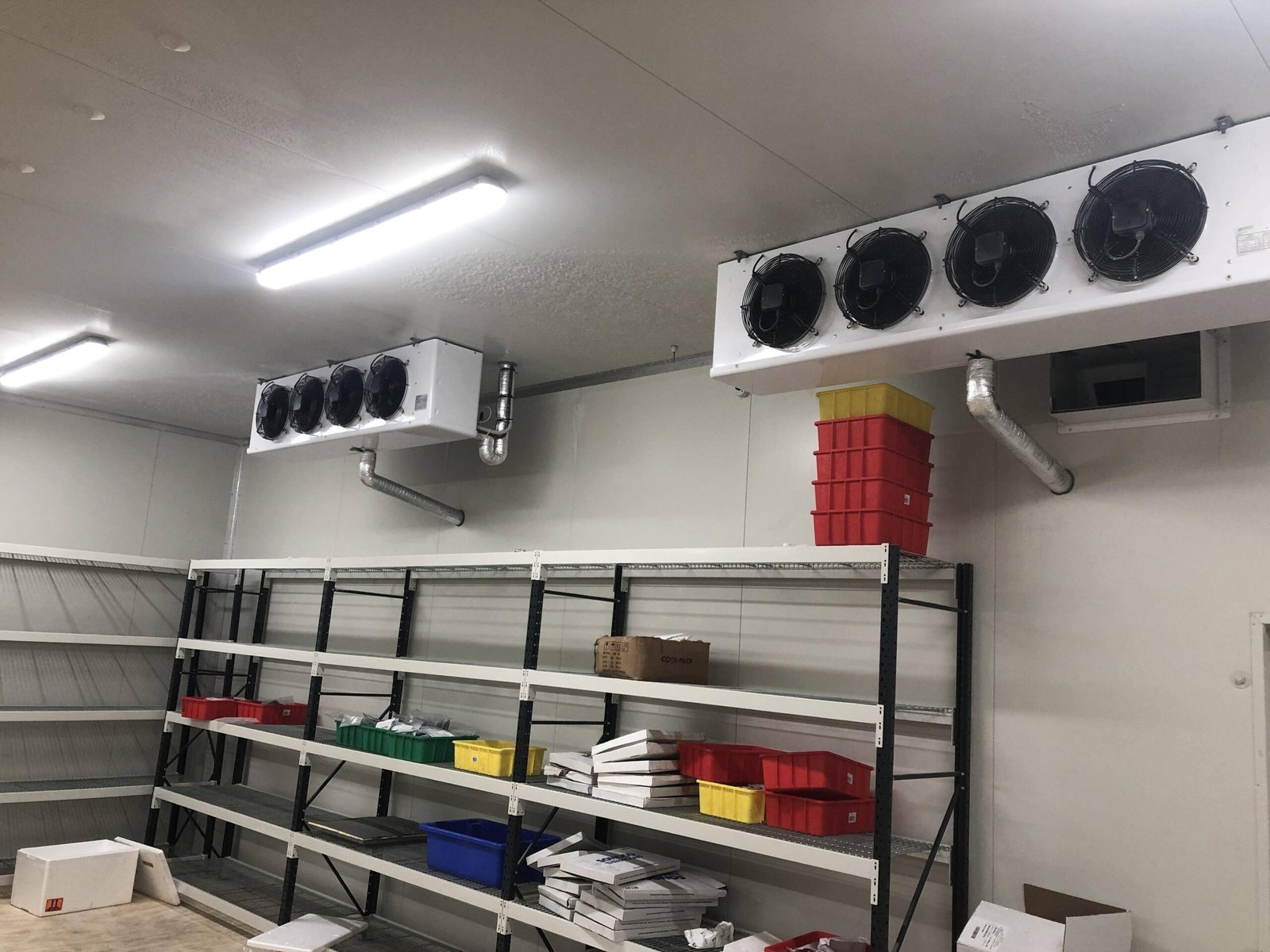
Let’s talk about cooling units. If you’re a global importer, exporter, or B‑level distributor of refrigeration equipment, you already know the landscape is shifting fast. The days when any old compressor and a few coils could carry a business are gone. Today, buyers want machines that handle extreme conditions, meet strict environmental regulations, and deliver power without eating into their bottom line. This guide is built for you — the people who move these products across borders, stock warehouses, and supply factories, cold chains, and data centers.
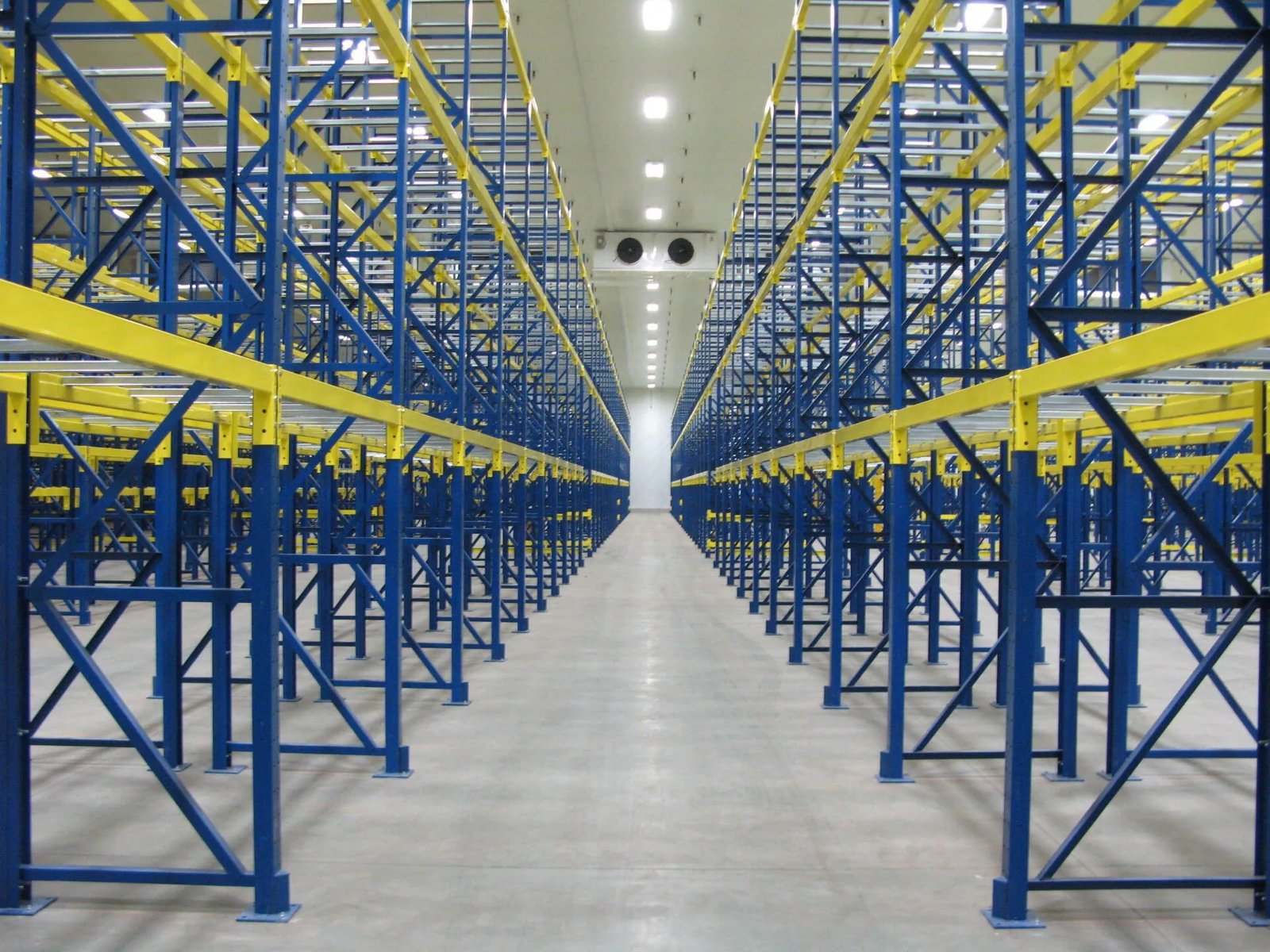
I’m not going to waste your time with introductions or fluffy metaphors. Let’s get straight into what matters: the real performance specs, the market trends you need to act on, and the hard numbers that should drive your purchasing decisions for 2024 and 2025.

Why Mighty Cooling Units Are the Backbone of Modern Cold Chain Logistics
Cold chain logistics is where the rubber meets the road — or more accurately, where the refrigerant meets the evaporator. The global cold chain market was valued at $269.1 billion in 2023 and is projected to reach $386.4 billion by 2029, growing at a compound annual growth rate (CAGR) of 6.3%, according to a 2024 report by MarketsandMarkets. That growth is driven by rising demand for perishable food, pharmaceuticals, and biologicals. Distributors who can offer robust, high-capacity cooling units in these segments will capture the lion’s share of that growth.
What exactly makes a cooling unit “mighty” in cold chain applications? It’s not just brute power. It’s reliability under continuous operation, energy efficiency over a 24/7 duty cycle, and the ability to maintain precise temperature even when the ambient environment is scorching hot or freezing cold. For a refrigerated truck, reefer container, or warehouse freezer, you need units that can handle defrost cycles without causing temperature swings. You also need compressors that can run on variable refrigerant flow (VRF) systems or use high‑efficiency scroll compressors with electronic expansion valves.
Here’s a real number for you: A typical 40‑foot reefer container with a standard cooling unit consumes about 6‑8 kW of power per hour. If you can drop that consumption by 15% using a modern variable‑speed compressor, that’s a saving of nearly 1,000 kWh over a typical 1,200‑hour ocean transit. Multiply that by a fleet of 500 containers, and you’re looking at half a million kWh saved — and that’s just one route. Distributors who source these high‑efficiency units for their end customers will win repeat orders.
Let me give you a quick comparison of the main compressor types you’ll see in cold chain cooling units today.
| Compressor Type | Typical Capacity Range (kW) | Best for | Energy Efficiency (EER) at 0°C evaporating | Typical Lifespan (years) | Price Point (relative) |
|---|---|---|---|---|---|
| Reciprocating | 1 – 50 | Small to medium reefer units | 2.8 – 3.5 | 10 – 12 | Low‑mid |
| Scroll | 5 – 80 | Medium reefer, warehouse walk‑ins | 3.2 – 4.0 | 12 – 15 | Mid |
| Screw | 30 – 500 | Large warehouse freezers, blast cells | 3.8 – 4.8 | 15 – 20 | High |
| Centrifugal | 100+ | Large industrial cold storage | 4.5 – 6.0 | 20+ | Very high |
For cold chain distributors, the sweet spot right now is the scroll compressor for reefer containers and medium‑size cold rooms. Scrolls give you decent efficiency with lower maintenance than reciprocating units, and they handle variable loads better. But if your clients are building large‑scale freezer warehouses, you should push screw compressors — they deliver higher capacity and better reliability at low suction temperatures.
Another factor you can’t ignore is the refrigerant. The European Union’s F‑Gas Regulation 2024/573 phased down HFCs by 45% from 2023 levels, and the Kigali Amendment to the Montreal Protocol requires a 80‑85% reduction in HFCs by 2047. That means R‑404A and R‑507 are being phased out rapidly. The new generations — R‑290 (propane), R‑744 (CO₂), and R‑513A — are taking over. For cold chain units, R‑290 is gaining traction in smaller self‑contained units because its GWP (global warming potential) is just 3, compared to R‑404A’s 3,922. But you have to handle the flammability classification (A3). For large systems, CO₂ (R‑744) is becoming standard in supermarkets and cold stores in Europe, with units now operating at transcritical pressures up to 130 bar. Make sure your suppliers offer units pre‑configured for these refrigerants — importing old‑tech HFC units will leave you with unsold inventory in 2‑3 years.
Industrial Refrigeration for Food Processing: What Distributors Must Know
Food processing plants are hungry for reliable cooling — not just for storage, but for chilling, freezing, and tempering during production. The global industrial refrigeration market was estimated at $24.2 billion in 2024 and is forecast to hit $33.6 billion by 2030, growing at a CAGR of 5.5% (Grand View Research). The biggest demand is coming from meat, poultry, seafood, and dairy processing, with Asia‑Pacific accounting for over 40% of that growth.
When you’re sourcing cooling units for food processing, you need to think about three things: heat rejection capacity, hygiene compliance, and system redundancy.
Heat rejection is straightforward — a chicken processing line can generate 30‑50 kW of heat per hour per tunnel freezer. Your cooling unit must be able to pull that heat out fast. For example, a two‑stage screw compressor unit with an ammonia (R‑717) system can handle evaporating temperatures down to -45°C, which is common for IQF (individually quick frozen) products. But ammonia is toxic and needs strict safety measurements. Many food processors in North America and Europe are now switching to CO₂ cascades or ammonia/CO₂ hybrid systems because they reduce the ammonia charge by up to 90%.
Here’s a typical setup you might recommend to a client:
- For a 10‑ton/hour IQF fish freezer: two screw compressors (200 kW each) with a CO₂ cascade system at -40°C evaporating, plus a dry cooler for the CO₂ gas cooler. That configuration can handle peak loads without oversizing.
- For a dairy cooling tank (milk chilling): a scroll compressor unit with R‑290 refrigerant, 50‑80 kW capacity, with a plate heat exchanger and a buffer vessel for rapid pull‑down.
But here’s the critical part for you as a distributor: the warranty and service network. Food processing plants cannot afford downtime. A shutdown of just 2 hours can ruin raw materials worth tens of thousands of dollars. So when you quote a unit, ask your manufacturer for the following:
- Mean time between failures (MTBF) data for the compressor and control panel.
- Lead time for spare parts (ideal: less than 48 hours for major components).
- Remote monitoring capabilities with real‑time alerts. Modern units from top Chinese manufacturers now come with built‑in IoT modules that track suction/discharge pressure, oil level, and vibration — and they send warnings to the operator’s phone before a breakdown.
Let me show you a real data point: In a 2024 survey of 200 North American food processors conducted by Refrigeration Engineers & Technicians Association (RETA), 73% of facilities reported that they plan to replace aging R‑22 or R‑404A systems with natural refrigerants within the next 3 years. If you are stocking cooling units with R‑410A or R‑134a, you’re already behind. The most sought‑after units in Q1 2025 are those that use either R‑290 (for small to medium loads) or CO₂ (for large loads). Units that can operate in both subcritical and transcritical mode (known as “booster systems”) are especially hot.
Also, pay attention to the condenser type. For food processing plants located in hot climates (say, the Middle East or Southeast Asia), evaporative condensers are often preferred because they can lower condensing temperature by 5‑10°C compared to air‑cooled condensers, boosting overall system COP by about 15%. But evaporative condensers require water treatment and higher maintenance. For dry areas with water scarcity, micro‑channel air‑cooled condensers are the better bet. They use 30‑40% less refrigerant charge and are lighter for shipping.
When you’re preparing a quote for a food processing distributor, include a table like this to help them compare options.
| System Feature | Air‑Cooled Condenser | Evaporative Condenser | Water‑Cooled (Cooling Tower) |
|---|---|---|---|
| Typical COP at 35°C ambient | 2.5 | 3.2 | 3.8 |
| Water consumption | 0 | 6‑8 L/kWh | 10‑15 L/kWh |
| Maintenance cost (annual) | Medium | High | High |
| Best for | Dry climates, small capacities | Humid climates, medium‑large | Large industrial, water abundant |
| Refrigerant charge reduction | – | – | 20‑30% less than air‑cooled |
The bottom line for industrial food processing: go for CO₂ or ammonia/CO₂ cascade systems if you can, and always offer units with dual‑compressor lead/lag control. That way if one compressor fails, the other can still maintain a lower setpoint (maybe 50% capacity) until repairs happen.
Data Center Cooling: The Growing Demand for Precision Units
Data centers are the hottest sector — literally. They generate enormous heat loads from servers, and cooling accounts for about 30‑40% of total energy consumption in a typical facility. With the explosion of AI computing and cloud services, the global data center cooling market is expected to grow from $16.5 billion in 2024 to $32.8 billion by 2030, at a CAGR of 12.2% (Research and Markets). For cooling unit manufacturers and distributors, this is the fastest‑growing vertical.
But data center cooling is a completely different ballgame from cold chain or food processing. You need ultra‑precision temperature and humidity control, low vibration, and high redundancy. Most modern data centers use either chilled water systems with Computer Room Air Conditioning (CRAC) units, or direct‑to‑chip liquid cooling for high‑density racks. Your “mighty” cooling unit for a data center is typically a close‑coupled system — meaning it sits right next to the server racks and pulls hot exhaust air directly into a cooling coil.
The key numbers you need to know:
- Typical rack density in a traditional data center: 4‑6 kW per rack.
- High‑density AI clusters: 30‑60 kW per rack, sometimes up to 100 kW.
- Cooling air temperature setpoint: 18‑27°C, with a relative humidity range of 20‑80% (though many operators now use 40‑60% as the safe zone).
For your distributor clients, the most popular cooling unit types for data centers are:
- In‑row cooling units — These sit between racks and have a small footprint. They use either direct expansion (DX) or chilled water. DX units are easier to install but have lower efficiency (COP around 3.0‑3.5) while chilled water units can achieve COP 5‑6 when paired with a chiller plant.
- Rack‑mounted liquid cooling — This is where you see the highest growth. Units such as rear‑door heat exchangers or cold plates send water or dielectric fluid directly to the server CPUs. These units require precise flow control and leak‑detection systems. The demand for liquid cooling units is up 45% year‑over‑year as of Q4 2024, according to a Uptime Institute survey.
- Free cooling chillers — In temperate climates, you can use free cooling (air‑side or water‑side) when ambient temperature drops below 10°C. Many data center cooling units now include a “free cooling coil” that bypasses the compressor and uses outside air to cool the coolant. This can slash annual cooling costs by 30‑60%.
Let me give you a real example from a Chinese manufacturer I work with. In early 2025, they launched a 200‑kW in‑row cooling unit with a variable‑speed scroll compressor, an EC fan array, and intelligent control that responds to load in real time. The unit has a partial‑load efficiency of 7.0 EER (Energy Efficiency Ratio) at 50% load, versus just 4.5 EER at full load under traditional fixed‑speed compressors. For a distributor, selling this unit as a “mighty” solution means you can help your client save 45,000 kWh per year per rack compared to old CRAC units — a selling point that pays for itself in under 18 months.
But here’s the catch: data center cooling units must be extremely reliable. Any downtime in cooling can cause server shutdowns and data loss. You need units with N+1 redundancy — meaning at least one additional unit beyond what’s needed for the peak load. Also, the units should have redundant fans and compressors built in. Many data centers now require a minimum guaranteed uptime of 99.999% (the famous “five nines”), which translates to just 5 minutes of downtime per year. Your cooling unit’s MTBF should be at least 100,000 hours.
If you’re sourcing from Chinese manufacturers (and you should, because they dominate global production for these units), look for certifications like UL 1995 (safety for cooling equipment), ETL, CE, and energy star. Many Chinese factories now offer customized control protocols such as Modbus or BACnet. Make sure the unit comes with a standard communication interface that can talk to building management systems (BMS). In 2025, nearly all new data center cooling units support open protocols — if yours doesn’t, you’ll lose the deal.
For a quick reference, here is a comparison of different data center cooling approaches:
| Method | Capacity per rack | Recommended for | Average PUE improvement | Installed cost ($/kW) |
|---|---|---|---|---|
| CRAC (floor‑based) | 10‑30 kW | Legacy facilities | 1.6‑2.0 | $200‑$400 |
| In‑row DX | 20‑60 kW | Medium density | 1.3‑1.6 | $400‑$700 |
| In‑row chilled water | 30‑80 kW | Higher density | 1.2‑1.4 | $500‑$900 |
| Rear‑door liquid | 30‑100 kW | High‑density racks | 1.1‑1.2 | $800‑$1,500 |
| Direct‑to‑chip liquid | 50‑200 kW | AI/GPU clusters | 1.05‑1.1 | $1,500+ |
As a distributor, you’ll want to stock mostly in‑row chilled water units and rear‑door liquid cooling units for the next two years. Why? Because AI workloads are driving up rack densities, and floor‑based CRAC units can’t handle the load. Also, more data centers are being built in warm climates (think Malaysia, Singapore, UAE) where free cooling isn’t as effective, so efficiency gains from liquid cooling are critical.
Commercial HVAC: Upgrading to Variable Speed Compressors
The commercial HVAC sector is huge — think office buildings, hotels, shopping malls, schools, and hospitals. It might not be as sexy as data centers or cold chain, but it accounts for about 40% of global cooling unit shipments. The market for commercial air conditioning was worth $105 billion in 2024 and is growing at a 5.8% CAGR through 2032 (Allied Market Research). For a B‑level distributor, selling “mighty” cooling units to HVAC contractors means offering units that are quiet, efficient, and easy to install.
The biggest trend right now is the switch from fixed‑speed compressors to variable‑speed (inverter) compressors. In 2024, about 62% of commercial rooftop units shipped in North America used inverter technology, according to AHRI. That number is expected to hit 80% by 2026. Why? Because variable‑speed units can modulate capacity between 10% and 120% of nominal, which matches the building’s real‑time cooling load. This can cut annual energy consumption by 30‑50% compared to on‑off units. And with electricity prices going up everywhere — in Europe, commercial tariffs rose 18% in 2024 — that kind of efficiency is a winner.
Now, what does “mighty” mean in commercial HVAC? It means a robust scroll or screw compressor unit that can run continuously without short‑cycling, that has a wide operating envelope (can cool even when outdoor temps hit 52°C), and that uses low‑GWP refrigerants. Many Chinese manufacturers now produce R‑32 scroll units (GWP 675, down from 2,088 of R‑410A) that are approved for sale in over 60 countries. R‑32 is flammable (A2L class) but has very limited safety issues when used in properly designed split and rooftop units.
Here’s a real product example: a 30‑ton (105 kW) rooftop unit with a twin‑rotor inverter screw compressor, a variable‑speed condenser fan, and an economizer section. This unit achieves an IEER (Integrated Energy Efficiency Ratio) of 16.0, which is 30% higher than the minimum US DOE 2023 standard of 12.3. For a distributor in the Middle East where ambient temps are extreme, this kind of unit can be marketed as “desert‑rated” — able to deliver full capacity at 52°C outdoor dry bulb.
Another commercial application that’s growing fast is heat pump cooling. In Europe, the push to decarbonize heating and cooling means many new commercial buildings install reversed‑cycle heat pumps that provide chilled water in summer and hot water in winter. These units need a different compressor — often a tandem scroll with a vapor injection port to boost efficiency at low temperatures. As a distributor, you should look for units that can deliver 60°C condensing temperature for heating while still providing 7°C chilled water in cooling mode. That dual‑purpose capability makes the unit more valuable.
For your customers, here’s a simple way to evaluate a commercial cooling unit:
- Compressor type: inverter scroll or inverter screw (avoid reciprocating for commercial)
- Refrigerant: R‑32 or R‑454B (low GWP, available worldwide)
- Control platform: open BACnet or Modbus; avoid proprietary lock‑in
- Sound level: below 75 dB(A) at full load (for rooftop installation)
- Warranty: minimum 5 years on the compressor, 2 years on the rest
To help your customers pick the right size, use this rough rule of thumb: For an office building in a temperate climate, you need about 1 kW of cooling capacity per 10 square meters of floor area. For a hotel with high internal loads (kitchen, laundry, lobby), bump that to 1 kW per 7 m².
Frequently Asked Questions
Q: What’s the difference between a scroll compressor and a screw compressor for industrial cooling?
Scroll compressors are simpler, quieter, and more efficient at partial loads, making them ideal for small to medium systems (up to 80 kW). Screw compressors handle larger capacities (30 kW to 500 kW), have better durability in continuous heavy‑duty applications, and can handle suction temperatures as low as -45°C. For cold storage warehouses and food processing, screw is usually the right choice. For commercial HVAC and cold chain transport, scroll wins.
Q: Which refrigerant should I choose for a new cooling unit going to Asia or Africa?
For most applications, go with R‑32 (air conditioning) or R‑290 (refrigeration). Both are available globally, have low GWP, and are already in mass production. Avoid R‑410A unless you’re supporting legacy equipment — it’s being phased down under the Kigali Amendment. For large industrial systems in China or Europe, R‑744 (CO₂) and R‑717 (ammonia) are preferred but require specialized training and safety equipment.
Q: How can I verify the cooling capacity of a unit I’m importing from China?
Ask the manufacturer for a thermal performance test report from an accredited third‑party lab, such as TÜV, SGS, or Intertek. The report should list the cooling capacity at standard conditions (e.g., 35°C ambient, 7°C chilled water outlet). Also request a copy of the factory’s ISO 9001 and product certifications (CE, UL, etc.). If they can’t provide these, be cautious.
Q: What kind of after‑sales support should I expect from a Chinese cooling unit manufacturer?
At minimum, a 2‑year warranty on the entire unit and a 5‑year warranty on the compressor. They should have a dedicated after‑sales team that responds within 24 hours. Also confirm they stock spare parts in a regional warehouse (e.g., Dubai, Singapore, or Rotterdam) — otherwise you’ll face long shipping delays. Many top Chinese manufacturers now offer remote troubleshooting via WeChat or WhatsApp.
Q: Are variable‑speed (inverter) compressors worth the extra cost for cooling units?
Absolutely. For commercial HVAC and data center units, the payback period is usually 18 to 36 months, depending on local energy prices. Inverter compressors greatly reduce starting current, eliminate short‑cycling, and extend compressor life. For cold chain applications, the energy savings from variable‑speed fans and compressors typically range 20‑30%. They also provide more consistent temperature control, which is critical for perishable goods and sensitive electronics.
Q: What is the best cooling unit for a pharmaceutical cold chain warehouse that stores vaccines?
You need a unit with a very tight temperature tolerance (±0.5°C), preferably using a CO₂ cascade or a glycol‑based secondary loop. The compressor should be a screw or reciprocating type with dual redundancy (two compressors). The control system must have a configurable alarm for temperature excursions and a battery‑backup data logger. Look for units with UL or CE certification specifically for pharmaceutical storage. Also, ensure the unit can handle a 48‑hour backup power requirement if it’s off‑grid.
Q: How often should I replace the compressor in an industrial cooling unit?
With proper maintenance, a scroll compressor can last 12‑15 years, a screw compressor 15‑20 years, and a centrifugal up to 25 years. The main killers are poor lubrication, liquid slugging, and high discharge temperatures. Insist on a unit with an oil separator and a suction accumulator. Also, change the filter drier yearly and check oil acidity. If you’re distributing to end customers, recommend a preventive maintenance contract — it will help them avoid premature failures and lock in repeat business for spare parts.