
Cooling the Frontlines: Industrial-Grade Refrigeration Systems for Demanding Sectors
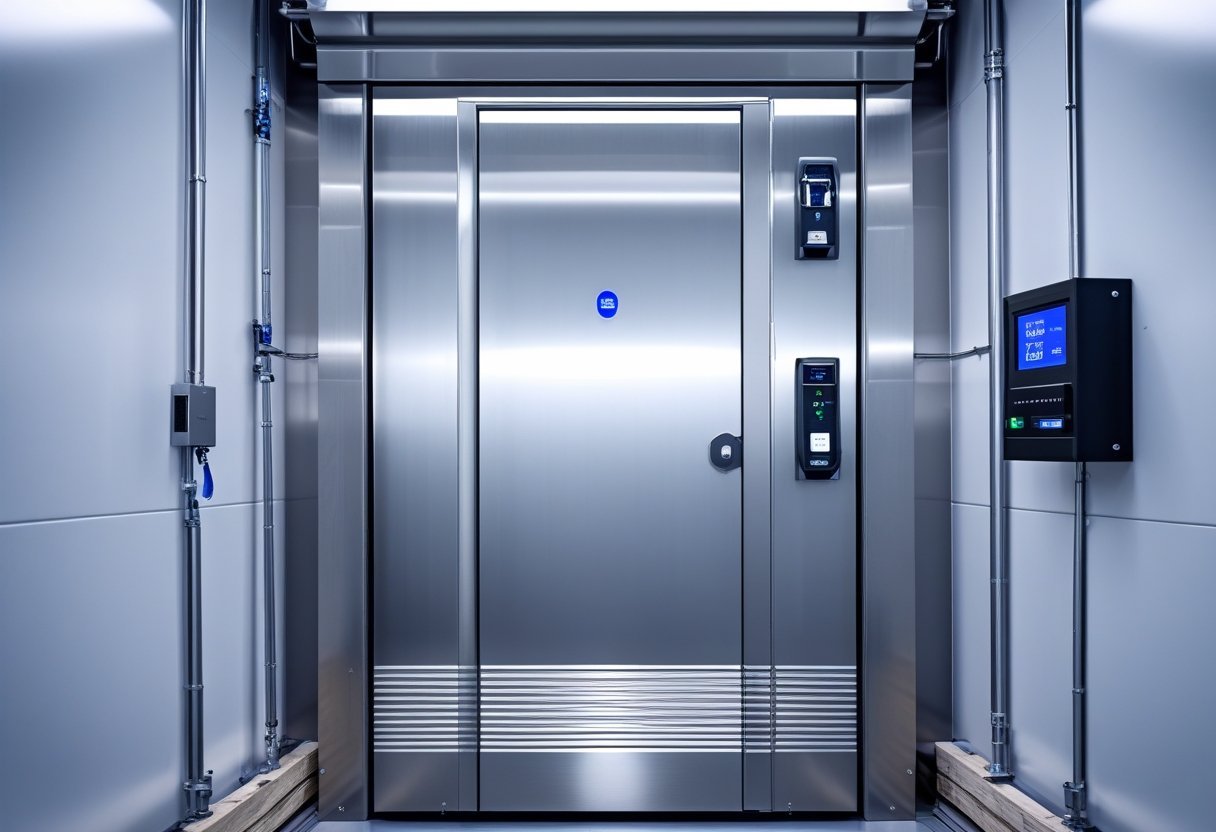
Think of your most challenging client. The one with the facility that defies standard solutions, where temperature control isn’t a luxury but a non-negotiable mission-critical parameter. For them, off-the-shelf cooling isn’t just inadequate; it’s a liability. At [Your Company Name], we engineer climate control for the most demanding industrial battlegrounds. Our systems don’t just cool; they execute precision environmental missions.
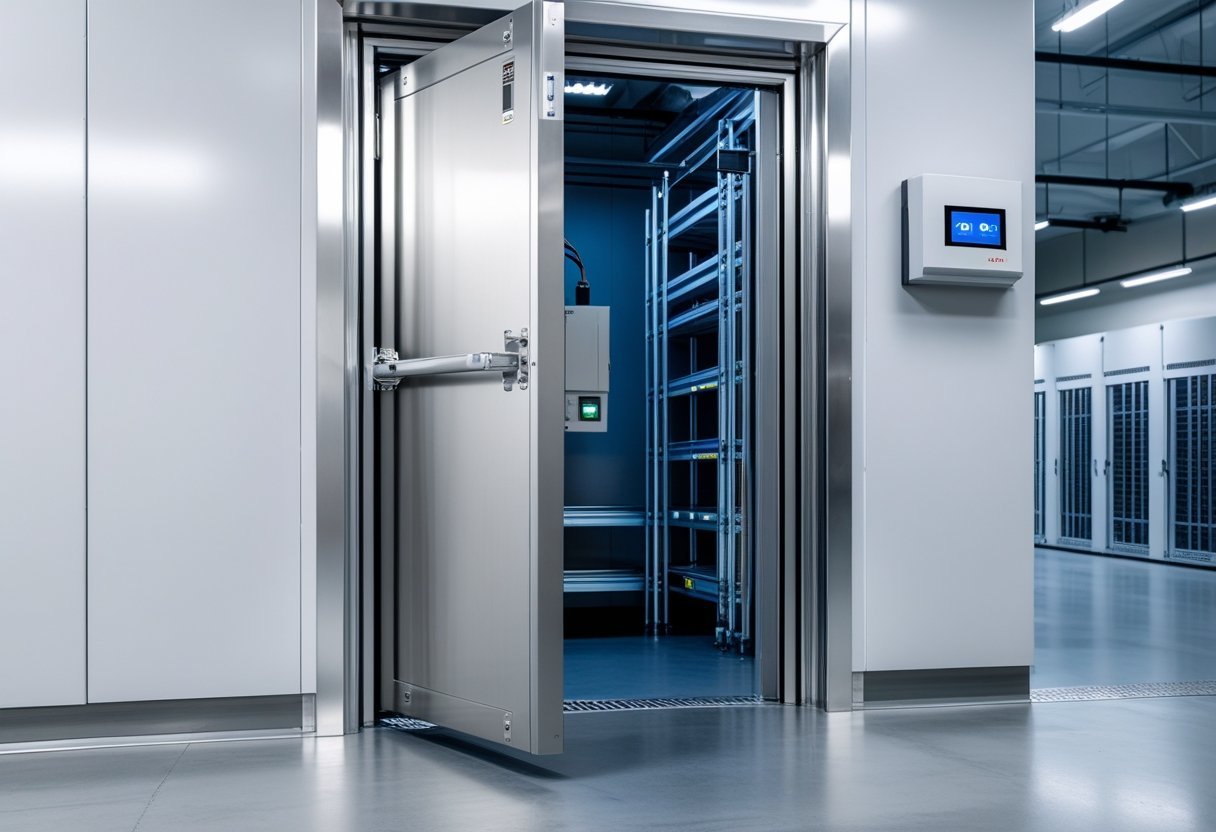
The Perimeter Defense: Fortified Cold Storage & Logistics Hubs
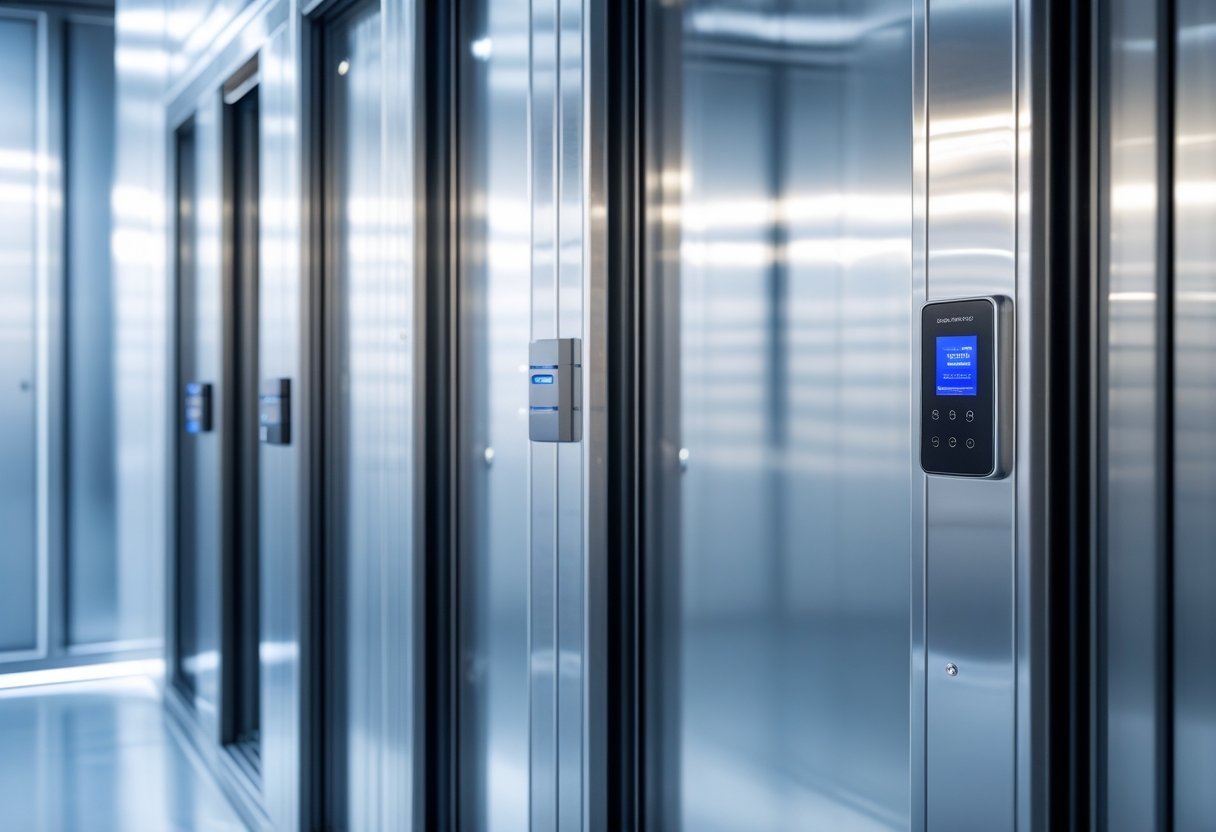
Global supply chains are the lifelines of commerce, and their weakest point is often the temperature-controlled warehouse. A single failure can lead to millions in lost inventory. This is where perimeter defense matters.
Modern logistics require more than just big chillers. They need a coordinated defense system. We deploy high-capacity, modular screw compressor units designed for 24/7 operation with redundant systems. The real-time monitoring is key—our controllers provide live data on energy consumption per zone, compressor load cycles, and even predictive alerts for filter saturation, accessible remotely for facility managers in Oslo or importers in Ohio.
Consider a cross-docking facility in Rotterdam handling pharmaceutical intermediates. The requirement isn’t just -20°C; it’s maintaining that temperature during rapid door cycles in high ambient humidity. Our solution integrates:
- Air-Cooled Condensing Units with EC fans for variable speed control, cutting energy use by up to 30% in milder seasons.
- Low-temperature evaporators with hot gas defrost, scheduled based on actual frost buildup data rather than timers, minimizing temperature spikes.
- Corrosion-resistant cabinets (RAL 9005 coating standard) for saline port-side air.
Here’s a snapshot of a typical configured system for a 10,000m³ automated storage facility:
| System Parameter | Specification | Operational Benefit |
|---|---|---|
| Primary Cooling Capacity | 850 kW at -25°C Evap / +32°C Cond | Handles peak load with 20% reserve |
| Compressor Type | Semi-hermetic Screw, dual compressor setup | One unit can handle 70% load if the other is down |
| Refrigerant | R-449A (Ultra-low GWP compliant) | Future-proof for global environmental regulations |
| Annual Energy Consumption Estimate | ~1,450,000 kWh (with variable speed drives) | Enables accurate operational budgeting |
| Remote Monitoring | IoT-enabled with Modbus TCP/IP & BACnet | Integrates with BMS, provides real-time efficiency dashboards |
Rapid Deployment & Mobility: On-Site Process Cooling
From a sudden expansion in bio-reactor capacity to a temporary film production set requiring precise atmospheric control, mobile cooling power is essential. This is rapid deployment.
Our mobile chiller units and skid-mounted systems are the rapid response teams. They are pre-engineered, tested, and shipped ready for plug-and-play operation (with proper professional installation). The focus is on durability during transport and fast, reliable hookup. We use vibration-dampened tube-in-tube heat exchangers and brazed connections on all critical pathways to prevent leaks during road transit.
A recent deployment for a Middle Eastern petrochemical plant involved three 300kW portable water chillers to cool a catalyst during an unplanned maintenance shutdown. The key was not just the cooling capacity, but the ability to operate in 48°C ambient desert air and connect to the client’s existing water piping within 6 hours of arrival. Units featured oversized condensers and sun-reflective white powder coating.
Special Ops: Precision Cooling for High-Value Environments
Some missions require surgical precision. Data centers, pharmaceutical clean rooms, and advanced material testing labs are the special operations of the cooling world. Tolerance is measured in fractions of a degree and percentage points of humidity.
For a semiconductor fab in Southeast Asia, our secondary glycol cooling system maintains process tool temperature at 22°C ±0.2°C. The system uses dual independent refrigerant circuits and a plate heat exchanger for the glycol loop, ensuring zero risk of refrigerant contaminating the process fluid. All wetted parts are stainless steel 316L for ultra-pure applications.
In premium automotive paint booths, where humidity and temperature directly affect finish quality, our desiccant dehumidification units coupled with precise cooling coils provide absolute environmental control. The data is relentless: we log and report every parameter, providing the audit trail that quality managers require.
Joint Command & Integration: Smart Grid and Energy Synergy
Today’s industrial cooling doesn’t operate in a silo. It’s part of a joint command structure—the facility’s overall energy ecosystem. The most advanced B2B buyers look at Total Cost of Ownership (TCO), which means energy integration.
Our high-efficiency systems are designed to communicate. With built-in connectivity, they can participate in demand-response programs, scaling back during peak grid load (and earning utility rebates) and pre-cooling storage spaces during off-peak hours. For a frozen food processor in Germany, our system’s ability to interface with their solar PV array’s production forecast allowed them to shift compressor-heavy defrost cycles to high-generation daylight hours, reducing grid energy draw by 18%.
We provide the analytics dashboard that shows not just if the system is running, but how intelligently it is running. It compares real-time COP (Coefficient of Performance) against design benchmarks, flags deviations, and even suggests maintenance windows based on performance trends, not just calendar time.
Professional Q&A Section
Q: We are a distributor in North Africa facing harsh, dusty environments and voltage fluctuations. What specific build features should we insist on for industrial condensing units?
A: You need a fortress-built unit. Specify the following: 1) Corrosion Protection: A minimum of epoxy powder coating after sandblasting, not just standard paint. Opt for stainless steel hardware. 2) Electricals: A built-in voltage stabilization module or wide-operating-range components (e.g., 300-460V) is mandatory. 3) Filtration: Request oversized condenser coils with wider fin spacing to resist clogging, and easy-access service panels for cleaning. 4) Component Choice: Ask for open-type compressors with separate motor drives, which are often more resilient to electrical stress and easier to service locally than semi-hermetic units in such conditions.
Q: Our client in the EU is concerned about the upcoming F-Gas phase-down. How can we future-proof their large-scale installation?
A: This is a critical planning issue. Recommend systems designed for ultra-low GWP refrigerants like R-454C, R-32, or ammonia/CO2 cascade systems for very low temps. Crucially, ensure the compressor, oil type, and expansion valves are explicitly certified for the intended future refrigerant. Avoid “drop-in” promises; a true future-proof system is designed from the ground up for the new fluid’s pressure and properties. Provide a documented refrigerant transition roadmap as part of your proposal.
Q: For a large warehouse project, the client is debating between many small decentralized units and one large central plant. What are the key decision factors?
A: Frame it as redundancy vs. efficiency. Decentralized units offer zone-by-zone control and inherent redundancy (one failure affects one zone). They have lower upfront cost and simpler piping. Centralized plants typically achieve 15-25% higher overall energy efficiency due to larger, more efficient compressors and load diversity. They concentrate maintenance in one location but represent a single point of failure unless designed with full redundancy. The tipping point is usually at cooling loads above 700-1000kW and in facilities with stable, simultaneous cooling demand across zones. Always conduct a lifecycle cost analysis over 10 years.