
Cooling for Every Corner: A Global Buyer’s Guide to Essential Cooling Units

Forget just staying cool; today’s businesses need precise, reliable, and efficient temperature control to protect assets, ensure safety, and boost productivity. As a leading manufacturer at the heart of this industry, we’re seeing firsthand what global distributors and B2B buyers are searching for. This isn’t about generic appliances; it’s about specialized cool units that are the backbone of modern commerce. Let’s cut straight to the chase and look at the top units making waves across sectors right now.

Medical & Pharmaceutical Cold Chain Guardians
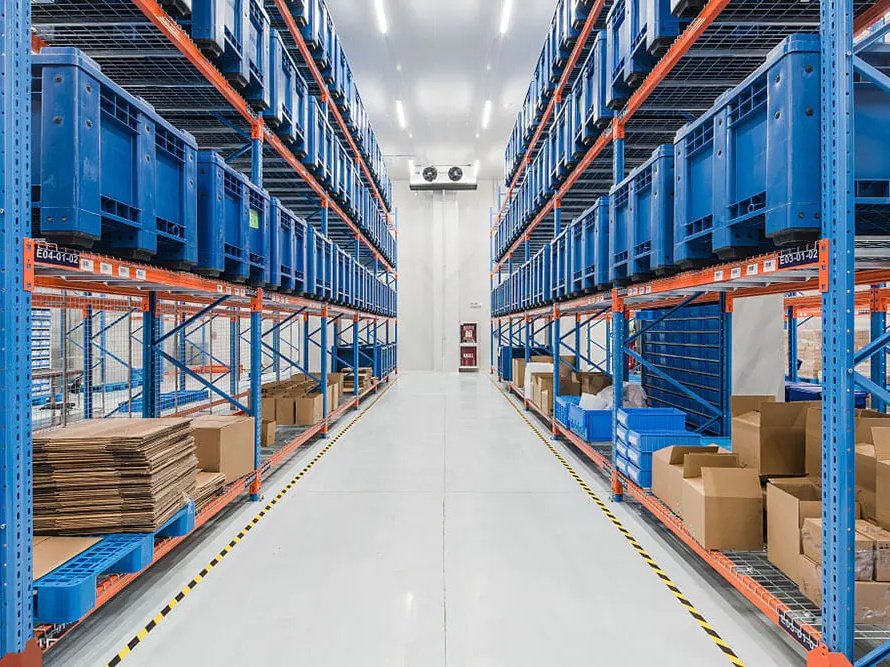
This sector has zero room for error. A temperature deviation can mean the loss of life-saving vaccines, sensitive reagents, or expensive biological samples. B2B buyers here aren’t just looking for a fridge; they’re sourcing integrated cold chain solutions.
The demand is for ultra-low temperature (ULT) freezers, plasma freezers, and pharmaceutical-grade refrigerators that offer more than just cold air. The key is precision and documentation. Units now come with continuous temperature monitoring, digital data loggers that comply with FDA 21 CFR Part 11, and cloud-based alerts that notify managers’ phones if parameters are breached. Redundant compressor systems are a major selling point—if one fails, the other kicks in instantly, preventing costly spoilage.
For distributors, the specs that seal the deal are clear:
- Temperature Consistency: Uniformity is as important as the set point. A chamber that varies by ±3°C is useless for mRNA vaccines.
- Compliance: Certifications like CE, ISO 13485 for medical devices, and WHO PQ (for specific models) are non-negotiable for international sales.
- Energy Efficiency: These units run 24/7. A model that cuts energy use by 25% pays for itself quickly, a strong point for your customers to pitch to their end-users.
Here’s a snapshot of current in-demand models and their core specs (2024 Market Data):
| Product Category | Target Temperature Range | Key Feature for B2B Sales | Primary End-User |
|---|---|---|---|
| Ultra-Low Temp Freezer | -40°C to -86°C | Cascade refrigeration, WiFi monitoring | Research labs, Biobanks, Large Hospitals |
| Pharmacy Refrigerator | +2°C to +8°C | Glass door with anti-fog, audit trail | Community pharmacies, Hospital wards |
| Blood Bank Refrigerator | +1°C to +6°C | Separate compartments, platelet agitator | Blood donation centers, Major hospitals |
| Vaccine Transport Box | -20°C to +25°C (with phase change materials) | Cold life duration (e.g., 120h at 32°C) | Last-mile delivery, Remote clinics |
High-Traffic Hospitality & Food Service Champs
In restaurants, hotels, and supermarkets, cooling is about speed, capacity, and durability. The trend is towards customization and sustainability. Buyers want units that can handle a relentless pace, are easy to clean, and help reduce their carbon footprint and operating costs.
We’re talking about heavy-duty undercounter refrigerators for busy kitchen lines, full-size roll-in chillers for banquet operations, and sleek, low-decibel display chillers for high-end retail. For distributors, the conversation has shifted from just price to Total Cost of Ownership (TCO). A slightly more expensive unit with a high-efficiency variable speed compressor and robust stainless-steel construction will outlast and outperform cheaper alternatives, saving money on energy and replacements.
Noise level is a huge factor for open kitchens and boutique stores. Similarly, glass door merchandisers with efficient LED lighting sell more product—a direct ROI you can highlight. The rise of natural refrigerants like R290 (propane) is also significant, as more regions regulate traditional HFC gases. Having units with low-GWP (Global Warming Potential) refrigerants future-proofs your inventory.
Data Center & Tech Infrastructure Precision Coolers
This is where cooling meets critical IT. The units here are Computer Room Air Conditioners (CRACs) and Precision Air Conditioners (PACs). For B2B dealers, this is a high-value, specification-driven field. The cooling isn’t for people; it’s for servers that generate intense, dry heat 24/7.
Precision is everything: precise temperature control (±0.5°C), precise humidity control (±2% RH), and massive airflow to handle high heat densities. The latest shift is towards indirect evaporative cooling and in-row cooling units that place cooling directly next to server racks, dramatically improving efficiency over traditional perimeter cooling.
Key specs you need to know:
- Sensible Heat Ratio (SHR): Should be very high (e.g., 0.95+), meaning almost all cooling power is used to reduce temperature, not remove moisture (which is wasted energy in a data center).
- Redundancy: N+1 compressor and fan configurations are standard ask for Tier III/IV data centers.
- Integrated Control: Compatibility with Building Management Systems (BMS) and data center infrastructure management (DCIM) software via protocols like Modbus or BACnet.
Selling into this space requires technical knowledge, but the margins and repeat business from a single data center client can be substantial.
Agricultural & Floriculture Preservation Systems
From farm to fork (or from greenhouse to vase), cooling extends shelf life and preserves value. This goes beyond simple cold rooms. Think of:
- Hydrocoolers: Rapidly cool vegetables like spinach or broccoli right after harvesting to remove field heat.
- Forced-Air Pre-coolers: Quickly bring down the temperature of fruits like berries or cut flowers before long-haul transport.
- Controlled Atmosphere (CA) Cold Stores: These actively manage oxygen and CO2 levels alongside temperature, dramatically slowing ripening for apples, pears, and kiwifruit.
For agricultural exporters and their suppliers, the metric that matters is post-harvest loss reduction. A well-designed pre-cooling system can cut losses by 30% or more. Distributors should focus on units with high airflow rates (CFM per box), uniformity of cooling, and robustness for often harsh, dusty farm-side environments. Stainless-steel or coated coil options are a big plus for corrosion resistance from constant moisture.
Industrial Process & Manufacturing Cooling Power
This is the workhorse category: industrial chillers and cooling towers that remove heat from machinery, processes, and factories. Applications range from plastic injection molding and laser cutting to chemical processing and brewery fermentation.
The market is sharply divided. On one end, there’s demand for standard air-cooled portable chillers for general factory use. On the other, there are complex central water-cooled chiller plants for massive facilities. The universal driver is energy efficiency.
Variable Frequency Drive (VFD) compressors and pumps are now baseline expectations. They adjust motor speed to match the exact cooling load, saving huge amounts of energy compared to old on/off units. Another trend is the move towards magnetic bearing centrifugal chillers, which offer incredible efficiency and near maintenance-free operation by using magnetic levitation instead of oil-lubricated bearings.
For an industrial B2B buyer, downtime is the enemy. Highlighting features like corrosion-resistant plate-and-frame heat exchangers, remote monitoring capabilities, and easy service access can make your offering stand out.
Professional Q&A for B2B Buyers
Q1: When sourcing chillers for resale, should I prioritize units with traditional R410A refrigerant or the newer R32?
A1: The industry is decisively moving towards R32 and other lower-GWP alternatives. R32 has about 1/3 the GWP of R410A and offers better energy efficiency in most climates. While R410A is still widely used, regulations in the EU, Japan, and parts of North America are phasing down HFCs. For future-proofing your inventory and offering clients a more sustainable, efficient product, building a portfolio around R32 and similar next-gen refrigerants is a smart strategic move. Always check local regulations for your target markets.
Q2: Our client is a large supermarket chain concerned about energy bills. What’s the single most impactful cooling technology we should recommend?
A2: Without a doubt, recommend units equipped with variable speed compressors and ECM (Electronically Commutated Motor) fan motors. Traditional fixed-speed compressors cycle on and off at full power. Variable speed technology allows the system to precisely modulate its output to match the real-time cooling load, which is constantly changing. This can reduce energy consumption by 30-50% in typical commercial refrigeration applications. The higher upfront cost has a very clear and fast payback period on operational savings.
Q3: For medical cold chain products, what documentation do end-users typically require from the manufacturer, and should we as the distributor hold this?
A3: End-users require a comprehensive Technical File or Design Dossier. This includes detailed design specifications, risk analysis (like an FMEA), software validation reports (if applicable), calibration certificates for sensors, and full results of performance and stability tests (e.g., temperature mapping reports). As a distributor, you must have immediate access to the Declaration of Conformity (DoC) and ensure all units have the correct CE marking under the Medical Device Regulation (MDR) or IVDR. It’s wise to have the manufacturer’s ISO 13485 certificate on file. You are a critical link in ensuring this audit-ready documentation is transmitted accurately to the final customer.