
Why Global Importers Are Stocking Danfoss CO2 Condensers: A Breakdown by Industry

You’re sourcing cooling solutions for your clients, and the conversation keeps turning to CO2. It’s not just a trend anymore; it’s a shift driven by global regulations and tangible ROI. At the center of that conversation is Danfoss. Their CO2 condensing units aren’t just components; they’re turnkey systems built for the real-world demands of cross-border trade. Let’s cut straight to what makes them a top shelf item for B2B distributors worldwide.
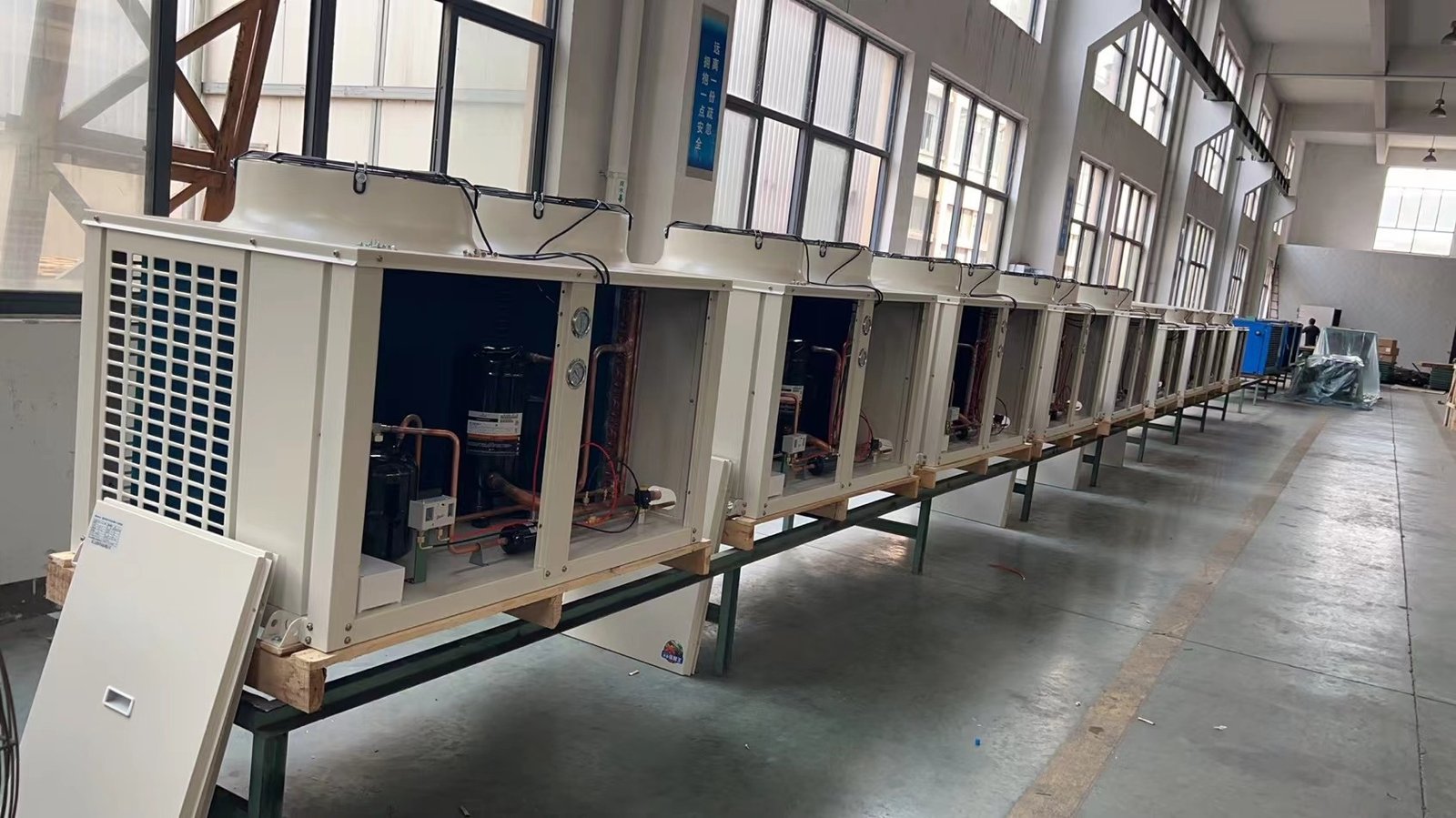
Sector-by-Sector Application: Where This Hardware Fits

Forget generic specs. Your clients need to know how this hardware performs in their specific vertical. Danfoss CO2 condensing units, using R744 refrigerant, are engineered for distinct high-pressure operation. Their real advantage is a wide operational envelope that tackles both medium and low temperatures efficiently. This translates directly to application flexibility.
In food retail, for instance, a single cascade system can power both medium-temperature display cases and low-temperature freezers. For you as a distributor, this simplifies inventory and offers a comprehensive store solution. In industrial cold storage, the units’ capacity to deliver high heat reclaim efficiency turns refrigeration waste into free hot water for facility use, a major selling point for cost-conscious clients. For commercial HVAC in colder climates, these systems function as heat pumps, providing space heating with significantly lower carbon emissions compared to fossil fuels. Even in niche markets like fishery processing, the rapid pulldown and precise temperature control of CO2 systems ensure product quality from the processing line to the shipping container.
Technical Specifications That Matter for Your Supply Chain
When you’re placing bulk orders or quoting for large projects, paper specs need to translate to on-the-ground performance and logistics ease. Danfoss designs these units with global distribution in mind. They offer standardized footprints and connection interfaces, which simplifies warehousing and reduces installation complexity for your overseas clients’ technicians. Look for features like integrated variable speed drives (VSDs) on compressors and fans – this isn’t just about energy saving; it’s about grid stability in regions with unreliable power and reducing mechanical stress during transport and startup.
The control systems, like the ADAP-KOOL® platform, are a key talking point. They provide remote monitoring and management capabilities. For your B2B customer managing a chain of supermarkets across a region, this means they can diagnose a fault, adjust setpoints, or optimize performance from a headquarters dashboard, minimizing costly service calls. This embedded intelligence adds tangible service value to the hardware you’re selling.
Let’s talk numbers. Performance data is critical for your technical sheets.
| Model Series | Typical Capacity Range (kW) | Optimal Ambient Temp Range | Key Design Feature for Importers |
|---|---|---|---|
| Turbocor TGS | 80 – 200 | -25°C to +40°C | Oil-free compression, reduces maintenance complexity and service part inventory. |
| PSH | 20 – 80 | -30°C to +40°C | Compact modular design, easier to ship and handle in standard freight. |
| MTC | 5 – 30 | -35°C to +35°C | Plug-and-play design, minimizes installation time and technical barriers on-site. |
Note: Capacities are approximate for high-temperature operation. Always consult the latest performance curves from Danfoss for specific operating conditions.
Navigating Global Regulations: Your Competitive Edge
This is where your role becomes consultative. F-Gas regulations in the EU are tightening, Kigali Amendment adoption is spreading, and local carbon taxes are emerging. Hydrofluorocarbon (HFC) refrigerant quotas are shrinking and becoming expensive. Danfoss CO2 units, using a natural refrigerant with a GWP of 1, future-proof your clients’ investments. When you offer this equipment, you’re not just selling a cooler; you’re selling compliance and long-term regulatory security. This is a powerful closing argument against competitors still pushing high-GWP HFC solutions.
For markets in North America, emphasize the safety and approval standards (ASHRAE, UL) that Danfoss systems meet. For the Middle East and Asia, highlight the high-ambient temperature performance engineered into newer models, overcoming earlier CO2 limitations. Having this regulatory and regional application knowledge positions you as a solutions expert, not just a hardware vendor.
Total Cost of Ownership: The Real Conversation with Buyers
Upfront cost is a factor, but your savvy B2B clients are looking at TCO. Break it down for them. First, energy: CO2 systems, especially with heat reclaim, can show a 10-30% efficiency gain in suitable climates compared to standard HFC systems, directly cutting utility bills. Second, refrigerant cost: R744 is inexpensive and isn’t subject to punitive environmental taxes. Third, maintenance: Simplified systems with fewer moving parts and advanced diagnostics lead to lower lifetime service costs.
Provide a simple comparison framework. While the initial capital expenditure (CapEx) for a CO2 system might be higher, the operational expenditure (OpEx) is consistently lower. For a client planning a 10-year facility lifecycle, the net savings are clear. This financial logic is universal, from a German supermarket chain to a Philippine cold storage warehouse.
Professional Q&A
Q: With evolving regulations, how can I be sure the Danfoss CO2 unit I import today won’t be obsolete in 5 years?
A: Danfoss invests heavily in R&D for future-readiness. Their CO2 platforms are designed with modularity and software-upgradable controls. The core technology uses a natural refrigerant (CO2) whose regulatory standing is secure long-term. Obsolescence risk is far higher with synthetic refrigerants facing phasedowns. These units are the compliant choice for the foreseeable future.
Q: Our clients operate in hot climates. Are CO2 condensers still a viable option?
A: Absolutely. Earlier CO2 technology had limitations in high ambients. Current Danfoss series, like those employing the Piston Stretcher Technology (PSH) or parallel compression, are specifically engineered for high ambient operation (up to +40°C and beyond in some configurations). Always reference the latest manufacturer’s application guides for your specific region’s design conditions.
Q: What does the spare parts and technical support network look like for global traders?
A: Danfoss has one of the most extensive global service and distribution networks in the industry. As an authorized distributor, you gain access to their international parts logistics. For your end-client, this means reduced downtime—critical components can be air-freighted to major ports worldwide. Their online support portals and certified technician training programs are also available globally, ensuring local expertise.
Q: For a distributor new to natural refrigerants, what’s the main technical hurdle our clients’ installers might face?
A: The primary shift is understanding the high-pressure system design. CO2 operates at pressures 5-8 times higher than traditional HFCs. While the Danfoss units come as pre-assembled, pre-tested packages, installers must be trained on proper handling of high-pressure piping and components. Danfoss and its partners offer specific R744 safety and installation certification courses, which you can promote as added value with your equipment sales.