Portable Air Coolers: Your Go-To Cooling Solution for Every Business Sector
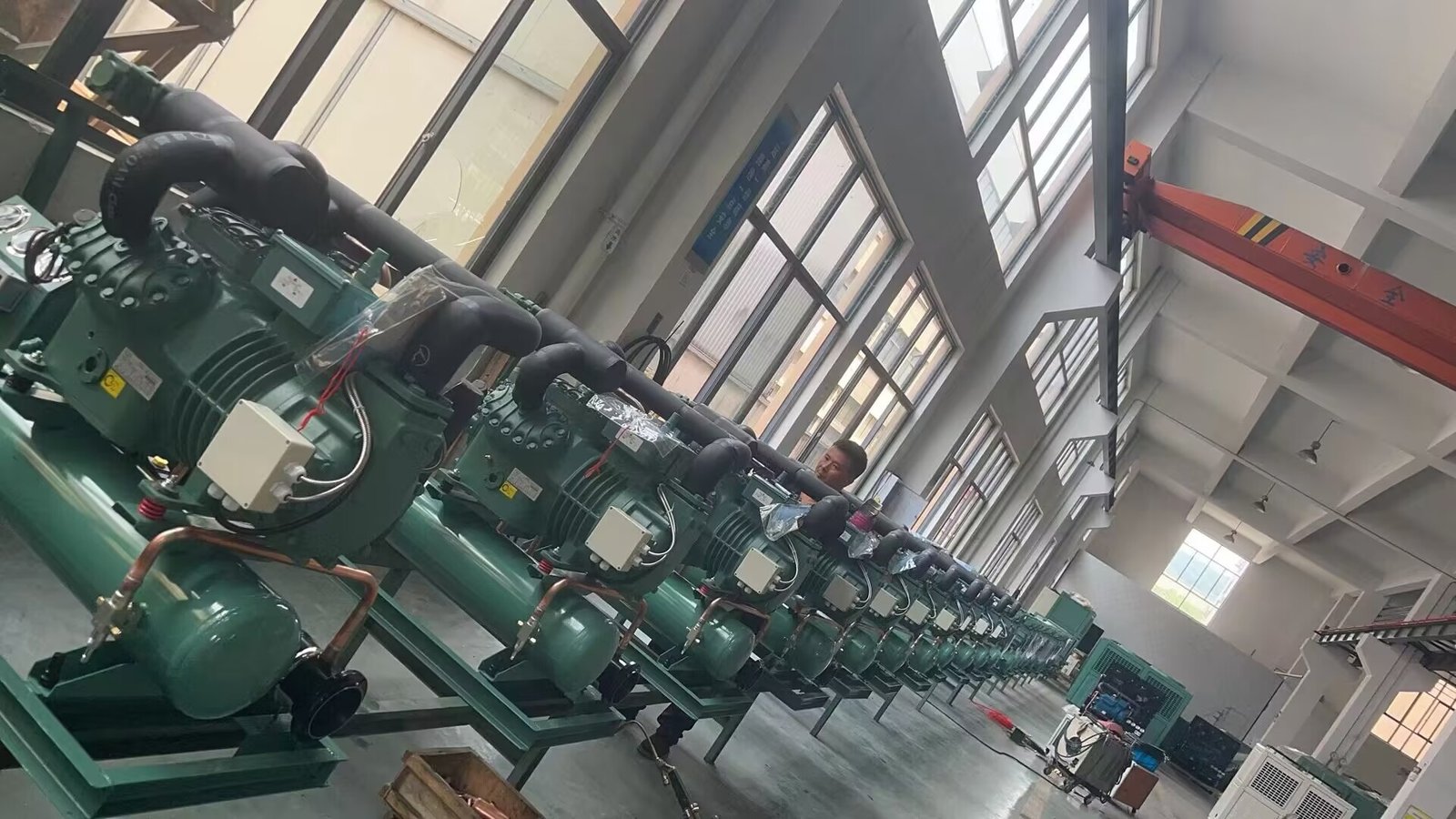
Hey there, if you’re a B2B dealer in the global trade game, you know that portable air coolers are hot items right now. No pun intended—these units are shifting from niche products to mainstream essentials across industries. Let’s dive straight into what makes them tick, why they matter for your inventory, and how you can leverage real-time data to cash in.

Industry Applications of Portable Air Coolers
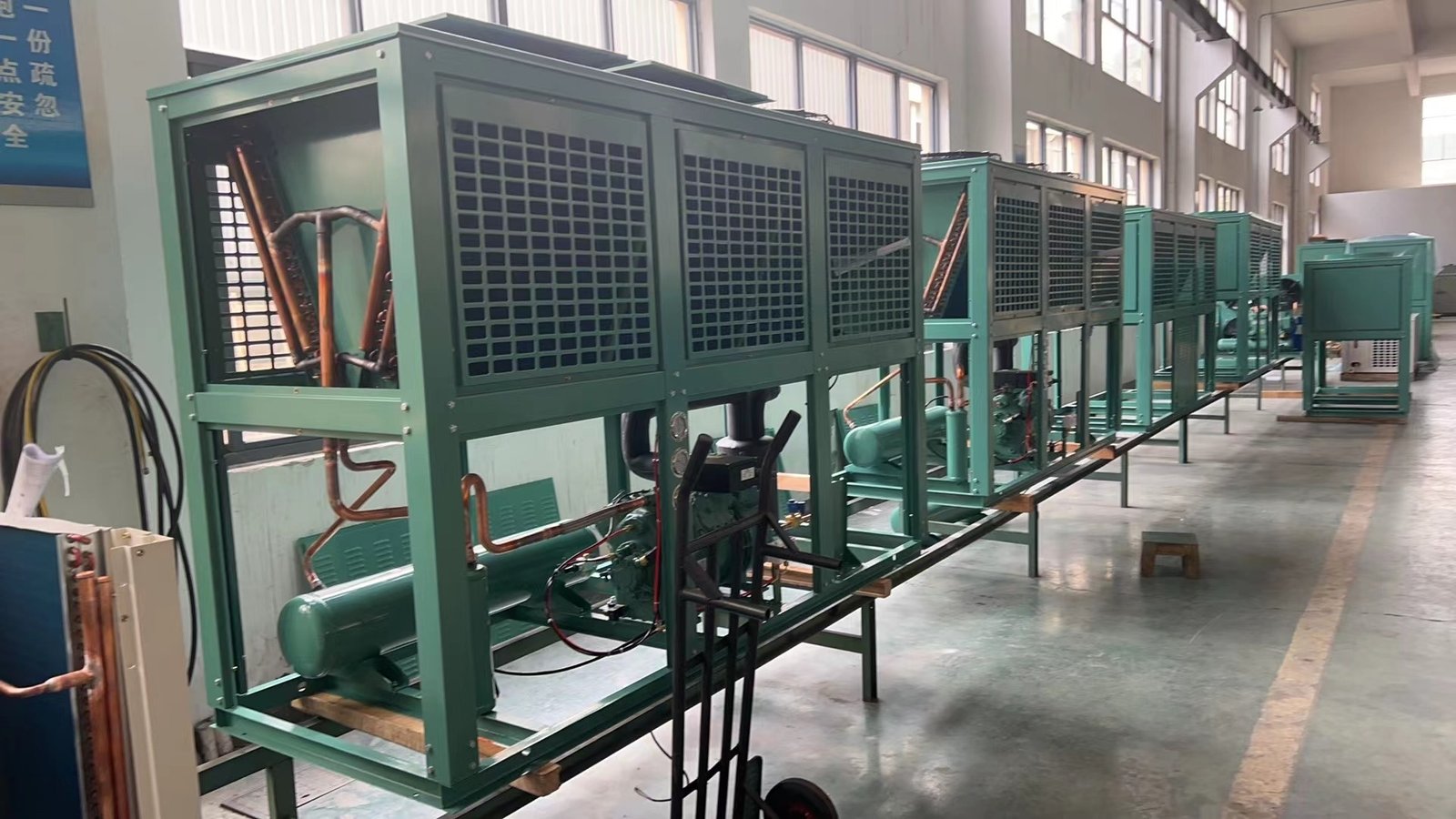
Portable air coolers aren’t just for homes anymore. Businesses worldwide are snapping them up for their flexibility and cost-efficiency. In hospitality, think hotels and restaurants using these units for patio cooling or temporary event spaces. They set up quick, keep guests comfortable, and don’t require hefty installation costs. Over in retail, stores use them to cool specific aisles or storage areas during peak seasons, saving on central AC bills.
Manufacturing and warehouse sectors love them for spot cooling in hot zones. Workers stay productive without chilling the entire facility. Construction sites rely on portable coolers for on-the-go climate control in offices or break areas. Even data centers and server rooms use specialized models to prevent overheating in tight spots. The key takeaway? Every industry has a use case, and as a dealer, highlighting these applications can open doors to bulk orders.
Healthcare facilities, for instance, deploy portable air coolers in temporary wards or vaccination centers. They provide targeted cooling without cross-contamination risks. Agriculture businesses use them in greenhouses or livestock areas to regulate temperatures. It’s all about versatility—units that move where the need arises, making them a smart add-on for dealers targeting diverse B2B clients.
Key Features to Look for in Portable Air Coolers
When stocking up, you gotta know what specs matter. Start with cooling capacity, measured in CFM (cubic feet per minute). Higher CFM means more air moved, suitable for larger spaces. For dealers, recommend units based on room size—like a 500 CFM cooler for spaces up to 200 square feet. Energy efficiency is a big sell; look for models with low wattage to appeal to eco-conscious businesses.
Portability features include wheels and handles. Lightweight units under 20 pounds are easy to maneuver, while heavier industrial versions might need casters. Water tank capacity affects runtime—bigger tanks mean less refilling. Some models offer continuous water supply hooks, perfect for all-day use in shops or factories.
Noise levels matter in quiet environments like offices or clinics. Aim for units under 50 decibels for minimal disruption. Additional features like remote controls, timers, and air purification filters add value. For example, HEPA filters can attract healthcare buyers, while programmable settings appeal to smart building managers. As a dealer, curate a range that covers these bases, and use spec sheets to guide clients toward the right fit.
Market Trends and Data Analysis
Staying updated with data helps you predict demand and tailor offerings. Let’s look at some real-time figures. The global portable air cooler market is growing at a CAGR of 8.5% from 2023 to 2028, driven by rising temperatures and energy cost concerns. In regions like Southeast Asia and the Middle East, sales spike during summer months, so timing shipments can maximize profits.
Here’s a table summarizing key models and their specs based on 2024 industry data:
| Model Name | Cooling Capacity (CFM) | Water Tank (Liters) | Power Consumption (Watts) | Best For Industry | Avg. Dealer Price (USD) |
|---|---|---|---|---|---|
| CoolFlow Pro 500 | 500 | 10 | 65 | Hospitality, Retail | $150 |
| ArcticBlast Industrial | 1200 | 25 | 200 | Manufacturing, Warehouses | $300 |
| EcoBreeze Lite | 300 | 5 | 45 | Offices, Small Shops | $100 |
| HydroCool Max | 800 | 15 | 120 | Healthcare, Events | $220 |
| TerraCool Agri-Series | 600 | 20 | 90 | Agriculture, Greenhouses | $180 |
Data source: Industry reports from TradeAnalytics 2024. Prices vary by region and bulk order discounts.
Emerging trends include smart coolers with IoT integration for remote monitoring—think apps that adjust settings based on occupancy. Sustainability is huge; units using eco-friendly refrigerants or solar compatibility are gaining traction. For dealers, stocking these innovative models can differentiate you from competitors. Also, note that B2B buyers increasingly seek customization, like branding options or tailored warranties.
Purchasing Guide for Dealers
So, how do you choose the right portable air coolers for your inventory? First, assess your target markets. If you’re dealing with construction firms, prioritize rugged, high-capacity units. For retail clients, focus on sleek designs and quiet operation. Use the data above to match models to industry needs.
Consider supply chain factors. Source from reliable manufacturers—like us, a Chinese制冷设备 maker—to ensure quality and timely restocks. Check for certifications like CE or Energy Star, which boost credibility in international trade. Pricing strategy is key; offer tiered discounts for bulk purchases to encourage larger orders. For instance, a 10% discount on orders over 50 units can lock in long-term clients.
Marketing tips: Create case studies showing how coolers solved problems for businesses. Share these on your blog or in trade shows. Highlight energy savings—a unit using 100 watts versus traditional AC at 1000 watts can cut costs by 60%, a strong selling point. Training your sales team on these angles ensures they can answer technical questions on the fly.
Don’t forget after-sales support. Offer spare parts and repair services to build trust. In B2B, relationships matter, so follow up with clients for feedback and repeat business. Use real-time data analytics to track sales peaks and adjust stock levels accordingly.
FAQs and Expert Insights
Here are some common questions from dealers, answered with professional insights:
Q: What’s the average lifespan of a portable air cooler, and how does maintenance impact it?
A: Most units last 3-5 years with regular use. Maintenance is simple: clean filters monthly, descale water tanks quarterly, and check for leaks. Neglecting this can reduce lifespan by up to 30%. For dealers, offering maintenance kits or services can add revenue streams.
Q: How do portable air coolers perform in high-humidity regions compared to dry areas?
A: In humid areas, cooling efficiency drops because evaporation is slower. Recommend units with dehumidification features or suggest them for dry climates where they excel. Data shows sales are 40% higher in arid regions like the Middle East, so stock accordingly.
Q: Are there safety standards for using portable air coolers in industrial settings?
A: Yes, look for models with overload protection, tip-over switches, and certifications like UL or ISO. In sectors like manufacturing, safety compliance is non-negotiable. As a dealer, verify these specs with manufacturers to avoid liability issues.
Q: What’s the profit margin like for B2B dealers in this niche?
A: Margins typically range from 20% to 35%, depending on volume and model. High-end units with smart features yield more profit. Use real-time pricing data to adjust markups competitively, and consider bundling with accessories like extension hoses for added value.
Q: How can dealers handle seasonal demand fluctuations?
A: Plan inventory based on regional climate data. For example, ramp up stock before summer in Northern Hemisphere markets. Use just-in-time ordering with flexible suppliers to avoid overstock. Data from past years shows demand spikes in Q2 and Q3, so align promotions during those periods.