
Why Surgical Suites Run Chilly: A Data-Driven Look for Industry Partners
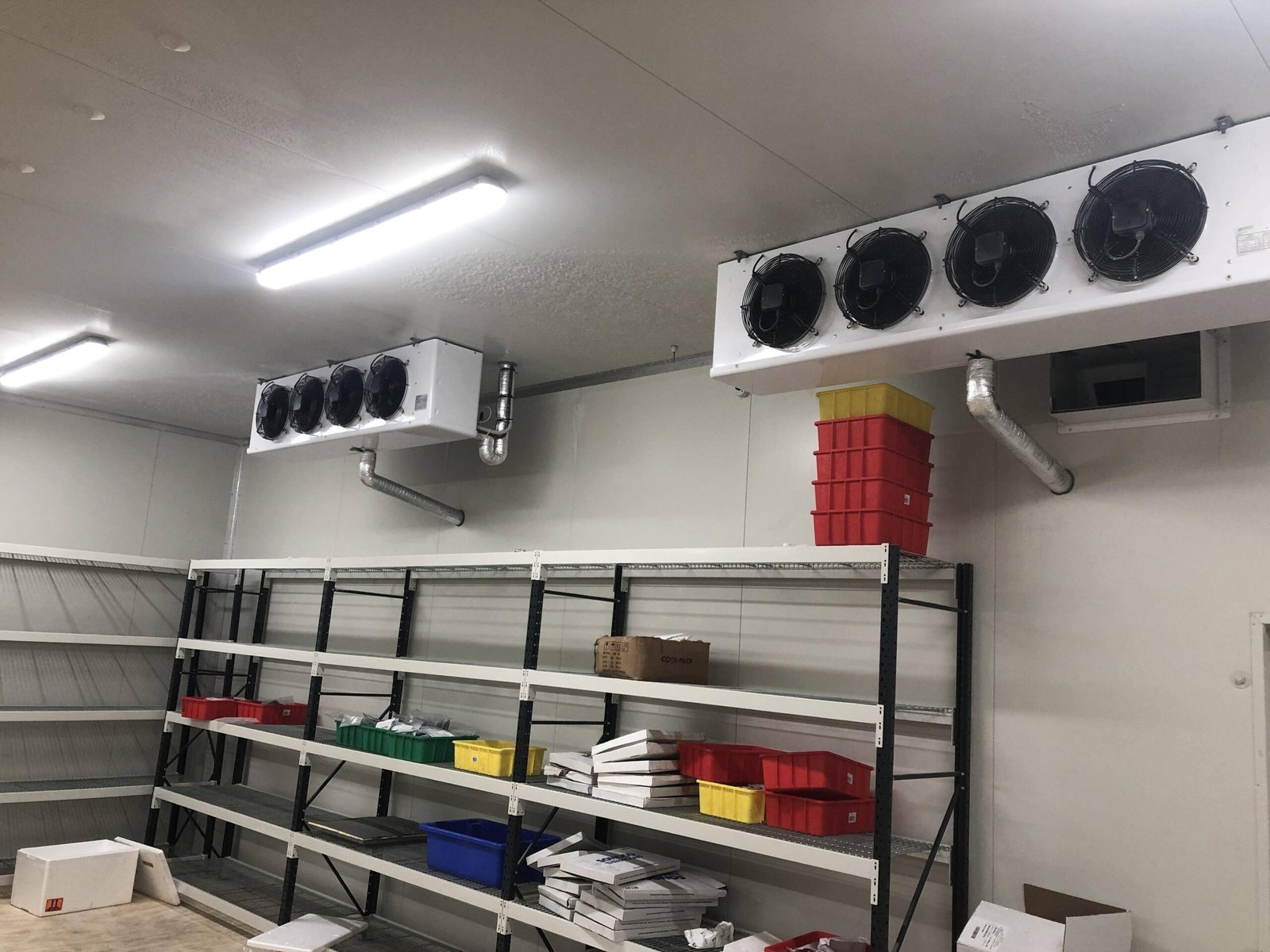
Think about the last time you visited a hospital. Beyond the smell of antiseptic, what did you feel in the operating room corridor? A distinct, undeniable chill. This isn’t a patient comfort choice or an oversight. For medical facility managers and global suppliers of critical environment systems, that cold is a meticulously engineered, non-negotiable parameter. The reasons are a masterclass in environmental control, with direct parallels and lessons for other high-stakes industries we supply, from pharmaceuticals to data centers.

Let’s break down the cold, hard facts.

Medical Precision and Infection Control: The Primary Drivers
The core temperature in a standard operating room is typically maintained between 18°C to 22°C (64°F to 72°F). This isn’t arbitrary. It’s the result of rigorous standards from bodies like the American Society of Heating, Refrigerating and Air-Conditioning Engineers (ASHRAE).
First, the human factor. Surgeons and their teams gowned in multiple layers of sterile drapes under high-intensity LED lights perform physically demanding, intricate work. A cooler environment prevents overheating, reduces perspiration (a major breach in the sterile field), and minimizes fatigue, directly impacting surgical precision and staff endurance.
Second, and most critically, is microbial suppression. Lower temperatures and controlled humidity (usually kept between 50% to 60% RH) slow the growth and reproduction rate of many airborne bacteria and pathogens. A cooler, drier environment is a less hospitable one for microbial contaminants, directly reducing the risk of Surgical Site Infections (SSIs). SSIs are a key quality metric for hospitals and a significant cost burden, making this environmental control a direct financial and clinical priority.
Here’s a snapshot of recent OR environmental standards (2020-2024 data):
| Parameter | Recommended Range | Industry Standard / Body | Primary Reason |
|---|---|---|---|
| Temperature | 18°C – 22°C (64°F – 72°F) | ASHRAE 170, CDC Guidelines | Staff comfort, microbial control |
| Relative Humidity | 50% – 60% | ASHRAE 170 | Prevents static, inhibits microbial growth |
| Air Changes per Hour (ACH) | Minimum 20, up to 40 for Ortho | ASHRAE 170, ISO Class 5 equivalent | Rapid contaminant removal |
| Room Pressure | Positive (to corridors) | AIA, FGI Guidelines | Contains contaminants within OR |
Lessons from Manufacturing: Stability Over Everything
If you supply climate-control solutions to precision manufacturing, this will sound familiar. An operating room is essentially a cleanroom for human biology. The principles mirror those in electronics assembly or pharmaceutical production.
In semiconductor fabs, temperature fluctuations of even a degree can cause microscopic alignment errors in lithography. Similarly, in an OR, stability is paramount. Anesthetic agents are temperature-sensitive. Patient core body temperature can drop rapidly under anesthesia (a condition called perioperative hypothermia), leading to complications like increased bleeding, wound infection risk, and prolonged drug effects. The cold ambient temperature is a controlled constant against which patient warming systems (like Bair Huggers) work precisely. It’s about managing the gradient, not just making things cold. For a B2B partner, understanding this nuance—the need for robust, stable baseline cooling working in tandem with point-of-care heating systems—is key to providing a complete solution.
The Overlooked Factor: Heat Load from Technology
Modern surgery is a tech-heavy affair. A single advanced OR can contain:
- Large surgical LED panels generating significant radiant heat.
- Multiple high-definition imaging displays and monitors.
- Electrosurgical units (ESUs), lasers, and robotic systems like the da Vinci Xi.
- Anesthesia machines and patient vital monitors.
This creates a substantial and variable heat load. The cooling system isn’t just maintaining a set point; it’s dynamically responding to this internal heat gain. This is identical to the challenge in server rooms or telecom shelters. The HVAC system must have the capacity and responsiveness to handle peak loads without fluctuation. For exporters, highlighting your equipment’s ability to handle high sensible heat ratios (SHR) is crucial here—it’s not just about cooling air, but removing the heat from equipment and lights efficiently.
Energy Efficiency and Airflow Dynamics: A Balancing Act
Running such intensive cooling 24/7 is energy-expensive. This is where modern, variable-capacity refrigeration technology becomes a major selling point. Newer magnetic bearing chillers and inverter-driven HVAC systems can modulate output precisely to match the real-time load, achieving significant energy savings—a top priority for hospital CFOs.
Furthermore, the “cold” is closely tied to airflow design. ORs use laminar or highly directed airflow systems (often from the ceiling down over the surgical table to the floor returns) to create a sterile “air curtain.” Cooler air is denser, which helps this laminar flow pattern remain stable and effective in sweeping contaminants away from the surgical site. It’s a integrated system: temperature, humidity, and airflow velocity are all codependent variables. Offering monitoring systems that track all three in real-time provides immense value to facility managers.
Beyond Medicine: The Semiconductor and Biotech Parallel
The most extreme correlation is with semiconductor cleanrooms and biotech labs. In these environments, temperature control is often tighter (±0.1°C) and humidity even more critical. While an OR might aim for 20°C±2°C, a photolithography bay may require 22°C±0.1°C. The principle, however, is identical: environmental stability ensures process reliability and product yield. For a manufacturer like us, this demonstrates the scalability and precision of our technology. The same core compressor, inverter, and control logic used in a high-end medical HVAC unit can be adapted for these even more demanding industrial applications. It’s a powerful message for distributors: you’re not just selling a cooler; you’re selling a platform for precision environmental stability.
Expert Q&A for Industry Partners
Q1: For a hospital looking to retrofit older ORs, what’s the biggest challenge in achieving these standards?
A: The biggest hurdle is often the existing infrastructure—ductwork size and layout. Modern high-ACH systems require specific air distribution. Retrofits may need a hybrid approach: a central plant upgrade for capacity and efficiency, coupled with modular, self-contained precision air handlers for individual ORs to manage airflow locally. This is a key application for our flexible, high-static-pressure fan coil units.
Q2: Is the demand for colder ORs increasing with new surgical technologies?
A: Not necessarily colder, but more stable and responsive. The heat load is increasing. Robotic systems and advanced imaging generate more heat in concentrated areas. The demand is for systems with faster thermal response rates and superior zoning capabilities to handle “hot spots” without overcooling the entire room.
Q3: From a procurement perspective, what certifications are non-negotiable for OR cooling equipment?
A: Beyond standard electrical safety certifications (like CE, UL), equipment should be designed and tested to meet ASHRAE 170 and ISO 14644 (cleanroom standards) for particulate and airflow performance. For key components like chillers, AHRI certification for performance ratings is critical for energy efficiency validation. Our products are developed with these certifications as a baseline.
Q4: How do you address the significant energy consumption concerns of hospital operators?
A: We focus on two data points: IPLV (Integrated Part Load Value) and compressor technology. A high IPLV rating proves efficiency under real-world, partial-load conditions, which is 90% of operation. We promote our magnetic bearing or inverter scroll compressors that offer a 10:1 or wider turndown ratio, meaning they can match exact cooling needs with minimal energy waste, often cutting HVAC energy use by 30-40% compared to fixed-speed systems.
Q5: For exporters, what’s a common oversight when specifying equipment for different global regions?
A: Climate and grid reliability. A unit specified for Scandinavia must handle different ambient conditions than one for the Middle East. More critically, in regions with unstable power, phase protection, voltage tolerance, and backup system integration (like thermal storage) are not add-ons but core design considerations. We provide regionalized specification guides with these factors pre-calculated.