
Viessmann Cold Rooms: Setup Secrets for Pharma, Hospitality & Retail

Forget a one-size-fits-all manual. If you’re a B2B dealer or project specifier sourcing cold rooms for your clients, you know the real challenge isn’t just bolting panels together. It’s about delivering a system that aligns perfectly with your client’s operational workflow, regulatory demands, and bottom line. Viessmann冷库, known for their engineering precision, offer a fantastic platform, but their true value is unlocked only through context-specific installation. Let’s break down what that really means on the ground, across different sectors.

Pre-Installation: The Make-or-Break Planning Phase
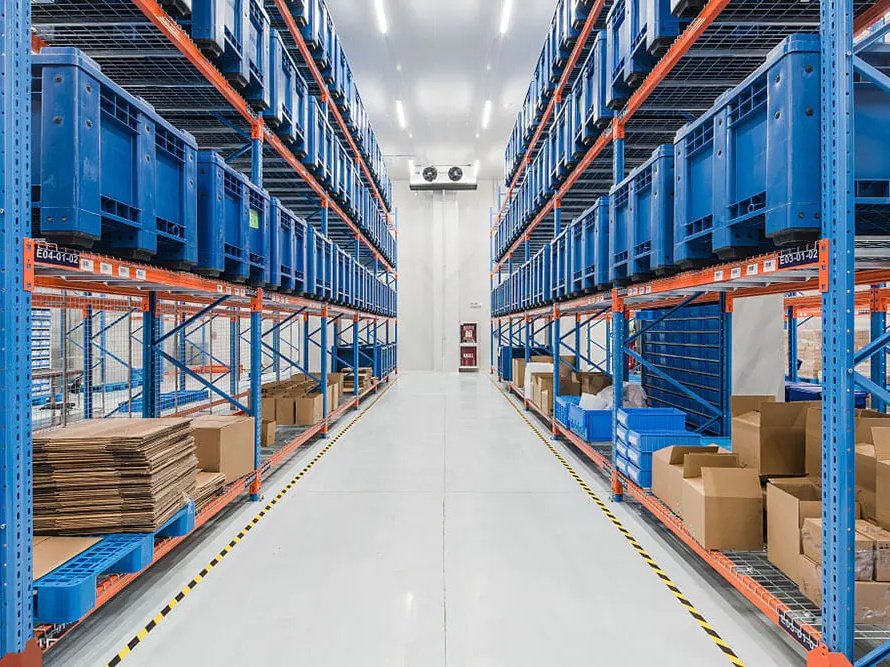
You’ve closed the deal on a Viessmann cold room. Now, the real work begins before the first panel even arrives on site. Rushing this phase is the number one cause of callbacks, cost overruns, and unhappy customers.
First, the site audit is non-negotiable. This isn’t just about measuring floor space. You need to document ambient temperature ranges, humidity levels, and floor load capacity. For a 2024 project, you should be considering future ambient shifts—summers are getting hotter in many regions, which directly impacts compressor sizing and condenser placement. Check the access route: doorways, corridors, elevators. Can the largest panel pass through? We’ve seen projects stalled because a 2.4m panel couldn’t navigate a 2.2m service elevator.
Electrical and structural prep is next. A Viessmann unit requires a stable power supply per the specific model’s specs. For a medium-sized frozen storage room (-25°C), you’re often looking at a dedicated 3-phase connection. The concrete pad must be perfectly level—a variance of more than 5mm over 3 meters can cause panel stress and door misalignment. Recommend a professional floor scan if dealing with an older building.
Procurement and staging are logistics chess. Ensure all components—panels, refrigeration unit, door, electrical kit—are scheduled for coordinated delivery. Nothing kills project momentum like the cold room being built but waiting two weeks for the monoblock. Use a staging checklist:
| Component | Pre-Installation Check | Common Pitfall |
|---|---|---|
| Insulated Panels | Check for transit damage, verify thickness (e.g., 100mm for -25°C). | Scratched laminate surface, dented locking mechanism. |
| Refrigeration Unit | Confirm voltage (e.g., 400V/50Hz/3ph), refrigerant type (R449A or R452A are common now). | Wrong voltage compatibility for the region. |
| Cold Room Door | Manual vs. electric, hinge side, heater and safety release verified. | Door swing direction blocking main workflow aisle. |
| Sealants & Hardware | Polyurethane sealant, corner brackets, fasteners all present. | Using non-PU sealant that cracks under thermal cycling. |
Sector-Specific Configuration Demands
Here’s where generic advice fails. A Viessmann冷库 in a restaurant operates under completely different parameters than one in a blood bank.
For Pharma & Biomedical Distributors: This is about audit trails, not just temperature. The installation must facilitate validation (IQ/OQ/PQ). Place the temperature data logger probe in a validated location, typically in a glycol bottle representing the thermal mass of the product, not just in the return air stream. The evaporator placement must ensure uniform air distribution around sensitive products. You’ll likely be integrating with a continuous monitoring system—factor in conduit routes for sensor cables during panel assembly. Post-2023 GMP updates in many markets emphasize extreme temperature excursion reporting, so the system’s alarm escalation setup (SMS/email) is part of your installation scope.
- Real Data Point: The global pharmaceutical cold chain logistics market was valued at USD 18.2 billion in 2023 and is projected to grow at over 8% CAGR. Your clients need installations that are audit-ready from day one.
For Hotel & Catering Operations: Speed, access, and hygiene dominate. For hotel banquet kitchens, install pass-through doors between the cold room and the preparation area to streamline service. In high-humidity environments (like dishwashing areas nearby), specify and install a unit with a robust hot-gas defrost cycle to prevent ice buildup. For beverage coolers (+4°C) in hotels, noise levels matter—ensure the condensing unit is installed in a well-ventilated but discreet location, not directly next to a guest room wall. Internal lighting (IP65 rated) is an often-overlooked but critical installation step for safety and efficiency.
For Retail Supermarkets: This is about integration and shopper perception. For a walk-in dairy cooler (+2°C), the installation must align with the store’s gondola layout. The evaporator fans must be quiet. Glass door installations require precise alignment of the anti-condensate heater wiring and magnetic gaskets. For back-of-house frozen storage, prioritize rapid pulldown performance. After installing the unit, verify the pull-down time from ambient to -18°C meets the spec sheet promise—this is a key performance metric retail managers understand.
Core Assembly & Refrigeration Setup
Now, to the physical build. Start with the floor panel assembly on the leveled base. Apply a continuous bead of PU sealant in the floor channel before inserting wall panels—this creates the primary vapor barrier. Assemble walls panel by panel, ensuring the cam locks engage with a solid “click.” Use a rubber mallet for seating, never a metal hammer. Square the structure as you go; don’t wait until the end to correct misalignment.
The roof is a two-person job. Lift it evenly and lower it onto the wall tops. Secure with roof angles.
Door installation is critical. Mount the frame plumb and level. Even a slight tilt will cause the door to swing open or not seal. After hanging, adjust the hinges and latch for a perfect seal. Test it: close the door on a piece of paper; you should feel firm resistance when pulling it out from any point around the perimeter.
For the refrigeration unit (monoblock or split), follow Viessmann’s clearances. For a split system, the condensing unit outdoors needs at least 1m of free airspace on all sides. When brazing lines for a split system, always use nitrogen purge to prevent internal oxidation. Post-braze, pressure test with an inert gas before evacuation. The vacuum pump must pull a deep vacuum (below 500 microns) and hold it to ensure the system is moisture-free. Then release the refrigerant charge as per the nameplate, weighing it in for accuracy.
Commissioning & Smart Integration
Power up. Set the digital controller. For a frozen room, don’t just set it to -25°C and walk away. Program a staged pull-down if the product load is warm. Configure the alarm parameters: high temp, low temp, door ajar, power failure. Test each alarm.
Modern B2B clients expect connectivity. Install and demonstrate the network module (like Viessmann’s Vitoguard). Show the distributor’s facility manager how to access temperature graphs on their phone, how to receive alarm texts, and how to grant remote view-only access to you, their dealer, for proactive support. This isn’t a fancy add-on anymore; it’s a standard part of the handover process for 2024. Document everything: photos of the installed unit, electrical connections, pressure test readings, and final controller settings. This folder is your handover package and your shield against false warranty claims.
Professional Q&A
Q: After installation, the Viessmann冷库 unit seems to be running constantly. What’s the first thing I should check as the dealer?
A: Immediately verify the door seal. A persistent small gap is the most common cause. Next, check the controller’s set point versus the actual displayed temperature. Then, inspect the condenser coil—if it’s in a dusty location or has restricted airflow, it can’t reject heat efficiently, causing long run times. Finally, confirm the client hasn’t overloaded the room or is frequently leaving the door open.
Q: My client in a humid coastal region complains about excessive ice buildup on the evaporator quickly after defrost. What during installation could have mitigated this?
A: This points to ambient moisture ingress. Beyond ensuring perfect door seals, the installation should have included a positive-pressure cold room setup if specified. This involves adjusting the unit’s fan curve to maintain a slight positive pressure inside, preventing moist ambient air from being sucked in through microscopic gaps. Also, verifying the drain line heater is operational and that the drain trap is properly primed during commissioning is crucial.
Q: We installed a large Viessmann split system. The client reports occasional high-pitched noise. Is this a commissioning issue?
A: Likely yes. It could be refrigerant floodback during compressor start-up if the charge isn’t precise or if the expansion valve isn’t adjusted correctly. It could also be compressor harmonics if the unit wasn’t mounted on vibration-absorbing pads or if refrigerant lines aren’t properly secured with damping clamps. A site revisit to check superheat/subcooling and physical mounting is needed.
Q: For pharmaceutical clients, how do we document installation for their validation protocols?
A: Create an Installation Qualification (IQ) dossier. It should include: signed equipment delivery checklist, photos of site preparation (level floor, power source), panel assembly sequence with torque values for fasteners (if applicable), refrigeration system logs (pressure test values, vacuum hold test, final weighed-in refrigerant charge), electrical connection certification, and the as-built drawing of the installation location. This turns your installation work into their compliance asset.