
The Unsung Industrial Workhorse: Demystifying AC Condensate Pumps for Commercial Applications
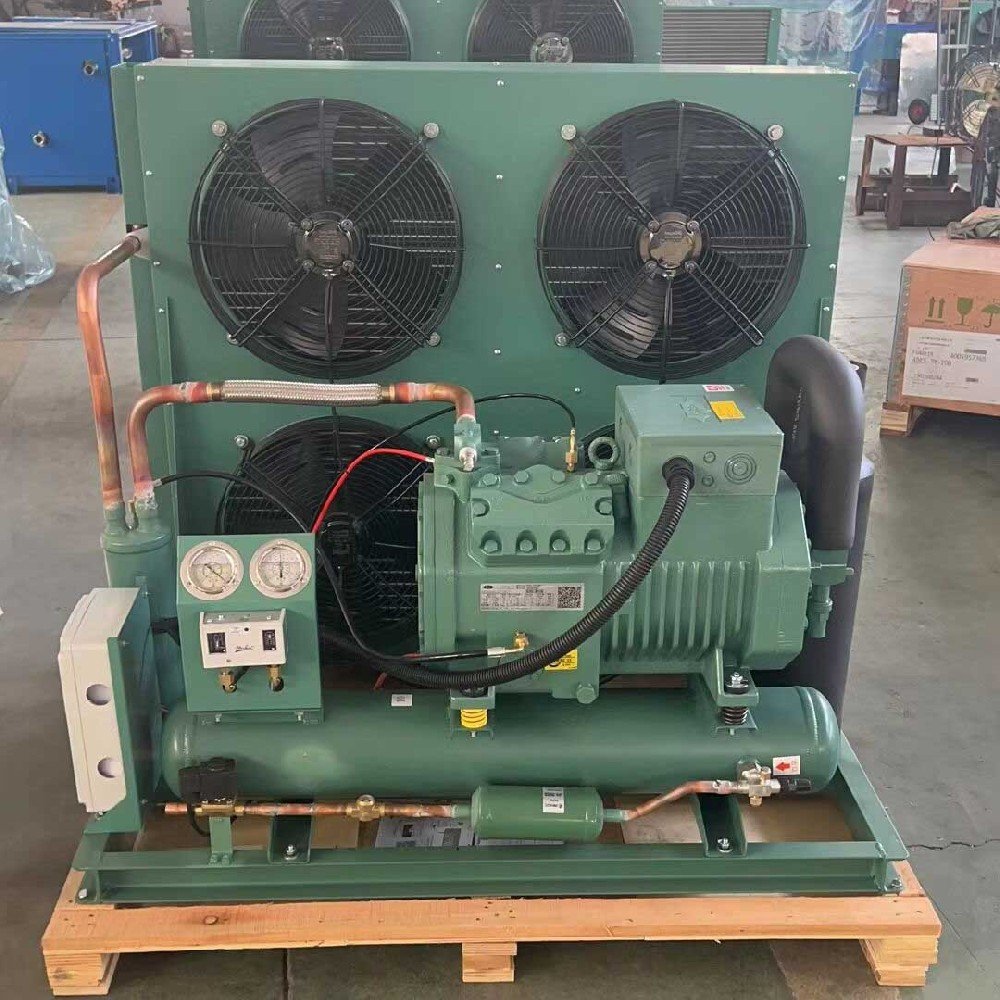
You’ve seen the steam rising from a skyscraper’s roof or felt the chill in a sprawling supermarket aisle. Behind that consistent climate control in commercial and industrial spaces lies a network of precise machinery. While compressors and evaporators get most of the attention, there’s a critical, often overlooked component ensuring the whole system doesn’t grind to a halt: the condensate pump.
So, what exactly is it? In simple, direct terms, a condensate pump in an AC unit, specifically in larger commercial HVAC systems, is a mechanical device designed to remove the water (condensate) produced when the evaporator coil cools and dehumidifies air. Unlike in many residential units where gravity can drain this water away, commercial installations often have air handlers in basements, interior rooms, or above drop ceilings where gravity drainage is impossible. The pump collects this water in a reservoir and, once it reaches a certain level, activates to pump it vertically and/or horizontally to a suitable drainage point.
H2: Beyond the Office: Condensate Pumps Powering Diverse Industries
The application of condensate pumps extends far beyond standard office air conditioning. They are vital for operational continuity and equipment protection across sectors. Here’s a look at their real-world impact:
- Hospitality & Data Centers: Imagine a high-rise hotel or a hyperscale data center. Air handling units are often located on intermediate floors. A failed condensate removal system can lead to water damage over sensitive server racks or expensive guest room renovations. Here, reliable, often dual-pump systems are non-negotiable for risk mitigation.
- Food & Beverage and Pharmaceutical Storage: In cold storage warehouses, pharmaceutical labs, or food processing plants, air conditioners and dehumidifiers run almost continuously to maintain strict humidity levels. This generates immense volumes of condensate. Robust, high-capacity pumps are essential to handle this constant flow and prevent microbial growth or facility damage in highly regulated environments.
- Manufacturing & Industrial Plants: Many industrial processes require precise environmental control. Condensate pumps in these settings must often handle not just water but potentially mild contaminants or higher temperatures, requiring models built with corrosion-resistant materials and rugged switches.
- Retail & Telecommunications: Large supermarkets and big-box retailers rely on rooftop units (RTUs). While some drain by gravity, configurations with complicated roof designs or internal drainage paths use condensate pumps. Similarly, telecom shelters housing electronic equipment use specialized mini-split systems with integrated pumps to protect sensitive gear.
H2: Technical Specs and Selection: What B2B Buyers Need to Scrutinize
For a distributor or procurement manager, understanding the technical differentiators is key to specifying the right product for your client’s project. It’s not a one-size-fits-all component.
Performance Metrics:
- Lift (Head Pressure): This is crucial. It’s the maximum vertical height the pump can push water, measured in feet or meters. Commercial applications often require lifts of 20-30 feet or more to reach drainage lines.
- Flow Rate: Measured in gallons per hour (GPH) or liters per hour (LPH), this indicates how much condensate the pump can move at a given lift. A server room dehumidifier will have different needs than a convention hall AC unit.
- Reservoir Capacity: The size of the collection tank dictates how often the pump cycles. A larger reservoir can reduce cycling frequency, prolonging pump life.
- Motor Type & Switch: Look for reliable, thermally protected motors. The switch that activates the pump (often a float switch or electronic sensor) is the most common point of failure. Redundant switches or solid-state sensors offer higher reliability for critical applications.
- Materials: In corrosive environments or with certain air qualities, reservoirs and switches made from antimicrobial plastics, stainless steel, or other treated materials prevent degradation and biofilm formation.
H2: Integration, Installation, and Maintenance for System Longevity
Specifying the right pump is only half the battle. Proper integration ensures performance.
Installation best practices include ensuring the unit is level, using appropriate PVC piping for discharge (often 3/4″ or 1″), installing a check valve to prevent backflow, and, critically, incorporating an external safety switch (like a water sensor or secondary float switch) wired into the HVAC system to shut it down if the primary pump fails. This is a standard requirement in many commercial codes to prevent overflow.
Maintenance is straightforward but vital. For B2B clients, offering a simple maintenance checklist enhances your value:
- Quarterly Inspection: Check the reservoir for debris, algae, or sludge. Clean as necessary.
- Switch Test: Manually lift the float or activate the sensor to ensure the pump starts and stops correctly.
- Discharge Line Check: Ensure the discharge line is not clogged or frozen.
- Test Run: Pour water into the reservoir to trigger a full cycle, verifying proper operation and listening for unusual noises.
H2: Market Trends and Data-Driven Insights for 2024
The global push for energy efficiency and smarter buildings directly impacts component-level choices. The condensate pump market is seeing clear shifts aligned with broader HVAC trends.
- Demand for Connectivity: There is growing interest in pumps with built-in alarm contacts or even IoT capabilities. These can send alerts for high water level (potential failure) or dry-running conditions, integrating into Building Management Systems (BMS) for predictive maintenance.
- Emphasis on Hygiene: Post-pandemic, awareness of indoor air quality (IAQ) has skyrocketed. Pumps with treated reservoirs that inhibit mold and bacterial growth are seeing higher specification rates in healthcare, education, and public facilities.
- Energy Efficiency Focus: While the pump itself uses minimal power, its role in system efficiency is critical. A failed pump can cause an entire AHU to shut down on a safety switch, leading to comfort issues, potential equipment damage, and energy waste as systems work harder to recover.
| Recent Market Data Snapshot (Global Commercial HVAC Components): | Application Segment | Estimated % of Condensate Pump Usage | Key Driver | Annual Growth Focus |
|---|---|---|---|---|
| Data Centers & Telecom | ~25% | Equipment protection, uptime guarantees | High-Reliability, Connected Models | |
| Healthcare & Labs | ~20% | Hygiene standards, regulatory compliance | Antimicrobial, Easy-Clean Designs | |
| Retail & Hospitality | ~30% | Preventing property damage, guest comfort | Cost-Effective Durability | |
| Industrial/Manufacturing | ~25% | Ruggedness, handling variable conditions | Corrosion-Resistant, High-Capacity Pumps |
Professional Q&A
Q1: A client reports their condensate pump is running continuously but not moving much water. What’s the most likely cause?
A: This almost always points to a clog. The first check is the discharge line—a kink, blockage, or frozen section will prevent water from escaping, causing the pump to cycle endlessly on the water still in the reservoir. The second is the pump volute or impeller, which can get jammed with debris from the dirty condensate line.
Q2: For a critical server room application, what pump features should I absolutely insist on?
A: Prioritize a unit with a dual-chamber design and redundant switches (like a two-float system or float + electronic sensor). This provides a backup pumping mechanism. Additionally, ensure it has alarm contacts (normally open/closed) that can be wired to the BMS or a local alarm to signal a high-water condition before an overflow occurs.
Q3: How does water quality (like acidity from coil treatments) affect pump selection and lifespan?
A: Highly acidic or alkaline condensate can degrade standard plastic reservoirs and switches over time. In such environments, specify pumps constructed from materials like stainless steel, certain engineered polymers (e.g., polyphenylene sulfide), or with coated components designed for chemical resistance. Always check the manufacturer’s material compatibility specifications.
Q4: Is there a measurable ROI for recommending a higher-grade pump with features like alarms?
A: Absolutely. The cost of a pump failure in a commercial setting is rarely just the $150-$400 replacement pump. It’s the service call, potential water damage repair, mold remediation, business interruption, and in severe cases, damage to other HVAC or building assets. A more reliable pump with alarm features acts as cheap insurance, preventing catastrophic loss and building your reputation as a value-added supplier.