
H2: The Core Component: Deconstructing the Condenser Coil’s Role in Heat Exchange

Let’s get straight to the point. In any refrigeration or air conditioning system, the condenser coil isn’t just another part; it’s the primary heat rejection powerhouse. Located within the outdoor unit (condenser unit) of a split-system AC or in the dedicated condensing section of commercial refrigeration equipment, its job is singular and critical: to release the heat absorbed from your indoor space or process into the outdoors.
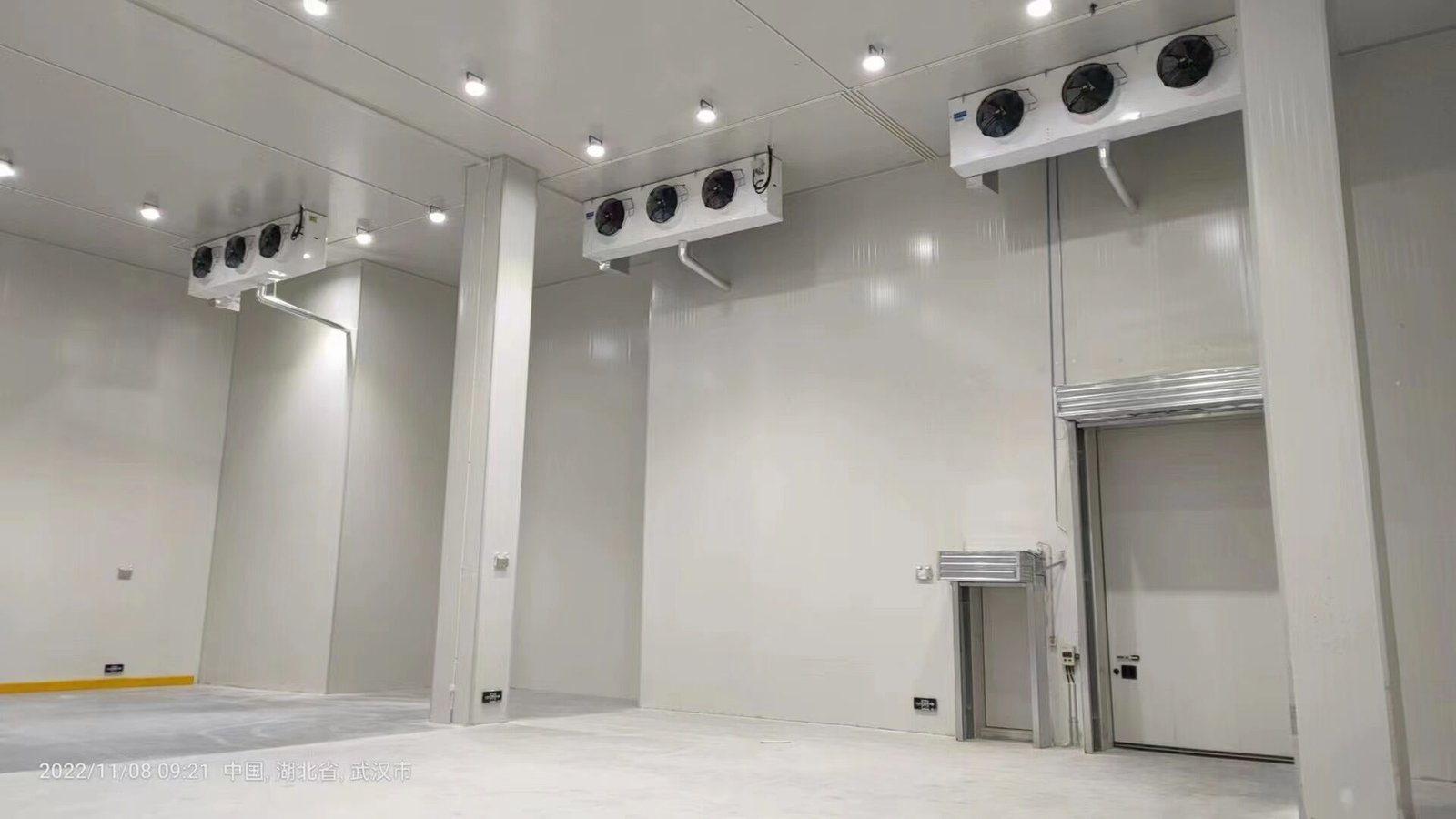
Here’s the simple mechanics. The refrigerant, after being compressed into a hot, high-pressure gas by the compressor, is pumped into the condenser coil. This coil, typically a network of copper or aluminum tubing with aluminum fins attached to increase surface area, acts like a radiator. As outdoor air is drawn over the coil by the condenser fan, the refrigerant inside the coil releases its latent heat. This causes the refrigerant to condense—changing from a hot gas into a warm liquid. This liquid then moves towards the expansion device, ready to begin the cooling cycle again. The efficiency of this phase change directly dictates system performance, energy consumption, and operational cost.

Key Technical Data for B2B Evaluation:
| Feature | Standard Specification | Impact on System Performance & Your Business |
|---|---|---|
| Tube Material | Copper (primary market standard) | Superior heat transfer, corrosion resistance, malleability for manufacturing. Higher material cost but longer lifespan. |
| Fin Material | Aluminum (predominant), Copper (premium) | Aluminum offers excellent cost-effectiveness and heat dissipation. Copper fins (full copper coils) are for highly corrosive environments. |
| Fin Design | Corrugated, Louvered, Spine Fin | Increases turbulence and surface area. Louvered fins can offer up to 30% better heat transfer than plain fins, directly boosting SEER/EER ratings. |
| Coil Rows & FPI | 1-3 rows typical; 12-20 Fins Per Inch (FPI) | More rows/FPI increase capacity but also air resistance. Must be balanced with fan motor power. Customization here is key for specific applications. |
H2: Cross-Industry Applications: Where Your Clients Need Precision Condensing
For a global distributor, understanding the application breadth is your sales roadmap. The condenser coil’s fundamental job remains the same, but its design, size, and robustness vary dramatically by sector.
Commercial HVAC & Data Centers: This is a high-volume market. The demand is for units with coils optimized for continuous, high-ambient-temperature operation. For telecom shelters or data centers, coils must handle 24/7 loads with extreme reliability. A failure here isn’t about comfort; it’s about catastrophic economic loss. Look for coils with enhanced corrosion protection (e.g., epoxy or hydrophilic coatings) for urban or coastal installations. Real-time market data shows a growing segment for inverter-driven condensing units with variable-speed fans, where the coil must perform efficiently across a wide range of operating conditions, not just at peak load.
Cold Chain & Food Processing: From blast chillers to walk-in freezers, the condenser coil fights grease, moisture, and sometimes corrosive washdown environments. Robust, easy-to-clean coil designs with wider fin spacing are critical to prevent clogging and maintain efficiency. The trend here is toward R290 (propane) or R744 (CO2) refrigerant-ready coils, as environmental regulations tighten in Europe and North America. Coils for these systems must be designed for higher operating pressures.
Medical & Laboratory Facilities: Precision and reliability are non-negotiable. Condenser coils for MRI cooling, laboratory chillers, or hospital HVAC must operate silently and with unwavering stability. These applications often use microchannel condenser coils—all-aluminum, brazed designs that are lighter, more efficient, and contain less refrigerant. They are also less prone to leaks from vibration, a key selling point for critical environments.
- Industrial Process Cooling: This includes plastic molding, laser cutting, and chemical processes. Coils here face the toughest conditions: chemical-laden air, extreme ambient heat in factories, and constant vibration. Heavy-gauge copper tubes, coated fins, and customized circuiting are the norms. Durability and custom engineering are the primary drivers, not just lowest cost.
H2: The Procurement Checklist: Technical Specifications That Matter for B2B Buyers
When you’re sourcing condenser units or coils for your inventory, move beyond basic BTU ratings. These technical details define quality, longevity, and client satisfaction.
- Corrosion Protection: This is the #1 factor in coil longevity. Blue Fin or Gold Fin coatings are electrostatically applied epoxy coatings that resist salt, acid rain, and industrial pollutants. In moderately corrosive environments, they can double a coil’s service life. For budget-conscious projects in clean environments, bare aluminum fins may suffice, but the premium for coated coils is often justified.
- Refrigerant Compatibility: The global phase-down of HFCs (like R410A) is real. Ensure the coils you source are rated and tested for both current refrigerants (R410A) and next-generation alternatives like R32 (becoming the new global standard for residential/small commercial) and R454B. Coils for R32 systems typically have smaller internal volumes and are designed for slightly higher pressure.
- Thermodynamic Design: Ask for the MTD (Mean Temperature Difference) or coil face area. A well-designed coil with a larger face area or optimized circuitry can reject the same amount of heat with lower fan speed, reducing noise and energy use. This is a key differentiator between low-cost and high-efficiency units.
- Manufacturing Integrity: Look for evidence of quality: Mechanically expanded tubes for a tight, consistent fin-to-tube bond, brazed joints (not just soldered) at the U-bends and distributor connections, and pressure testing certifications. A leaky coil is a guaranteed warranty return.
H2: Operational Realities: Maintenance, Failure Signs, and Cost Implications
Your B2B clients—facility managers, contractors—need to know what happens in the field.
A dirty or blocked condenser coil is the most common preventable cause of system failure. When fins are clogged with dirt, pollen, or leaves, heat transfer plummets. The system compensates by running longer, the compressor works under higher head pressure, and energy bills soar. In extreme cases, the high-pressure switch will trip, shutting the system down completely, or the compressor will fail—a repair that often costs more than a new condenser unit.
Routine maintenance is non-negotiable. This means scheduled cleaning with soft brushes and specialized coil cleaners—never high-pressure water, which can bend the delicate fins and reduce airflow. For distributors, this opens an opportunity: bundling maintenance contracts or selling coil cleaning solutions alongside the hardware.
Signs of a failing coil include:
- A noticeable drop in cooling capacity.
- The unit cycling on the high-pressure limit switch.
- Significantly higher than normal energy consumption.
- Visibly corroded or damaged fins (over 20% damage requires coil replacement).
H2: Innovation and Market Directions: What’s Next for Condenser Coil Technology
Staying ahead means understanding the engineering trends. The drive is toward higher efficiency (meeting global SEER2 and MEPS standards), lower environmental impact, and smarter systems.
- Microchannel Heat Exchangers (MCHE): Gaining rapid share, especially in the North American and European unitary market. These all-aluminum coils use flat, multi-port tubes and are brazed in a nitrogen furnace. Benefits: up to 30% reduction in refrigerant charge, lighter weight, better corrosion resistance, and often higher efficiency. The trade-off can be a higher sensitivity to dirt clogging, requiring better filtration.
- Hydrophilic Coatings: Now almost standard on quality coils. This coating causes water to form a thin film (sheeting) rather than droplets, which reduces water retention and improves heat transfer while minimizing mineral deposit buildup.
- Integration with IoT: Smart condensing units are emerging. Sensors monitor coil temperature differential, air pressure drop across the coil, and ambient conditions. This data can predict fouling, schedule maintenance, and optimize fan speed in real-time, moving from preventive to predictive maintenance models.
Professional Q&A for B2B Decision-Makers
Q1: From a quality control perspective, what are the key tests we should verify our manufacturer performs on condenser coils?
A: Insist on three core tests. 1. Helium Mass Spectrometry Leak Test: More sensitive than a standard pressure decay test, it ensures leak rates are virtually zero. 2. Destructive Testing: Periodic cross-sectioning of coils to verify fin-collar contact and tube expansion integrity. 3. Thermal Performance Test: Coils should be tested in a wind tunnel against AHRI-410 standards to verify published capacity and pressure drop data under various operating conditions.
Q2: How do global environmental regulations, like the EU F-Gas Regulation, impact condenser coil design and our inventory planning?
A: They directly drive material and design changes. Regulations pushing for lower GWP refrigerants like R32 (GWP 675) vs. R410A (GWP 2088) require coils designed for higher operating pressures. This means thicker tube walls, robust brazed joints, and different lubricant compatibility. For your inventory, it’s crucial to phase out units designed only for R410A in markets affected by these regulations and stock models certified for R32 and other A2L refrigerants, which also require leak detection and safety compliance.
Q3: For a distributor serving both residential and light commercial markets, is stocking microchannel (MCHE) and traditional fin-and-tube coils necessary?
A: Yes, in the current transition phase. MCHE coils are dominant in new residential and light commercial unitary products from major brands due to efficiency and regulatory benefits. However, the traditional copper tube/aluminum fin coil remains essential for the replacement market, for applications in very dirty environments (where MCHE can be harder to clean), and for custom-built commercial systems where specific circuiting and robustness are required. A balanced inventory covering both technologies is the most strategic approach for the next 3-5 years.
Q4: What is the realistic lifetime difference between a standard aluminum-fin coil and one with an epoxy anti-corrosion coating in a coastal region?
A: Data from field studies in high-salinity environments shows a significant divergence. A standard bare aluminum fin coil may experience substantial corrosion leading to fin powdering and reduced efficiency within 5-7 years. A quality epoxy-coated (e.g., Blue Fin) coil, with proper annual maintenance, can reliably extend service life to 12-15 years or more. The upfront cost premium for the coated coil is typically recovered through extended unit life and maintained efficiency, a strong value proposition for your clients in corrosive environments.