Viessmann Cold Rooms: The Unspoken Advantage in Global Supply Chains
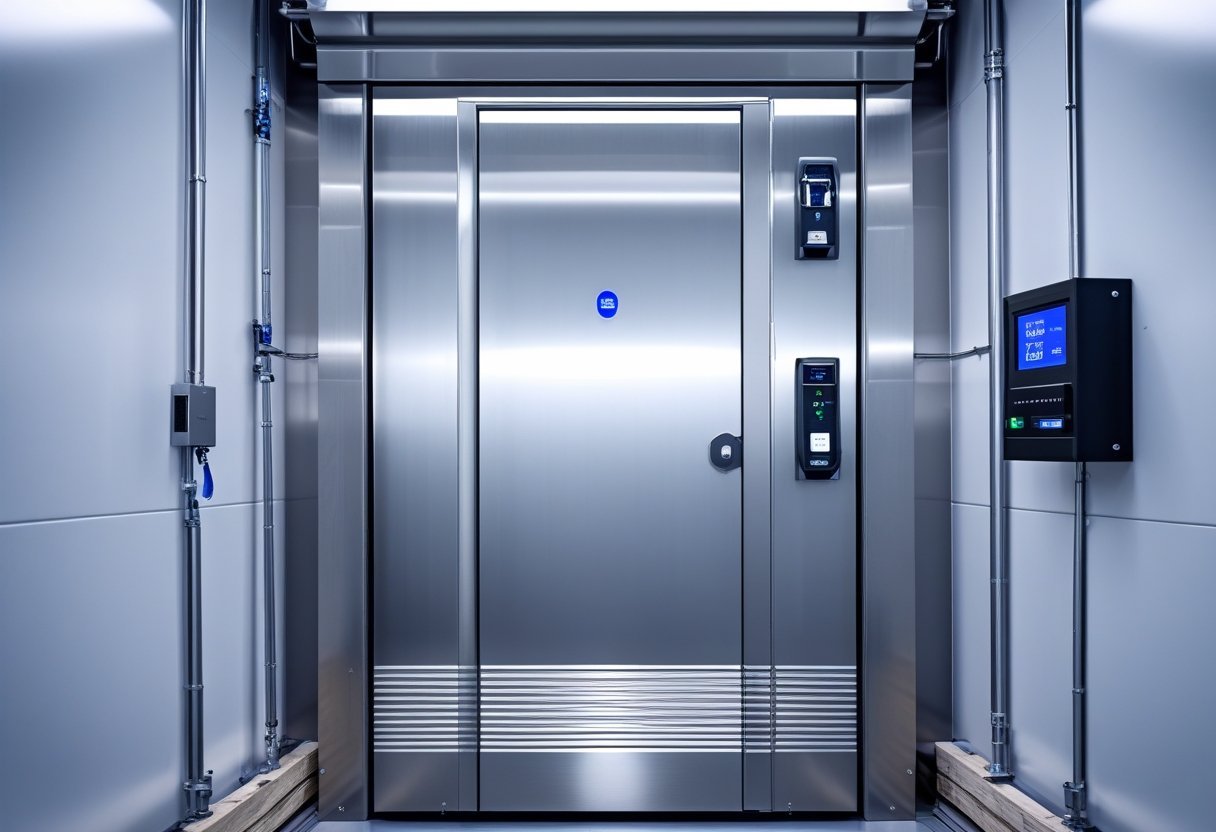
Look, when you’re sourcing cold rooms for your clients – whether they’re in pharmaceuticals, premium groceries, or hospitality – the decision goes beyond just a price tag. It’s about the headaches you won’t have to deal with down the line. Here’s the real talk on what sets Viessmann apart for B2B operators who can’t afford downtime.
The Efficiency That Directly Hits Your Client’s Bottom Line
Your commercial clients run on margins. Energy isn’t just a utility cost; it’s a constant, gnawing operational expense. Viessmann cold rooms are engineered to tackle this head-on.
The core of this is their refrigeration technology. We’re talking about scroll compressors that are built for continuous, heavy-duty commercial cycles, not light domestic use. They operate at lower noise levels and with significantly less vibration, which translates directly to longer component life and fewer service interruptions. More importantly, they modulate. Instead of just being “on” or “off,” they adjust their output precisely to the actual cooling demand. On a typical day with frequent door openings in a restaurant kitchen or a retail store, this can slash energy consumption compared to a conventional on/off unit.
Let’s get specific with the numbers. The following table contrasts estimated annual energy consumption for a standard 20 cubic meter cold room (+2°C to +8°C) in a temperate climate, based on publicly available performance data and EU energy labeling benchmarks:
| Feature / Specification | Standard Commercial Unit | Typical Viessmann Cold Room Unit | Implication for the Operator |
|---|---|---|---|
| Annual Energy Consumption | ~4,200 kWh | ~2,850 kWh | Direct cost saving of ~1,350 kWh/year |
| Compressor Type | Fixed-speed piston compressor | Variable-speed scroll compressor | Less wear, adaptive cooling, lower peak load |
| Typical Annual Energy Cost (€0.18/kWh) | ~€756 | ~€513 | Annual saving: ~€243 per unit |
| Heat Recovery Option | Rarely available | Integrated system available | Waste heat can be used for water pre-heating, boosting total system efficiency by up to 20% |
This isn’t theoretical. For a distributor supplying ten units to a supermarket chain, that’s €2,430 in annual client savings you can demonstrate from day one. It makes your quote not an expense, but an investment with a clear ROI.
Built for the Specifics of Your Industry
A one-size-fits-all cold room is a compromise, and compromises fail in professional settings. Viessmann’s strength is in its application-specific configurations.
- For Food Retail & Hospitality: It’s about precision and presentation. They offer robust medium-temperature rooms for produce with tight humidity control to minimize weight loss and wilting. For pastry kitchens or sushi counters, their blast chillers pull temperatures down rapidly, adhering to HACCP standards and preserving food texture and safety. The interior finishes are smooth, easy-to-clean, and resistant to impacts – because you know a stock cart will bump the wall eventually.
- For Pharma & Laboratories: Here, it’s about unwavering reliability and documentation. Units are designed for precise temperature ranges (like +2°C to +8°C for vaccines) with minimal fluctuation. Advanced monitoring systems provide continuous, logged data crucial for regulatory compliance (like GDP, GMP). Alarms are not just audible; they are relayed via SMS or email, ensuring a temperature excursion is never missed, protecting invaluable inventory.
- For Floral and Specialty Agriculture: This is a humidity game. Their systems maintain very high, stable humidity levels (often 90-95%) without causing condensation drip on the products, extending vase life and shelf life dramatically. For exporters shipping flowers or rare herbs globally, this directly reduces spoilage rates upon arrival.
The point is, when you approach a client in a niche vertical, you’re not just selling a “cold box.” You’re providing a climate-control solution that speaks their language and solves their unique spoilage, compliance, or quality-preservation challenges.
Control and Connectivity You Can Manage Remotely
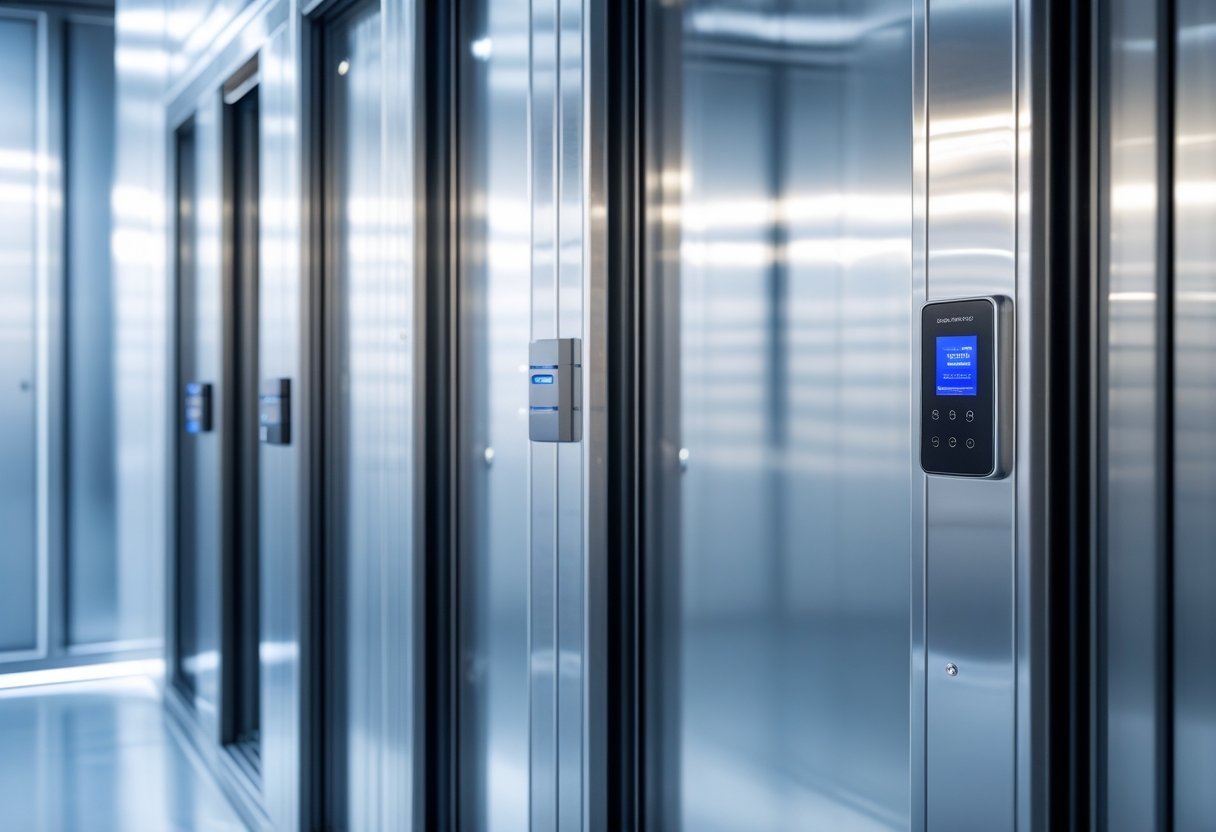
Modern operations are managed from dashboards. A cold room shouldn’t be an isolated island. Viessmann’s integrated control systems, like their Vitotronic technology, change the game for multi-site managers.
Imagine a restaurant group with five locations. The head chef or facilities manager can check the real-time status, temperature, and alarm history of every cold room from a single PC or even a smartphone. They receive an immediate alert if a door in Kitchen #3 is left ajar or if a compressor in Café #5 shows a pre-failure warning.
This level of connectivity means proactive maintenance. It means preventing a total breakdown because an issue was flagged and addressed at the earliest sign. For you as a dealer, this also streamlines support. A client calls with an alert code; you can often diagnose it remotely before dispatching a technician with the right part, improving first-time fix rates and client satisfaction immensely.
What Deployment and Long-Term Support Actually Look Like
You need a supplier that makes your project smooth, not one that adds layers of complexity. Viessmann structures its B2B channel to support this.
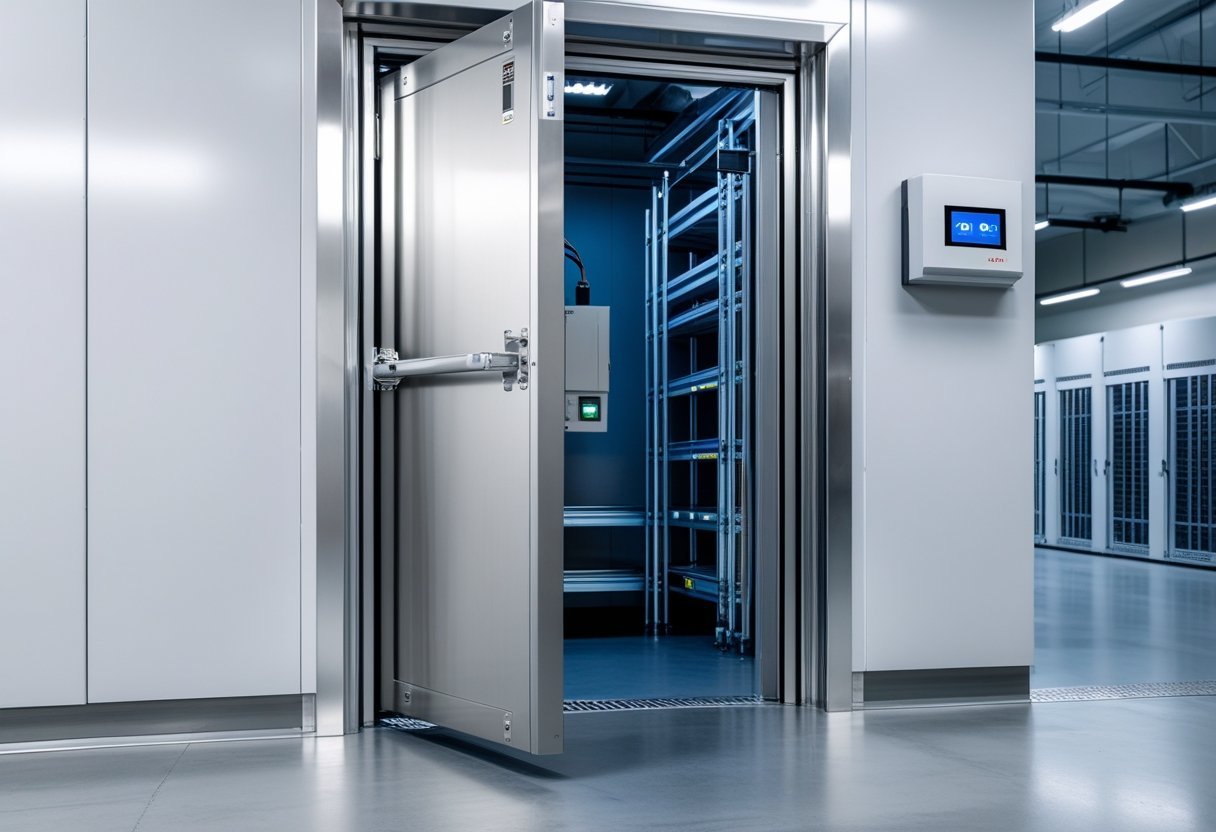
Their units are often designed for simplified assembly with precision pre-fabricated panels, reducing on-site installation time and potential errors. This is crucial when coordinating with construction schedules for new hotels or supermarket renovations.
But the real test comes years later. Their global spare parts availability and clear technical documentation mean you’re not left hanging. For international distributors, this supply chain reliability for components is as critical as the initial product quality. It allows you to offer credible, long-term service contracts, turning a one-time sale into a recurring service relationship. The product’s durability—from robust door hinges to corrosion-protected cabinets—ensures those service calls are for maintenance, not major repairs.
Navigating Global Compliance and Standards
Selling across borders means navigating a maze of certifications. Viessmann products are typically pre-certified to key international markers that simplify your due diligence.
- CE Marking: Mandatory for the European Economic Area, affirming compliance with EU safety, health, and environmental requirements.
- REACH & RoHS: Compliance demonstrates control over the use of hazardous substances, a growing concern in all industries.
- Energy Labeling (EU, UK, etc.): Their high-efficiency ratings place them in top categories (A++ or better), which is often a prerequisite for public tenders and green building certifications.
- Material Safety: Use of FDA-compliant and food-safe materials in relevant models is standard.
- Electrical Standards: Built to meet IEC/EN standards, with adaptations for local market voltages and regulations.
Having these as a baseline means you can confidently present the equipment to procurement departments in Europe, the Middle East, Asia, and beyond, knowing fundamental regulatory hurdles are already cleared.
Professional Q&A
Q: For a client looking to achieve LEED or BREEAM certification for a new building, how can Viessmann cold rooms contribute to the scoring?
A: Significantly. Their high energy efficiency directly contributes to points in the “Energy Performance” category. The option for natural refrigerant gases (like R290 propane) with very low Global Warming Potential (GWP) can earn points in “Materials & Resources” and “Refrigerant Management.” Furthermore, detailed, accessible performance data from Viessmann aids in the required building energy modeling and documentation.
Q: We have a pharmaceutical distributor client with unreliable power grids. What specific features should we highlight?
A: Focus on two aspects: 1. Thermal Mass & Integrity: Viessmann’s high-density insulation and superior door seals extend the “holdover” time—the duration the internal temperature stays within safe limits during a power outage. 2. Integrated Backup Systems: Highlight the compatibility and pre-configuration options for connecting to standby generators or uninterruptible power supply (UPS) systems, with automatic switchover to protect sensitive inventories without manual intervention.
Q: Beyond temperature, what monitoring data points are most valuable for a high-end grocery chain aiming to reduce shrink (product loss)?
A: Door-open Events (frequency and duration) are critical—they identify staff procedure issues. Humidity Levels are vital for fresh produce, deli, and floral sections; low humidity leads to脱水, high humidity can promote mold. Defrost Cycle Data ensures the system is defrosting efficiently without causing unintended temperature spikes. A Viessmann system can track and report all these, providing actionable data for operational improvement, not just alarm triggers.
Q: How does the total cost of ownership (TCO) for a Viessmann unit typically compare against a lower-priced competitor over a 10-year period?
A: While the initial investment is often higher, the TCO is typically lower. The calculation factors in: 1. Energy Savings (€240+ per year, as shown earlier). 2. Reduced Maintenance Costs due to higher-grade components and reliable operation. 3. Lower Spoilage Risk from precise temperature control, protecting inventory value. 4. Longer Operational Lifespan. Over a decade, the accumulated energy and avoidance of major repairs usually offset the higher purchase price, resulting in a lower net cost and far less operational risk.