
Beyond Cooling: How Condensing Units Power Industries from Farm to Pharma

Title: The Heartbeat of Industries: Why Your Business Can’t Afford to Ignore the Refrigeration Condensing Unit

Let’s cut straight to the chase. You’re in the business of buying and selling equipment, and you’ve seen every component under the sun. The refrigeration condensing unit? It’s not just another box with a compressor and a fan. It’s the non-negotiable, hard-working core of any vapor-compression refrigeration system. If the evaporator is the system’s “cold hand,” the condensing unit is its “hot, beating heart and lungs,” rejecting heat to keep the whole operation alive. For a B2B distributor, understanding this isn’t technical nitpicking—it’s the key to unlocking value for your clients across every sector that relies on controlled temperatures.
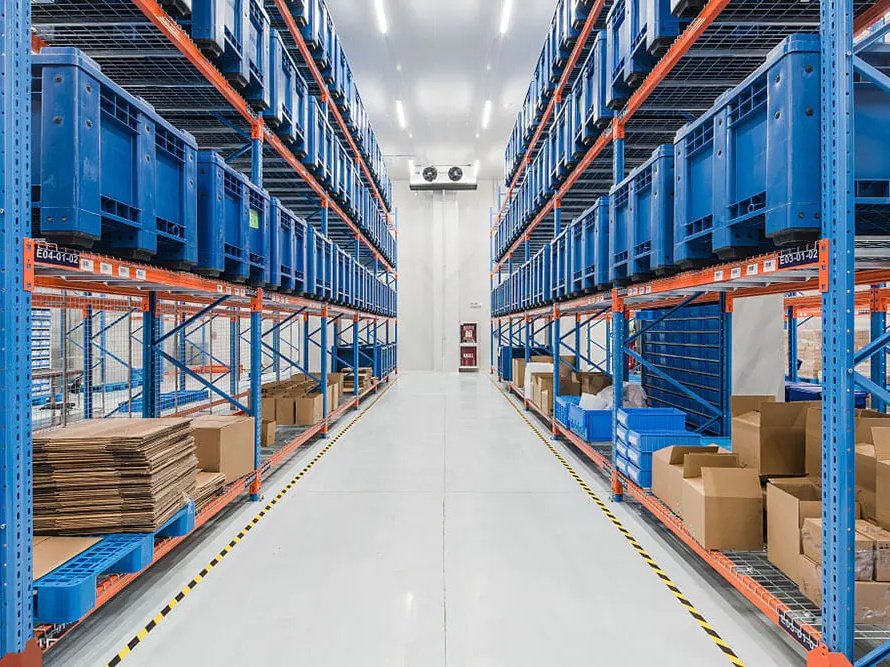
Forget a one-size-fits-all narrative. The essentiality of a condensing unit shifts dramatically depending on the industry it serves. Its failure isn’t just an “equipment downtime” entry in a log; it’s spoiled vaccines, wilted greens, halted chemical processes, and massive financial loss. Let’s break down why this component is the critical linchpin in modern commerce and industry.
The Food Chain’s Silent Guardian: From Harvest to Hypermarket
In global food logistics, temperature is the single most important factor determining profit or loss. The condensing unit is the frontline defense in this battle.
For a seafood exporter in Norway shipping salmon to Tokyo, the condensing units in reefer containers must maintain a precise -2°C to 0°C range for days on end. A unit with a high-efficiency scroll compressor and corrosion-resistant coils isn’t a luxury; it’s what ensures the product arrives with premium shelf-life. Similarly, a massive cold storage warehouse in Rotterdam handling thousands of pallets relies on a bank of robust, weatherproof outdoor condensing units. Their combined capacity and reliable operation, often monitored via IoT sensors for predictive maintenance, ensure that the flow of frozen peas, ice cream, and ready-meals to European supermarkets never falters.
Recent data from the Global Cold Chain Alliance underscores this reliance: the global cold storage market is projected to grow at a CAGR of over 8.5%, directly driving demand for reliable, energy-efficient condensing units. A distributor offering units with features like variable speed drives (VSD) isn’t just selling hardware; they’re selling operational cost savings and carbon footprint reduction—key selling points in today’s market.
Key Consideration for Food & Beverage Distributors:
- Hygiene & Material: Look for units with coated coils and stainless-steel fittings for washdown environments (e.g., breweries, dairy processing).
- Capacity Stability: Units must handle high ambient temperatures, especially in Middle Eastern or Southeast Asian markets, without drastic efficiency drops.
Precision in Healthcare: More Than Just “Cold”
Here, the condensing unit’s role transcends preservation—it becomes a matter of efficacy and safety. Pharmaceutical warehouses, blood banks, and research laboratories don’t just need “cold”; they need unwavering stability and documentation.
A condensing unit for a -80°C ultra-low temperature (ULT) freezer storing mRNA vaccines or critical research samples is a masterpiece of engineering. It often works in cascaded systems and must have ultra-reliable controls. Any fluctuation or failure could result in losses worth millions and delay medical breakthroughs. For a distributor, offering units with redundant compressor systems, seamless alarm integration with Building Management Systems (BMS), and compliance with stringent regulatory standards (like WHO PQ or EU GMP guidelines) is essential.
The biobanking sector alone, valued at over $50 billion, is a testament to this critical need. The condensing units here are the unsung heroes ensuring the integrity of biological samples for decades. A B2B partner who understands the critical link between compressor reliability and sample integrity provides indispensable value.
Key Consideration for Pharma/Healthcare Distributors:
- Regulatory Compliance: Units must support validation protocols (IQ/OQ/PQ). Documentation and traceability of components are crucial.
- Redundancy & Alarming: Features like dual independent refrigerant circuits or backup compressor modules are often mandatory in tender specifications.
The Engine of Industrial Processes & Data
Beyond storage, condensing units are active process enablers. In the chemical industry, they condense gases in distillation processes. In plastic manufacturing, they cool molds for injection molding machines with chilling systems. The efficiency and cooling capacity of the condensing unit directly impact production speed and product quality.
Perhaps the most demanding modern application is in data center cooling. The server racks of a cloud data center generate immense heat. Precision air conditioning (PAC) systems, powered by robust condensing units (often as part of chilled water systems or direct expansion units), work 24/7 to maintain specific humidity and temperature. Their failure means automatic server shutdown—a catastrophic event with costs exceeding $9,000 per minute for large operations, according to recent industry reports. Distributors serving this sector focus on units with exceptional energy efficiency ratios (EER/IEER), low sound levels for urban installations, and seamless integration with free cooling technologies.
| Industry | Primary Demand from Condensing Unit | Consequences of Failure | Key Feature for B2B Sales |
|---|---|---|---|
| Food Logistics | Reliable capacity, humidity control, hygiene | Spoilage, supply chain disruption, financial loss | Energy efficiency (VSD), corrosion protection, remote monitoring |
| Pharmaceuticals | Precise temperature stability, audit trails, redundancy | Loss of valuable drugs/vaccines, regulatory non-compliance | Compliance support, alarm systems, backup systems |
| Data Centers | 24/7 reliability, high efficiency, precise control | Server downtime, data loss, massive financial penalties | High IEER ratings, integration capability, low sound power |
| Chemical/Plastics | High heat rejection, process stability, durability | Production halt, inconsistent product quality, safety risks | Robust construction, capacity at high ambients, process-specific design |
Selecting the Right Unit: A Distributor’s Strategic Checklist
As a B2B expert, your value lies in guiding clients beyond the basic HP/KW rating. Here’s what matters now:
- Refrigerant Transition: With the global phasedown of HFCs (like R404A, R507) under the Kigali Amendment, leading with units designed for next-generation, low-GWP refrigerants (e.g., R448A, R449A, R513A, or natural refrigerants like CO2/Ammonia systems) is critical. This future-proofs your client’s investment.
- Intelligence & Connectivity: Modern condensing units are IoT devices. Units that offer remote performance monitoring, predictive maintenance alerts, and energy consumption tracking help your clients move from reactive repairs to proactive facility management.
- Total Cost of Ownership (TCO): Shift the conversation from upfront price to TCO. A slightly more expensive unit with a VSD compressor can pay back its cost in energy savings within 18-24 months in a high-usage cold storage facility.
- Adaptability to Local Conditions: A unit destined for the high humidity of Southeast Asia needs different coil and corrosion protection than one for the arid, dusty climate of the Middle East. Your expertise in matching the product to the local environment is key.
The Bottom Line for Global Trade
The global condensing unit market is evolving rapidly. Driven by stringent energy regulations (like the EU Ecodesign Directive), the push for sustainability, and the explosive growth of cold chain logistics and data infrastructure, demand is for smarter, greener, and more reliable units.
For you, the international distributor, this isn’t just about moving metal boxes. It’s about providing the critical component that enables food security, medical advancement, industrial production, and digital connectivity. By deepening your technical knowledge of this essential piece and aligning your portfolio with these global trends, you transition from a supplier to a strategic partner, helping your clients build more resilient, efficient, and profitable operations.
Professional Q&A for B2B Decision-Makers
Q1: For a new cold storage warehouse project, should I always recommend the condensing unit with the highest EER/COP rating?
Not automatically. While high efficiency is crucial, the unit must be correctly sized for the specific design conditions (ambient temperature, required evaporating temp, load profile). An oversized, highly efficient unit will short-cycle, leading to wear, poor humidity control, and reduced efficiency. A properly sized unit with a good part-load efficiency (often achieved with VSD) is superior to an oversized peak-efficiency unit. Always conduct a detailed load calculation first.
Q2: What’s the single biggest mistake you see in condensing unit installation that impacts performance?
Inadequate airflow and poor placement. Condensing units reject heat, so they need ample, unobstructed airflow. Installing units too close to walls, stacking them without spacing, or placing them in enclosed alleys where hot air recirculates is common. This causes high head pressure, tripping on safety controls, surging energy consumption, and premature compressor failure. Always follow the manufacturer’s clear space recommendations rigorously.
Q3: With the phase-out of high-GWP refrigerants, is it safe to invest in HFO-blend based units now, or will they be regulated soon?
Current HFO-blends (like R448A, R449A) have significantly lower GWPs (around 1300-1500) compared to traditional HFCs (R404A GWP ~3900). They are considered medium-term “drop-in” or “near-drop-in” solutions under current regulations like the EU F-Gas regulation. Investing in units designed for these refrigerants is a strategic move for the next 10+ years. For the very long term, the industry is moving towards “ultra-low” GWP options like natural refrigerants (CO2, Ammonia) and new A2L-classified HFOs, which require specific safety standards.
Q4: How critical is remote monitoring capability for a B2B dealer’s service offering?
It’s becoming a competitive necessity. Remote monitoring allows you and your client to see real-time performance (pressures, temperatures, energy use), receive instant fault alerts, and often diagnose issues before they cause downtime. This transforms your service model from break-fix to proactive maintenance, creating a stronger, sticky customer relationship and opening up service contract revenue. It reduces emergency call-outs and builds your reputation as a technology leader.