
Why Condensation Units Are the Unsung Heroes Across Every Industry’s Cooling Systems

Let’s cut straight to the point: if you’re in the business of moving temperature-sensitive products or managing critical infrastructure, you know cooling is non-negotiable. But the real workhorse, the component that makes the whole system tick, isn’t always the flashy part. It’s the condensation unit. Think of it as the system’s engine room. Without it efficiently doing its job, the entire cooling process grinds to a halt. For B2B dealers and global traders, understanding this isn’t just technical trivia—it’s what lets you recommend the right equipment, ensure client satisfaction, and avoid costly operational failures.

The Food and Beverage Cold Chain: Where Reliability Equals Profit
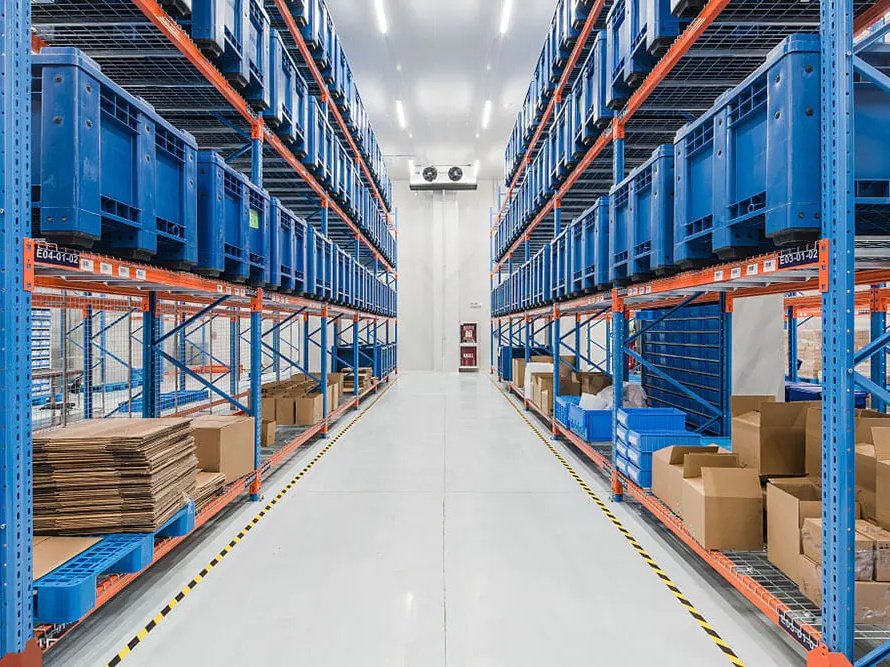
In global food trade, a broken cold chain means spoiled goods, financial loss, and damaged reputations. Here, the condensation unit isn’t just essential; it’s your insurance policy.
For a dealer, specifying a refrigeration container for seafood export or a blast chiller for a meat processing plant comes down to the condensing unit’s specs. It handles the high heat load from rapid pulldown temperatures. A robust unit with a high-efficiency coil and a reliable compressor ensures that a shipment of Chilean salmon stays at a consistent -2°C from the processing plant to a supermarket in Dubai. The latest units now integrate with IoT monitoring systems, providing real-time data on pressure and temperature that you can offer as a value-added service to your clients. This allows them to prove compliance with international food safety standards (like HACCP, FDA) during audits—a major selling point.
The real-time data speaks volumes: in 2024, the demand for energy-efficient condensing units in transport refrigeration has grown by over 18% year-on-year, driven by stricter global regulations and soaring fuel costs. Clients aren’t just buying a cooler; they’re buying predictability and lower total cost of ownership.
Pharmaceuticals and Healthcare: Precision is Non-Negotiable
This is where tolerance for error is zero. Vaccine storage, plasma banks, and pharmaceutical warehouses require temperature control with deviations often not exceeding ±2°C. The condensation unit in these precision systems is the guardian of that stability.
For a dealer serving this sector, you’re dealing with clients who have to meet WHO-GSP, EU GMP, or similar guidelines. The conversation shifts from simple cooling to “validated thermal performance.” The condensing unit must offer flawless, consistent heat rejection under varying ambient conditions. A lab storing clinical trials at -80°C cannot afford a compressor cycling irregularly due to poor heat exchange.
Modern units for this industry feature redundant systems, such as dual compressors or backup circuits, and are built with materials that withstand rigorous cleanroom environments. The data loggers integrated into these systems provide unbroken, audit-ready trails. When you supply such a system, you’re not just moving hardware; you’re enabling compliance that protects public health and billion-dollar research investments. The market for ultra-low temperature (ULT) condensing units in biopharma logistics is projected to reach $1.2 billion by 2025, highlighting its critical and growing role.
Data Centers and Tech Infrastructure: Cooling the Digital Backbone
The cloud isn’t vapor—it’s physical, hot, and power-hungry servers. For every kilowatt of power that runs a server, you need nearly another kilowatt to cool it. The condensation unit in a data center’s CRAC (Computer Room Air Conditioning) or chilled water system is a direct line-item on the electricity bill and a key factor in uptime.
B2B dealers working with commercial infrastructure focus on two metrics: PUE (Power Usage Effectiveness) and reliability. A modern, variable-speed condensing unit can adjust its fan and compressor output to match the exact IT load and outside air temperature, drastically cutting energy use. In 2023, data centers using advanced adiabatic pre-cooling coupled with high-efficiency condensers reported PUE improvements of up to 30% in suitable climates.
The conversation here is about scale and efficiency. A poorly selected or maintained condensing unit leads to thermal throttling of servers, hardware failure, and catastrophic downtime costs—averaging nearly $9,000 per minute for large operations. You’re selling not just cooling, but risk mitigation and operational cost savings.
Table: Impact of Condenser Efficiency on Data Center Operational Costs (Annual Estimate for a 1MW IT Load Facility)
| Condenser System Type | Average PUE | Annual Energy Cost for Cooling* | Estimated Carbon Footprint (Tonnes CO2e) |
|---|---|---|---|
| Standard Air-Cooled | 1.7 | $420,000 | 2,450 |
| High-Efficiency VFD Air-Cooled | 1.4 | $280,000 | 1,630 |
| Water-Cooled with Free Cooling | 1.2 | $140,000 | 820 |
*Based on average industrial energy cost of $0.12/kWh. VFD = Variable Frequency Drive.
Industrial and Manufacturing Processes: The Core of Product Integrity
From chemical processing and plastics manufacturing to metal plating and automotive painting, process cooling is integral. Here, the condensation unit manages the heat removed from process fluids, ensuring reaction stability, product consistency, and equipment safety.
Take a plastics injection molding factory. The hydraulic power unit and the mold itself require precise chilling. If the condensing unit on the chiller fails, the mold temperature rises, leading to defective parts—wasted material, lost production time, and delayed orders. For a dealer, understanding the specific process heat load (often in tons of refrigeration or kW) and the ambient conditions of the factory floor (which might be dusty or hot) is key to specifying a unit with adequate capacity, corrosion-resistant coatings, and proper filtration.
The rise of Industry 4.0 means clients now demand condensing units that feed performance data into their SCADA systems for predictive maintenance. Being able to supply a unit with Modbus TCP/IP or BACnet connectivity is a major competitive advantage, allowing plant managers to see a compressor’s health trend and schedule service before a failure disrupts a 24/7 production line.
Professional Q&A for B2B Decision-Makers
Q1: For a dealer new to the industrial sector, what’s the most common mistake in specifying a condensing unit for a process chiller?
A: Underestimating the actual ambient operating temperature. A unit spec’d for a 35°C outdoor environment will drastically lose capacity and fail prematurely if installed on a factory floor where ambient air near the unit reaches 45°C due to process heat. Always add a significant safety margin (often 10-15%) to the stated maximum ambient temperature and insist on proper installation airflow.
Q2: With fluctuating refrigerant regulations globally (like the EU F-Gas phase-down), how can we future-proof our equipment offerings?
A: Focus on modular condensing units designed for low-GWP (Global Warming Potential) refrigerants like R-454B, R-32, or even natural refrigerants like CO2 (R-744) and Ammonia (R-717). Leading manufacturers now offer “platform” designs where the core architecture can handle multiple refrigerants. This protects your clients from regulatory obsolescence and gives you a forward-compatible product line.
Q3: Our clients complain about high maintenance costs. Which features in a condensing unit most directly reduce long-term service needs?
A: Prioritize these: 1) Corrosion-resistant coatings (e.g., epoxy on coils) for coastal or harsh industrial environments. 2) Variable speed drives (VSD) on fans and compressors—they reduce mechanical stress and cycling wear. 3) Oil management systems in screw compressor units that ensure proper lubrication and extend compressor life. 4) Integrated smart controls that provide actionable alerts for issues like filter clogging or unusual vibration, enabling planned maintenance instead of emergency repairs.
Q4: How significant is the noise level of a condensing unit in B2B sales, and what are the solutions?
A: Extremely significant, especially for urban installations like supermarkets, hotels, or hospitals. Noise complaints can lead to legal issues and operational restrictions. Low-noise models featuring large, slow-rotating fans, sound-attenuating housings, and compliant mounting frames are now a standard request. Be prepared to offer acoustic data sheets and, if needed, canopy solutions. It’s a key value-add that moves the conversation beyond just price and capacity.