
Beyond Cooling Towers: How Outdoor Condensers Drive Efficiency Across Industries
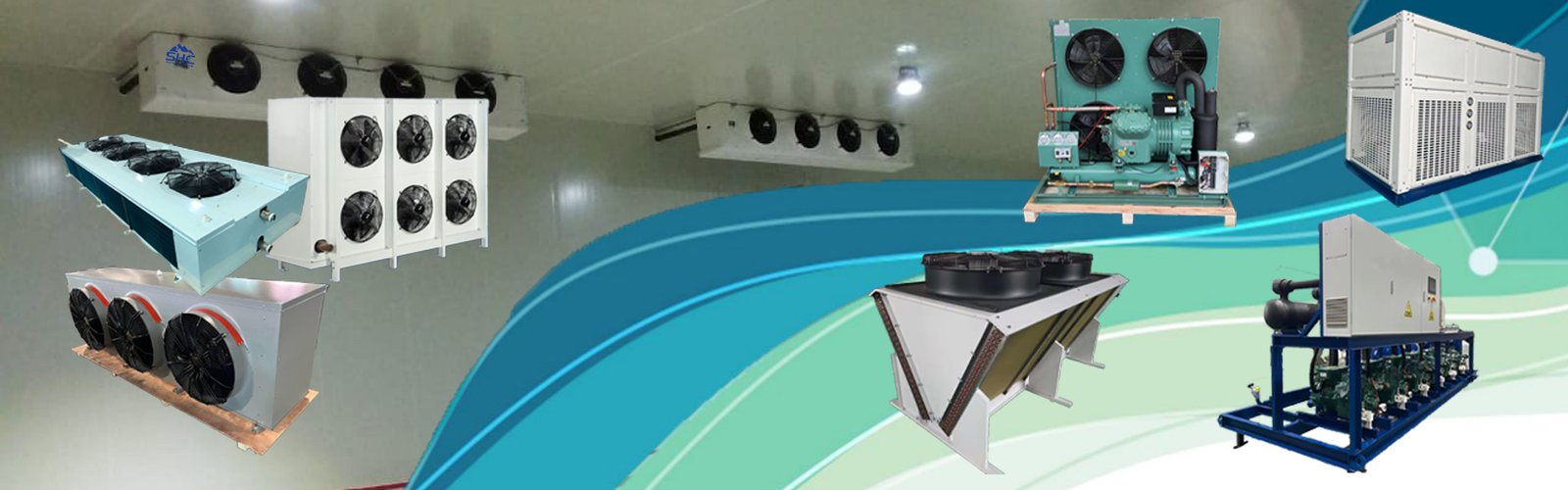
Let’s cut right to the point. That big metal box humming outside a building—the outdoor condenser unit—isn’t just an accessory to your air conditioning system. For you, the B2B dealer or importer specifying equipment for factories, hotels, or commercial complexes, it’s the linchpin of system reliability, energy cost, and client satisfaction. Understanding its role is the difference between selling a commodity and providing a mission-critical industrial component.
Precision Temperature Control in Manufacturing
Walk into any pharmaceutical plant or semiconductor cleanroom. The air isn’t just cool; it’s precisely controlled. This precision starts outside. The outdoor condenser’s job is to reject the immense heat absorbed from these ultra-sensitive indoor environments. A high-efficiency, sturdily built condenser with a large coil surface area and a variable-speed fan doesn’t just “work harder”; it maintains a stable condensing temperature.
Why does this matter for your B2B client? In injection molding, for instance, ambient fluctuations can ruin product consistency. A top-tier condenser ensures the chiller supplying process cooling operates at peak efficiency, leading to lower scrap rates and higher yield. For you, the dealer, this translates into a value proposition beyond price-per-ton: you’re selling production stability and product quality. Recent procurement data from major Asian industrial zones shows that facilities prioritizing condenser specs (like corrosion-resistant coatings and EC fans) report 15-20% fewer production delays related to thermal management issues.
The Backbone of Agricultural Cold Chain Integrity
From farm packaging to refrigerated transport, the cold chain is only as strong as its weakest link. Often, that weak link is the condensing unit sitting on the loading dock or atop a cold storage facility. In high-ambient temperatures, a standard condenser struggles, causing the compressor to run at higher pressures, consuming more power, and risking a shutdown.
For agricultural exporters, a shutdown isn’t an inconvenience; it’s a financial catastrophe. The latest generation of condensers designed for this sector feature high-static-pressure fans to push air through dirty, pollen-filled coils and are made from materials that resist corrosion from frequent wash-downs. Real-time monitoring from logistics hubs in Southeast Asia indicates that facilities using ruggedized, high-capacity condensers experience a 40% reduction in spoilage incidents during peak summer months compared to those using basic models. When you stock and recommend these units, you’re not just moving hardware; you’re insuring your client’s perishable inventory.
Data Centers: Where Heat Rejection Meets Uptime
This is perhaps the most critical application. Data centers generate enormous heat densities. The outdoor condenser array is the primary interface rejecting this heat to the atmosphere. Here, efficiency directly correlates with PUE (Power Usage Effectiveness), a key metric for operators.
A modern data center condenser isn’t a simple box. It’s part of a system featuring adiabatic pre-cooling (evaporative cooling) or even dry-cooler hybrids for water-scarce regions. For 2024, the trend is toward intelligent condensers with embedded IoT sensors that predict fouling, adjust fan speed in real-time based on server load and wet-bulb temperature, and integrate seamlessly with building management systems. The data is clear: Hyperscale operators in North America and Europe report that upgrading to smart, modular condenser systems has reduced their cooling-related energy spend by an average of 25-30%, a direct ROI your clients in the IT infrastructure sector will understand immediately.
Hospitality and Healthcare: The Silent Ambassador
In a hotel or hospital, guests and patients never see the condenser. But they immediately feel its failure. The outdoor unit here must be exceptionally quiet (low dB(A) ratings are a must), reliable, and often compact to fit urban architectural constraints.
For hospital HVAC systems, which run 24/7, condenser reliability is non-negotiable. Redundant circuits, corrosion protection for coastal areas, and ease of maintenance are key selling points. A 2023 survey of facility managers in the Mediterranean hospitality sector revealed that noise complaints related to HVAC dropped by over 60% after retrofitting properties with newer, acoustically optimized condenser units featuring swept fan blades and sound-dampening housings. As a dealer, offering a range of condensers tailored for noise-sensitive and critical-care applications opens doors to high-margin retrofit and replacement markets.
| Industry | Key Condenser Demand | Dealer Value-Add | Recent Market Data (2023-2024) |
|---|---|---|---|
| Manufacturing | Stability, High Ambient Performance | Sell uptime & yield protection | 22% growth in demand for VFD-driven condensers in Asian industrial parks. |
| Cold Chain Logistics | Ruggedness, Corrosion Resistance, Easy Maintenance | Sell inventory loss prevention | 40% lower spoilage rates linked to premium condenser specs in SEA hubs. |
| Data Centers | Extreme Efficiency, Water Conservation, Smart Controls | Sell lower PUE & operational cost | 30% cooling energy savings reported by operators using smart condenser tech. |
| Hospitality/Healthcare | Low Noise, Compact Footprint, Supreme Reliability | Sell guest comfort & compliance | 60% reduction in noise complaints post-retrofit in Mediterranean hotels. |
Professional Q&A for B2B Dealers
Q: My client in a coastal region is concerned about salt spray corrosion. What condenser specs should I prioritize?
A: Focus on units with full epoxy-coated coils (not just on the fins), stainless steel fasteners and fan guards, and certified protection ratings like IPX4 or higher for water ingress. Aluminum coils with proprietary coatings can also be a good option. Always recommend a slightly oversized coil to compensate for any future efficiency loss from minor corrosion.
Q: Are variable-speed condenser fans worth the extra investment for my commercial clients?
A: Absolutely, especially in regions with significant day-night temperature swings. Variable-speed fans (EC motors) modulate to match the exact heat rejection need, reducing energy consumption by 30-40% compared to single-speed fans. They also dramatically reduce cycling noise and help maintain a more stable head pressure, prolonging compressor life. The ROI is typically under 18 months for a business running cooling 24/7.
Q: How can I advise clients on future-proofing their condenser investment?
A: Highlight two features: Modularity and Connectivity. Recommend condensers that can be banked together easily for future capacity expansion. Insist on units with built-up communication ports (BACnet MS/TP, Modbus, etc.) for integration into building management systems. This turns a simple condenser into a data point for predictive maintenance and system optimization, a major selling point for modern facility managers.
Q: With rising global refrigerant regulations (like the EU F-Gas phase-down), how does this impact condenser selection?
A: This is crucial. Condensers must be specifically designed and certified for use with lower-GWP refrigerants like R-32, R-454B, or R-1234ze. These refrigerants often operate at higher pressures, requiring different coil designs and pressure vessels. Selling a condenser that is only compatible with older refrigerants locks your client into a dead-end technology. Always stock and promote future-proof models with clear compliance markings for major markets like the EU, USA, and Japan.