
Let’s be straight with each other. If you’re in the business of sourcing, selling, or installing cooling units for industrial clients, you already know one thing: heat is the enemy. But here’s what most buyers still get wrong — they think any cooling unit will do the job just fine. That’s a costly mistake. I’ve seen it happen across industries. A pharmaceutical warehouse loses millions because a condenser fails at 3 AM. A data center goes offline for 12 minutes and the damage hits six figures. A cold storage facility for seafood sees a 1°C drift and the entire batch gets rejected at customs.

The industry you serve doesn’t matter as much as the performance of the cooling unit you put in. The question is: why is the cool unit itself the single most critical component for optimal performance? And why should you, as a B2B distributor or exporter, care more about the specs than the price tag? Let’s walk through the numbers, the real-world pain points, and the opportunities that come with getting it right. No fluff, no metaphors — just the facts your clients need to hear.

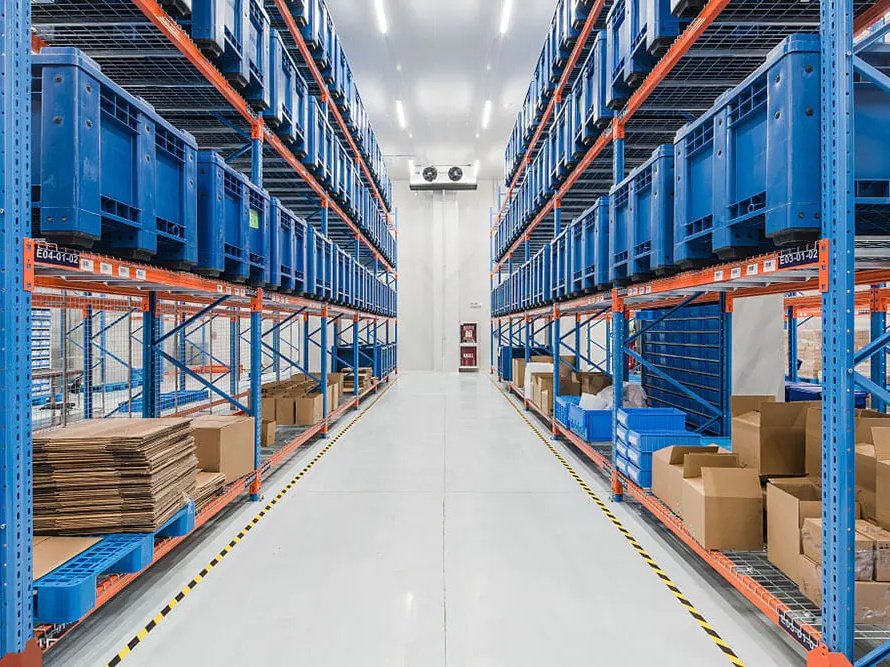
The Food Industry – Cold Chain Reliability Is Non‑Negotiable
If you supply cooling units to food processors, cold storage warehouses, or refrigerated transport companies, you already deal with the harsh reality of the cold chain. A single breakdown can ruin thousands of dollars’ worth of product in hours. But here’s the part that doesn’t get enough attention: the cooling unit’s ability to maintain consistent temperature across varying ambient conditions is what separates a reliable system from a disaster waiting to happen.
Take the global frozen food market. In 2024, the cold chain logistics market was valued at roughly $320 billion, and it’s growing at over 15% annually, according to a report by MarketsAndMarkets. The demand for frozen and chilled foods is increasing, especially in Asia and the Middle East. That means more refrigeration units are being installed in environments where outdoor temperatures hit 45°C. A standard residential‑grade condenser won’t cut it. You need a unit designed for high ambient temperature operation, with oversized coils, heavy‑duty compressors, and reliable defrost cycles.
Here’s a quick look at what happens when the cool unit underperforms in the food sector:
| Condition | Temperature Deviation | Consequence | Estimated Loss per Incident (USD) |
|---|---|---|---|
| Frozen storage | +2°C for 4 hours | Product texture change, spoilage | $12,000 – $50,000 per pallet |
| Chilled meat transport | +1.5°C for 6 hours | Bacterial growth, shelf life reduced by 40% | $8,000 – $20,000 per container |
| Dairy storage | +0.8°C for 12 hours | Separation, off‑flavor | $5,000 – $15,000 per batch |
| Seafood cold room | +1°C for 24 hours | FDA rejection at import | Up to $100,000 per shipment |
These aren’t hypotheticals. I’ve had clients in Indonesia and Nigeria tell me they lost entire containers of frozen chicken because the cooling unit couldn’t keep up during a power fluctuation. The unit restarted but the compressor flooded. By the time the tech arrived, the temperature had crept to -8°C instead of -18°C. The product was still frozen, but the quality was gone. The buyer refused to pay.
The cooling unit you choose for food applications must have:
- A wide operating ambient range (at least –10°C to +50°C)
- Reliable defrost control (electric or hot gas)
- Corrosion‑resistant coils (especially in coastal or humid areas)
- Easy access to filters and fans for regular cleaning
Don’t assume that a cheap unit from a generic manufacturer will work. Your clients in the food business need uptime. They need parts availability. And they need a cooling unit that can survive a monsoon season or a desert summer without dropping the ball.
Pharmaceutical Storage – Temperature Clarity Saves Lives
Now let’s talk about drugs. Not the recreational kind — the vaccines, biologics, insulin, and oncology drugs that need strict temperature control. Your clients in the pharma sector are under constant regulatory pressure. They have to comply with WHO GDP, EU GDP, US FDA 21 CFR Part 11, and a dozen other acronyms. The cooling unit is the backbone of their storage system. If it fails, it’s not just money — it’s patients’ health.
I’ll give you a real number. In 2023, the global vaccine cold chain equipment market was $5.6 billion. A big chunk of that goes to cooling units for walk‑in cold rooms and refrigerated trucks. But the biggest headache for pharma distributors is temperature excursion. According to a 2024 survey by Parenteral Drug Association, nearly 70% of cold chain deviations are caused by equipment failure — and the cooling unit is the prime suspect.
Pharmaceutical products are categorized by temperature ranges. Here’s a standard breakdown:
| Category | Temperature Range | Common Products | Risk If Out of Range |
|---|---|---|---|
| Refrigerated | +2°C to +8°C | Vaccines, insulin, some biologics | Loss of potency, mandatory discard |
| Frozen | -20°C to -10°C | Plasma, some vaccines | Ice crystal damage, structural changes |
| Cryogenic | Below -80°C | Cell therapies, mRNA | Complete loss, no recovery |
| Controlled room temp | +15°C to +25°C | Some tablets, suppositories | Degradation, chemical instability |
Notice something? Most of these ranges are very narrow. A ±1°C deviation in a +2–8°C cold room can be the difference between a compliant shipment and a regulatory nightmare. The cooling unit must not only maintain setpoint but also recover quickly after door openings, compressor cycles, and ambient temperature swings.
I’ve seen pharma warehouses in Dubai install an oversized cooling unit thinking it would be better. But the unit short‑cycled because the room was too small. The temperature swung by 3°C every 15 minutes. That’s a disaster for vaccines. The right approach is a properly matched unit with a variable speed compressor or a carefully sized fixed‑speed system with a good controller.
For pharma applications, your clients should look for:
- Temperature uniformity within ±0.5°C across the room
- Real‑time error logging and alarm output
- Battery‑backed controllers that survive power outages
- Stainless steel or antimicrobial coatings for hygiene
And don’t forget the backup. A power outage of 2 hours in a +2–8°C room can push the temperature to 12°C if the cooling unit doesn’t have a backup power source or a phase‑change material backup. Your clients need to plan for worst‑case scenarios. The cooling unit is just one part of the system, but it’s the most active part.
Data Centers – Avoiding the Heat‑Related Crash
Alright, let’s move from cold rooms to server rooms. Data centers are a completely different beast. They don’t store frozen food or vaccines — they store bits and bytes. But they generate massive amounts of heat. A single server rack can produce 20 kW or more of heat. Without a reliable cooling unit, that heat builds up fast. Servers throttle down or shut down. The result: downtime, lost revenue, and angry clients.
In 2024, the average cost of data center downtime was $9,000 per minute, according to a Ponemon Institute report. A 10‑minute failure costs $90,000. A 30‑minute failure costs $270,000. And the most common cause of unplanned downtime? Cooling system failure. Yes, the cooling unit is the weak link.
Data center cooling units are typically called CRAC (Computer Room Air Conditioner) or CRAH (Computer Room Air Handler) units. They need to handle high sensible heat loads, low humidity control, and precise temperature setpoints. Most modern data centers run at a supply temperature of 18–22°C, but the real challenge is air distribution, not just raw cooling capacity.
Here’s a table showing energy consumption breakdown in a typical medium‑sized data center:
| Component | Percentage of Total Energy | Notes |
|---|---|---|
| IT equipment | 45% – 55% | Servers, storage, networking |
| Cooling system | 30% – 40% | CRAC/CRAH units, chillers, pumps |
| Power distribution | 10% – 15% | UPS, PDU, losses |
| Lighting and other | 2% – 5% | Minimal |
So the cooling unit is the second largest energy consumer. That means efficiency matters. A high‑efficiency cooling unit with EC fans, inverter compressors, and free cooling capability can cut cooling energy by 30% to 50% compared to an old fixed‑speed system. For a 1 MW data center, that’s a savings of $100,000 to $200,000 per year in electricity costs.
But efficiency alone isn’t enough. Reliability is king. Your clients in the data center space need cooling units with:
- N+1 or 2N redundancy (at least one extra unit)
- Hot‑aisle/cold‑aisle containment compatibility
- Remote monitoring with SNMP or Modbus
- Low water consumption (if using evaporative cooling)
- Ability to operate at higher chilled water temperatures (like 12°C to 15°C) to enable chiller plant savings
I’ve seen a data center in Mumbai run seven CRAC units in a room that only needed four. They overspent on capital and electricity because the cooling units couldn’t handle the high ambient humidity. The units had to work harder to dehumidify, wasting energy. The right cooling unit with proper humidity control would have solved it.
Another trend is liquid cooling for high‑density racks. That’s a different setup, but the principle stays the same: the cooling unit must match the heat load exactly. Don’t over‑ or under‑size. And don’t ignore maintenance. A dirty filter can reduce cooling capacity by 15% and increase fan power by 20%.
Industrial Manufacturing – Process Stability Equals Profit
Now for the factory floor. Industrial manufacturing covers everything from plastic injection molding to chemical processing to metal fabrication. And every one of these processes generates heat. The cooling unit’s job here is not just to keep the people comfortable — it’s to keep the machinery stable.
Take plastic injection molding. The mold temperature directly affects cycle time, part quality, and scrap rate. If the cooling water is 5°C warmer than spec, the cycle time increases by 10% and the scrap rate can double. A chiller unit provides that precise water temperature. I’ve talked to a factory owner in Vietnam who upgraded from a cheap air‑cooled chiller to a premium unit with a scroll compressor and electronic expansion valve. His scrap rate dropped from 8% to 2.5%. The unit paid for itself in eight months.
In chemical processing, exothermic reactions need constant cooling to prevent runaway temperatures. A cooling unit failure in a batch reactor can cause a thermal event — explosion, fire, or toxic release. That’s not just a production loss; it’s a safety issue. Industrial cooling units for chemical plants must have:
- High corrosion resistance (titanium or stainless steel heat exchangers)
- Redundant pumps and controls
- Explosion‑proof enclosures if handling flammable fluids
- Ability to handle variable loads without short cycling
Consider this: the global industrial chillers market was $12.3 billion in 2024, with a CAGR of 5.8% (source: Grand View Research). The demand is driven by the need for energy‑efficient systems and stricter environmental regulations. Many countries are phasing out old refrigerants like R‑22 and R‑404A. Your clients need cooling units that use low‑GWP refrigerants like R‑513A, R‑290, or R‑1234ze. That’s not just a compliance issue — it’s a selling point.
Here’s an example of how cooling unit efficiency affects operating costs in a medium‑sized industrial plant:
| Metric | Standard Cooling Unit | High‑Efficiency Unit | Difference |
|---|---|---|---|
| Cooling capacity | 100 kW | 100 kW | Same |
| EER (energy efficiency ratio) | 3.0 | 5.5 | +83% |
| Annual energy consumption | 292,000 kWh | 160,000 kWh | -45% |
| Annual electricity cost (at $0.12/kWh) | $35,040 | $19,200 | -$15,840 |
| Unit price (installed) | $40,000 | $65,000 | $25,000 more |
| Payback period | – | 1.6 years | Excellent ROI |
That’s the kind of math your clients understand. They may balk at the higher upfront cost, but the payback is less than two years. And after that, pure savings for the next 10 to 15 years.
The industrial sector also needs cooling units that can survive harsh environments: dust, oil mist, vibration, high ambient temperatures. A standard commercial unit won’t last. Industrial‑grade cooling units have heavy‑duty cabinets, sealed bearings, and oversized condensers. They might cost 30% more, but they last three times longer.
Commercial HVAC – The Silent Profit Killer
Let’s finish with commercial buildings: offices, hotels, hospitals, shopping malls. These places need cooling for comfort, but the cooling unit affects the bottom line in ways most building owners don’t realize.
First, energy costs. In a typical commercial building, the HVAC system accounts for 40% to 60% of total energy consumption. The chiller or rooftop unit (RTU) is the biggest single piece of equipment. A 10‑year‑old unit might have an EER of 8.0. A modern energy‑efficient unit can have an EER of 12.0 or higher. That’s a 50% improvement. For a 500 kW chiller running 2,000 hours per year, the savings are huge:
- Annual energy with old unit: 500 kW / 8.0 EER × 2,000 h = 125,000 kWh
- Annual energy with new unit: 500 kW / 12.0 EER × 2,000 h = 83,333 kWh
- Savings: 41,667 kWh per year
- At $0.15/kWh, that’s $6,250 per year saved
- Plus reduced maintenance and fewer breakdowns
But comfort is also a factor. In a hotel, if a guest’s room is too warm, they complain. They leave bad reviews. They don’t come back. A reliable cooling unit means consistent indoor temperature, proper humidity control (between 40% and 60% RH), and quiet operation.
Commercial cooling units often face another challenge: part‑load performance. Most cooling units run at 30% to 70% capacity for most of the year, not full load. A fixed‑speed compressor runs inefficiently at part load. That’s why inverter‑driven compressors (also called VFD or variable speed) are becoming standard. They match the cooling output to the actual load, saving energy and reducing wear.
I’ve seen a hospital in Thailand replace its old chiller with a magnetic bearing centrifugal chiller. The cooling unit operated at 90% efficiency even at 40% load. The hospital saved $80,000 annually on electricity. The payback was three years.
For commercial applications, your clients should consider:
- Integrated building management system (BMS) compatibility
- Sound level requirements (especially for hotels and hospitals)
- Cooling tower or dry cooler selection based on water availability
- Free cooling capability for moderate climates
And one more thing: refrigerant leaks. Commercial cooling units are subject to leak detection requirements under F‑Gas regulations in Europe and EPA rules in the US. A unit with lower refrigerant charge, or with a natural refrigerant like CO2 or propane, is a competitive advantage.
Professional Q&A Section
Q: What is the most common cause of cooling unit failure in the food industry?
A: In my experience, it’s a combination of dirty condenser coils and power supply issues. Food processing environments have grease, dust, and moisture that clog coils. When the unit can’t reject heat, the compressor works harder and eventually trips on thermal overload. Regular cleaning every 3 months and installing a voltage stabilizer can prevent most failures.
Q: For pharmaceutical cold rooms, what cooling unit features should I prioritize for compliance with WHO GDP?
A: You need a unit with a controller that logs temperature every 5 minutes, stores 12 months of data, and can send alerts via email or SMS. Also ensure the evaporator fan motor is sealed and doesn’t create condensation above the product. A redundant compressor is highly recommended. And choose a refrigerant with a GWP below 150 to meet future European standards.
Q: How do I calculate the right cooling capacity for a data center?
A: Start with the total IT load in kilowatts. Multiply by 1.1 to account for heat from UPS, lights, and people. Then add a safety factor of 10-20% for future expansion. For example, if you have 200 kW of IT equipment, design for 220-240 kW of cooling capacity. Don’t forget to account for altitude and ambient temperature derating if the site is above 1,000 meters or in a hot climate.
Q: What’s the typical payback period for upgrading an industrial chiller from fixed-speed to variable speed?
A: Usually 1.5 to 3 years, depending on the climate and operating hours. In a facility that runs 8,000 hours per year with a high ambient temperature, the payback can be under 1 year. In a colder climate with low load, it might be 4 years. Always do a site‑specific energy audit before making recommendations.
Q: Are natural refrigerant cooling units ready for commercial HVAC use?
A: Yes, especially CO2 (R-744) units for commercial refrigeration and propane (R-290) for small to medium air conditioners. CO2 units can achieve high efficiency in cold climates, but they need high operating pressures (up to 130 bar). R-290 is extremely efficient but flammable, so it requires proper ventilation and leak detection. Many European supermarkets already use CO2 units. For buildings, hydrocarbon chillers are gaining traction in Asia and Europe. They are safe when installed correctly.