
A cooling unit is a mechanical device designed to remove heat from a space, process, or substance and transfer it elsewhere. Simply put, it makes things colder. You see cooling units in your home refrigerator, in the back of a refrigerated truck, in a data center server room, and on a factory production line. But the way they do their job varies a lot depending on what industry uses them and what temperature range they need to hit.

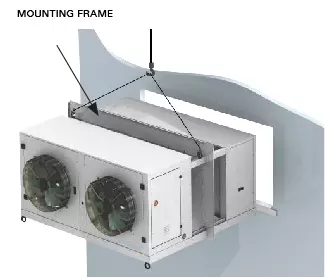
Let me break down the basic working principle first. Most cooling units you’ll deal with as a B2B buyer use the vapor-compression refrigeration cycle. That cycle has four main parts: a compressor, a condenser, an expansion valve, and an evaporator. A refrigerant fluid circulates through these components. The compressor squeezes the refrigerant into a high-pressure, high-temperature gas. That gas then goes through the condenser, where it releases heat to the outside air or to a water loop and turns into a liquid. The liquid passes through the expansion valve, which drops its pressure and temperature drastically. That cold, low-pressure liquid then goes into the evaporator, where it absorbs heat from the target area (like a cold room or a server rack) and turns back into a gas. That gas goes back to the compressor, and the cycle repeats.
That’s the core. But how this basic cycle gets packaged and controlled depends on what you’re cooling. For B2B distributors and dealers, understanding these variations is how you match the right product to your client’s application.
How cooling units work in data centers
Data centers are the backbone of the internet, and they generate an insane amount of heat. Every server rack can produce anywhere from 5 kW to 50 kW of heat, depending on density. Without proper cooling, those chips throttle performance or fail completely.
In a data center, cooling units are often called computer room air conditioners (CRAC) or computer room air handlers (CRAH). They work on the same vapor-compression cycle, but the critical difference is how they handle heat rejection. Modern data centers are moving toward liquid cooling because air is just not efficient enough for high-density racks.
Let me give you some real numbers. According to the U.S. Department of Energy, data centers consumed about 1-2% of global electricity in 2023, and roughly 30-40% of that power went just to cooling. That’s huge. The market for data center cooling was valued at $10.2 billion in 2023, and it’s growing at a compound annual growth rate of 12.5%, according to Grand View Research. By 2030, it will hit $25 billion.
For B2B buyers, that means there’s big demand for cooling units that are energy-efficient and can handle variable loads. A typical row-based cooling unit in a data center uses chilled water or direct expansion (DX) refrigerant. In a chilled water system, a central chiller cools water down to about 45°F (7°C), and that water circulates to cooling coils inside the server room. Fans blow air across the coils, and the cold air flows through the raised floor or directly into the racks.
One key trend you need to know about is liquid cooling. Two popular types are direct-to-chip cooling and immersion cooling. In direct-to-chip, a cold plate attaches directly to the CPU or GPU, and liquid circulates through that plate to carry heat away. Immersion cooling submerges entire servers in a dielectric fluid that absorbs heat directly. Both systems drastically reduce the need for large air-handling units.
As a distributor, you should know that many hyperscale data centers (like those run by Amazon, Google, Microsoft) are now deploying liquid cooling on new builds. But for existing facilities, retrofitting with traditional CRAC units is still common. The sweet spot for your business is probably the mid-market colocation facilities and enterprise data centers that need reliable, serviceable cooling units with good energy ratings.
How cooling units work in the food and beverage cold chain
Cold chain is a massive industry. From the moment a fish is caught or a vegetable is harvested, temperature control matters. Cooling units in this sector are used in refrigerated trucks, cold storage warehouses, blast freezers, supermarket display cases, and even shipping containers.
The basic vapor-compression cycle is the same, but the key differences are in the compressor type, refrigerant choice, and how the unit handles defrost. For example, transport refrigeration units (TRUs) on trucks often run on diesel engines or electric standby. They have to be rugged enough to handle vibrations, road salt, and extreme outdoor temperatures. And they need to be able to pull down the temperature quickly after doors are opened.
Let me share some market data. The global refrigerated transport market was valued at $20.4 billion in 2023, and it’s expected to grow at 7.5% CAGR through 2030, per a Mordor Intelligence report. The biggest driver is increased demand for fresh and frozen food, especially in Asia-Pacific and the Middle East.
A typical reefer (refrigerated container) uses a cooling unit mounted on one end. It has a compressor driven by a belt from the container’s generator set, and it circulates refrigerant through evaporator coils inside the container. The unit also has electric heaters for defrosting the evaporator coils because ice buildup blocks airflow. If you’re selling these units, you need to know about defrost cycles – either hot gas defrost or electric defrost.
For cold storage warehouses, you’ll see large centralized chiller systems that feed evaporator units in multiple rooms. Each room might have its own temperature setpoint. For example, a meat storage room at 28°F (-2°C) and a dairy room at 38°F (3°C). The cooling unit has to handle different loads. Variable speed compressors are becoming standard because they save energy when the room is at temperature and only need to run at full capacity during door openings or after loading.
One thing B2B buyers often look for is the type of refrigerant. Older systems use R-404A or R-507, but those have high global warming potential (GWP). In 2024, regulations in the EU and US are phasing down HFCs. The new go-to refrigerants are R-448A, R-449A (for medium temp), and R-454B (for low temp). Make sure the cooling units you stock are compatible with these newer refrigerants, or you’ll have trouble selling in regulated markets.
Also, pay attention to energy efficiency. The compressor alone can consume 70% of the unit’s total power. So a scroll compressor (more reliable, fewer moving parts) is often preferred over reciprocating in smaller units. For large industrial systems, screw compressors are common.
How cooling units work in industrial manufacturing
Industrial manufacturing covers a vast range of applications – from plastic injection molding to chemical processing to laser cutting. In all these cases, the process generates heat that can damage products, slow down production, or create safety hazards. Cooling units here are called process chillers, and they’re designed to remove heat from a specific fluid (water or glycol) that then circulates through the machinery.
A process chiller works the same way as a standard cooling unit, but the temperature control is much tighter. For example, in a plastic injection mold, the mold temperature must be maintained within ±1°F (±0.5°C) to get consistent part quality. The chiller’s compressor cycles on and off or modulates its speed to hold that setpoint.
The market for industrial process chillers was estimated at $5.8 billion in 2023, with a CAGR of 5.2% through 2030, according to a report by MarketsandMarkets. Key growth drivers are the expansion of automotive manufacturing, pharmaceutical production, and semiconductor fabrication.
Let’s talk about the different types of process chillers. Air-cooled chillers have a condenser that uses ambient air to reject heat. They’re simpler and cheaper to install but less energy-efficient, especially in hot climates. Water-cooled chillers use a cooling tower or a closed-loop water source to reject heat – they’re more efficient but require water treatment and more maintenance.
For B2B buyers, the decision often comes down to the ambient conditions and the load profile. If your client is in a place like Dubai or Arizona, air-cooled chillers struggle in summer. Water-cooled is better, but you need water availability and a way to deal with scale and bacteria.
One critical detail is the type of compressor. Centrifugal compressors are used in very large industrial chillers (500 tons and up). They’re efficient and can handle huge capacity. Screw compressors are for medium to large systems. Scroll compressors are for smaller ones. Reciprocating compressors are being phased out because they’re less reliable.
Also, industrial chillers often use a brazed plate heat exchanger instead of a shell-and-tube type, because they’re more compact and have better heat transfer. But they’re also more prone to clogging if the water quality is poor.
Another industry-specific application is in semiconductor fabs. The manufacturing process for chips requires extremely precise temperature control, often within ±0.1°C. Some processes even require sub-zero temperatures. Cooling units here are custom-built, often with redundant pumps and chillers to ensure zero downtime. The market for semiconductor cooling is a niche but high-margin segment.
How cooling units work in healthcare and laboratories
Hospitals, pharmaceutical warehouses, and research labs rely on cooling units for everything from storing vaccines at -80°C to keeping blood plasma at 4°C. These aren’t your standard chillers. They’re medical-grade refrigeration units that must meet strict regulatory standards, like FDA 21 CFR Part 11 (for data logging) and ISO 13485.
The basic refrigeration cycle is the same, but the big difference is in reliability and monitoring. A vaccine fridge failure can cost millions in spoiled doses. So medical cooling units often have dual compressors, redundant temperature sensors, and alarm systems that alert staff if the temperature goes out of range.
For ultra-low temperature (ULT) freezers, used for storing mRNA vaccines and research samples, the temperature can go down to -86°C. Standard vapor-compression systems can’t reach that temperature with a single cycle because the refrigerant doesn’t condense at low enough pressure. Instead, ULT freezers use a cascade system. Two refrigeration circuits are connected – one circuit cools the other circuit’s condenser, allowing the second circuit to reach much lower temperatures.
The global medical refrigeration market was $4.5 billion in 2023, and it’s projected to grow to $7.1 billion by 2030, according to Persistence Market Research. That growth is driven by the expansion of biologics and vaccines, especially in developing countries.
For B2B distributors, the key selling points are accuracy, energy efficiency, and compliance. Many hospitals are now buying units with built-in remote monitoring so they can track temperatures from a central system. Some also require battery backup in case of power failure.
One interesting recent development is the adoption of propane-based refrigerants (R-290) in small medical refrigerators. Propane has a very low GWP and excellent thermodynamic properties, but it’s flammable. In the US, the EPA has increased the charge limit for hydrocarbon refrigerants, so more manufacturers are switching. For your customers, that means a more environmentally friendly product, but also a need for proper ventilation and safety labeling.
How cooling units work in commercial hvac and retail
Large commercial buildings, shopping malls, and hotels use rooftop packaged units (RTUs) with built-in cooling. These units often combine heating and cooling in one package. They use the same vapor-compression cycle, but they’re designed for comfort cooling, not process cooling. That means they maintain a room temperature around 72°F (22°C) with a humidity range.
The commercial HVAC cooling market is enormous – $46 billion in 2023, per Allied Market Research. But for B2B buyers, the margins are thinner because it’s commoditized. The differentiator is energy efficiency (SEER rating) and serviceability.
Variable refrigerant flow systems (VRF) have become very popular in commercial buildings. In a VRF system, one outdoor condensing unit connects to multiple indoor fan coil units in different zones. The compressor can vary its speed to match the exact cooling load, which saves energy. VRF systems can also heat one zone and cool another simultaneously by controlling the refrigerant flow.
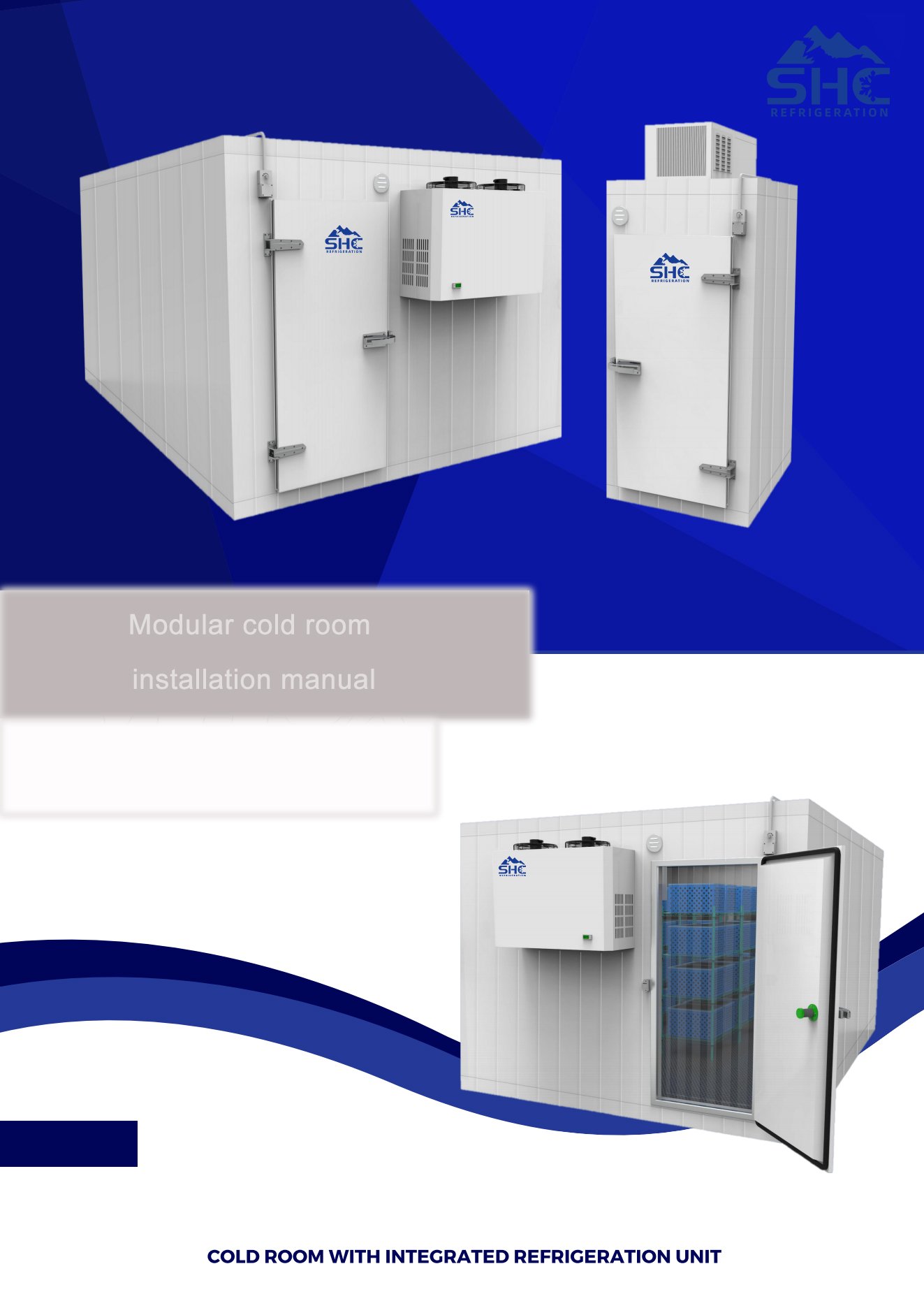
For retail applications like supermarkets, you have display cases with integral cooling units that are often connected to a centralized rack system in a machine room. Those racks use multiple compressors that can stage on and off to handle varying loads. The cooling unit in a supermarket’s walk-in cooler works just like a residential refrigerator, but on a much larger scale. Defrost cycles are critical to keep the evaporator coils clear of frost.
A key trend in retail cooling is the transition to CO2 (R-744) transcritical systems. CO2 has a GWP of 1, and it’s highly efficient in cold climates. However, in warm climates, the system requires a parallel compressor to handle high discharge pressures. Many large retailers like Walmart and Carrefour are installing CO2 systems in new stores. If you supply cooling units, you should have a CO2 product line ready.
Frequently asked questions about cooling units
Q: What’s the difference between a cooling unit and an air conditioner?
A: An air conditioner is a type of cooling unit designed specifically to cool air for human comfort. Cooling units is a broader category that includes air conditioners, chillers, refrigerators, and any device that removes heat. The working principle is the same, but the temperature setpoint, capacity, and application differ.
Q: How do I choose the right cooling unit for my cold storage warehouse?
A: You need to calculate the total heat load: heat from products, from insulation, from people and forklifts, from infiltration when doors open, and from lighting. Then add a safety margin of 10-20%. Match the cooling capacity (in BTU/hr or kW) to that load. Also consider the ambient temperature where the unit sits – if it’s outdoors, you need a condenser rated for that climate. Finally, choose a unit with the right refrigerant (R-448A or R-449A are good for medium temp) and a defrost method (electric for small rooms, hot gas for large ones).
Q: How often should a cooling unit be serviced?
A: For commercial and industrial units, schedule maintenance every 3 to 6 months. That includes cleaning the condenser coils, checking refrigerant pressures, inspecting electrical connections, and lubricating fan bearings. For transport refrigeration units, service after every 1000 hours of operation. Neglecting maintenance can reduce efficiency by 15-30% and lead to compressor failure.
Q: What is the typical lifespan of a cooling unit?
A: Well-maintained compressor-based cooling units last 10 to 15 years. Chillers can last 20 years with proper care. However, the lifespan also depends on the run hours, ambient conditions, and refrigerant type. Units that cycle on and off frequently (like in a retail display case) may wear out faster than continuous-run industrial chillers.
Q: Are there any new technologies in cooling units I should know about?
A: Yes, three big trends: (1) Magnetic refrigeration – uses magnetocaloric materials instead of a compressor; it’s still early stage but promises higher efficiency and no refrigerant. (2) Solid-state cooling using thermoelectric modules – good for small, precise applications but not yet competitive for large loads. (3) Digital scroll compressors that can unload cylinders partially to match load without frequent cycling – already used in some commercial chillers. For B2B buyers, keep an eye on variable speed technology because it saves the most energy.