Cold Room Safety Across Industries: A Practical Walkthrough for Warehouse Teams
Walking into a cold room or freezer warehouse isn’t like stepping into your kitchen fridge. It’s a serious industrial environment. Whether you’re in frozen food logistics, pharmaceutical storage, or handling perishable goods, the risks are real. Here’s a no-nonsense, step-by-step guide for anyone sending teams into these spaces. We’re talking about real-world practices that affect productivity, safety, and ultimately, your bottom line.

Understanding Your Cold Room Environment

First, you need to know what you’re dealing with. Not all cold rooms are the same.
- Temperature Zones: There’s a big difference between a chill room (+2°C to +4°C) and a blast freezer (-40°C or lower). The risks and required exposure times change drastically. Your operational protocols must be zone-specific.
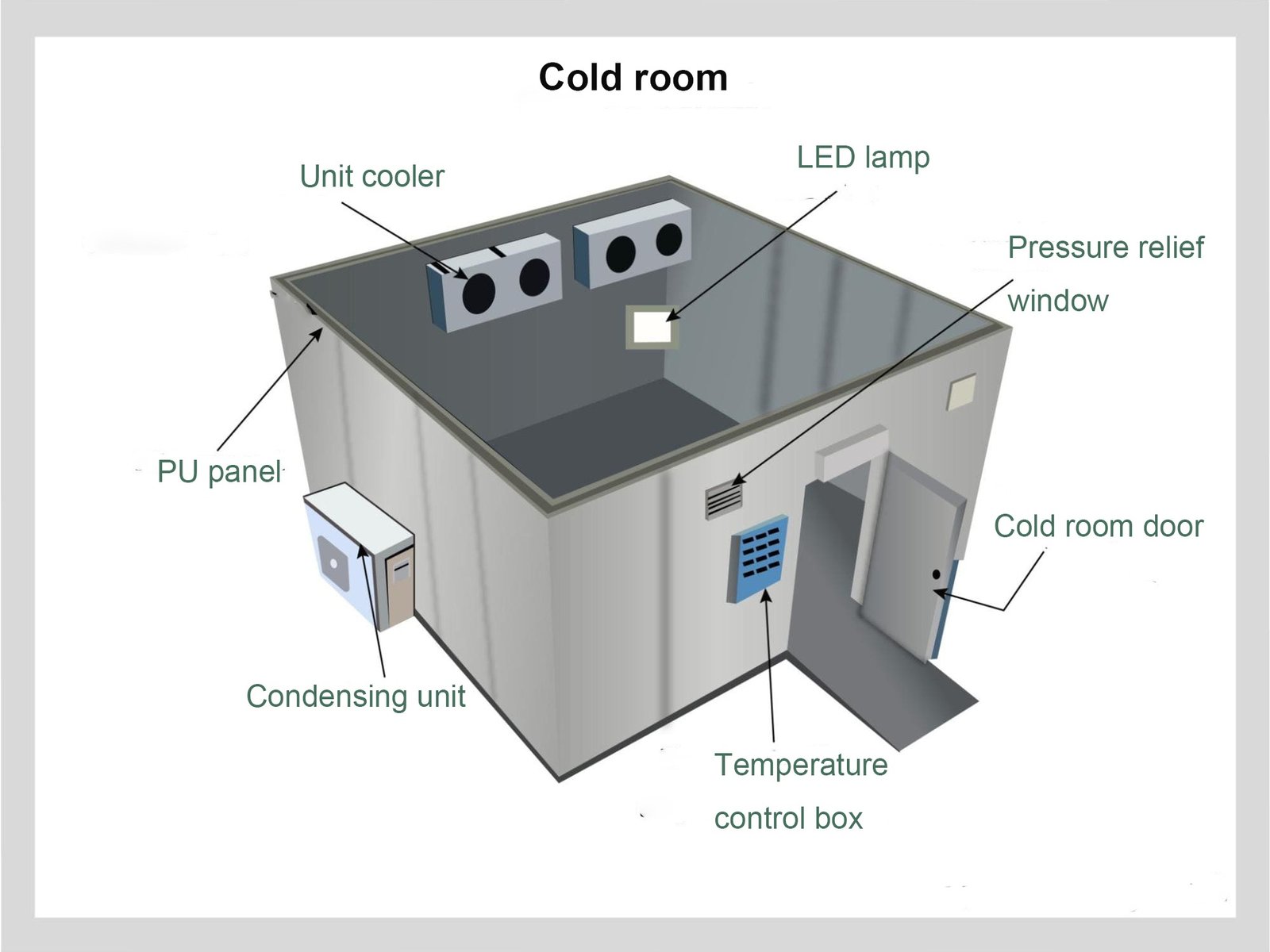
- Common Hazards: It’s not just the cold. Think about condensation making floors slippery, poor visibility due to fogging, the potential for getting locked in, and handling cold metal equipment that can cause skin to stick and tear. Also, consider the equipment itself—evaporator fans, moving parts of racking systems, and forklifts operating in tight, cold spaces.
- Real-Time Monitoring is Non-Negotiable: You can’t manage what you don’t measure. Modern facilities use IoT sensors that provide real-time data on temperature fluctuations, door-open durations, and internal air quality. For managers, this data isn’t just for compliance; it’s for predicting maintenance, optimizing energy use, and ensuring safety thresholds are never breached.
Here’s a quick reference for maximum recommended continuous work periods at different temperatures, based on recent industrial health and safety guidelines (2023-2024):
| Temperature Range | Recommended Max Continuous Work Period | Mandatory Break Minimum | Primary Risk Focus |
|---|---|---|---|
| 0°C to +10°C (Chill Storage) | 2 hours | 10 minutes in a warm area | Moisture, slips, manual handling. |
| -10°C to 0°C (Freezer) | 90 minutes | 15 minutes in a warm area | Frostbite risk (fingers, toes, ears), reduced dexterity. |
| -25°C to -10°C (Low-Temp Freezer) | 60 minutes | 20 minutes in a warm area | High frostbite risk, cold shock potential, breathing discomfort. |
| Below -25°C (Blast Freezer, Ultra-Low) | 15-30 minutes | 30+ minutes in a warm area | Immediate frostbite risk, significant respiratory stress. |
Note: These are general guidelines. Individual tolerance, workload intensity, and proper PPE can alter these times. Always conduct a specific risk assessment.
Gearing Up: The Non-Negotiable PPE Kit
This isn’t about fashion; it’s about function and safety. Distributors should emphasize that this kit is as essential as a hard hat on a construction site.
- Insulated Clothing: Look for high-grade, breathable, and moisture-resistant materials. The layering system works: a moisture-wicking base layer, an insulating middle layer, and a wind/water-resistant outer shell. Bib-style insulated trousers often provide better core protection than jackets alone.
- Footwear: Standard safety boots won’t cut it. You need insulated, waterproof boots with non-slip, cold-resistant soles (like Vibram Arctic Grip). Good traction on icy surfaces is critical. Check the insulation rating (e.g., Thinsulate™ ratings).
- Hand Protection: Layered gloves are effective. A thin, moisture-wicking liner under a heavy-duty insulated waterproof glove allows for dexterity when needed. Consider touchscreen-compatible liners for operating handheld scanners.
- Head & Face Protection: Over 40% of body heat is lost through the head. A balaclava or neck gaiter combined with an insulated hat is key. For very low temperatures, face masks or shields protect against cold air inhalation and frostbite on cheeks/nose.
- Visibility: High-visibility reflective strips on clothing are mandatory, especially in larger warehouses with vehicle traffic. LED armbands or helmet lights are excellent additions for low-light freezer aisles.
The Art of Moving Safely Inside
Knowing how to move is as important as what you wear.
- The Entry Protocol: Enter slowly. Let your body acclimatize for a minute in the anteroom if available. Sudden exposure can cause “cold shock,” leading to shortness of breath and panic. Check that communication devices (radio, panic button) are working and accessible before entering.
- Walking Technique: Take short, deliberate steps. Keep your center of gravity low, especially when turning or on potentially slick surfaces. Never run. Assume all surfaces could be slippery. Use handrails where provided.
- Awareness: Constantly scan the floor for ice patches, pooled water, or product debris. Be hyper-aware of your surroundings—listen for forklifts, watch for colleagues, and mind overhead equipment. Fogging can be an issue; anti-fogging sprays for eyewear or using breath-deflectors with masks can help.
- Handling Tasks: Plan your task to minimize time inside. Use tools with insulated handles. When handling cold metal, ensure your gloves are dry to prevent skin from freezing to the surface. Practice proper lifting techniques; cold muscles are more prone to injury.
Emergency Procedures and Health Signals
Every team member must know these signs and steps.
- Recognizing Cold Stress:
- Frostnip/Frostbite: Early signs include prickling, numbness, and white or grayish-yellow skin patches on fingers, ears, nose, or toes. This is a stop work immediately signal.
- Hypothermia: Uncontrollable shivering, confusion, slurred speech, drowsiness, and loss of coordination. This is a medical emergency.
- The Buddy System: No one should ever work alone in a large cold room or freezer. Implement a mandatory buddy system and regular check-in procedures.
- Getting Out and Warming Up: Know the location of emergency exits and alarms. If feeling any adverse symptoms, leave immediately. The warming-up process should be gradual—use a designated warm break room (around 20-25°C), drink warm (not hot) fluids, and remove any wet clothing. Never use direct heat like radiators or hot water on affected skin.
Industry-Specific Considerations for Your Clients
As a B2B distributor, tailoring this advice for your client’s sector adds immense value.
- Food & Beverage: Stress slip hazards from water/oil spillage and strict hygiene protocols. PPE must be easily cleanable and compliant with food safety standards (e.g., HACCP). Talk about condensation management around dock doors.
- Pharmaceuticals & Biotech: Here, the focus expands beyond personnel safety to product integrity. Emphasize how rapid personnel changes (due to improper gear) can cause temperature fluctuations. Discuss PPE that minimizes particulate shedding in cleanroom cold environments.
- Logistics & 3PL: Efficiency under time pressure is key. Recommend streamlined, durable PPE that allows for quick donning/doffing and integrates with scanning technology. Highlight solutions for managing high-traffic airlock areas to maintain temperatures.
Professional Q&A for B2B Decision-Makers
Q1: Our cold rooms are from different manufacturers and vary in age. How can we implement a uniform safety standard?
A: The standard should be based on the environmental conditions (temperature, humidity) and the tasks performed, not the brand of the room. Conduct a site-wide risk assessment that maps zones by temperature and hazard. Then, apply the PPE and procedural standards (like the work/break table above) consistently across all zones of the same rating. Upgrading older doors with better seals or adding anti-slip flooring in high-traffic areas can help bring older units up to a common safety baseline.
Q2: We see high turnover of PPE due to wear and tear. What should we look for in durable cold gear that offers good ROI?
A: Look for commercial/industrial-grade PPE, not consumer-grade. Key indicators: reinforced stitching (especially at stress points like knees and shoulders), high-denier outer fabrics (e.g., 500D or higher Cordura), and reputable insulation brands (3M Thinsulate, PrimaLoft). Garments with modular parts (replaceable liners, detachable hoods) often have a longer total lifecycle. Work with suppliers who offer bulk commercial pricing and can provide data on average lifespan in similar operational conditions.
Q3: How do evolving international standards (like ISO 21850 for cold chain) impact the equipment we should be selling and the advice we give?
A: Standards like ISO 21850 focus on the reliability of the cold chain process. This shifts the conversation from just selling a cold room to selling a controlled environment. Your advice should now include: recommending equipment with robust, verifiable data logging capabilities; doors with rapid opening/closing mechanisms to minimize air exchange; and integrated alarm systems that tie into facility management platforms. You’re selling compliance-enabling solutions, not just boxes that get cold.
Q4: With the push for sustainability, are there energy-efficient cold room designs that also enhance worker safety?
A: Absolutely. Modern designs that enhance safety often improve efficiency. For example:
- Rapid-Roll Doors: Reduce cold air loss, stabilizing the environment and reducing icy condensation at entry points.
- LED Lighting with Motion Sensors: Provide better, shadow-free illumination exactly when and where workers need it, improving visibility while cutting energy use.
- Advanced Defrost Systems: (Like hot gas defrost) minimize temperature spikes and ice buildup on floors and coils, creating a more stable and less slippery environment.
Positioning these features as both safety and efficiency upgrades makes a compelling case for modernization.