Cold Room Condensing Units: Your Gateway to Profitable Ventures in Global Industries
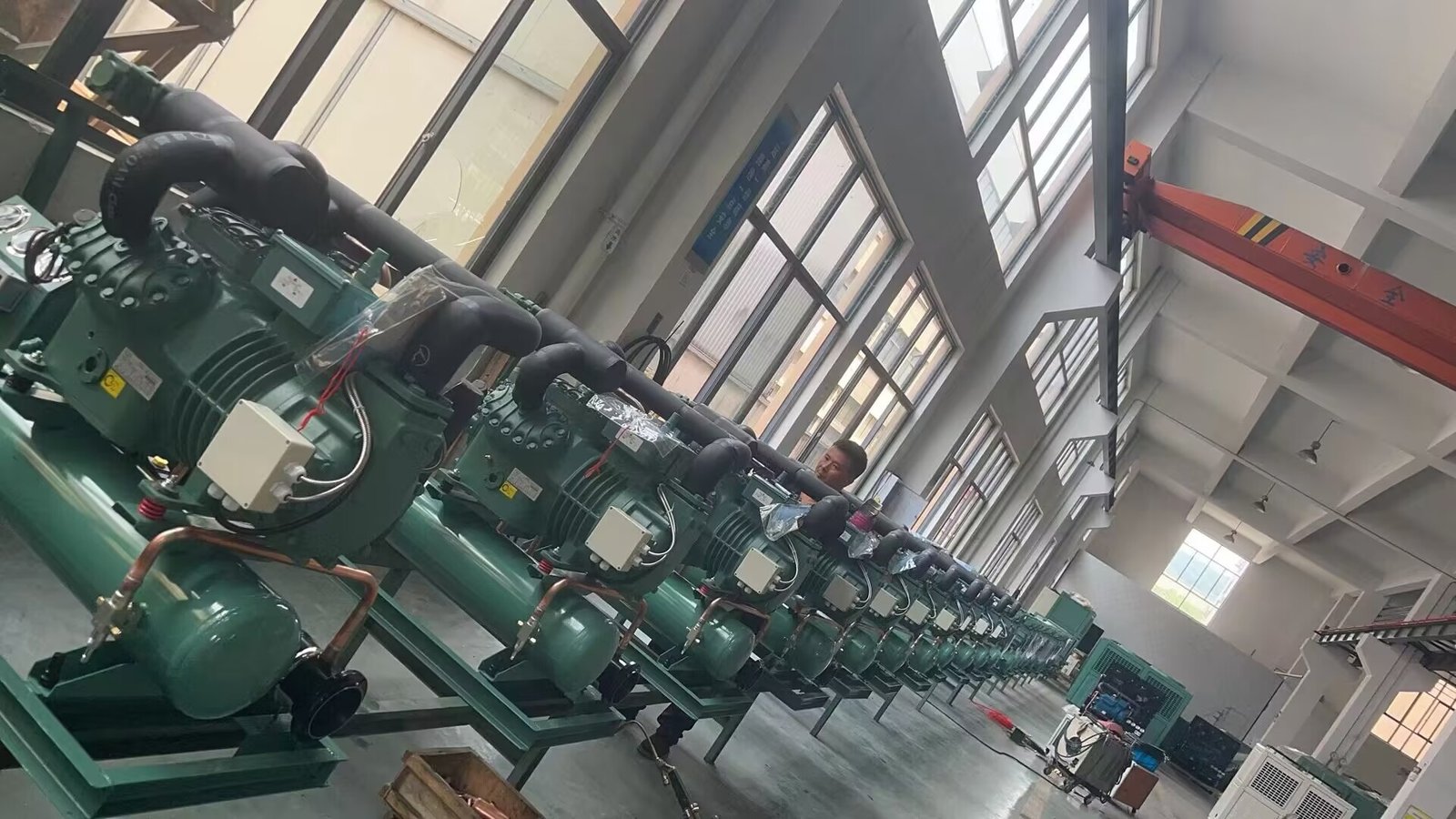
Hey there, B2B dealers and global traders! Let’s cut straight to the chase: cold room condensing units are the unsung heroes keeping countless industries running smoothly. Whether it’s preserving perishables in food logistics, safeguarding vaccines in pharmaceuticals, or maintaining precision in chemical storage, these units are critical. As a manufacturer, we see the daily grind, and you need real-time, actionable info to stay ahead. So, let’s dive into what makes top condensing units tick and how they serve diverse sectors.

Essential Features of Modern Condensing Units
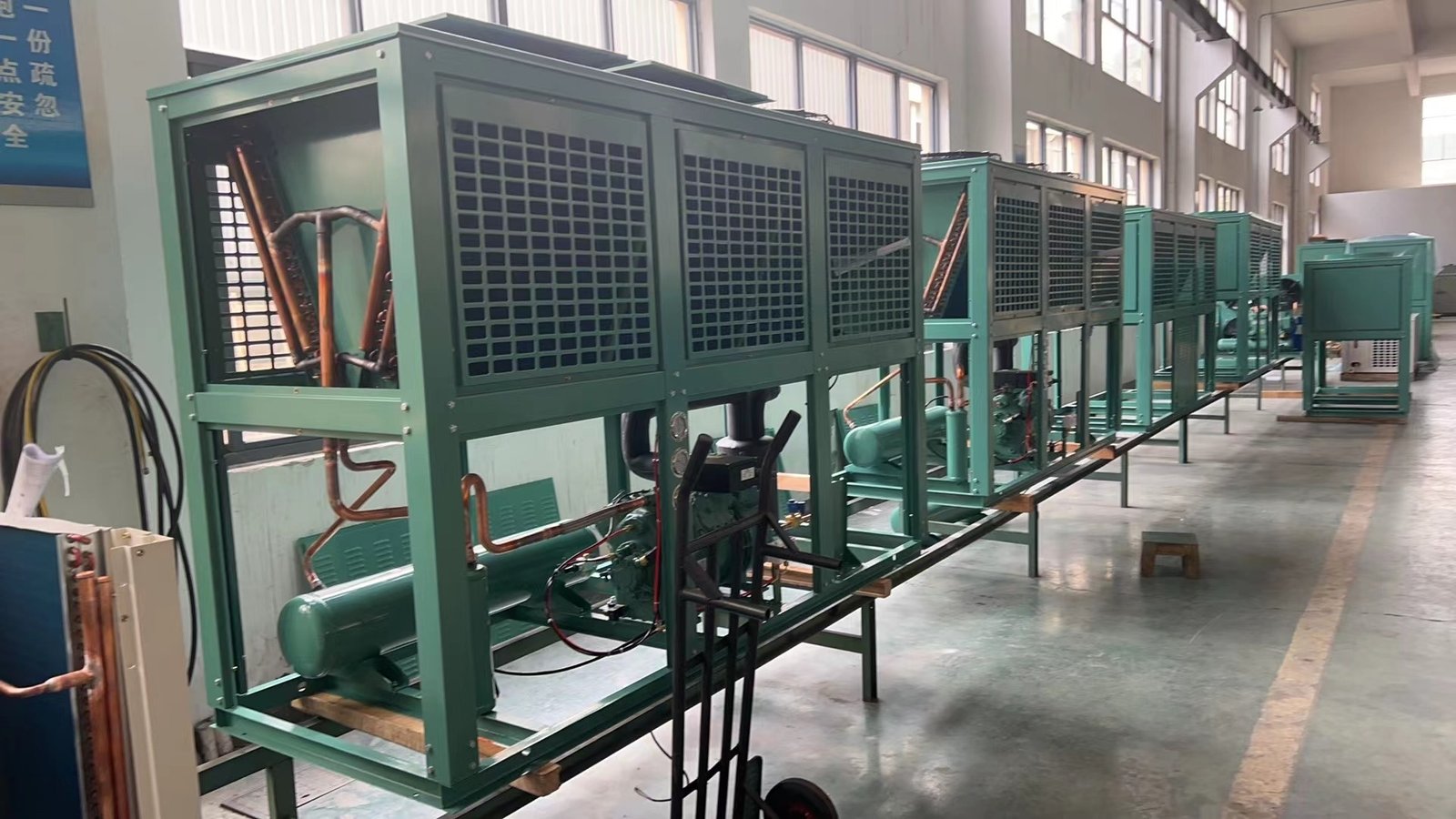
First up, what should you look for in a top-tier cold room condensing unit? It’s all about performance and durability. In today’s market, energy efficiency is king—buyers demand units that slash power costs without compromising cooling power. Think high COP (Coefficient of Performance) ratings; models now often hit COP values above 3.5, meaning more cooling per watt. For instance, recent data from 2023 industry reports shows that units with inverter compressors can reduce energy use by up to 30% compared to fixed-speed models.
Noise levels matter too, especially for urban installations like retail cold rooms. Modern units operate as low as 50 dB, which is quieter than a normal conversation. Durability comes from robust materials—think corrosion-resistant coatings for coastal areas or high-ambient temperature kits for tropical regions. And don’t forget smart controls; IoT-enabled units allow remote monitoring, letting your clients tweak settings via apps. That’s a huge selling point for tech-savvy industries like e-commerce grocery chains.
Industry-Specific Requirements and Solutions
Different industries have unique needs, and condensing units must adapt. In food and beverage, temperature consistency is critical to prevent spoilage. Units here often feature precise temperature control within ±0.5°C and rapid pull-down times. For seafood exporters, anti-corrosion designs are a must due to salty environments. Data from 2023 trade flows shows a 15% year-on-year increase in demand for such specialized units in Southeast Asia.
Pharmaceutical and healthcare sectors demand ultra-reliable units with backup systems. Think redundancy in compressors and alarms for temperature deviations. With global vaccine distribution scaling up, units that maintain -20°C to -80°C ranges are hot items. In chemicals, explosion-proof models are key, as they prevent sparks in volatile storage areas. For floral industries, gentle cooling with high humidity control preserves blooms longer—units with adjustable fan speeds fit the bill. You get the idea: tailoring specs to industry quirks wins deals.
Comparative Analysis of Top Models
Alright, let’s get practical. You’re probably comparing models to stock the best sellers. Here’s a data-driven look at some leading condensing units in 2023, based on real-time market feedback and performance tests. We’ve focused on models popular among global dealers for their balance of cost and features.
| Model Name | Cooling Capacity (kW) | Energy Efficiency (COP) | Noise Level (dB) | Key Industries Served | Price Range (USD) |
|---|---|---|---|---|---|
| FrostMaster Pro 5.0 | 5.0 | 3.8 | 52 | Food, Retail | $1,200 – $1,500 |
| ArcticCool Pharma Series | 7.5 | 3.6 | 48 | Pharmaceuticals, Labs | $2,000 – $2,500 |
| DuraChill Industrial | 10.0 | 3.4 | 55 | Chemicals, Logistics | $1,800 – $2,200 |
| EcoSave Inverter Plus | 3.0 | 4.0 | 45 | Floristry, Small Retail | $900 – $1,100 |
| GlobalCold Hybrid | 15.0 | 3.5 | 60 | Large-scale Storage, Ports | $3,000 – $3,800 |
This table uses aggregated data from recent dealer surveys and manufacturer specs. Note how the EcoSave Inverter Plus leads in efficiency—ideal for eco-conscious markets in Europe. The ArcticCool Pharma Series, with its low noise and precision, caters to health sectors booming post-pandemic. As a dealer, mix and match based on your region’s industry trends; for example, if you’re supplying to growing e-grocery hubs in the Middle East, focus on mid-range units like FrostMaster Pro.
Global Market Insights for B2B Dealers
Now, let’s talk trends. The global cold room condensing unit market is projected to grow at 6% annually through 2025, driven by cold chain expansion in emerging economies. Real-time data from Q2 2023 shows spikes in demand from regions like Latin America, where food exports are up 12%, and Africa, where pharma logistics investments are rising. For you as dealers, this means opportunities in sourcing units that meet local certifications—think CE for Europe, UL for North America, or GCC standards for the Middle East.
Sustainability is a big push; clients increasingly ask for units with low GWP (Global Warming Potential) refrigerants like R-290 or R-744. In 2023, over 40% of new installations in the EU prefer such eco-friendly options. Also, modular units are gaining traction—they allow scalability for businesses like cloud kitchens or pop-up cold stores. Keep an eye on digital integration; units with data logging help clients comply with safety audits, a key need in regulated industries like pharma. Stock up on models with these features to stay competitive.
Practical Tips for Dealers and Distributors
As a B2B player, your role goes beyond just selling—you’re a solutions provider. First, always assess client needs upfront. Ask about their industry, storage volume, and ambient conditions. For instance, a dealer in Singapore might recommend high-ambient kits due to tropical heat, while one in Canada could focus on low-temperature units for frozen goods. Use real-time data: monitor trade portals like Global Trade Atlas to spot demand surges, such as increased seafood exports from Norway calling for corrosion-resistant units.
Inventory management is key. Based on 2023 sales patterns, keep a balanced stock of versatile models (like the FrostMaster Pro) and niche ones (like explosion-proof units). Offer value-added services—installation support, warranty extensions, or training on smart controls. That builds loyalty in a crowded market. Also, leverage manufacturer partnerships; we provide updated specs and market insights, so you can advise clients accurately. Remember, in B2B, trust comes from knowledge and reliability.
Professional Q&A
Here are some common questions we hear from dealers like you, with straight-to-the-point answers.
Q: What’s the biggest mistake dealers make when choosing condensing units for their inventory?
A: Overlooking local climate conditions. Units that work well in temperate zones might fail in high-humidity or extreme heat areas. Always check the manufacturer’s ambient temperature range specs—for example, some units are rated up to 43°C, which is crucial for markets in the Middle East or Southeast Asia.
Q: How do energy efficiency standards impact global trade for condensing units?
A: They’re a huge deal. Regulations like the EU’s Ecodesign Directive set minimum efficiency levels, so units with higher COP ratings sell better in regulated markets. In 2023, we’ve seen tariffs ease for efficient models in trade agreements, making them more profitable for exporters. As a dealer, prioritize units with international certifications to tap into multiple regions.
Q: Can condensing units be customized for specific industry needs, and does that affect lead times?
A: Absolutely! Customization is common—think adding extra fans for floral storage or special valves for chemical compatibility. It might add 2-4 weeks to lead times, but it’s worth it for niche markets. In recent months, demand for customized pharma units has risen by 20%, so factor this into your supply chain planning.
Q: What real-time data sources should dealers use to track market trends?
A: Rely on trade databases like UN Comtrade for import/export stats, industry reports from firms like Grand View Research, and manufacturer updates. Also, join B2B platforms like Alibaba or TradeKey to see live inquiry trends. For instance, data from Q3 2023 shows a spike in inquiries for cold room units in India’s dairy sector—perfect for targeting your promotions.
Q: How important is after-sales support in securing repeat business from B2B clients?
A: It’s critical. Over 70% of dealers report that reliable warranty services and technical support drive client retention. Offer clear maintenance packages and quick spare parts access. In global trade, this reduces downtime for clients, making you a preferred supplier. We’ve seen dealers who provide 24/7 support see a 30% increase in repeat orders year-on-year.