
Industrial Condensation Units: Sector-Specific Solutions for Global B2B Buyers
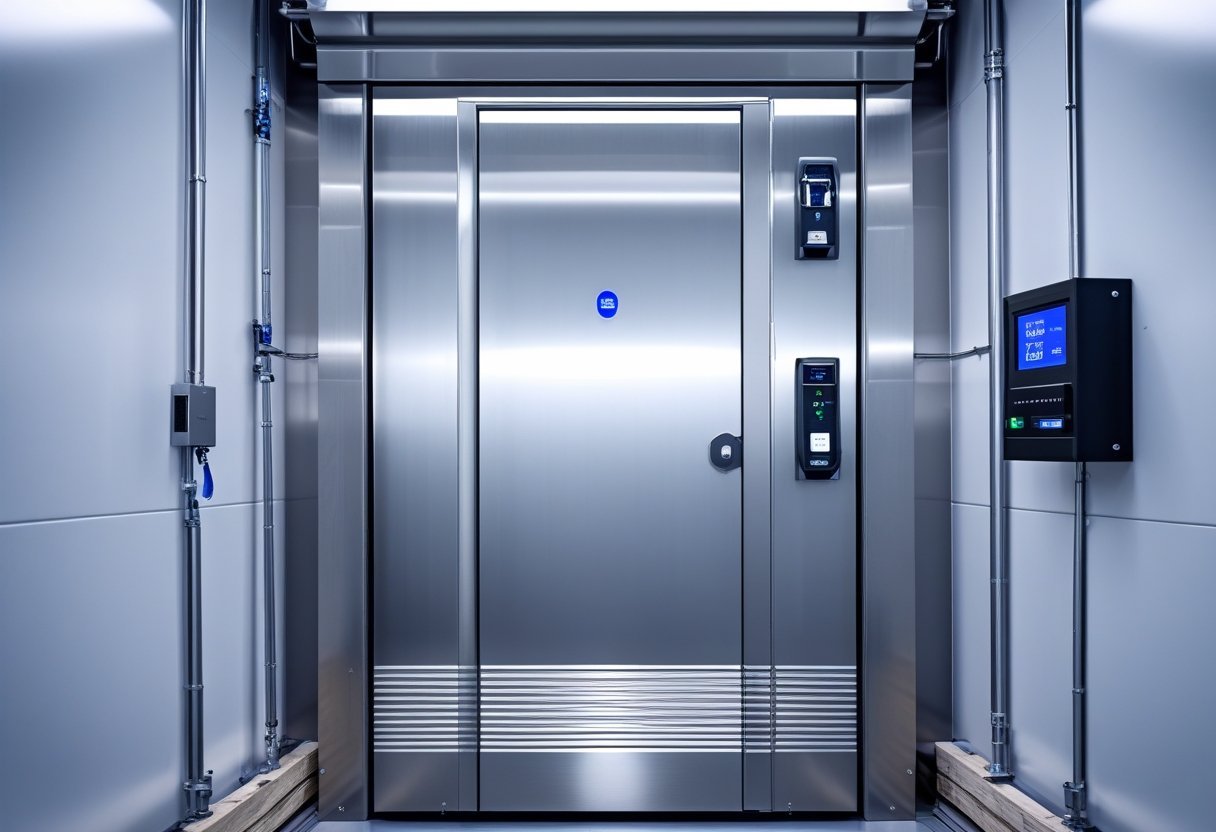
You’re sourcing industrial condensation units, and you know a one-size-fits-all spec sheet doesn’t cut it. The right unit for a pharmaceutical cleanroom is a disaster in a humid plastics manufacturing plant. Let’s break down the top equipment choices by industry, focusing on what actually matters for performance, efficiency, and your bottom line as a B2B buyer.
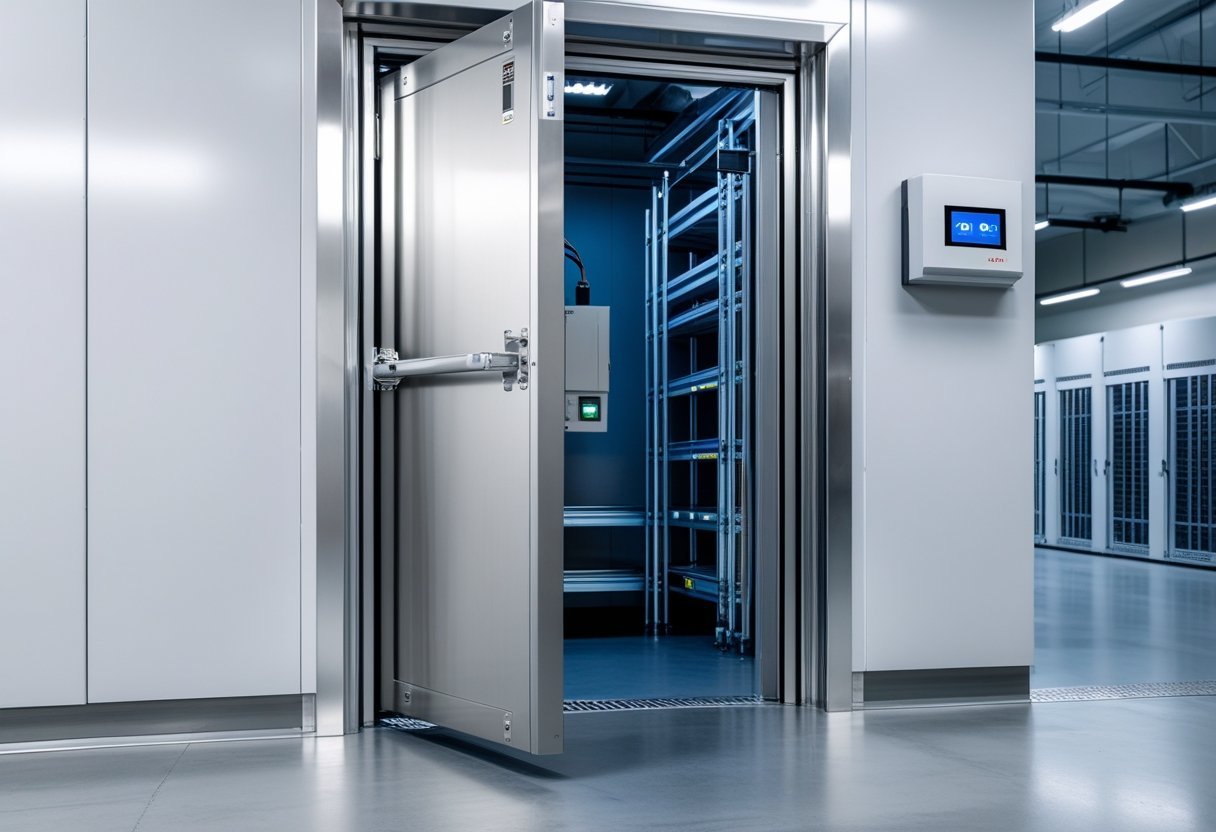
Matching Cooling Power to Food & Beverage Cold Chain Logistics

In food processing and storage, condensation control isn’t about comfort; it’s about compliance and shelf life. Blast freezers, chillers, and large-scale refrigeration warehouses demand units that maintain precise, low temperatures in high-humidity environments. The failure point here is often defrost cycles. Standard air-cooled units can ice up quickly, killing efficiency.
You need units with robust, adaptive defrost systems. Hot gas defrost is a top contender for large freezer applications because it’s faster and more energy-efficient than electric defrost for heavy-duty cycles. Look for corrosion-resistant construction—think epoxy-coated coils and stainless-steel casings—to withstand frequent washdowns with cleaning agents. For beverage cooling or fermentation room control, units with precise humidity sensors and modulating compressors are key to maintaining consistent conditions without overshooting temperature targets. The trend is toward scroll compressors for their reliability and lower maintenance needs compared to reciprocating models in continuous operation.
Real-time Data Point: The global cold chain logistics market is projected to grow at a CAGR of over 15% from 2023 to 2030. This surge directly fuels demand for heavy-duty, reliable condensation units with remote monitoring capabilities for warehouse management systems.
Chemical and Pharmaceutical Processing: Precision in Hostile Environments
This sector sets the highest bar. Processes often involve controlled reactors, distillation columns, or lyophilization (freeze-drying) that release significant latent heat. The condensation units here do two critical jobs: precise temperature control for process integrity and containment of potentially corrosive or hazardous vapors.
For pharmaceutical applications, units compatible with cleanroom classifications (ISO Class 5-8) are non-negotiable. They often feature HEPA filtration on air intakes, fully seamless, cleanable interiors, and materials that won’t shed particles. In chemical processing, construction material is everything. For acidic or solvent-laden atmospheres, you’re looking at units with shell-and-tube condensers made from titanium, stainless steel 316, or other specialty alloys. Explosion-proof (EX-rated) components and motors are mandatory for areas with flammable vapors. The focus is on closed-loop chilling systems that use a secondary coolant to avoid any process contamination, with PLC controls that provide exacting temperature stability (±0.5°C or better).
Market Alert: With increased global pharmaceutical production capacity, especially in API (Active Pharmaceutical Ingredient) manufacturing, demand for high-purity, GMP-compliant process cooling has spiked by an estimated 18% year-over-year in key export regions.
Managing Heat Load in Data Centers and Tech Hubs
Data center cooling is a massive, 24/7 operational cost. The heat load from server racks is enormous and dry, but humidity control remains critical to prevent electrostatic discharge. The game here is all about efficiency metrics like PUE (Power Usage Effectiveness). Traditional CRAC (Computer Room Air Conditioner) units are being supplemented or replaced by more innovative condensation solutions.
Direct Expansion (DX) units with variable speed fans and compressors are common, but the leaders are adopting chilled water systems with water-cooled condensers. These units, often located on rooftops or in dedicated plant rooms, reject heat to cooling towers, offering far greater efficiency at scale. For modular or edge data centers, adiabatic pre-cooling units are gaining traction. They use water evaporation to cool incoming air significantly before it hits the condenser coil, slashing compressor runtime in dry climates. Look for units with intelligent controls that integrate with Building Management Systems (BMS) and can modulate cooling based on real-time server load, not just ambient temperature.
Heavy-Duty Cooling for Plastics, Metalworking, and Manufacturing
Injection molding, laser cutting, welding, and other industrial processes generate intense, localized heat. Here, condensation units are typically part of a process chiller system, cooling hydraulic oil, cutting tools, or molds directly. The priority is durable components that can handle dirty environments and high ambient temperatures found on factory floors.
Air-cooled portable or central chillers with large condenser coils and high-static-pressure fans are standard workhorses. For applications requiring very low temperatures (for cold trimming plastics or metal treating), units with tandem scroll compressors or screw compressors provide the necessary capacity and redundancy. A key feature is fluid compatibility—ensuring the chiller’s evaporator is compatible with the process fluid (water, glycol, oil). Units with built-in pump tanks, reservoir heaters, and easy-access service panels reduce downtime. The latest models offer IoT connectivity for predictive maintenance alerts on compressor wear or filter clogging.
Selecting the Right Unit: A Spec Comparison for Exporters
Cut through the marketing jargon. When comparing units for your clients or your own facilities, this side-by-side breakdown of critical specifications will tell you what you really need to know.
| Feature / Specification | Food & Beverage Cold Chain | Pharma / Chemical Process | Data Center / Tech | Heavy-Duty Manufacturing |
|---|---|---|---|---|
| Primary Condenser Type | Air-Cooled (Corrosion Protected) | Shell-and-Tube (Alloy) | Water-Cooled or Adiabatic | Heavy-Duty Air-Cooled |
| Key Construction Focus | Sanitary finishes, Washdown-proof | Containment, Cleanroom materials, Corrosion-proof | High efficiency (Low PUE), Reliability | Industrial durability, Easy maintenance |
| Critical Control Parameter | Temperature & Humidity (for defrost) | Precise Temp Stability (±0.5°C) | Temperature & Humidity (for ESD) | Outlet Fluid Temperature |
| Ideal Compressor Type | Scroll (for efficiency/reliability) | Scroll or Screw (for stability) | Scroll, Screw, or Centrifugal | Tandem Scroll or Screw |
| Must-Have Feature | Robust Adaptive Defrost (Hot Gas) | Explosion-Proof / GMP Compliance | BMS Integration & Free Cooling | Built-in Pump Tank & Reservoir |
| Efficiency Metric to Ask For | COP at Low Evap Temp (e.g., -10°C) | Full Load & Part Load Efficiency | PUE Contribution / kW per Ton | Total Cost of Ownership (TCO) |
Your Top Questions, Answered by Industry Engineers
Q1: For export to regions with volatile grid power, what features are most critical in a condensation unit?
A: Prioritize units with built-in phase monitoring and protection, along with wide voltage tolerance (e.g., 300-480V). A soft starter is essential to reduce inrush current during frequent power restarts, protecting the compressor. For critical processes, specify a unit compatible with an uninterruptible power supply (UPS) for the controls to allow for orderly shutdown during a blackout.
Q2: How significant are the operational cost differences between air-cooled and water-cooled condensers in real terms?
A: Very significant at scale. Water-cooled units are 15-25% more efficient than air-cooled ones because water is a better heat transfer medium and condensing temperatures are lower. However, they require water treatment, cooling tower maintenance, and have higher initial costs. The break-even point is typically around 3,000-4,000 annual operating hours. For a facility running 24/7, water-cooled often wins on lifetime cost.
Q3: We see “variable speed” and “digital scroll” compressors. What’s the practical benefit for a buyer?
A: The benefit is direct energy savings and stable temperature control. A fixed-speed compressor is either on at 100% or off. A variable speed or digital scroll compressor can modulate its capacity down to as low as 10% to match the exact heat load. This eliminates the power-hungry start-stop cycles, reduces wear on components, and maintains a much tighter temperature band, which is crucial for process applications. Expect a 20-35% energy saving in applications with fluctuating loads.
Q4: What does “remote monitoring capability” actually involve, and is it worth the premium?
A: It involves embedded sensors and a communications module (typically supporting Modbus, BACnet, or direct IoT cloud protocols) that transmit real-time data: operating status, temperatures, pressures, alarm conditions, and energy consumption. For a B2B distributor or an end-user with multiple sites, it’s absolutely worth it. It enables predictive maintenance (e.g., alerting on rising condenser pressure before a failure), remote troubleshooting, and data-driven efficiency reporting, reducing downtime and service costs dramatically.