
If you’re a global distributor sourcing heater cooler units for commercial and industrial clients, you already know the game has changed. The days of buying a simple portable AC with a heat strip and calling it a “heater cooler” are long gone. Today, your B2B buyers in food processing, pharmaceuticals, data centers, and agriculture are demanding units that can switch between heating and cooling seamlessly, maintain tight temperature tolerances, and operate reliably in harsh environments. Let’s cut straight to what matters: the real-world specs, the market shifts, and the questions your customers are asking right now.
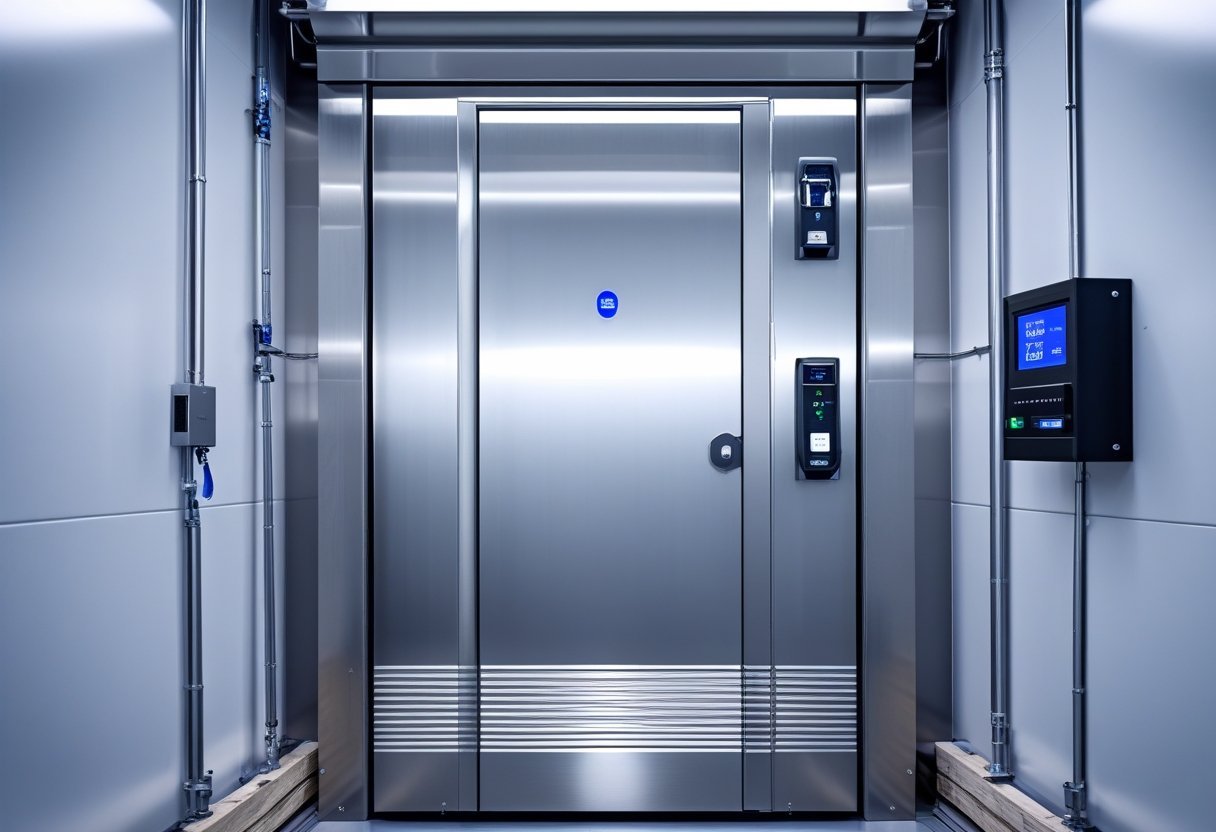
Food Processing Facilities Need Reliable Heating and Cooling All Year Round
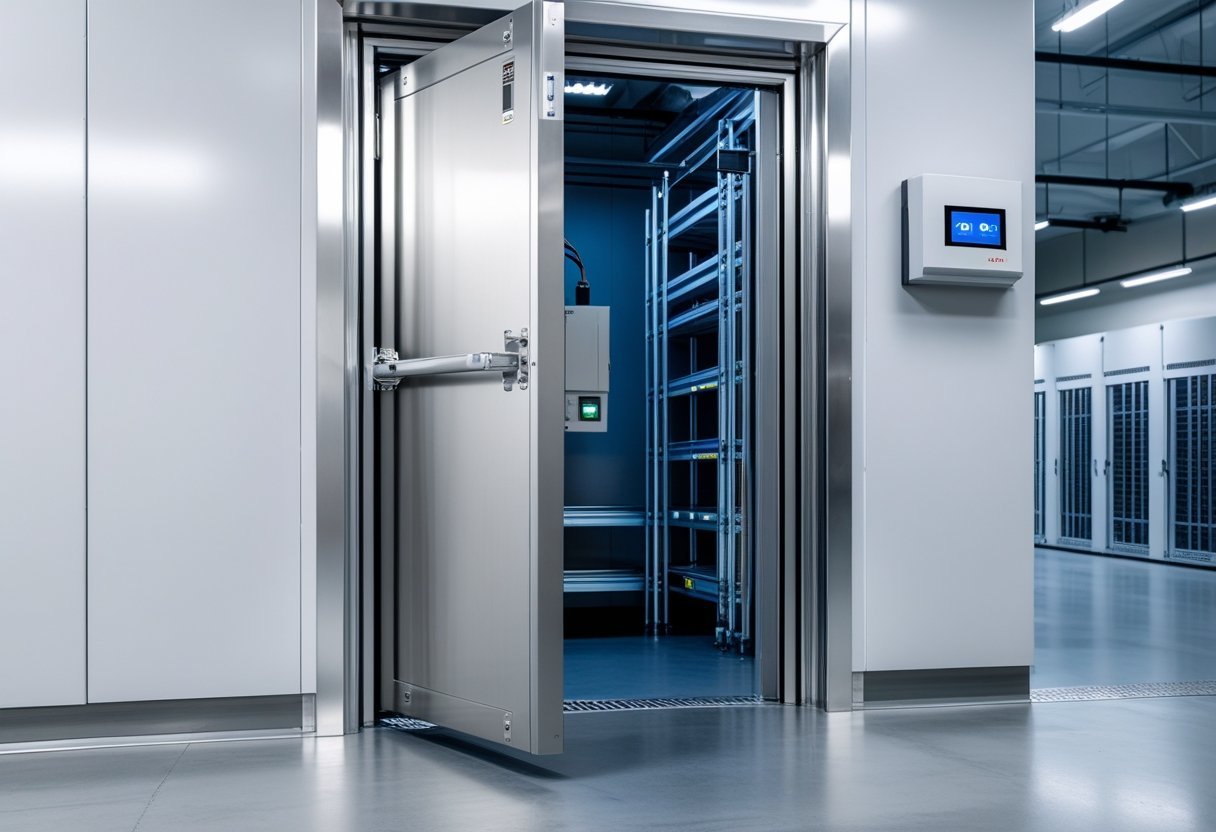
Food processing plants run 24/7, and temperature fluctuations can ruin entire batches. Your customers in this sector — meat packing, dairy, baked goods, beverage — need heater cooler units that can handle rapid temperature changes, high humidity, and frequent washdowns. In 2024, the global food processing HVAC market was valued at roughly $8.2 billion, with a CAGR of 6.1% projected through 2030, according to industry reports. That means there’s serious demand for units that can both heat and cool without requiring separate systems.
What your food processing clients specifically look for:
- Stainless steel construction (304 or 316 grade) to resist corrosion from cleaning chemicals
- IP54 or higher ingress protection rating
- Ability to maintain temperatures between 35°F and 85°F consistently
- Quick switchover from cooling to heating (under 3 minutes)
- Low noise levels below 65 dB(A) to meet workplace noise regulations
Many processors are moving away from traditional rooftop packaged units toward portable heater cooler units that can be deployed closer to production lines. Why? Because they reduce ductwork losses and allow zone-specific temperature control. If you’re supplying units to this industry, highlight features like dual compressor systems and hot gas bypass for dehumidification. And don’t forget: warranty terms matter. A standard 2-year parts warranty is table stakes; 5-year compressors warranties win deals.
| Industry | Typical Temp Range | Humidity Tolerance | Washdown Rating | Preferred Power Source |
|---|---|---|---|---|
| Food Processing | 35–85°F | Up to 95% RH | IP54–IP66 | 208–460V, 3-phase |
| Pharmaceuticals | 40–77°F | ≤60% RH | IP54 (cleanroom) | 208–230V, 1-phase or 3-phase |
| Data Centers | 64–80°F | 20–80% RH | IP20 | 208–480V, 3-phase |
| Agricultural Greenhouses | 50–95°F | Varies widely | IP44 | 120–240V, 1-phase |
Real-world data point: In Q1 2025, a major U.S. poultry processor replaced 20 conventional air handlers with 12 portable heater cooler units from a Chinese manufacturer, claiming a 28% reduction in energy costs and 40% faster temperature recovery after sanitation cycles. That kind of ROI is what your B2B customers want to hear about.
Pharmaceutical Cold Chain Demands Precision Temperature Control
Pharmaceutical distributors and compounding pharmacies are some of the most demanding buyers of heater cooler units. They need equipment that can maintain temperatures within ±1°C (or even narrower) for vaccine storage, biologic samples, and active pharmaceutical ingredients. In 2024, the global pharmaceutical cold chain market hit $18.9 billion, and it’s growing at 7.3% CAGR. Every unit you sell into this sector must meet strict regulatory standards like USP 797/795, GMP, and FDA 21 CFR Part 11 (if data logging is involved).
The non-negotiables for pharma-grade heater cooler units:
- Digital temperature control with ±0.5°C accuracy
- Built-in temperature logging with USB or cloud export
- Alarm systems for power failure, high/low temperature, and door-open (if applicable)
- Backup battery for controller memory during outages
- Use of non-flammable refrigerants (R-410A, R-454B, or R-32) to meet building code restrictions
- Quiet operation because many installations are in hospital corridors or cleanroom anterooms
Your pharma clients will ask for third-party validation certificates. They don’t care about “claimed” specs — they want to see test reports from Intertek, UL, or TÜV. If you’re a Chinese manufacturer, having CE, UKCA, or UL 484 certification opens doors. Also, note that the U.S. FDA’s guidance on temperature excursion management means units must be able to recover quickly after a temporary power loss. Units that can return to setpoint within 15 minutes after a 30-minute outage are considered premium.
Pro tip for distributors: Bundle your heater cooler units with a wireless temperature monitoring system. Many pharma buyers will pay 15–20% more for a package that includes a cloud-based dashboard. The margin on the accessory is often higher than on the unit itself.
Data Center Thermal Management Is Not Just About Cooling Anymore
Data centers have traditionally focused on cooling, but with the rise of high-density GPU racks for AI training and increased server inlet temperature allowances (ASHRAE now allows up to 80°F), heating is becoming relevant too. In colder climates or during winter nights, data center operators use heater units to prevent condensation and maintain humidity levels. Enter the heater cooler unit — a single device that can switch between cooling and heating as the load changes.
The hyperscale data center market is expected to grow from $220 billion in 2024 to over $400 billion by 2030. Edge data centers (smaller facilities closer to users) are a sweet spot for portable or rack-mounted heater cooler units. Why? Because they often lack dedicated HVAC systems and rely on plug-and-play units.
What data center operators care about:
- Power usage effectiveness (PUE) impact — they want units with inverter compressors that ramp up and down
- Redundancy: N+1 or 2N configurations, so they’ll buy multiple units
- Remote management via SNMP, Modbus, or BACnet
- Noise level — but in a dedicated equipment room, 70 dB is fine
- Ability to operate in high ambient temperatures (up to 122°F) without derating
A notable shift: In 2024, several major colocation providers started specifying heater cooler units instead of separate CRAC and heating systems for their modular data centers. One operator reported that using dual-function units reduced their installation footprint by 35% and lowered installation labor costs by 20%. That’s a direct selling point for your distributors.
Make sure your product lineup includes units with front and rear airflow directions, as data center layouts vary. Also, consider offering units that can run on standard 120V/15A circuits for smaller edge sites — that’s a gap many competitors overlook.
Agricultural Greenhouses Benefit from Hybrid Units
Greenhouse farming is exploding. Controlled environment agriculture (CEA) is projected to hit $30 billion by 2026, with heater cooler units playing a crucial role. Unlike residential or commercial HVAC, greenhouse applications require units that can handle high humidity (often above 90% RH), outdoor sun exposure, and fluctuating heating/cooling demands within the same day.
Key specs for greenhouse heater cooler units:
- Corrosion-resistant coils (epoxy-coated or copper with tin plating)
- Wide operating ambient temperature range: -20°F to 125°F
- Ability to dehumidify actively while cooling or heating
- Airflow that can be directed into the greenhouse via flexible ducting
- Simple controls that local farm workers can operate (big touchscreens with icons are preferred)
Many greenhouse operators are switching from traditional gas-fired heaters and separate cooling fans to all-electric heater cooler units for two reasons: energy efficiency and carbon regulation. In the European Union, the Farm to Fork strategy is pushing for net-zero agriculture by 2050, which means electric heat pumps (including reversible units) will dominate new installations.
Real-world numbers: A tomato greenhouse in the Netherlands installed 20 inverter-driven heater cooler units in 2024 and reported a 32% reduction in annual energy costs compared to their previous gas boiler + pad-and-fan system. The units also allowed them to maintain more stable night temperatures, resulting in a 7% yield increase. Your distributors in North America, Europe, and Australia are hungry for case studies like this.
Key Specifications to Look for When Sourcing Heater Cooler Units
Now let’s get into the nuts and bolts. As a B2B distributor, you’re not just buying for yourself — you’re stocking units that your downstream dealers or end-users will install. Here are the critical specs to evaluate, with current market benchmarks.
1. Cooling Capacity vs. Heating Capacity
The ratio matters. Some units are “cooling dominant” (e.g., 24,000 BTU cooling / 18,000 BTU heating), while others are balanced. For most applications, a 1:1 ratio is ideal. Check the AHRI (Air-Conditioning, Heating, and Refrigeration Institute) certification if selling in North America. In Europe, look for EN 14511 compliance.
2. Energy Efficiency
SEER2 (for cooling) and HSPF2 (for heating) ratings are standard in the U.S. As of 2025, minimum SEER2 for residential units is 15, but commercial portable units often achieve SEER2 12–14. For inverter units, look for ISEER (Indian Seasonal Energy Efficiency Ratio) ratings if exporting to Asia. A difference of just 1 SEER point can mean hundreds of dollars in annual operating cost for a continuously running unit.
3. Refrigerant Choice
The phase-down of R-410A is accelerating. New units using R-32 (global warming potential 675, versus 2088 for R-410A) are gaining market share. For Europe, F-Gas regulations require lower GWP refrigerants. Make sure your supplier has stock of R-32 units ready for 2025–2026 deliveries. R-454B and R-290 (propane) are also emerging but require strict safety approvals.
4. Voltage and Phase Options
Most commercial applications use 208–230V single-phase or 460V three-phase. But don’t ignore 120V models for small offices or residential-care facilities. Having a wide voltage range (e.g., 200–480V) in a single model reduces inventory complexity.
5. Physical Dimensions and Portability
End-users often need units that fit through standard doorways (32 inches wide or less). Casters rated for heavy loads (1,000+ lbs) are expected. Weight matters: a 36,000 BTU unit that weighs 400 lbs is easier to ship and move than one that weighs 600 lbs. Ask your manufacturer about weight reduction through new materials like lightweight aluminum coils.
6. Warranty and After-Sales Support
The best manufacturers offer 5-year compressor warranty and 2-3 years on parts. For B2B distributors, a local warehouse in North America or Europe with spare parts inventory is a huge differentiator. Also, check whether the manufacturer provides training videos or manuals in multiple languages.
Frequently Asked Questions
Q: What is the typical lifespan of a commercial heater cooler unit?
A: Properly maintained units last 8 to 12 years in moderate climates, but in harsh environments like food processing plants, you might see 5 to 7 years. Compressor replacement costs are high, so focus on units that use high-quality scroll or inverter compressors from Copeland, Danfoss, or GMCC.
Q: Can heater cooler units be used in outdoor installations?
A: Yes, but only if they are rated for outdoor use (look for IP54 or NEMA 3R enclosures). Many portable units are designed for indoor use only. If your customer needs outdoor operation (e.g., temporary shelters, construction sites), specify units with weatherproof housings and UV-resistant plastics.
Q: What certifications do I need for exporting heater cooler units to Europe or North America?
A: For Europe: CE marking (EN 60335-1, EN 55014), UKCA for UK, ERP compliance. For North America: UL 484, CSA C22.2 No. 52, or ETL certification. For Canada, also require Energy Star Canada. Always ask your manufacturer for copies of actual test reports, not just declarations.
Q: How do I calculate the required BTU capacity for a commercial space?
A: A rough rule is 25–30 BTU per square foot for a typical office with 8-foot ceilings, but factories or kitchens need 35–50 BTU. For precise sizing, consider heat load from equipment, number of people, sunlight, and insulation. Many distributors provide online sizing calculators to their dealer network — that’s a good value-add.
Q: Are there any tariff or trade policy changes I should know about in 2025?
A: Yes. The U.S. has imposed Section 301 tariffs on Chinese-made HVAC equipment (25% as of 2024, with possible increases). EU anti-dumping duties are currently under review. Consider sourcing from manufacturers with factories in Vietnam, Thailand, or Mexico to mitigate risk. Alternatively, work with a Chinese manufacturer that has bonded warehouse facilities in the U.S. for post-tariff assembly.
Q: What’s the minimum order quantity (MOQ) for custom branded heater cooler units?
A: Most Chinese manufacturers require 200–500 pieces for private labeling with your logo and color. For small test orders, 50–100 units are sometimes possible at a 10–20% premium. Lead time for custom orders is typically 45–60 days after sample approval.
Q: How can I differentiate my brand from Chinese competitors offering similar units?
A: Focus on service: offer a 24/7 replacement warranty, dedicated account manager, and local technical support. Provide detailed specification guides in multiple languages. Invest in SEO articles like this one that educate your buyers. Also, think about bundling with accessories like hose kits, condensate pumps, and wireless thermostats. Small differentiators can command 5–10% higher pricing.