
Title: Outside Condenser Units: Your Ticket to Dominating Commercial Kitchens, Server Farms, and Harsh Workshops

Alright, let’s cut straight to it. You manufacture cooling equipment, and your buyers are global B2B distributors. They don’t care about fluff. They care about specs, real-world performance, and how this thing fits into a commercial kitchen, a data center, or a factory floor.
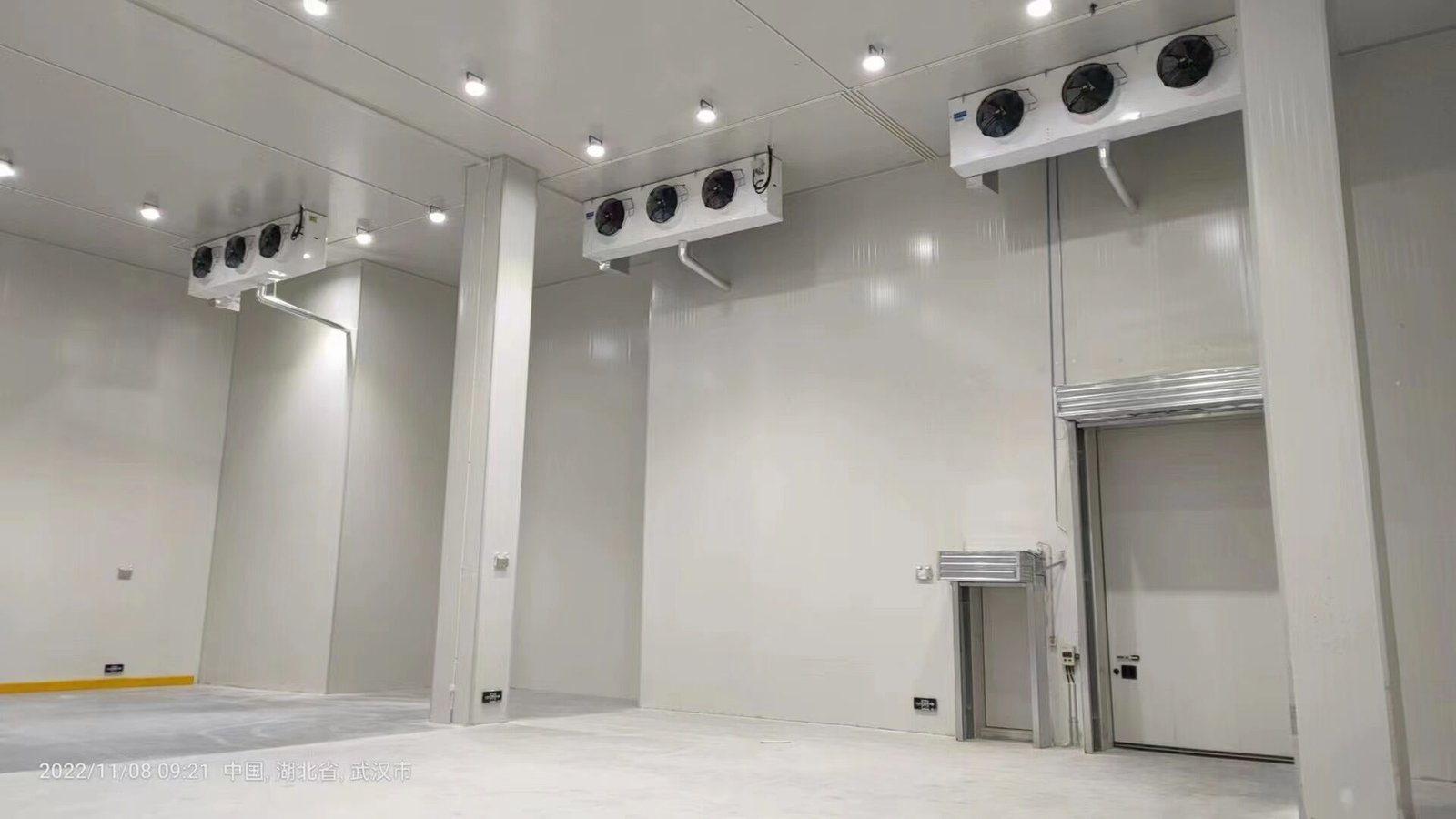
An outside condenser unit is the heart of any remote cooling system. It sits outside the building, sheds heat, and sends cooled refrigerant or chilled water inside. But here is the truth: not all condenser units are created equal. The unit that works for a bakery in Dubai will fail in a cold storage warehouse in Minnesota.

So, let’s walk through what makes these units tick, how they differ across industries, and what your global buyers actually need to know. No metaphors. No fluff. Just straight facts.
H2: The Core Job of an Outside Condenser Unit – Heat Rejection Without Drama
Your buyers need to understand one thing: the outside condenser unit is a heat rejection machine. Period. It takes the heat that was absorbed inside the building (from a walk-in cooler, a computer room, or a process line) and dumps it into the outdoor air.
The unit itself is a package. It has a compressor, a condenser coil, a fan or multiple fans, control valves, and sometimes a receiver tank for liquid refrigerant. The compressor pushes hot, high-pressure gas into the coil. The fan pulls outdoor air across the coil to cool the gas down until it condenses back into a liquid. That liquid then flows back to the indoor evaporator to start the cycle again.
Critical spec for your buyers:
- Ambient temperature range. A standard condensing unit might work from -10°C to +45°C. But if your buyer is in a region that hits 50°C or drops to -20°C, they need a unit with a different charge, fan speed control, or even a flooded head pressure control system.
- Refrigerant type. R-404A is dying. R-448A, R-449A, and R-290 (propane) are trending. For industrial applications, ammonia (R-717) with a remote condenser is common, but safety rules are strict.
- Material of the coil. Aluminum fins are cheap. Copper tubes are standard. But if your buyer is near a coast or in a chemical plant, they need a copper tube and copper fin coil (Cu/Cu) or a pre-coated aluminum coil. Salt air eats standard coils in 18 months.
Let’s put some real numbers on this. Based on 2024 data from the Air-Conditioning, Heating, and Refrigeration Institute (AHRI), the average efficiency of an outdoor condensing unit in the US market is now around 12.0 EER (Energy Efficiency Ratio) for commercial units under 5 tons. For units above 20 tons, that number drops to about 9.5 EER due to larger compressor sizes and fan limitations.
Here is a quick reference table your buyers will want to see:
| System Size (Tons) | Typical EER (2024 US Market) | Common Application | Fan Type |
|---|---|---|---|
| 1 – 5 tons | 11.5 – 13.0 | Restaurant kitchen, small retail | Single axial fan |
| 6 – 15 tons | 10.0 – 12.0 | Supermarket, wine storage | Double axial fan VFD capable |
| 16 – 30 tons | 9.0 – 10.5 | Data center, pharmaceutical | Multiple fans, EC motors |
| Above 30 tons | 8.5 – 9.5 | Industrial process, ammonia chillers | Centrifugal or high static fans |
Your distributors need to match the EER to their local energy codes. Europe is pushing for SEER (Seasonal EER) above 4.0 for small units. North America is migrating to SEER2 standards starting January 2025. Buyers in Southeast Asia or the Middle East often don’t have strict EER rules, but they are learning fast.
H2: Why the Condenser Unit for a Commercial Kitchen is Different from a Data Center
This is where your buyers get confused. They think one condenser fits all. Wrong.
Commercial Kitchen (Restaurant, Fast Food, Bakery)
The biggest enemy here is grease and heat. The condenser unit needs to be placed far from the kitchen exhaust. If it sits too close, grease particles coat the coil and block airflow. That causes high head pressure, compressor overheating, and system failure.
- Recommended coil pitch: 12 to 15 fins per inch. Anything tighter gets clogged with grease.
- Fan blade material: Aluminum or stainless steel. Plastic blades warp from roof heat.
- Location: Must be at least 3 meters from any exhaust hood, per NFPA 96 standards.
Real example: A major fast food chain in Malaysia was replacing condenser coils every 8 months until they switched to a unit with a pre-filter and stainless steel fasteners. Coil life jumped to 3 years.
Data Center / Server Room
Temperature control is tight. The indoor space must stay between 18°C and 27°C, with humidity between 40% and 60%. The outdoor condenser unit here operates differently.
- Head pressure control: The unit must run in cold weather. If the outdoor temperature drops to -5°C, the condenser fans cycle on and off or a variable speed drive slows them down.
- Glycol systems: Many data centers use a chilled water loop with a dry cooler (a condenser without a compressor) or a split system. The outside unit is often a remote air-cooled chiller condenser.
- Redundancy: The buyer wants N+1, meaning one extra fan or compressor per system. A single fan failure in a 30-ton unit can shut down a server room in 20 minutes.
According to a 2023 report by the Uptime Institute, 70% of data center cooling failures happen at the condenser level due to fouled coils or fan motor burnout. Your buyers need to budget for coil cleaning every 3 months in dusty areas.
Harsh Industrial / Outdoor Workshop (Welding, Foundry, Chemical Storage)
This scenario is brutal. The condenser unit is exposed to high temperature swings, vibration, dust, and sometimes corrosive gases.
- Compressor type: Scroll compressors are standard for light commercial. For heavy industrial, you need semi-hermetic piston or screw compressors. They handle high pressure differentials better.
- Coil protection: Tin-plated coils or epoxy-coated coils. Some factories use microchannel coils with a special coating for ammonia or sulfur dioxide environments.
- Vibration isolation: The unit must be mounted on spring isolators, not just rubber pads. Hard mounting cracks refrigerant lines.
A chemical plant in Texas replaced their condenser twice because standard copper-aluminum coils reacted with chlorine gas in the air. They switched to a stainless steel condenser with a titanium coated coil. That unit has been running for 5 years with no coil failure.
H2: The Real Cost of a Cheap Condenser Unit – What Your Buyers Don’t See
Your buyers will compare price per ton. That is a trap. The real cost is total cost of ownership over 10 years.
Initial purchase price
A standard 5-ton air-cooled condenser unit from a Chinese manufacturer might cost $1,200 to $1,800 FOB. A premium unit from Europe or the US costs $2,500 to $3,500. The cheaper unit usually has a lower efficiency (EER around 10.0) and a standard copper-aluminum coil.
Installation cost
The cheap unit might need more refrigerant piping, less flexible controls, and a larger electrical breaker. That adds $200 to $400 to the install.
Energy cost
Let’s run the numbers for a 5-ton unit running 4,000 hours per year in a region with $0.12/kWh electricity.
- Unit A: EER 10.0 → 60,000 BTU/h ÷ 10.0 = 6 kW → 6 kW × 4,000 h = 24,000 kWh × $0.12 = $2,880/year
- Unit B: EER 13.0 → 60,000 ÷ 13.0 = 4.62 kW → 4.62 × 4,000 = 18,480 kWh × $0.12 = $2,218/year
The difference is $662 per year. Over 10 years, that is $6,620. The expensive unit paid for itself in energy savings alone, and that is not including fewer repairs.
Repair and downtime
Cheap units use generic parts. When a fan motor fails, the buyer waits 2 weeks for a replacement because the supplier doesn’t have stock. The cost of downtime in a restaurant kitchen is around $500 to $1,000 per hour. One breakdown can cost more than the unit price.
What your buyers should look for:
- Compressor warranty: Minimum 3 years, ideally 5 years for semi-hermetic.
- Fan motor type: EC motors (electronically commutated) last longer and are more efficient than shaded pole motors.
- Coil warranty: 5 years for copper-aluminum, 10 years for copper-copper or coated coils.
- Serviceability: Access panels that open without tools. Fan blades that can be replaced without pulling the whole coil.
H2: Installation Gotchas That Kill Condenser Units Before They Run a Year
Many buyers think installation is the local contractor’s problem. But the unit design itself makes or breaks the install.
Airflow restriction
The condenser needs a clear path for air intake and discharge. If the unit is installed in a corner, or the discharge blows toward a wall, the hot air recirculates. The cooling capacity drops by 15% to 30%, and the compressor runs hotter, shortening its life.
- Minimum clearance: 1 meter on the intake side, 2 meters on the discharge side for units under 10 tons.
- For 20-ton+ units, increase to 1.5 meters intake and 4 meters discharge.
Piping length
The longer the line set between the condenser and the indoor evaporator, the more refrigerant pressure drop you get. That lowers efficiency and can starve the compressor of oil.
- For R-410A systems, the maximum recommended distance is 45 meters for a 5-ton unit, without an oil trap.
- If your unit has a remote condenser (no compressor outside), the distance can be up to 150 meters with proper piping design.
Voltage drop
Buyers often underestimate electrical losses. A 5-ton compressor draws about 25 amps at 230V. If the wire run is 50 meters of 10 AWG copper, the voltage drop is about 2.5 volts. That is fine. But if they run 100 meters of 12 AWG, the drop is 8 volts. That causes the compressor to draw higher amps, overheat, and trip the overload switch.
Refrigerant charge
Some cheap units ship with a full charge, but that charge is only correct for 7.5 meters of piping. If the installation needs 15 meters, they need an extra 0.5 kg of refrigerant. Without it, the system runs low on liquid, and the compressor burns out.
Your buyers need a unit that includes a liquid line receiver or a suction accumulator. That gives the installer some margin for error during the field charge.
Q&A Section – Three Questions Your Buyers Ask Most
Q1: I am a distributor in the Middle East. My customers want a condenser that works in 50°C ambient without tripping. What do I recommend?
A: Look for units with a high ambient kit. That includes a head pressure controller that runs the condenser fan at full speed always and a compressor with a discharge gas thermostat (DGT) that protects against overheating. The minimum condenser coil face area for a 5-ton unit in that climate should be 0.45 square meters, not the standard 0.35. Also ask your supplier if the compressor is rated for 65°C condensing temperature. Some cheap compressors only handle 55°C.
Q2: Is it better to have a single large condenser or two smaller ones for the same total capacity?
A: Two smaller units give you redundancy. If one fails, the system still runs at 50% capacity. That is critical for supermarkets or data centers. Two units are also easier to install because each is lighter. But two units cost about 20% more piping and electrical work. For a single application like a walk-in freezer or a beverage cooler, one unit is fine. For a server room, use two.
Q3: My customer wants to convert from R-404A to R-448A. Do they need a new condenser unit?
A: Not always, but often. R-448A runs at a higher discharge pressure than R-404A. That means the condenser coil needs more surface area to reject the same amount of heat. If the existing unit was designed for R-404A, the discharge pressure with R-448A could be 1.5 to 2 bar higher. That can shorten the compressor life and cause fan overload. For a retrofit, the safest bet is to use a unit that is already rated for both refrigerants, or oversize the condenser by 15%.
Your buyers are looking for reliability, not the lowest price. Write your product specs based on what the equipment will face in the field. Show them what happens when the coil is too small, or the fan motor is cheap. That builds trust. And trust is what closes global B2B deals.