
Beyond the Basics: A Procurement Guide to Room Cooling Units for Diverse Business Needs
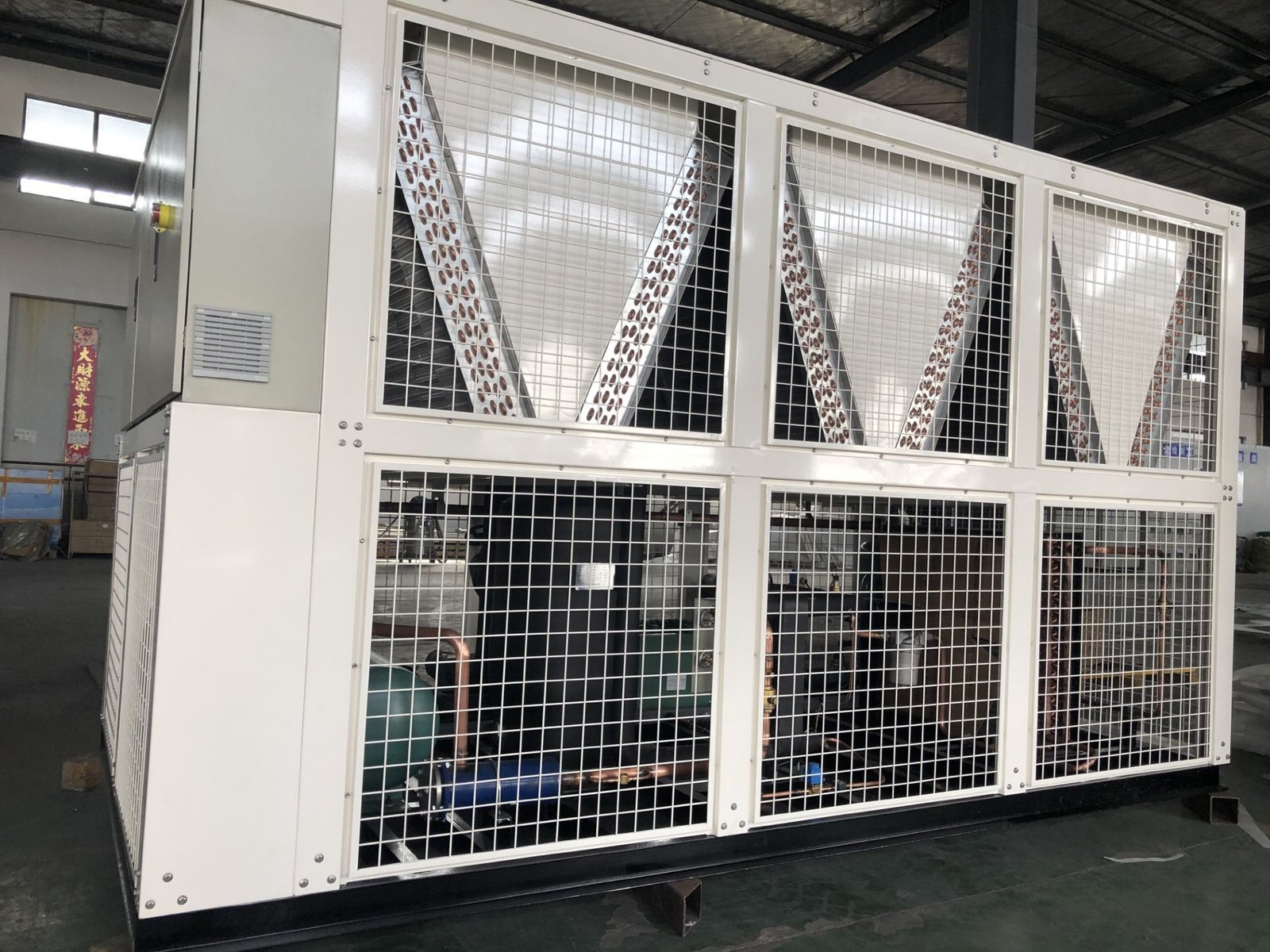
You’re sourcing cooling units for a project, a facility, or for your inventory. The question isn’t just “how to cool a room,” but “how to choose the right tool for a specific job that maximizes ROI for my clients and my business.” From server rooms humming in Lisbon to pharmaceutical storage in Dubai, the wrong unit means wasted money, downtime, and damaged goods. Let’s cut through the noise and talk specs, applications, and smart buying.

Matching Cooling Tech to Industry-Specific Challenges
The “one-size-fits-all” approach is a fast track to failure in commercial cooling. The core requirement—removing heat—remains, but the priorities shift dramatically by sector.
- IT & Telecom (Server/Network Rooms): Here, precision is everything. It’s about sensible cooling—removing dry heat. Units must maintain tight temperature (±1°C) and humidity (45-55% RH) bands 24/7/365. Redundancy (N+1 configuration) is non-negotiable. Look for units with high sensible heat ratio (SHR > 0.9), integrated monitoring (SNMP cards for remote alerts), and scalable capacity. A unit that can’t communicate its status to a building management system (BMS) is a liability.
- Healthcare & Laboratories: Beyond temperature, control over air filtration, cleanliness, and sometimes pressurization is key. Pharma storage may require units that maintain +2°C to +8°C with documented validation protocols. Labs need stable conditions for sensitive instruments. Features like HEPA/ULPA filters, corrosion-resistant components (for chemical labs), and precise humidity control for sterilization areas are critical. Compliance with standards like ISO 14644 or GMP is often a purchase prerequisite.
- Hospitality & Retail: The game is guest comfort, noise levels, and aesthetics. Sleek, quiet units (low dB ratings) that blend into decor are paramount for hotels. For restaurants, robustness against grease and easy cleaning matter. Retail spaces need even air distribution to avoid hot/cold spots that drive customers away. Energy efficiency directly impacts operational overhead.
- Industrial & Manufacturing: These are the tough jobs. Cooling control panels, welding stations, or packaging lines means dealing with high ambient heat, dust, and particulates. Durability is key. Units need heavy-duty filters, robust coils, and often higher IP (Ingress Protection) ratings (e.g., IP54) to withstand harsh environments. The focus is on reliability over refinement.
- Agricultural & Storage (Produce, Cannabis, Warehouses): Here, the goal is often preserving perishables. High humidity control to prevent dehydration of fresh produce, or dehumidification for dry storage, is central. For cannabis cultivation, specific VPD (Vapor Pressure Deficit) control across different growth stages is a sophisticated need. Units must be easy to clean to prevent mold and maintain air quality.
Real-time Data Point: A 2023 survey by ASHRAE indicated that nearly 40% of data center cooling upgrades are now driven by the need for better humidity control and energy metering, not just raw cooling capacity.
The Critical Specs Sheet: What B2B Buyers Must Decode
Forget marketing fluff. Your conversation with manufacturers needs to drill into these technical parameters.
- Capacity: BTU/h vs. kW. Know the difference. 12,000 BTU/h ≈ 3.5 kW. But is it Total Capacity (the full heat removal) or Sensible Capacity (the bit that actually lowers temperature)? For IT rooms, the sensible capacity is your working number. Always ask for the capacity at specific conditions (e.g., 24°C indoor/35°C outdoor), not just the nominal rating.
- Energy Efficiency: The Real Cost Driver. EER (Energy Efficiency Ratio) and COP (Coefficient of Performance) are your best friends. A unit with an EER of 12 is significantly cheaper to run than one with an EER of 9. For larger systems, inquire about IEER (Integrated Energy Efficiency Ratio), which better reflects part-load performance. In markets like the EU, the new Ecodesign regulations are pushing minimum efficiency levels higher—stocking compliant units is essential.
- Refrigerant Type: Regulatory Future-Proofing. The phase-down of high-GWP (Global Warming Potential) refrigerants like R410A is underway globally. R32 is now a mainstream, lower-GWP alternative. For larger or more advanced systems, R454B and other A2L (mildly flammable) “next-gen” refrigerants are entering the market. Procuring units with future-compliant refrigerants protects your clients from early obsolescence and expensive retrofits.
- Form Factor & Installation Flexibility.
- Ducted vs. Ductless: Ducted units offer centralized, invisible cooling; ductless (split systems) offer easier, cheaper installation.
- Ceiling Cassette, Floor Mount, Wall Mount: Cassettes distribute air evenly in open spaces; floor mounts suit rooms with high heat loads at low level; wall mounts are the universal solution.
- Packaged vs. Split Systems: Packaged units (single cabinet) are easier to install but may be noisier indoors. Split systems separate the noisy condenser from the quiet air handler.
| Quick-Reference: Cooling Unit Selection by Primary Need | Primary Need | Recommended Focus | Key Specs to Prioritize |
|---|---|---|---|
| Precision Stability (IT, Labs) | Precision Air Conditioners | High Sensible Capacity, Low SHR, Humidity Control ±5%, BMS Integration | |
| High Ambient & Dust (Factories) | Robust Industrial Units | High IP Rating, Heavy-Duty Filters, High-Temp Operation Ratings | |
| Quiet & Aesthetic (Hotels, Offices) | Low-Noise Ceiling Cassettes / Ducted | dB(A) Rating (<50 dB), Customizable Grilles, Multi-directional Airflow | |
| High Moisture Load (Pools, Farms) | High-Capacity Dehumidification Units | Liters/Day Moisture Removal, Anti-Corrosion Coating, Condensate Pump |
The Procurement Checklist: Questions to Ask Your Supplier
Before you place that container order, get clear answers.
- Certification & Compliance: Does the unit carry CE, UKCA, UL, or CRAA certification for its target markets? Are EER values verified by third-party testing?
- Part-Load Performance: How efficient is the unit at 50% or 75% load? Real-world operation is rarely at 100%.
- Component Transparency: Who makes the core components—compressor (Copeland, Danfoss, GMCC?), fans, PCB? Branded components often signal reliability and easier servicing.
- Scalability & Connectivity: Can multiple units be linked and managed as one system? Is a remote monitoring kit (IoT) available as an option? This is a huge value-add for B2B clients.
- After-Sales & Logistics: What is the warranty terms (e.g., 2 years on unit, 5 years on compressor)? How is the spare parts supply chain organized in our region? Can they provide installation manuals and technical training in English?
Bottom Line: The most profitable sale is one where the equipment performs flawlessly for the end-user for years. That starts with a technically sound procurement decision, matching the machine’s true capabilities to the room’s actual, industry-specific demands.
Professional Q&A
Q: For a server room application, is a standard “comfort” air conditioner ever acceptable?
A: Almost never. Comfort ACs are designed to lower temperature and remove humidity (latent heat) for human comfort. Server rooms produce almost entirely dry (sensible) heat. Using a comfort AC will short-cycle, struggle to control humidity accurately, and likely fail prematurely under 24/7 operation. Precision ACs are engineered for this exact duty cycle.
Q: We serve clients in the EU and Middle East. How important is the refrigerant type today?
A: Critically important. The EU F-Gas Regulation is aggressively phasing down high-GWP refrigerants. Selling a unit with R410A into the EU now could complicate installation and limit its service life. The Middle East, while often following EU standards for imports, also has extreme ambient temperatures. Ensure the unit’s rated capacity and reliability are validated for the specific high-ambient conditions (e.g., 52°C) of the region, regardless of refrigerant.
Q: What’s the single most common sizing mistake you see?
A: Underestimating the total heat load by ignoring all components. Buyers calculate heat from machinery but forget about heat from lighting, occupancy, solar gain through windows, and even the heat output from the walls in hot climates. Always conduct a professional heat load calculation. It’s better to have a unit operating efficiently at 80% capacity than one struggling at 100% all day.
Q: How crucial is the supplier’s ability to provide customizations (like special paints, voltages, or connectors)?
A: For B2B projects, it’s often a deal-maker. A factory in an older building may require a 575V/60Hz unit. A coastal installation needs corrosion-resistant coating. A manufacturer that offers flexible production runs for such customizations demonstrates deeper engineering capability and is a more valuable long-term partner than a rigid, catalog-only supplier.