
Choosing the Right Industrial Cooling Units for Your Facility – A Practical Guide for Food Processing, Chemical Plants, and Data Centers
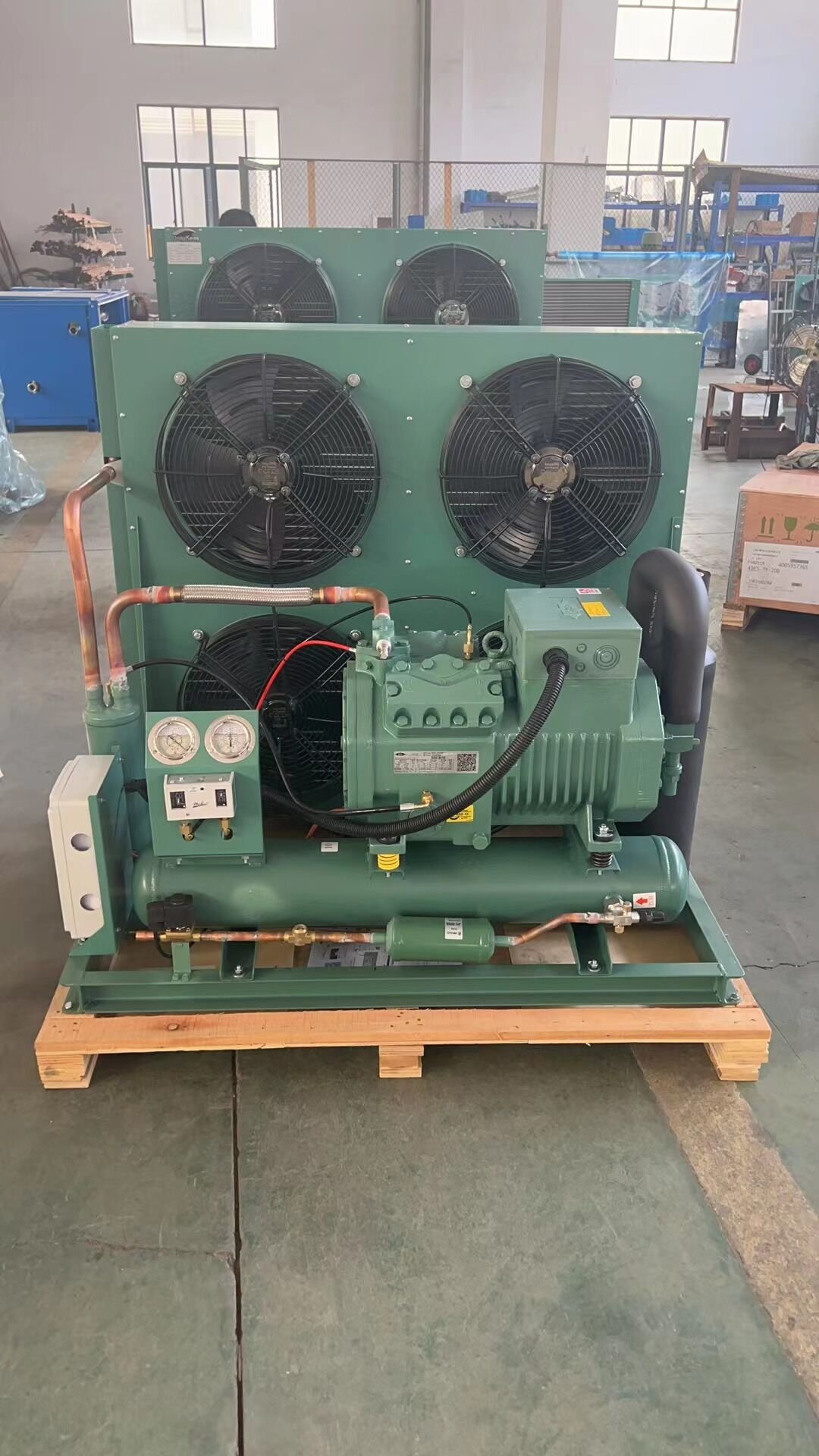
Now, let’s get straight to it. If you run a food processing plant, a chemical manufacturing facility, or a data center, your cooling unit is not just an accessory – it’s the backbone of your operation. Pick the wrong one, and you’re looking at spoilage, equipment failure, or skyrocketing energy bills. I’ve spent years working with global distributors and end users, and I’ve seen the same mistakes over and over. So here’s a no-fluff, real-world breakdown of how to select industrial cooling units that actually work for your specific industry.
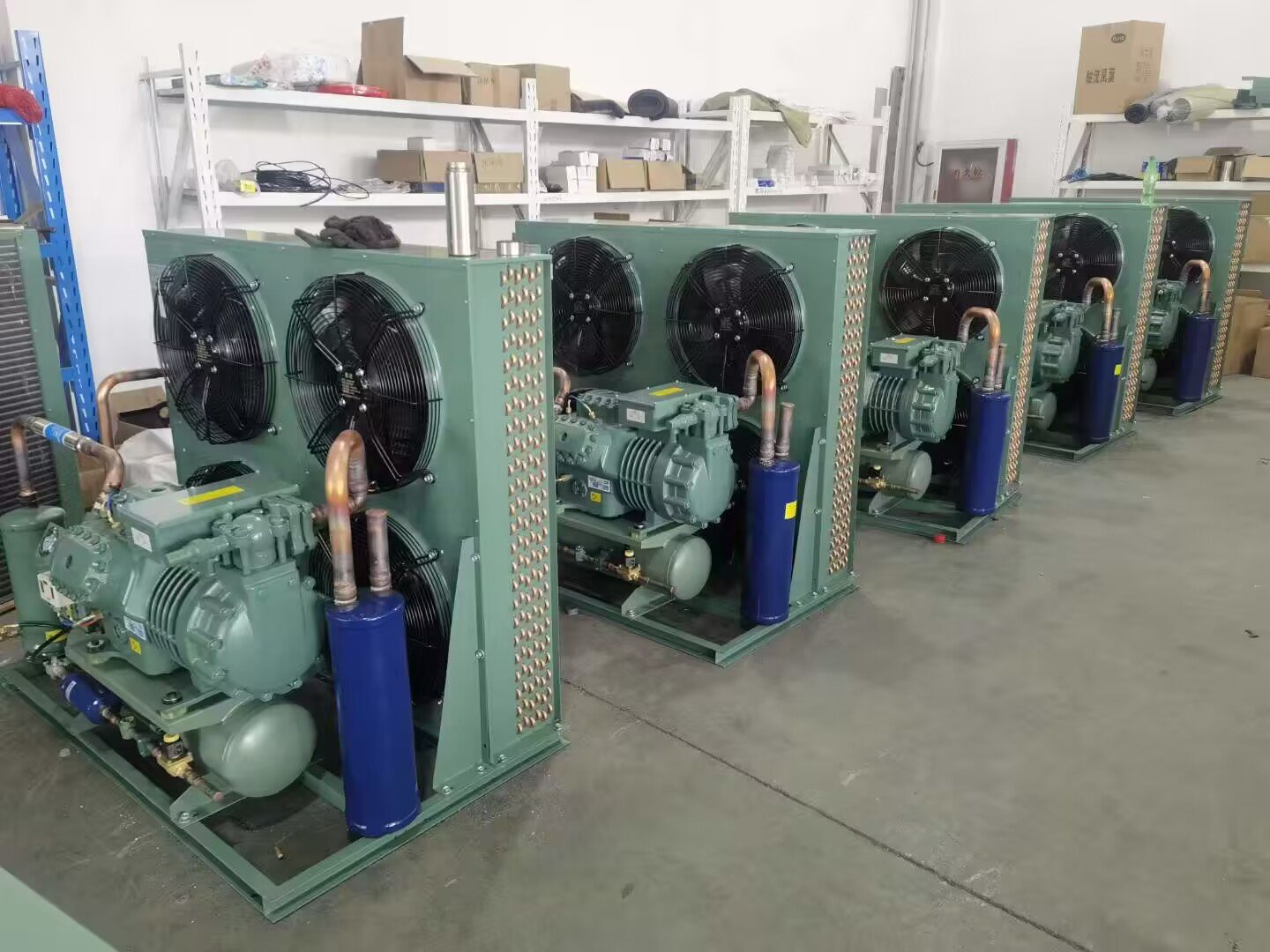
Let’s start with the basics: what do you need to ask yourself before even looking at a catalog?
1. What’s the actual heat load you’re dealing with?
Every industry has a different heat profile. A food processing line generates high humidity and latent heat from cooking or freezing. Chemical plants produce sensible heat from exothermic reactions and need corrosion-resistant materials. Data centers have dense, constant heat loads from servers and require precise temperature and humidity control.
You need to calculate your total heat load in kW or tons of refrigeration. Don’t guess – measure. Use thermal imaging or load calculation software. A rule of thumb: for every 1 kW of electrical equipment in a data center, you need about 1 kW of cooling capacity. But for food freezing tunnels, you might need 3–5 times that due to phase change.
Here’s a quick reference table based on average industry data (2024–2025):
| Industry | Typical Heat Density (kW/m²) | Required Cooling Capacity per 1000 m² (kW) | Common Coolant Temperatures |
|---|---|---|---|
| Food Processing (freezing) | 0.8–1.5 | 800–1500 | -35°C to -20°C |
| Chemical Reactor Cooling | 0.5–2.0 | 500–2000 | -10°C to +10°C |
| Data Center (average density) | 10–20 | 10,000–20,000 | 12°C–18°C chilled water |
| Pharmaceutical Cleanroom | 0.3–0.6 | 300–600 | 4°C–8°C |
These numbers change every year as equipment becomes more efficient. For example, in 2024, new data center designs pushed heat densities above 30 kW per rack in some AI clusters. So always use the latest ASHRAE guidelines or consult a thermal engineer.
2. Energy efficiency – because your electricity bill is real
Energy costs can eat up 40% of your facility’s operating expenses. That’s why you need to look beyond the purchase price. The key metric is EER (Energy Efficiency Ratio) for air-cooled units and COP for water-cooled systems. In 2025, the minimum EER in most countries is 3.0, but top-tier units hit 4.5 or higher.
But here’s the thing: efficiency isn’t just about the compressor. It’s about the whole system – fans, pumps, heat exchangers, and controls. A variable-speed drive on the condenser fan can cut energy use by 30% compared to a fixed-speed model.
Also, check the new refrigerant regulations. The EU’s F-Gas phase-down and the US AIM Act are pushing manufacturers toward lower GWP refrigerants like R-290 (propane), R-32, and CO2 (R-744). For industrial chillers, R-513A and R-1234ze are becoming common. But be careful – some low-GWP refrigerants are mildly flammable (A2L class), so you need proper ventilation and safety systems.
I’ve seen distributors lose deals because they didn’t understand which refrigerants were banned in which region. For example, in Germany, R-404A is already phased out for new equipment. So if you’re selling to a German chemical plant, you better have a unit that uses R-454B or R-449A.
3. System type – air-cooled, water-cooled, or evaporative? There’s no universal winner.
Let’s break it down.
Air-cooled chillers are the most common. They’re simple, low maintenance, and don’t need a cooling tower. But they’re less efficient in hot climates – ambient temperature above 40°C can reduce capacity by 20%. Great for small to medium-sized facilities in temperate zones.
Water-cooled chillers are more efficient – up to 30% lower energy bills – but they require a cooling tower, water treatment, and more piping. They’re the go-to for large industrial plants and data centers. In 2024, a water-cooled chiller with a magnetic bearing compressor achieved a COP of 7.0 in a 10,000 kW installation in Singapore. That’s impressive.
Evaporative cooling (adiabatic) is a hybrid. It uses water spray to cool the air before it hits the condenser. This can boost efficiency in dry climates but needs water treatment to prevent scaling. For chemical plants in the Middle East, evaporative coolers are popular because they can handle high dust loads.
Here’s a side-by-side comparison for a 500 kW cooling load in a chemical plant in Houston, USA (average summer temp 35°C, humidity 70%):
| Type | Initial Cost (USD) | Annual Energy Cost (USD) | Water Consumption (m³/yr) | Maintenance Cost/yr |
|---|---|---|---|---|
| Air-cooled | 180,000 | 95,000 | 0 | 8,000 |
| Water-cooled (open tower) | 250,000 | 65,000 | 4,500 | 15,000 |
| Evaporative-cooled | 220,000 | 75,000 | 2,800 | 12,000 |
The water-cooled unit saves $30,000 per year in energy, but you need to factor in water cost and treatment. In areas with cheap water, it’s a no-brainer. In water-scarce regions, air-cooled wins.
4. Controls, monitoring, and future-proofing
In 2025, you can’t ignore smart controls. Modern industrial cooling units come with IoT sensors that monitor compressor vibration, refrigerant pressure, and oil levels in real time. Some systems even predict failures before they happen.
For your customers, this means less downtime. For you as a distributor, it means you can offer remote diagnostics and service contracts – a huge revenue stream.
Look for units that support Modbus, BACnet, or MQTT protocols. Why? Because a food processing plant might use a SCADA system, while a data center uses a DCIM platform. Your cooler needs to talk to both.
Also, think about the future. In 2026, the European Energy Efficiency Directive (EED) will require all new industrial chillers to have a minimum seasonal energy efficiency ratio (SEER) of 5.0. China’s GB 19577-2024 already mandates this for cooling capacities above 200 kW. So if you’re selling to Chinese or European buyers, make sure your units comply.
5. Maintenance and spare parts – the hidden cost
Your customers will love a machine that’s easy to service. Some things to consider:
- Accessibility: Can the compressor be replaced without disassembling the whole unit? Look for panels that swing open.
- Filter location: Are the condenser air filters on the side or top? Top access means they need a ladder, which is dangerous.
- Spare parts availability: As a distributor, you want a supplier that stocks common parts like expansion valves, fans, and control boards in your region. Lead times of 8 weeks are a deal-breaker.
- Oil and refrigerant charge: Some low-GWP refrigerants like R-32 require special recovery machines. Make sure your service team is trained.
I once visited a pharmaceutical plant in Ireland where they had to shut down production for 2 days because a chiller’s controller board failed and the replacement took 3 weeks to arrive from China. That cost them €200,000 in lost product. So when you’re selecting a cooling unit for a client, ask the manufacturer about on-site support and warehouse locations.
Frequently Asked Questions (from real distributor conversations)
Q: I have a food processing client who wants a cooling unit that can handle both freezing and refrigeration. Is a single system possible?
A: Yes, but you need a two-stage or cascade system. For example, a screw chiller can provide -25°C for freezing and a separate circuit with R-134a for +5°C cold storage. However, most facilities prefer dedicated units per temperature zone because it’s more efficient and easier to maintain. If you go with a single unit, make sure it has separate compressors for each circuit.
Q: What’s the biggest mistake distributors make when quoting cooling units for chemical plants?
A: Ignoring corrosion. Chemical plants often have ammonia, sulfuric acid, or chlorine in the air. Standard copper-tube aluminum-fin coils will fail in 2 years. You need stainless steel (304 or 316L) heat exchangers and epoxy-coated fins. Also, use explosion-proof components if flammable gases are present – that’s a non-negotiable safety requirement in Zone 1 areas.
Q: How do I prevent my client from buying an oversized chiller?
A: Oversizing is common because engineers want a safety margin. But a chiller running at 50% load cycles on and off, wasting energy and wearing out the compressor. The solution is to install a variable-speed drive (VSD) compressor, which can modulate down to 25% capacity. Also, ask for a load profile over 24 hours – if the peak load only lasts for 2 hours, consider thermal storage (ice banks) to shave the peak.
Q: What’s the current trend for refrigerants in industrial cooling?
A: R-290 (propane) is exploding in popularity for small chillers (up to 150 kW) because it’s cheap, has GWP of 3, and excellent efficiency. For large industrial systems, R-513A (GWP 631) is common as a drop-in for R-134a. But watch out – EU will ban R-513A for new chillers above 500 kW from 2027. So R-1234ze (GWP 7) or CO2 systems are the long-term bet.
Q: My overseas customer wants a cooling unit that works in high ambient temps (45°C+). What should I recommend?
A: Standard air-cooled chillers will derate by 25–30% at 45°C. You need a high-ambient model with oversized condenser coils, flooded condenser operation, or a water-cooled system. Many manufacturers offer “desert” versions with additional fan speed and condenser surface area. For example, Carrier’s AquaForce series and Trane’s Sintesis series have options for up to 52°C ambient. Also, consider adding a pre-cooler (evaporative pad) if water is available.
Q: Do I really need to offer a service contract with every cooling unit sale?
A: If you want recurring revenue and customer loyalty, yes. Industrial cooling units have a 15–20 year lifespan, and the profit margin on a service contract (parts + labor) is typically 40–60%. Plus, you’ll catch issues early – worn belts, dirty filters, refrigerant leaks – before they cause a breakdown. Most of my distributor clients report that 70% of their profit comes from service after the first year.
That’s the real picture. No fluff, no hype. Just the factors that will make or break your cooling unit selection – and your business. Now go talk to your engineering team and get those heat load numbers.