
Precision Cooling for Every Industry: Your Guide to Modern CDUs
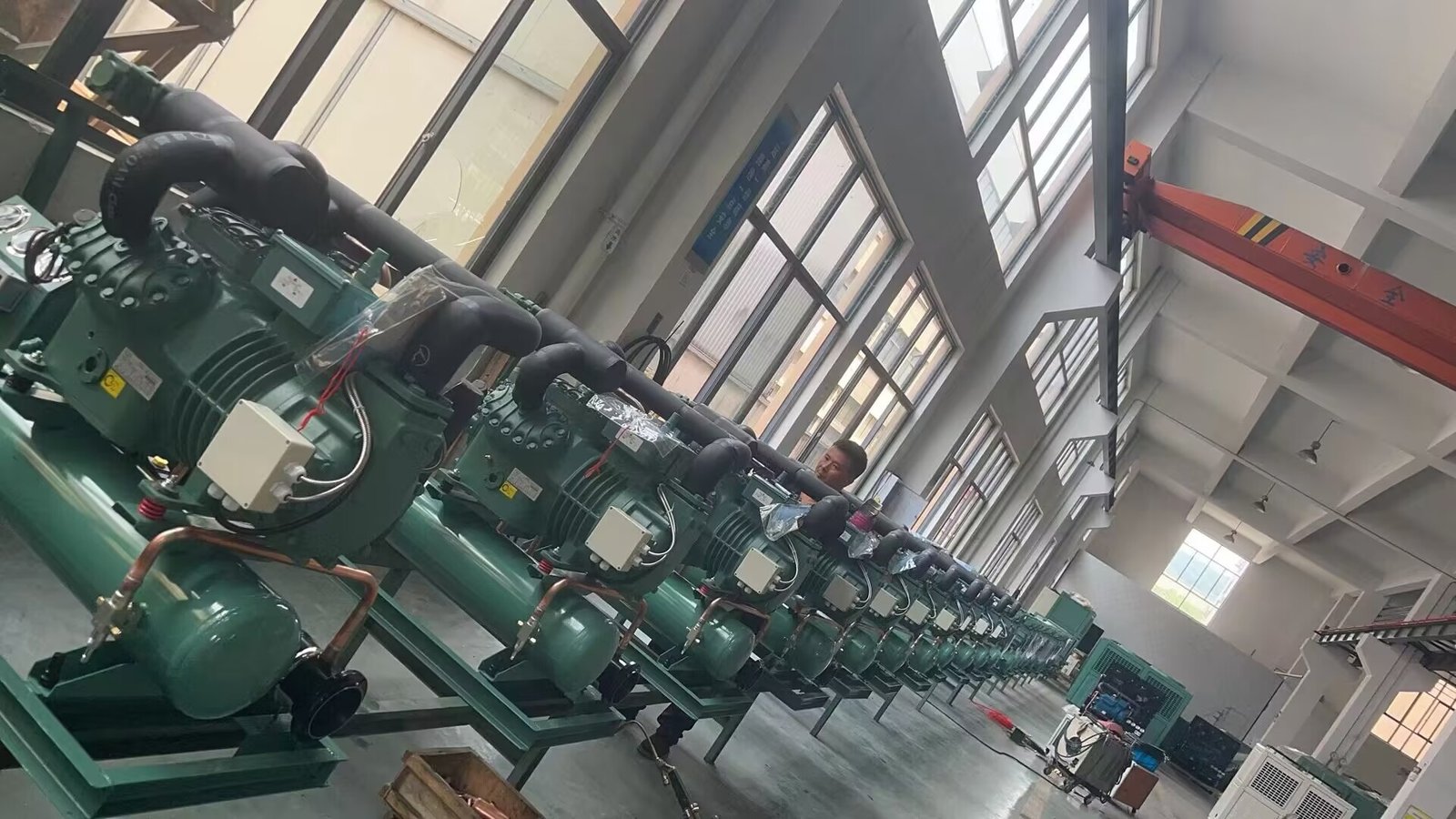
You need cooling that matches your project’s exact heartbeat. Whether it’s a data server humming with AI computations or a pharmaceutical lab requiring pristine conditions, the right Cooling Distribution Unit (CDU) is the unsung hero. Forget one-size-fits-all. Today’s top units are about modular design, pinpoint control, and ruthless efficiency. Let’s break down what makes a CDU stand out now and how to match it to your industry’s demands.

Demand-Driven CDU Selection for Data Centers
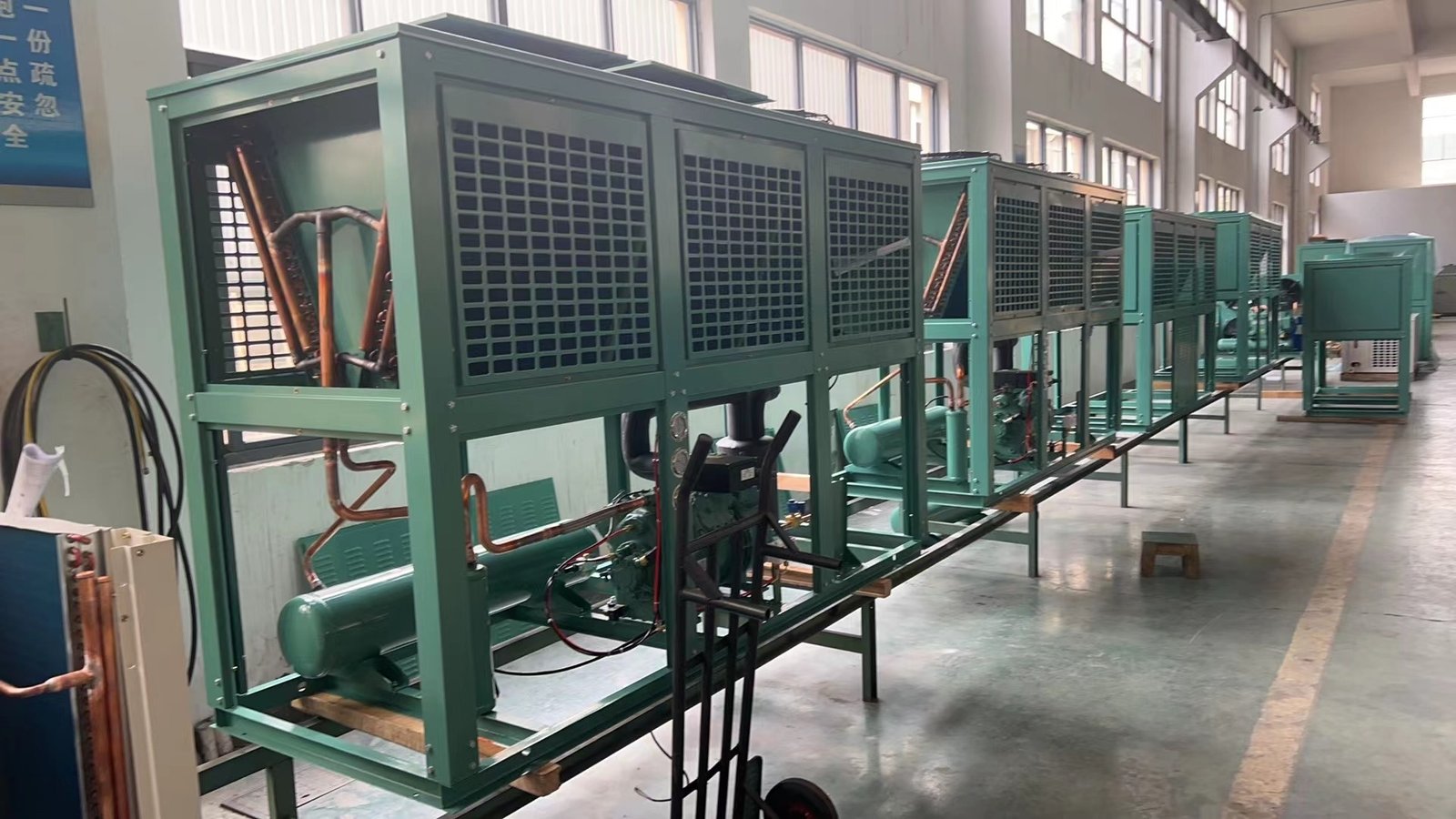
Data centers are the engines of the digital world, and their cooling needs are hyper-specific. The conversation has moved beyond just capacity to intelligent management and heat density support.
A top-tier CDU here acts as a precision hub. It takes in chilled water from your primary plant and distributes it at the exact temperature and flow rate required by server racks, including high-density setups over 50kW per rack. Look for units with advanced pump configurations—often variable speed or redundant N+1 designs—that self-adjust based on real-time IT load. This cuts pump energy by up to 40% compared to fixed-speed systems.
Integration is non-negotiable. The best CDUs feature native compatibility with DCIM (Data Center Infrastructure Management) platforms like Schneider Electric’s EcoStruxure or Vertiv’s Trellis. They provide live data on inlet/outlet temperatures, flow rates, and pump status, allowing for predictive maintenance and seamless integration into holistic cooling strategies.
For edge data centers or colocation facilities, modular, skid-mounted CDUs are winning. They are pre-assembled, tested, and can be deployed rapidly, significantly reducing on-site installation time and complexity.
Key specs to demand:
- Flow rate accuracy within +/- 3%.
- Support for high-temperature water-side economization.
- Redundant components (pumps, controllers, power supplies).
- Materials compatible with inhibitors and glycol mixes for freeze protection.
Robust Cooling Solutions for Industrial & Manufacturing
In manufacturing, cooling isn’t about comfort; it’s about process integrity and machine uptime. We’re talking plastic injection molding, laser cutting, metalworking, and chemical processing. Here, CDUs must be rugged, reliable, and often resistant to harsh environments.
The priority is consistent thermal removal. A process CDU ensures that a molding machine’s hydraulic system or a laser’s generator maintains a steady temperature, critical for product quality and preventing costly machine shutdowns. Look for units built with industrial-grade components—think heavy-duty pumps, corrosion-resistant plate heat exchangers (often in stainless steel), and controls housed in IP54-rated or higher enclosures to withstand dust, moisture, and vibration.
Temperature stability is king. Top industrial CDUs offer tight temperature control, often within ±0.5°C, using PID controllers. They handle higher temperature differentials and may be configured for simultaneous cooling and heating circuits. For facilities with waste heat, some CDUs can integrate with heat recovery systems, redirecting thermal energy to pre-heat process water or space heating, turning a cost center into an efficiency gain.
Critical considerations:
- Heat exchanger material (copper, stainless steel) compatible with process fluids.
- Ability to handle high ambient temperatures in factory settings.
- Easy service access for maintenance in busy plant floors.
- Flow and pressure ratings that match the specific machinery’s requirements.
High-Availability Cooling for Healthcare and Labs
Precision takes on a new meaning in healthcare and life sciences. Cooling for MRI machines, CT scanners, laboratory equipment, and cleanrooms requires absolute reliability and precision. Downtime isn’t an option, and temperature fluctuations can compromise research or patient diagnostics.
CDUs in this sector are engineered for 24/7/365 silent operation and fail-safe redundancy. They often feature dual independent cooling circuits, so if one pump or control system fails, the other takes over instantly without a blip in cooling. Acoustic noise levels are a major specification, as these units are frequently installed near patient areas or sensitive lab environments.
Water purity can be critical. For cooling advanced imaging equipment, CDUs may use deionized water loops. This demands systems with seals and materials that prevent contamination and corrosion. Look for units with detailed alarm and monitoring systems that alert staff to any deviation in pressure, temperature, or conductivity, allowing for proactive intervention before equipment is affected.
Must-have features:
- Hospital-grade quiet operation (<60 dBA at 1m).
- Comprehensive alarm escalation (local, remote, SNMP).
- Materials suitable for high-purity water circuits.
- Validated performance documentation for critical installations.
Comparative Snapshot: Key CDU Specifications by Application (2024 Market Leaders)
| Feature / Specification | Data Center / IT Focus | Industrial Process Focus | Healthcare / Lab Focus |
|---|---|---|---|
| Primary Design Goal | Efficiency & Scalability | Durability & Stability | Reliability & Precision |
| Typical Redundancy | N+1 Pumps & Power | Often Single, Heavy-Duty | Full N+1 or 2N Systems |
| Control Accuracy | ±0.5°C | ±0.5°C to ±1.0°C | ±0.2°C to ±0.5°C |
| Key Integration | DCIM/BMS Protocols (Modbus, BACnet) | PLC Networks | BMS with Critical Alarm Relay |
| Common Fluid | Water/Glycol Mix | Water/Glycol or Process Fluid | Water, Deionized Water |
| Enclosure Rating | Standard (IP20-31) | Protected (IP54 typical) | Clean/Silent (IP31-54) |
| Serviceability | Front/Rear Access, Hot-swappable pumps | Robust, Easy-access Panels | Tool-less access, Quiet operation |
Your CDU Questions, Answered by Experts
Q: We’re expanding a modular data center. How do we size a CDU for future growth?
A: This is where modular CDU design shines. Opt for a skid-based system with a “pay-as-you-grow” framework. Start with a unit sized for your initial IT load but specify a frame and piping header that allows you to add pump modules, control valves, and even additional heat exchanger blocks in the future without replacing the entire unit. Ensure the control software is pre-configured to recognize and manage these added components automatically.
Q: Our factory floor has high ambient dust. What CDU specs are critical?
A: Focus on the enclosure protection rating. An IP54 rating is the minimum we recommend, as it guarantees protection against dust ingress and water splashes. Secondly, specify sealed bearings for the pumps and fans. Consider a unit with a slightly oversized heat exchanger coil, which can allow fans to run slower, reducing the amount of dust pulled into the unit while still meeting heat rejection needs.
Q: For a lab cooling MRI machines, is redundancy in the CDU enough?
A: While N+1 redundancy within the CDU (pumps, controllers) is essential, it’s only one layer. True high availability requires a full system approach. This means dual independent power feeds to the CDU, a secondary backup CDU on a separate circuit (often in a 2N configuration), and a validated emergency procedures protocol. The CDU should provide dry contact alarms for every critical fault to integrate with your facility’s building management system for immediate staff alerting.
Q: How significant are the energy savings from variable speed pumps in a CDU?
A: They are typically the largest source of efficiency gain in the system. In a typical data center application with variable IT loads, variable speed drives (VSDs) on CDU pumps can reduce pump energy consumption by 30% to 50% annually compared to constant volume systems. The savings come from the pump speed adjusting to precisely meet the required flow, overcoming only the necessary system pressure, rather than running at full throttle constantly. This also reduces mechanical stress, extending component life.