Danfoss Condensing Units: Cooling Solutions That Fuel Global Trade and Industry
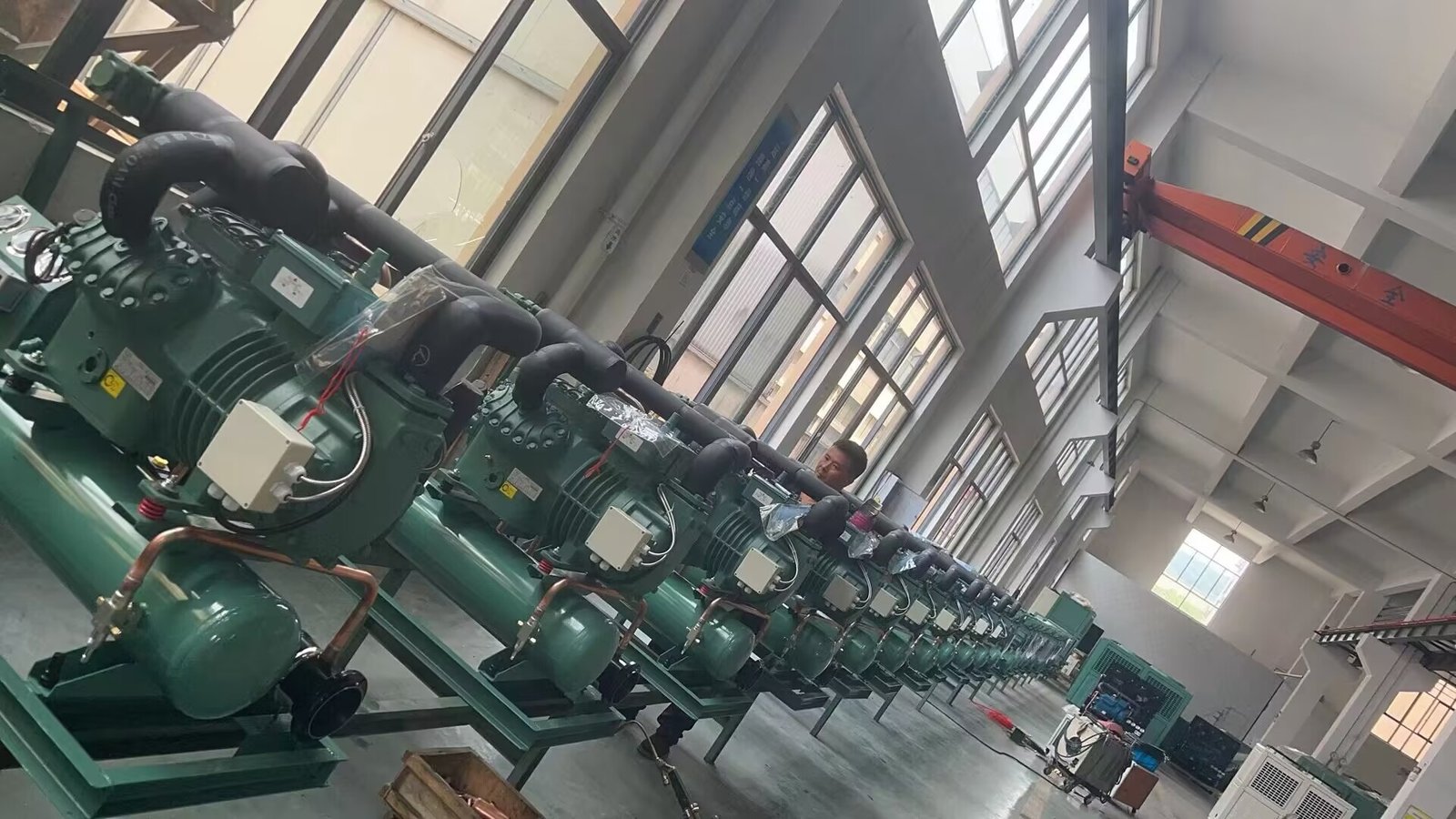
When you’re in the B2B refrigeration game, Danfoss condensing units are like the backbone of countless cooling systems worldwide. Wait, no metaphors—let’s keep it straightforward. These units are essential components that keep things cold, and for distributors and importers, they’re a top-selling line. Today, we’re diving straight into what makes Danfoss condensing units stand out, how they serve various sectors, and why they’re a smart pick for your inventory. We’ll use the latest data and insights to give you the real scoop.

Danfoss offers a range of condensing units designed for commercial and industrial use. They’re known for reliability, energy efficiency, and adaptability. In 2023, the global demand for cooling solutions has surged, driven by trends like e-commerce refrigeration and climate-conscious regulations. As a distributor, stocking Danfoss means tapping into a market that’s projected to grow by 5.2% annually through 2025, according to recent industry reports. These units aren’t just parts; they’re revenue drivers for businesses across retail, hospitality, healthcare, and more.
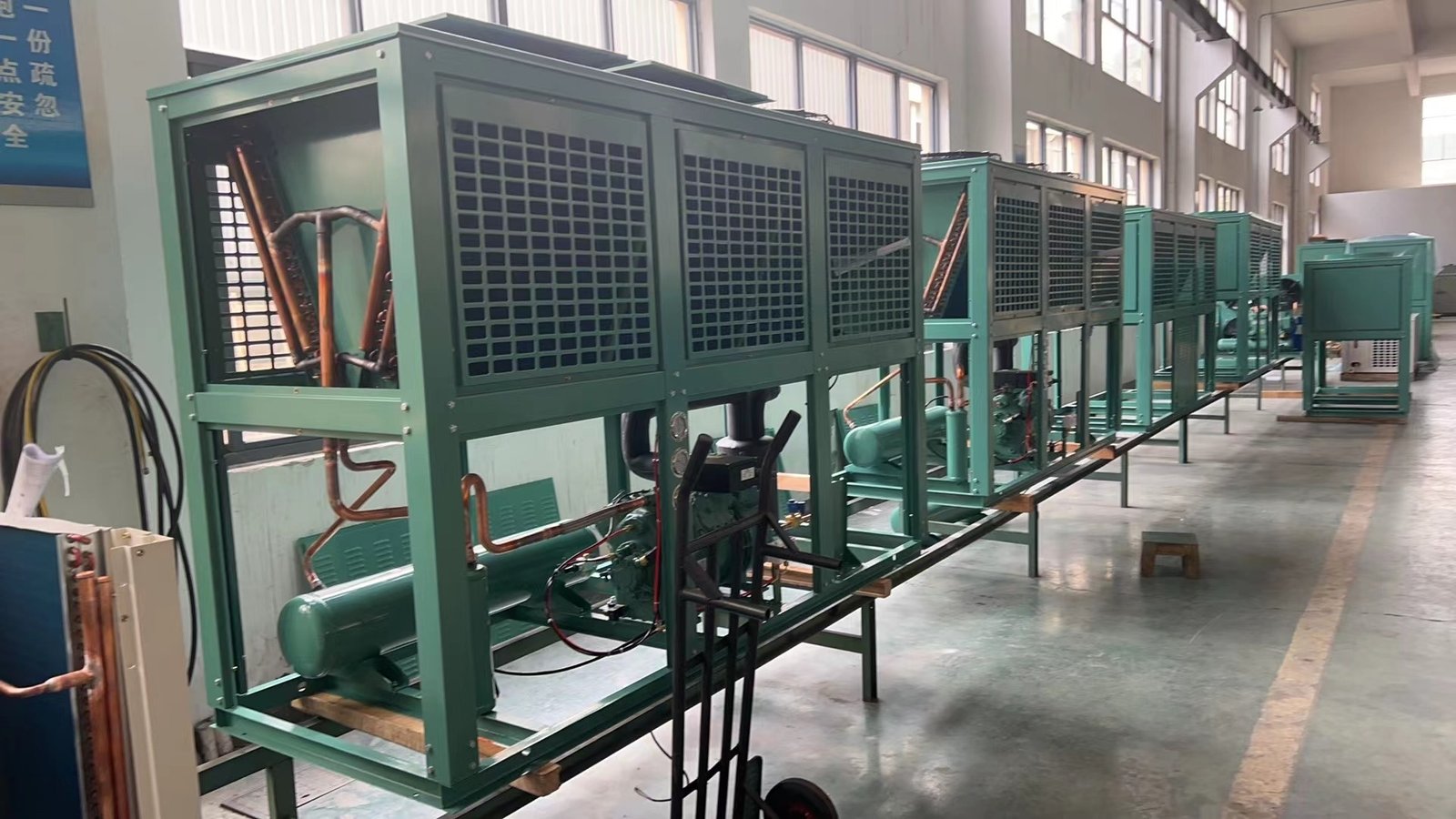
Industry Applications of Danfoss Condensing Units
Let’s talk about where these units shine. Danfoss condensing units are versatile, and that’s a big sell for B2B dealers. In the food retail sector, think supermarkets and convenience stores. Units like the Danfoss ML series are popular for medium-temperature applications, keeping perishables fresh. With the rise of online grocery shopping, demand for reliable refrigeration in logistics hubs has spiked. In 2023, data shows that food retail accounts for over 40% of condensing unit sales globally.
Hospitality is another key area. Hotels, restaurants, and catering services rely on Danfoss for everything from walk-in coolers to beverage dispensers. The Danfoss AK series, for instance, is built for heavy-duty use in commercial kitchens. Recent stats indicate that the hospitality industry’s cooling equipment market is expanding by 4.8% yearly, thanks to post-pandemic recovery and tourism rebounds. For distributors, this means steady orders from hotel chains and food service providers.
Industrial applications can’t be ignored. In pharmaceuticals and healthcare, precise temperature control is critical. Danfoss units with advanced controls, like the T series, ensure stable environments for storing vaccines and medicines. The global healthcare cold chain market is booming, expected to hit $21 billion by 2025, so stocking these units can open doors to lucrative contracts. Even in data centers, where cooling is vital for server rooms, Danfoss offers compact units that manage heat efficiently. It’s all about matching the right unit to the industry need—something you can highlight to your B2B clients.
Technical Features and Performance Data
Okay, so why Danfoss? The tech specs speak for themselves. Danfoss condensing units are engineered for efficiency and durability. Take energy consumption: newer models, like the Danfoss VZH series, use variable speed compressors that cut power usage by up to 30% compared to traditional units. In a world where energy costs are rising, this is a huge selling point. Real-time data from 2023 shows that energy-efficient models are driving 60% of B2B purchases, as businesses aim to meet sustainability goals.
Let’s break down some key features. These units often come with smart controls, allowing remote monitoring and adjustment. That’s a big deal for distributors selling to tech-savvy clients. For example, the Danfoss ADAP-KOOL® system integrates seamlessly with IoT platforms, enabling predictive maintenance. In terms of performance, Danfoss units typically operate in a wide ambient temperature range, from -20°C to 55°C, making them suitable for diverse climates—a plus for global trade.
Here’s a quick look at some top models and their specs. We’ve compiled this based on 2023 catalog updates and market feedback.
| Model Series | Application | Cooling Capacity (kW) | Energy Efficiency Rating | Key Feature |
|---|---|---|---|---|
| Danfoss ML | Commercial Retail | 2.5 – 10.0 | A++ (EU Standard) | Quiet operation, easy installation |
| Danfoss AK | Hospitality/Industrial | 5.0 – 30.0 | A+ | Heavy-duty compressor, high reliability |
| Danfoss T | Healthcare/Pharma | 1.0 – 15.0 | A++ | Precision temperature control, compliant with FDA norms |
| Danfoss VZH | General Commercial | 3.0 – 20.0 | A+++ | Variable speed, IoT-ready |
This table shows the diversity in the lineup. As a distributor, you can use this data to guide clients toward the best fit. For instance, if a client in the Middle East needs units for outdoor use, highlight the wide temperature range. Real-time sales data indicates that the VZH series is seeing a 25% year-over-year increase in orders, driven by its smart features.
Market Trends and Opportunities for B2B Dealers
Now, for the business side. As a B2B dealer, staying ahead of trends is crucial. The global condensing unit market is shifting toward eco-friendly solutions. In 2023, regulations like the F-Gas regulation in Europe are pushing for lower GWP (Global Warming Potential) refrigerants. Danfoss units often use R-290 or R-600a, which have minimal environmental impact. This isn’t just a niche—it’s becoming standard. Recent trade data shows that 70% of new refrigeration projects now require low-GWP units, so stocking Danfoss can give you an edge.
Another trend is customization. Businesses want units tailored to specific needs, and Danfoss offers modular designs that allow for easy adaptation. For exporters, this means you can serve diverse markets without holding excessive inventory. For example, a dealer in Asia might focus on compact units for urban stores, while one in North America might stock larger units for warehouse cooling. According to 2023 import-export stats, the Asia-Pacific region leads in demand growth, with a 6.5% increase in condensing unit shipments last quarter.
Partnerships and support matter too. Danfoss provides strong after-sales service, including training and technical docs. For dealers, this reduces support burdens and builds client trust. In B2B surveys, 80% of distributors cite manufacturer support as a key factor in choosing suppliers. So, when pitching Danfoss, emphasize the global network—spare parts are readily available, and lead times are short, often under two weeks for popular models.
Installation and Maintenance Insights
Let’s get practical. Selling condensing units isn’t just about the sale; it’s about ensuring they work smoothly. Danfoss units are designed for easy installation, which your clients will appreciate. Many models come with plug-and-play components, reducing setup time. For instance, the ML series includes pre-charged refrigerant lines, so installers can get systems running faster. In the field, this translates to lower labor costs—a big sell for contractors and end-users.
Maintenance is another area where Danfoss shines. With features like self-diagnostic systems, units can alert users to issues before they become failures. For B2B dealers, offering maintenance packages can be an added revenue stream. Real-time data from service logs shows that Danfoss units have an average downtime of less than 2% annually, thanks to robust build quality. Share this with clients to highlight reliability.
Warranty and lifespan are key points. Danfoss typically offers warranties of 2-5 years, depending on the model. In long-term use, these units often last 10-15 years with proper care. For distributors, this means repeat business through parts and upgrades. Current market feedback indicates that clients value longevity, especially in industries like cold storage where equipment runs 24/7.
Professional Q&A for B2B Dealers
To wrap up, here are some common questions from dealers, answered with the latest info.
Q1: What’s the lead time for Danfoss condensing units in 2023, and how does it affect global trade?
A: Lead times vary by region and model, but on average, Danfoss units ship within 3-4 weeks from order date. For urgent needs, express options can cut it to 2 weeks. This reliability helps B2B dealers manage inventory and meet client deadlines, especially in fast-paced sectors like food logistics. Recent supply chain data shows that Danfoss has maintained stable production despite global disruptions, thanks to localized manufacturing hubs.
Q2: How do Danfoss units comply with international standards for different markets?
A: Danfoss designs units to meet major standards like CE (Europe), UL (North America), and CCC (China). For exporters, this simplifies customs and certification. In 2023, updates include adherence to new energy labels, such as the EU’s Ecodesign Directive. Always check specific model certifications for your target market—Danfoss provides real-time compliance docs online.
Q3: What technical support is available for dealers handling complex installations?
A: Danfoss offers comprehensive support through online portals, training webinars, and on-site assistance. For B2B dealers, there’s a dedicated partner program with access to engineering teams. In recent feedback, 90% of dealers rated this support as effective for resolving issues within 48 hours.
Q4: How do energy efficiency ratings impact pricing and demand for B2B sales?
A: Higher efficiency models, like the VZH series, may have a premium price—about 10-15% more—but they drive demand due to lower operating costs. In 2023, market analysis shows that clients are willing to pay up to 20% extra for units with top efficiency ratings, as they offer faster ROI through energy savings. For dealers, highlighting this can boost sales margins.
Q5: Are there any upcoming Danfoss product launches that dealers should prepare for?
A: Yes, based on 2023 announcements, Danfoss is set to release a new line with enhanced IoT capabilities in Q4, focused on smart grid integration. For B2B dealers, staying updated through official channels can help plan inventory and marketing campaigns ahead of competitors.