
Next-Gen Commercial Refrigeration: Industry-Specific Solutions for Global Distributors

Let’s talk straight about what you need: reliable, powerful cooling units that don’t just work, but work efficiently under real-world pressure. Your clients across different sectors aren’t just buying a machine; they’re investing in operational stability. Here’s a breakdown of top-tier cooling solutions where performance meets specific industry demands.
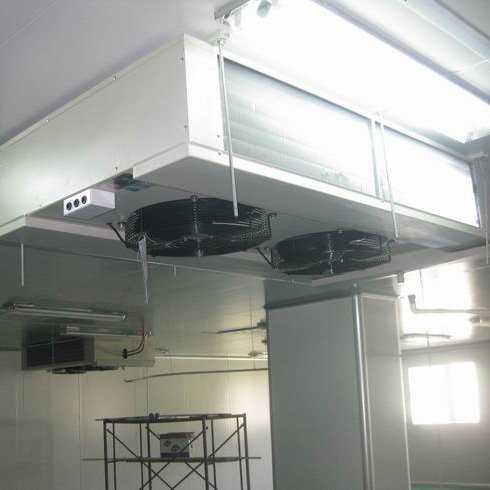
Precision Cooling for Data Centers & Tech Hubs
The digital world runs hot. Server rooms, data centers, and telecom switchboards generate intense heat 24/7. Downtime is not an option, and efficiency directly translates to astronomical cost savings. Generic air conditioners simply can’t handle the precision required.
For this sector, it’s all about computer room air handlers (CRAHs) and precision air conditioners (PACs). We’re seeing a massive shift towards units with EC (Electronically Commutated) fans and variable speed compressors. Why? Because a server load fluctuates. These systems modulate cooling output and fan speed in real-time, matching the exact heat load. This isn’t just about cooling; it’s about climate control—maintaining tight temperature (±0.5°C) and humidity (±2% RH) bands.
A unit like our CRF-120DA series, for instance, uses a dual-cooling circuit design. If one circuit needs maintenance, the other automatically picks up 70% of the load, preventing thermal runaway. For distributors, the key selling points here are PUE (Power Usage Effectiveness) improvement and redundancy. Highlight the direct reduction in a client’s electricity bill and the built-in fail-safes. Remote monitoring capabilities, which allow facility managers to adjust settings and receive alerts from anywhere, are now a standard expectation, not a premium add-on.
Heavy-Duty Cooling in Food Processing & Cold Chain Logistics
From blast freezing to chilled storage, the food industry is brutal on equipment. Corrosion from washdowns, constant door openings, and varying product densities are the norms. Efficiency here means preserving product integrity and minimizing energy waste during long, uninterrupted runtimes.
The workhorses here are industrial condensing units and modular cold room systems. The latest demand is for R290 (propane) refrigerant-based units. With a GWP (Global Warming Potential) of 3, it’s future-proof against tightening F-gas regulations in the EU and other markets. While handling requires certified technicians, its thermodynamic properties offer higher efficiency, leading to lower long-term operating costs.
Look at our GCU-40H industrial condensing unit. Its housing is coated with anti-corrosion epoxy, and the fan guards are stainless steel—built for high-moisture environments. For large storage facilities, parallel compressor rack systems are the answer. They allow multiple compressors to work in stages, so the system only uses the precise amount of energy needed for the current load. For a distributor, stocking units with high-efficiency evaporator coils (enhanced surface area) and secondary heat recovery options (where waste heat is used for space heating or hot water) provides a tremendous value-add. It turns a cost center into a partial energy recovery system.
Medical & Pharmaceutical Grade Climate Control
This is the most stringent sector. Vaccine storage, pharmaceutical manufacturing, and research labs require uncompromising accuracy and documentation. A minor temperature deviation can mean the loss of millions in inventory or compromised medical research.
The solution lies in medical-grade refrigerators, freezers, and stability test chambers. Key features are no longer optional: continuous temperature monitoring with digital loggers, alarm systems with battery backup, and dual-circuit or cascade refrigeration systems for core redundancy. The current trend is seamless 21 CFR Part 11 compliant data logging, which creates an auditable, electronic record that cannot be altered—a critical requirement for FDA and EMA compliance.
Units like our MPR-800 pharmacy refrigerator come with independent dual sensors and a built-in 72-hour temperature graph. If the main sensor fails or the door is left ajar, the backup sensor triggers alarms, and the compressor kicks into high gear. For distributors, understanding and communicating these compliance features is crucial. The market is moving towards Wi-Fi-enabled units that integrate with centralized Building Management Systems (BMS), allowing hospital engineers to monitor hundreds of units from a single dashboard. The focus is on total cost of ownership, not just the sticker price, emphasizing reliability and regulatory peace of mind.
Retail & Hospitality Display Cooling
Supermarket display cases and commercial kitchen refrigerators are the public face of cooling technology. They need to look good, keep products perfectly presented, and be incredibly energy-efficient because they run all day in conditioned spaces. Inefficiency here means paying twice—to cool the case and then to remove the heat it throws back into the store.
The innovation is in LED lighting integration, low-E (emissivity) glass, and advanced airflow design. Modern multi-deck dairy cases and open front meat displays use indirect cooling and targeted air curtains to create a thermal barrier. The goal is to minimize cold air spillage, which is essentially energy leaking onto the floor.
For example, our RSC-4M multi-deck case uses ECM fan motors and dual-zone cooling. The bottom zone, where denser cold air settles, runs less frequently than the top zone, optimizing energy use. For hospitality, under-counter units with solid-state (R290) refrigeration are gaining traction due to their lower noise and reduced direct emissions. As a distributor, your B2B clients want units that reduce their store’s overall carbon footprint and utility bills. Highlighting features like demand defrost (initiating defrost only when needed, not on a timer) and compatibility with CO2 as a secondary coolant in booster systems can set you apart in this competitive space.
Comparative Snapshot: Current High-Performance Model Specifications (2024 Q1 Data)
| Model Series | Best For Industry | Key Technology | Refrigerant | Nominal Cooling Capacity (kW) | Approx. Seasonal Efficiency (ESEER) | Primary Distinguishing Feature |
|---|---|---|---|---|---|---|
| CRF-120DA | Data Centers | Dual Circuit, EC Fans | R513A | 40 – 120 | > 4.5 | Hot-swappable components, zero-downtime maintenance |
| GCU-40H | Food Processing | Parallel Rack Ready, Epoxy Coat | R290 | 30 – 50 | > 3.8 | Heavy-duty corrosion-resistant construction |
| MPR-800 | Pharmaceutical | Dual Sensors, CFR Compliant Logger | R600a | 0.8 – 1.2 | N/A (Batch) | 21 CFR Part 11 compliant audit trail, battery backup |
| RSC-4M | Retail Display | ECM Motors, Low-E Glass | R448A | 3.5 – 4.5 | > 3.9 | Dynamic air curtain, 40% less cold air spillage |
Professional Q&A for Global Distributors
Q1: With EU F-gas regulations phasing down HFCs aggressively, what refrigerants should we be stocking for the European market in 2024-2025?
Focus on units using R290 (propane), R600a (isobutane), R744 (CO2), and R32. R32 is a transitional option with a lower GWP than older R410A. For larger systems, R454C and R452B are common “mildly flammable” A2L alternatives with GWPs under 1500. The future is clearly in natural refrigerants (R290, CO2) for their ultra-low GWP and high efficiency, though local charge limit regulations apply. Ensure your suppliers provide full certification (like IEC 60335-2-89 for A3 flammables) and clear installation guides.
Q2: Our clients ask about “IoT-ready” or “smart” features. What’s the real value beyond a gimmick?
The value is in predictive maintenance and energy management. A true smart unit has embedded sensors monitoring compressor load, condenser health, and filter status. It doesn’t just alert for a failure; it predicts a potential failure (e.g., “Condenser coil fouling detected, efficiency dropping 15%. Schedule cleaning.”). This allows for planned maintenance, preventing costly emergency calls and spoilage. For chains, it enables centralized benchmarking—comparing energy use across 50 store locations to identify outliers. The value proposition is reduced OPEX and risk mitigation.
Q3: How significant is the move towards variable speed (inverter) compressors across all commercial sectors?
It’s becoming the baseline expectation for any application with a variable load, which is most commercial applications. An inverter compressor can modulate its speed from 20% to 100%, matching the cooling demand precisely. Compared to fixed-speed compressors that just cycle on/off, this can lead to energy savings of 30-40% in real-world conditions. It also reduces start-up current surges (saving on electrical infrastructure) and provides more stable temperature control. The ROI is clear, so stock these as your core range and use fixed-speed only for budget or specific constant-load applications.
Q4: When a client needs a custom solution for a unique space, what’s the minimum viable information we need from them to get an accurate quote from the factory?
Don’t just ask for “a cold room.” Get specifics:
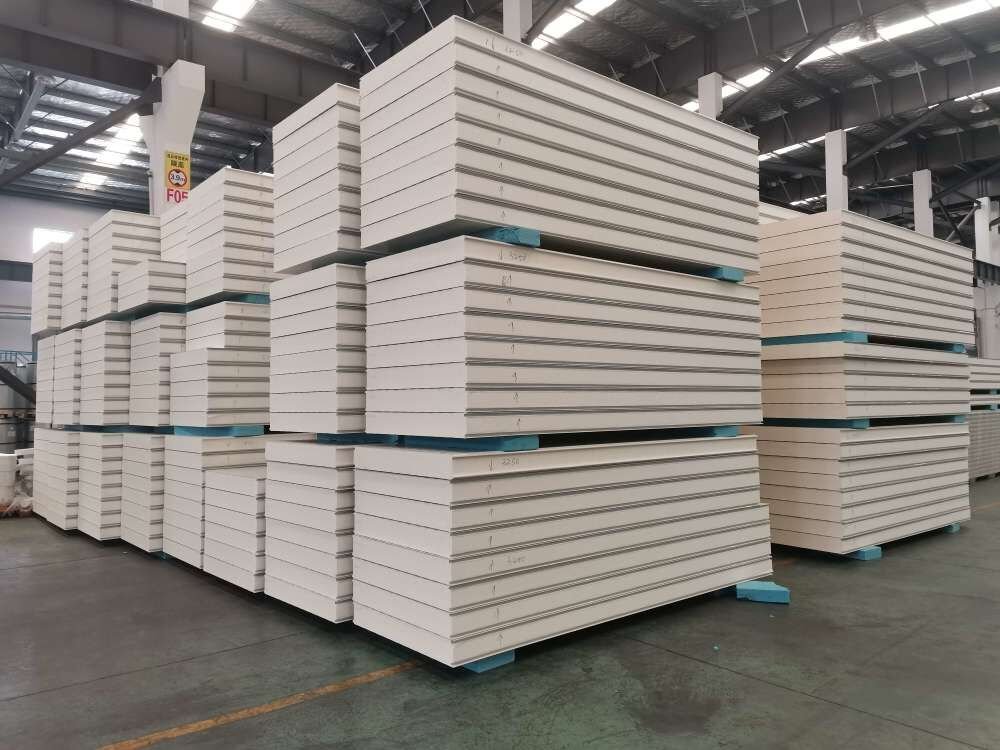
- Dimensions & Insulation: Exact L x W x H, and material/thickness of walls (e.g., 100mm PIR sandwich panel).
- Product & Load: What’s being stored? Entry temperature and target holding temperature? Daily loading volume (in kg)?
- Ambient Conditions: Where is the unit/condenser located? Maximum expected outdoor temperature?
- Usage Pattern: How many door openings per hour? Any internal heat sources (lights, people, motors)?
- Regulatory Needs: Any specific sanitation (e.g., USDA, EU 1935/2004) or electrical certification (UL, CE) required?
This data allows the engineering team to calculate the accurate thermal load and recommend a system with the right capacity—avoiding underperformance or wasteful oversizing.