
Portable Cooling for Every Niche: Your B2B Guide to High-Demand Applications

Forget the one-size-fits-all pitch. Today’s B2B market for portable air cooling units is about precision, application-specific performance, and solving real operational headaches. As a manufacturer, we see the data: demand is fragmenting and surging in parallel. This isn’t just about selling an appliance; it’s about providing a critical tool for productivity, asset protection, and business continuity across industries. Let’s break down where the real opportunities are for you, the global distributor.
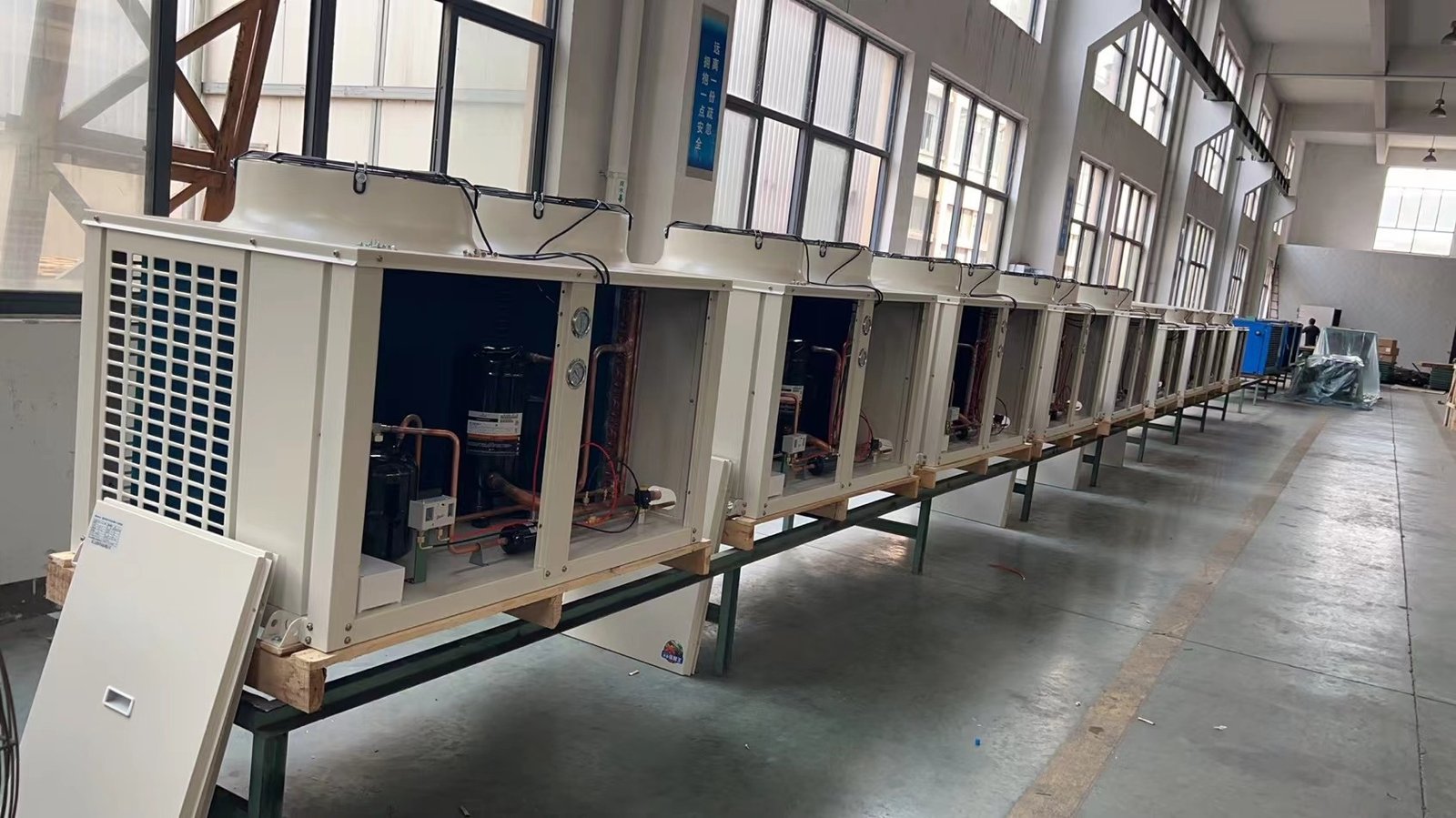
Climate Control for the Modern Worksite

Gone are the days of simply fans on a construction site. From warehouse retrofits to pop-up manufacturing lines and tech installations, portable AC is a non-negotiable for project timelines and worker safety.
- The Scenarios: Think of a server room AC failure needing a rapid backup, a temporary welding station requiring spot cooling, or a heritage building renovation where installing central HVAC is impossible. Portable units are the first-response and flexible solution.
- The Specs That Matter Here: For you, the key selling points to these B2B clients are robustness, power options, and airflow throw. Units with industrial-grade chassis, high IP ratings for dust/water resistance, and compatibility with generator power are gold. Look for models featuring axial or centrifugal fans designed for longer air throw to cover open spaces. Dehumidification functions are a critical add-on for preventing moisture damage to materials and equipment.
- The Data Point: A 2023 market analysis projected the global portable cooler market to grow at a CAGR of over 6.5% from 2024 to 2030, with the commercial segment outpacing residential, largely driven by infrastructure development and flexible work environments.
Keeping Hospitality and Events Cool Under Pressure
This sector is all about guest experience and operational flexibility. Portable cooling fills the gaps that fixed systems can’t handle, often at a moment’s notice.
- The Scenarios: Outdoor wedding tent receptions, overcrowded restaurant patios during a heatwave, supplementary cooling for hotel conference rooms during peak occupancy, or cooling temporary kitchen extensions. It’s about rapid deployment and quiet(er) operation.
- The Specs That Matter Here: Aesthetics, noise level, and ease of setup move up the priority list. Clients need units that are visually unobtrusive (often in neutral colors like white or beige), operate below 60 dB for conversations to flow, and feature simple, tool-free setup. Condensate handling is crucial—models with high internal evaporation rates or large-capacity removable tanks prevent staff from constantly emptying units during a busy service.
- Trend Alert: Post-pandemic, the explosion of alfresco dining and open-air events has created a sustained, seasonal demand. Distributors with a ready inventory before the peak season capture this recurring revenue.
Specialized Cooling for Sensitive Environments
This is the high-value, specification-driven niche. Precision matters more than price.
- The Scenarios: Protecting pharmaceuticals or lab samples in a climate-controlled storage area during a chiller outage. Regulating temperature and humidity in an archival storage room for documents or artwork. Providing spot cooling for specific machinery in an automotive or electronics workshop that generates excess heat.
- The Specs That Matter Here: Precision temperature control (±1°C), air filtration, and reliability are paramount. Units with digital thermostats, programmable timers, and optional HEPA or carbon filters to remove particulates or odors are required. Documentation like calibration certificates and compliance with specific industry standards can be a major differentiator. Ducting kits for single-hose or dual-hose setups are essential for venting hot air without compromising the sealed environment.
- B2B Insight: Sales cycles here may be longer but yield higher margins and foster long-term partnerships. You’re not just selling a cooler; you’re selling an insurance policy for valuable assets.
Technical Comparison: Cutting Through the Noise
Here’s a snapshot of how to position different portable AC technologies for your B2B clients. This is the kind of clear, comparative data that helps them make informed purchasing decisions.
| Feature / Technology | Single-Hose Portable AC | Dual-Hose Portable AC | Portable Air Cooler (Evaporative) | Spot Cooler (Industrial) |
|---|---|---|---|---|
| Best For | Temporary office cooling, small server rooms, emergency backup. | Longer-term deployments, workshops, areas with high heat loads. | Dry, hot climates (outdoor/well-ventilated indoor). | Industrial settings, spot cooling machinery, large open spaces. |
| Cooling Principle | Refrigerant-based; exhausts hot air via single hose. | Refrigerant-based; separate intake/exhaust hoses for higher efficiency. | Evaporative cooling; adds moisture to air. | Refrigerant-based; high-capacity, often uses external condenser. |
| Key B2B Advantage | Compact, relatively easy to move and set up. | More efficient, cools faster, better for sustained use. | Low energy consumption, no need for exhaust venting. | Extremely powerful, rugged, designed for tough conditions. |
| Primary Consideration | Can create negative pressure, drawing in warm air from other areas. | Requires access for two hoses (e.g., window kit). | Ineffective in humid climates. Raises humidity. | Heavier, louder, higher power draw. |
| Typical Capacity Range | 8,000 – 14,000 BTU/h | 10,000 – 18,000 BTU/h | N/A (airflow measured in CFM) | 12,000 – 60,000+ BTU/h |
Your Top Questions, Answered (FAQ for the B2B Decision-Maker)
Q1: For a warehouse application, is a “portable air cooler” (evaporative) or a “portable air conditioner” (refrigerant) the better choice?
This is climate-dependent. In dry, arid regions, evaporative coolers can be very effective and cost-efficient to run for large, open warehouses. However, in humid climates, they are ineffective and can promote mold. For consistent, powerful cooling regardless of humidity, a refrigerant-based portable AC (especially a dual-hose model for larger spaces) or a high-BTU spot cooler is the only viable choice. Always assess the local average humidity levels first.
Q2: What are the critical certifications we should look for when sourcing for the European and North American markets?
Safety is non-negotiable. For the EU/UK, mandatory CE marking (including compliance with Low Voltage Directive and EMC Directive) is the baseline. For North America, look for ETL or cETL (Intertek) or UL (Underwriters Laboratories) certification. Additionally, RoHS and REACH compliance for materials is expected. For energy efficiency, ENERGY STAR certification (US) and ERP Lot 4 requirements (EU) are key selling points for cost-conscious clients.
Q3: How do we accurately calculate the required BTU/h for a commercial client’s space?
While online calculators exist, the professional formula considers more than square footage. Key factors include: Square footage/meterage, ceiling height, room insulation, number of occupants, heat-generating equipment (ovens, servers, etc.), and sun exposure. A basic starting point is 20 BTU/h per square foot for commercial spaces, but this can easily double in a kitchen or server room. Always recommend a slight over-capacity for commercial use to ensure the unit isn’t running at 100% constantly, which prolongs its life and improves dehumidification.
Q4: What’s the real-world logistics and after-sales support we need to plan for?
Logistics: These are bulky, often over-30kg items. Strong, stackable packaging is vital to prevent damage. Consider sea freight for cost, but ensure packaging is moisture-resistant. After-Sales: Your partnership with the manufacturer should guarantee access to critical spare parts (compressors, control boards, fan motors) and comprehensive technical manuals. A clear, scalable warranty (e.g., 1-2 years commercial) and the ability to support local service technicians with training and parts are what separate a transactional supplier from a strategic partner. The goal is to turn a product sale into a reliable, long-term channel.