If you’re a B2B distributor in the cold chain business, you’ve heard the name Viessmann. But what exactly are Viessmann cold rooms, and why do they keep popping up in conversations from pharmaceutical warehousing to gourmet food storage? Let’s cut straight to the point.

Viessmann cold rooms are modular, high-performance refrigeration units designed for commercial and industrial storage. They are not just boxes with cool air; they are engineered climate control systems built with the German precision Viessmann is known for. Think of them as the reliable, scalable backbone for businesses that need precise temperature management—be it a hotel chain’s kitchen, a floral exporter’s hub, or a biotech lab’s sample repository. For a global distributor, stocking Viessmann means offering a product with a recognized brand premium, proven durability, and the technical specs that meet stringent international standards.
Core Engineering & Technical Specifications That Matter for Your Clients

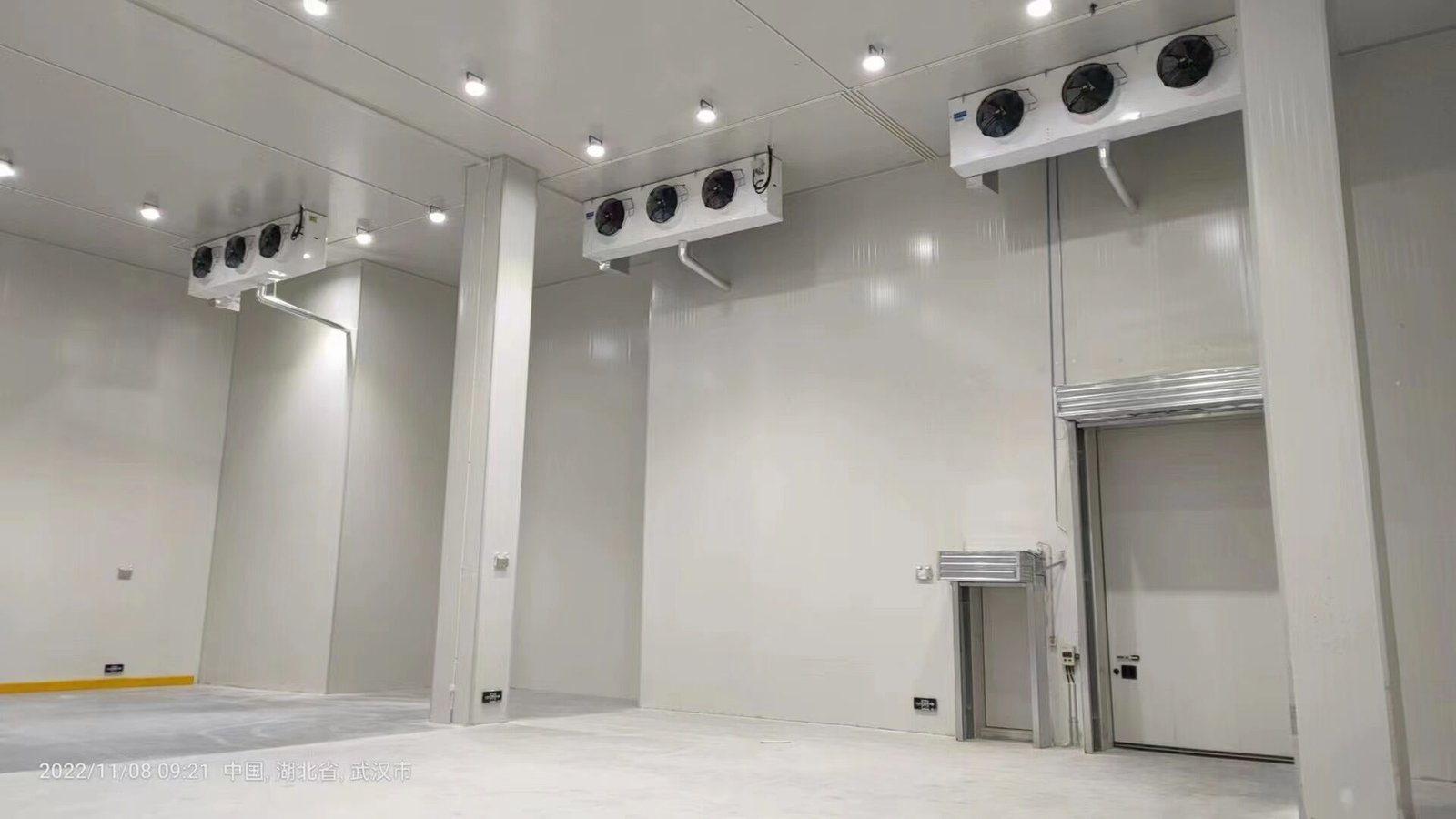
Distributors need products that are easy to sell because they work as promised. Viessmann’s cold rooms are built on a few non-negotiable engineering pillars. First is the panel construction. These aren’t flimsy sandwiches of foam and metal. Viessmann uses polyurethane (PUR) foam with a high density, injected under controlled conditions into galvanized steel or stainless-steel cladding. This results in a panel with an exceptionally low thermal conductivity, typically around 0.024 W/mK. What does that mean for your end-user? Lower energy bills and stable temperatures, even in demanding ambient conditions.
The heart of any cold room is its refrigeration unit. Viessmann integrates its own vitoclima unit coolers and condensing units, designed to work in perfect harmony. The systems often utilize eco-friendly refrigerants like R-454C or R-290 (propane), future-proofing them against evolving global F-Gas regulations. For you as a distributor, this is a key selling point in markets with strict environmental compliance rules.
Here’s a snapshot of common technical configurations you’ll be dealing with:
| Application Tier | Typical Temp. Range | Panel Thickness (mm) | Recommended Use Cases for Distributors |
|---|---|---|---|
| Medium Temperature (Chill) | +2°C to +12°C | 60-80 | Dairy, beverages, fresh produce, hotel pantries |
| Low Temperature (Freeze) | -18°C to -25°C | 100-120 | Frozen foods, ice cream, seafood, packaged meals |
| Ultra-Low/Bio-Medical | -25°C to -40°C+ | 120-150 | Pharmaceuticals, vaccines, biological samples, fine chemicals |
The modular design is a distributor’s dream. Units can be configured in almost any size, extended, or relocated. This scalability means you can serve a small boutique grocery and a massive logistics warehouse with the same core product line, simplifying your inventory and expertise needs.
Sector-by-Sector Application: Your Market Expansion Map
As a distributor, your success lies in identifying which verticals are hot. Viessmann cold rooms are versatile, but their value proposition shifts per industry.
Food & Beverage HORECA Channel: This is the bread and butter. For hotels, restaurants, and caterers (HORECA), reliability is everything. A Viessmann cold room’s precise temperature uniformity ensures food safety (critical for HACCP compliance) and maximizes shelf life. The stainless-steel interior options and easy-clean surfaces are a direct sell to hygiene-conscious chefs and kitchen managers. Right now, with the global focus on reducing food waste, promoting a cold room’s precise control is a powerful angle.
Pharmaceutical & Healthcare Logistics: This is a high-value, high-compliance sector. Viessmann units designed for this field often come with redundant systems, alarm monitoring compatible with Building Management Systems (BMS), and detailed temperature logging for audit trails. With the global pharmaceutical cold chain market projected to grow steadily, distributing these compliant solutions positions you as a serious player. The key here is certification and the ability to provide units that can meet GDP (Good Distribution Practice) guidelines.
Floriculture & Horticulture: A niche but lucrative market. Flower exporters need cold rooms that maintain precise low temperatures and high humidity (~90-95% RH) to preserve bloom freshness during long-haul transport. Viessmann’s systems with precise humidity control help reduce shrinkage and preserve value, a direct return on investment argument for your clients in this aesthetic-driven trade.
Retail & Supermarket Display: Think of those large walk-in chillers in supermarkets. Viessmann provides solutions here, too, often with glass door options for display. The sell is energy efficiency—a major cost for retailers—and visual appeal that doesn’t compromise performance.
The Distributor Advantage: Logistics, Support, and Market Fit
Selling premium technical equipment isn’t just about the product sheet. It’s about what comes with it. Viessmann’s global manufacturing footprint (Europe, North America) aids in logistics and reduces lead times for international distributors—a crucial factor in sealing large deals. Their partner training programs equip your sales and technical teams with the knowledge to specify systems correctly, avoiding costly undersizing or oversizing mistakes.
From a pricing perspective, Viessmann sits in the upper-mid to premium segment. Your target clients are not the bargain basement shoppers; they are businesses that view their cold room as a critical infrastructure investment. Your pitch revolves around Total Cost of Ownership (TCO): higher upfront cost offset by lower energy consumption, minimal maintenance downtime, and longer lifecycle. Use real-time data: compare the annual energy draw of a standard unit versus a Viessmann unit with a high-efficiency EC fan motor. The numbers make the case.
After-sales support is where partnerships are solidified. Viessmann’s network provides access to spare parts and technical documentation, which you can leverage to offer maintenance contracts—a recurring revenue stream for your distribution business.
Q&A for the Global B2B Distributor
Q: For a distributor new to cold chain equipment, is Viessmann a complex line to onboard?
A: Viessmann offers structured partner programs. While the product is technically advanced, their training focuses on practical specification. You don’t need to be a refrigeration engineer, but your key technical staff should understand load calculation basics. Their configurator tools simplify the quoting process significantly.
Q: How does Viessmann handle customization for large OEM or project-based clients we might bring?
A: Very effectively. Their modular system is designed for customization—extra door locations, specific racking integrations, unique dimensions, and custom control system interfaces. For large projects, engaging directly with Viessmann’s project engineering team early in the process is the standard and recommended procedure.
Q: What are the lead times currently looking like, and how can we manage client expectations?
A: As of late 2023, lead times have stabilized but vary by region and product series. Standard modular rooms can be in the range of 6-10 weeks, while highly customized or large project units may take 12-16 weeks. The key is transparent communication and using Viessmann’s official distributor portals for the most accurate, real-time project tracking to provide updates to your clients.
Q: Are there any specific certifications we should highlight in regulated markets like the EU or North America?
A: Absolutely. Highlight CE marking (compliance with EU safety, health, and environmental requirements), UL certification for North America, and the use of globally recognized refrigeration safety standards. For pharmaceutical units, the ability to support validation protocols (IQ/OQ/DQ) is more critical than a single certificate. Always check the specific product documentation for the latest certification listings relevant to your target market.