
H2: The Commercial Backbone: Condenser Units in Retail and Hospitality HVAC
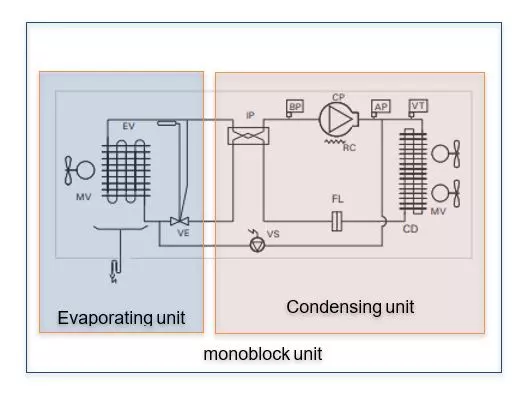
Walk into any temperature-controlled shopping mall, hotel, or restaurant, and you’re feeling the work of a commercial-grade condenser unit. For B2B dealers, this isn’t about cooling a single room; it’s about managing complex, multi-zone systems. These units are the robust, external powerhouses paired with rooftop units (RTUs) or large air handling systems. We’re talking about scroll or semi-hermetic compressors, often in multiple stages, housed in heavy-duty cabinets designed for longevity on rooftops.
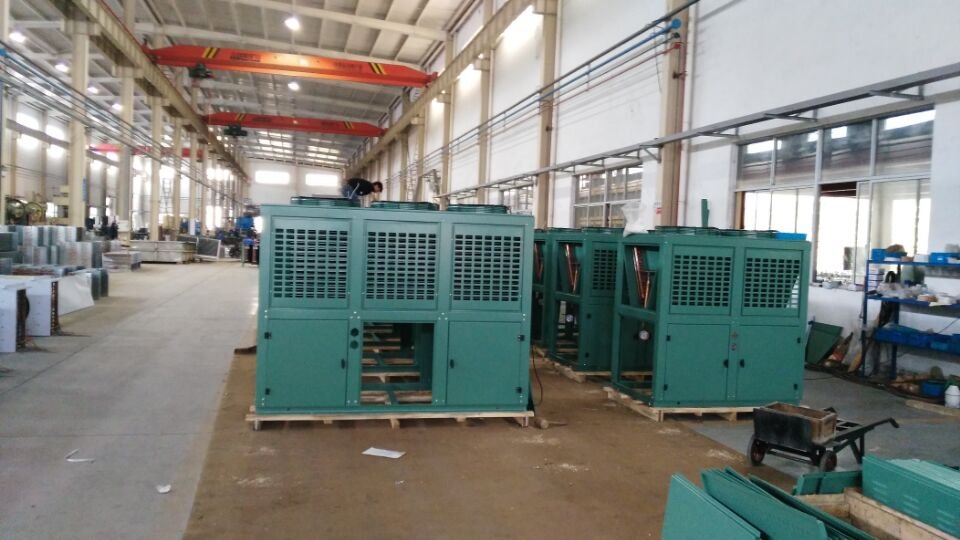
The key for dealers here is reliability and serviceability. A hotel cannot afford a system-wide cooling failure during peak season. Units are built with easier service access to components like compressors and coil circuits. Sound levels are also a major spec, as these units often operate near guest areas or residential zones. The latest trend is the integration of variable speed drives (VSDs) on fan motors and compressors, which can slash energy consumption by 30-40% compared to fixed-speed models, a major selling point for cost-conscious facility managers. Real-time data from building management systems (BMS) now allows for predictive maintenance alerts, a value-added service channel for dealers.
H2: Industrial-Grade Muscle: Condensers in Process Cooling and Manufacturing
This is where condenser units transcend comfort and become part of the production line. In pharmaceuticals, food processing, plastic injection molding, or data centers, process cooling condensers (often called fluid coolers or chiller condensers) are critical. They reject heat from process water or glycol mixtures. For exporters, the specs get extremely specific: materials (copper vs. cupronickel tubes for corrosive environments), refrigerant type (R-134a, R-410A, or newer A2L like R-32 and R-454B), and precise pressure-temperature ratings.
Durability is non-negotiable. Coils are often coated for protection against harsh atmospheric chemicals. Units are designed for continuous, 24/7 operation with redundant components. The global shift towards natural refrigerants (like ammonia or CO2) in industrial applications is a crucial trend. Dealers need to be conversant in the regulatory landscape (like the EPA’s refrigerant management rules in the US or the EU’s F-Gas regulations) and the performance trade-offs of these new gases. Here’s a snapshot of current industrial refrigerant trends affecting condenser design:
| Refrigerant Type | Example Gases | Global Warming Potential (GWP) | Key Application Trend | Impact on Condenser Design |
|---|---|---|---|---|
| HFCs (Phasing Down) | R-410A, R-134a | Very High (e.g., R-410A GWP=2088) | Being phased out globally under Kigali Amendment | Existing stock; service parts remain critical |
| A2L “Mildly Flammable” | R-32, R-454B | Medium to Low (e.g., R-32 GWP=675) | Dominant in new commercial/industrial AC | May require leak detection & safety system upgrades |
| Natural Refrigerants | Ammonia (R-717), CO2 (R-744) | Negligible (0-1) | Growing fast in industrial cold storage, supermarkets | Higher operating pressures (CO2) or toxicity (Ammonia) demand specialized, robust units |
H2: The Critical Link: Condensers in Medical and Laboratory Precision Cooling
In hospitals, labs, and blood banks, condenser units are part of precision environmental control systems. They’re not just cooling air; they’re ensuring the stability of sensitive environments for equipment (MRI machines), storage (vaccines, specimens), and patient safety. The units here emphasize ultra-reliability, often with N+1 redundancy—meaning a backup unit is always on standby.
For B2B distributors, the conversation is about precision and compliance. These condensers work with specialized HVAC systems that maintain strict temperature and humidity ranges (e.g., ±1°F and ±5% RH). Sound and vibration levels are critically low. Furthermore, units serving sterile areas may feature special coatings or designs to inhibit microbial growth. The ability to provide documented performance data, certifications, and a global service network for these critical applications is a major competitive advantage for dealers.
H2: The Unseen Workhorse: Condensers in Data Center Thermal Management
The cloud has a temperature. Every click, stream, and stored byte generates heat in server racks. Condenser units, in the form of chilled water system condensers or direct expansion (DX) units, are what prevent meltdowns. Data center thermal management is one of the fastest-growing segments, driven by the AI and cloud computing boom.
For exporters, the metrics are clear: PUE (Power Usage Effectiveness). The goal is to get as close to 1.0 as possible, meaning almost all power goes to the IT load, not cooling. Modern data center condensers feature:
- Adiabatic Precooling: Using water evaporation to cool incoming air before it hits the coil, drastically improving efficiency in dry climates.
- Variable Capacity Control: Fans and compressors that modulate seamlessly with the IT load.
- Free Cooling Integration: Using dry coolers or fluid coolers to bypass the compressor entirely when ambient temperatures are low.
Dealers need to talk about total cost of ownership (TCO), not just upfront cost. A 10% efficiency gain in a 1MW data center can mean six-figure annual savings, making premium, high-efficiency condenser units an easy sell.
H2: The Versatile Performer: Condenser Units in VRF and Multi-Split Systems
For building projects requiring individual zone control—like office towers, universities, or luxury apartments—Variable Refrigerant Flow (VRF) systems are king. The condenser unit in a VRF system (called an outdoor unit) is a technological marvel. A single unit uses inverter-driven compressors to vary refrigerant flow precisely to multiple indoor fan coils.
For B2B dealers, this represents a high-value, complex sale. Key points are:
- Capacity: One outdoor unit can connect to 20+ indoor units, simplifying installation.
- Heat Recovery: Advanced models can simultaneously cool some zones and heat others, transferring energy within the system for incredible efficiency.
- Connectivity: Most modern VRF condensers offer extensive BMS integration for centralized monitoring and control.
Understanding the refrigerant piping limits, control wiring, and system design software is essential. This isn’t a commodity box; it’s a sophisticated system where the dealer’s technical expertise is as valuable as the hardware itself.
Professional Q&A for B2B Dealers
Q: With the global phase-down of HFCs like R-410A, what should we be advising our clients about next-generation condenser units?
A: Focus on future-proofing. Actively promote units designed for lower-GWP A2L refrigerants like R-32 or R-454B. These are becoming the new global standard for commercial splits and VRF systems. Ensure your technical team is trained on the safe handling, required leak detection, and slightly different charge procedures for these “mildly flammable” refrigerants. Having stock and expertise now positions you as a leader, not a follower.
Q: Our commercial clients are obsessed with energy costs. What are the top 3 condenser features we should highlight for maximum ROI?
A: 1) Variable Speed Technology: In compressors and fans. This is the single biggest efficiency driver, matching output exactly to demand. 2) High-Static Fan Motors: Allows for optimal airflow even with dirty coils or attached to longer duct runs, maintaining efficiency. 3) Condenser Coil Design: Look for microchannel coils or enhanced surface tube designs. They improve heat transfer, allowing for a smaller footprint and lower fan energy. Always frame these features with a simple payback period calculation.
Q: For industrial clients, how do we navigate the choice between standard DX condensers and fluid coolers (for chiller systems)?
A: It boils down to scale, distance, and safety. Direct Expansion (DX) is simpler and often more efficient for smaller systems where the condenser is close (<50m) to the evaporator. Fluid Coolers (Chiller Condensers) use water or glycol as an intermediate fluid. They are ideal for large facilities, where cooling needs are spread out, or where keeping refrigerant lines contained to a machinery room is safer and complies with strict codes. Fluid cooler systems also allow for easier integration of free cooling.