
Alright, let’s talk about refrigerator condenser units. You’re a professional in the refrigeration business, probably a manufacturer, distributor, or importer dealing with commercial or industrial cooling systems. You need to know exactly what this component does, how it works, and most importantly, how to choose the right one for your overseas clients. No fluff, no metaphors. Just straight-up, practical information.
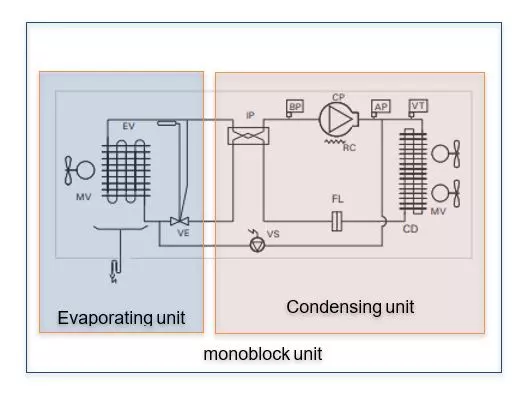
A refrigerator condenser unit is the part of a refrigeration system that releases heat from the refrigerant to the outside environment. In simple terms, it’s the “hot side” of the system. Without it, your cold storage, walk-in coolers, display freezers, or industrial chillers wouldn’t be able to maintain low temperatures. The condenser unit sits outside the cooled space – on a roof, behind a supermarket, or inside a machine room – and it’s responsible for turning high-pressure, high-temperature refrigerant gas back into a liquid so the cooling cycle can continue.
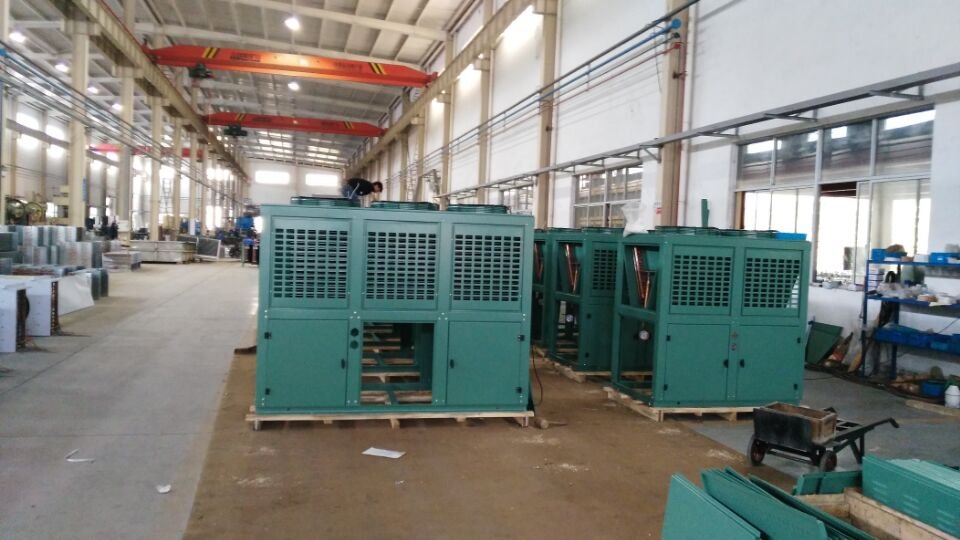
For global trade, condenser units come in many sizes, configurations, and efficiency levels. Some are air-cooled, some water-cooled, and some use evaporative technology. Your customers might be looking for a unit that works in a hot desert climate, a humid tropical region, or a freezing Nordic environment. That’s why understanding the nuts and bolts of condenser units is critical for your procurement decisions.
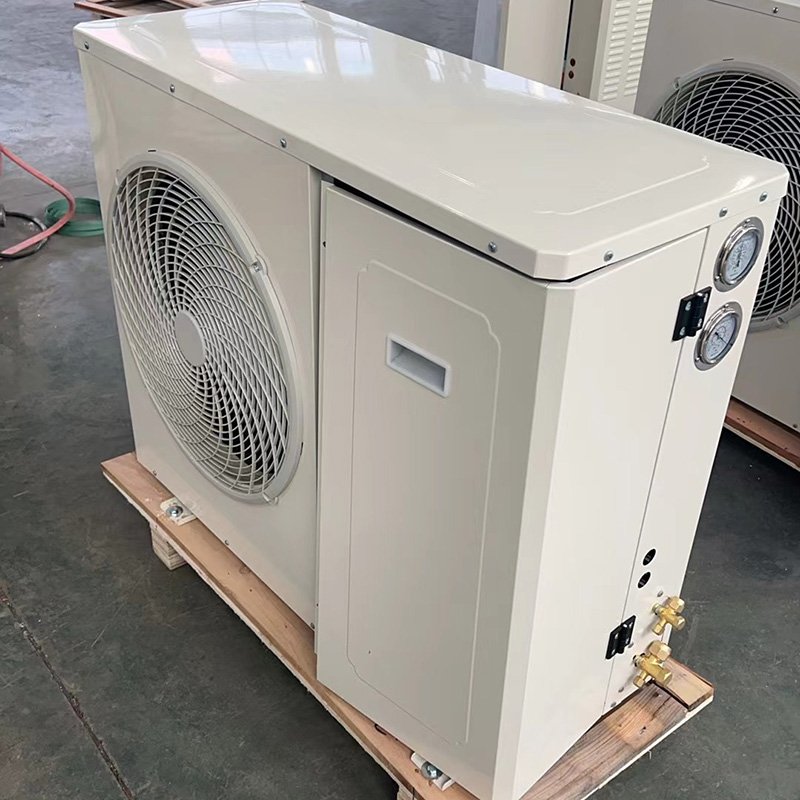
Now, let’s dive into the meat of the topic. I’ll walk you through how they work, what types exist, what to consider when buying, where they are used across industries, and how to keep them running. By the end, you’ll have a clear picture to talk shop with your clients and suppliers.
How Does a Refrigerator Condenser Unit Actually Work?
The condenser unit is part of a closed loop refrigeration cycle. The cycle goes like this: compressor → condenser → expansion valve → evaporator → back to compressor. Your condenser sits right after the compressor. The compressor takes low-pressure refrigerant vapor from the evaporator and squeezes it into a high-pressure, high-temperature gas. That hot gas then flows into the condenser.
Inside the condenser, the hot gas travels through a series of coils or tubes. Here, a fan (in air-cooled units) blows ambient air over the coils, or water (in water-cooled units) flows through a shell-and-tube heat exchanger. As the heat transfers out of the refrigerant, the gas loses energy and condenses into a liquid. This is a phase change – from gas to liquid – which releases a lot of heat. That heat is exactly what gets dumped outside.
The liquid refrigerant then flows to the expansion valve, where it rapidly drops in pressure and temperature, becoming a cold liquid-vapor mix. That mix goes into the evaporator inside the cool space, absorbs heat, and turns back into a gas. The cycle repeats.
Key point: The condenser unit’s job is to reject the heat that was absorbed in the evaporator plus the heat added by the compressor’s work. That’s why it’s usually hot to the touch. If the condenser fails or gets dirty, the system can’t reject heat fast enough. The compressor overheats, pressure spikes, and you get a breakdown. For a commercial operation, that means lost inventory, downtime, and unhappy customers.
Real-world data: According to ASHRAE (American Society of Heating, Refrigerating and Air-Conditioning Engineers), condenser efficiency directly impacts overall system energy consumption. A typical commercial refrigeration system uses about 30% to 40% of its total energy for the condenser and compressor combined. Even a 10% drop in condenser heat transfer efficiency can increase energy costs by up to 15% annually. For a large cold storage warehouse, that could mean thousands of dollars in extra electricity bills.
Types of Condenser Units You’ll Encounter in Global Trade
When you’re sourcing condenser units for B2B clients, you need to know the three main types: air-cooled, water-cooled, and evaporative (also called hybrid). Each has its own pros and cons, and the right choice depends on climate, water availability, space constraints, and upfront vs. operating cost.
Air-Cooled Condenser Units
This is the most common type worldwide, especially for smaller to medium applications like restaurant walk-ins, convenience store freezers, or refrigerated trucks. Air-cooled condensers use fans to pull outdoor air across finned coils. They are simple, relatively cheap, and easy to install. No water supply is needed, which eliminates water treatment and disposal issues.
However, air-cooled units don’t work well in very hot climates. As ambient temperature rises, the condenser has to work harder to reject heat. This reduces system capacity and increases energy consumption. For example, in a desert region like the Middle East or parts of Australia, summer temperatures can exceed 45°C (113°F). An air-cooled condenser might struggle to maintain proper head pressure, causing frequent high-pressure alarms and compressor failures. In those cases, you might need a larger unit or a different type.
Data point: According to the U.S. Department of Energy, the performance of air-cooled condensers degrades by about 1.5% for every 1°C increase in ambient temperature above 35°C. So if your client’s site hits 45°C, the condenser could lose 15% of its rated capacity. That’s a big deal for system design.
Water-Cooled Condenser Units
Water-cooled condensers use water – typically from a cooling tower, city supply, or a closed-loop system – to absorb heat. They come in two common designs: shell-and-tube and tube-in-tube. Water flows around the outside of the refrigerant tubes, picking up heat and carrying it away. These units are much more efficient than air-cooled types, especially in hot climates, because water temperatures are more stable and lower than air temperatures.
The downside? They require a constant supply of clean water and a cooling tower or a heat rejection system. This adds capital cost, maintenance (like scaling and corrosion control), and water consumption. In regions where water is scarce or expensive, this can be a deal-breaker. Also, water-cooled units are often larger and heavier, which could impact shipping and installation.
For large industrial applications – like food processing plants, breweries, or cold storage warehouses – water-cooled condensers are common because they offer higher efficiency and lower operational costs over time, especially when paired with a well-maintained cooling tower.
Data: A study by the International Institute of Refrigeration (IIR) shows that water-cooled condensers can achieve a heat rejection rate up to 30% higher than air-cooled units under peak summer conditions. This translates to a 15-20% reduction in compressor power consumption.
Evaporative (Hybrid) Condenser Units
Evaporative condensers combine air and water cooling. They spray water over the condenser coils while a fan draws air through. The water evaporates, absorbing a huge amount of heat, which makes these units very efficient in hot, dry climates. In fact, they can operate at condensing temperatures 10-15°C lower than air-cooled units, significantly boosting system efficiency.
The trade-off is complexity. Evaporative condensers require a water supply, a water recirculation pump, a spray system, and a drift eliminator (to prevent water droplets from being carried away). They also need regular cleaning to prevent mineral scale buildup and biological growth (like Legionella). For some regions, water quality and local regulations on water use can be a concern.
Despite that, evaporative condensers are gaining popularity in regions like the southern United States, parts of Asia, and the Middle East where water is relatively available and electricity costs are high. They offer the best of both worlds: lower operating temperatures without the massive water consumption of a full cooling tower system.
To help you compare, here’s a quick reference table:
| Type | Efficiency | Capital Cost | Operating Cost | Maintenance | Best Climate |
|---|---|---|---|---|---|
| Air-cooled | Low to medium | Low | Medium to high | Low | Temperate, cool |
| Water-cooled | High | High | Low (if water cheap) | High | Hot, humid |
| Evaporative | Very high | Medium | Low (if water available) | Medium | Hot, dry |
Key Factors to Consider When Buying Condenser Units for Your Clients
If you’re a B2B dealer or exporter, you’re not just buying a part – you’re buying a solution for your client’s specific application. Here are the most important considerations to avoid returns and complaints.
1. Ambient Temperature and Climate Zone
Your client’s geographic location defines the condenser type. As mentioned, air-cooled units struggle above 40°C. Water-cooled or evaporative units are better for hot regions. Also consider extreme cold: in very low temperatures (below freezing), air-cooled condensers can have issues with refrigerant migration, low head pressure, and fan cycling. In those cases, you might need a low-ambient control kit (like head pressure control valves or flooded condenser designs).
2. Refrigerant Type and Regulations
The industry is moving away from high-GWP refrigerants like R404A and R134a. Newer units are being designed for R290 (propane), R32, or R-454B, depending on the application. For commercial condensing units, R290 is becoming popular for small to medium units because it’s energy-efficient and has a GWP of 3. But it’s flammable, so safety standards (like EN 378) apply. Make sure your supplier provides units compliant with your target market’s regulations – for example, EU F-Gas regulations, US EPA SNAP rules, or Chinese GB standards.
3. Capacity and Sizing
The condenser unit must match the evaporator and compressor. Undersizing leads to high head pressure, short compressor life, and poor cooling. Oversizing wastes money and can cause short cycling (rapid on/off) that destroys compressors. Use standard reference data: for air-cooled condensers, typical capacity is measured in kW of heat rejection. For a given compressor, you need a condenser that can reject about 1.2 to 1.4 times the compressor’s rated cooling capacity (because of the compressor heat). Always ask for the manufacturer’s performance data at the intended ambient temperature.
4. Environmental Certifications and Energy Efficiency
Global buyers are increasingly demanding energy-efficient products to meet green building certifications like LEED or BREEAM. Look for units with high EER (Energy Efficiency Ratio) or SEER (Seasonal Energy Efficiency Ratio) ratings. Some markets (like the US) require Energy Star certification for certain sizes. In the EU, the Ecodesign Directive (Lot 6) sets minimum efficiency levels for commercial refrigeration. As a supplier, offering units with high efficiency gives you a competitive edge.
5. Material Quality and Corrosion Resistance
Condenser coils are typically made of copper (good) or aluminum (cheaper, but less durable). In coastal areas or industrial environments with high humidity or chemical exposure, you need coils with epoxy coating or stainless steel. Aluminum coils can pit and leak within a year or two in salty air. For marine applications (like fishing vessels or coastal restaurants), copper-nickel tubes or special coatings are essential.
6. Noise Levels
Especially for urban installations, noise matters. Air-cooled condenser fans produce noise that can trigger complaints from neighbors. Many cities have noise regulations (e.g., 55 dB(A) at night). Look for units with low-speed fans, sound attenuation packages, or check the manufacturer’s sound data. Some customers might require a remote condenser location, which adds piping costs.
How Different Industries Use Condenser Units
Your clients might be in any of these sectors. Let’s look at real-world applications.
Supermarkets and Grocery Stores
Supermarkets are the biggest users of commercial refrigeration. They have a central refrigeration system with multiple evaporators (for display cases and walk-ins) and a remote condenser unit (often air-cooled, mounted on the roof). Many modern supermarkets are switching to parallel rack systems with multiple compressors and a single condenser bank. These can be water-cooled or evaporative, depending on location. According to a 2022 report by the Food Marketing Institute, refrigeration accounts for 40-60% of a supermarket’s total energy bill. Efficient condensers directly impact profitability.
Cold Storage and Warehousing
Large cold storage facilities (e.g., for frozen food, pharmaceuticals) usually use ammonia-based systems because of their high efficiency and low cost over large capacities. Their condensers are often evaporative or water-cooled, since ammonia requires high heat rejection rates. For smaller cold rooms (10-500 tons), Freon-based condensing units are common. The key here is reliability: a failure in a cold storage warehouse can spoil millions of dollars of inventory. Clients often demand redundant condensers or split systems to ensure backup.
Food Processing and Beverage Production
Think dairy plants, meat packing, breweries, and soft drink manufacturing. These facilities need constant cooling for processes, not just storage. For example, a brewery uses a glycol chiller system with a condenser unit to cool fermentation tanks. The condenser must handle high heat loads and operate 24/7. Water-cooled condensers are typical here because they offer stable operation even when ambient temperatures fluctuate. Plus, the waste heat can sometimes be recovered for use in cleaning or heating water.
Ice Rinks and Skating Facilities
Yes, ice rinks rely on refrigeration. The condenser unit removes heat from the brine or glycol that circulates under the ice. Because ice rinks are often indoors and have high humidity, the condenser must reject heat to the outside. Air-cooled units are common, but they can struggle in summer when the rink is still in use. Many rinks are now using heat recovery systems to capture the waste heat and use it for underfloor heating or melting snow.
Marine and Transport Refrigeration
Refrigerated containers (reefers) and trucks use compact condenser units mounted on the front of the container or on the vehicle chassis. These must be extremely durable, vibration-resistant, and able to operate in extreme environments. Marine condensers often require copper-nickel tubes to resist saltwater corrosion. Also, they must work with different refrigerants depending on port countries (e.g., R134a is being phased out in many regions).
Best Practices for Maintenance and Troubleshooting
Even the best condenser unit will fail if neglected. As a supplier, you can add value by advising your clients on maintenance. Here’s what they need to know.
Clean the Coils Regularly
Air-cooled condenser coils get clogged with dust, leaves, insects, and even snow. Dirty coils reduce heat transfer dramatically. A study by the National Renewable Energy Laboratory found that a 10% reduction in airflow due to dirt can lower the condenser’s capacity by 15-20% and increase energy consumption by 12%. Cleaning intervals depend on the environment: in dusty areas, every 3-6 months; in clean areas, annually. Use a soft brush or compressed air (not a pressure washer, which can bend fins).
Check Fan Operation
Fans are the most common failure point. Check for loose belts, worn bearings, or motor burnout. A single failed fan can cause high head pressure. In units with multiple fans, ensure the fan cycling sequence works correctly. Also, check fan guards for restrictions (e.g., bird nests).
Monitor Head Pressure
Install a head pressure gauge or use a digital controller. Abnormal high head pressure indicates either a dirty condenser, non-condensable gases (air in system), overcharge of refrigerant, or a faulty fan. Low head pressure could mean undercharge, low ambient, or a defective expansion valve. For B2B clients, recommend a remote monitoring system that alerts them before a breakdown occurs.
Water Treatment (For Water-Cooled or Evaporative)
Scale buildup on water-cooled condensers is a silent killer. Even 1 mm of scale can reduce heat transfer by 10-15%. Use chemical water treatment (inhibitors, biocides) and regular bleeding of the water system. For evaporative units, clean the spray nozzles and ensure the water distribution is even.
Refrigerant Leak Checks
Leaks are inevitable over time. Use electronic leak detectors or ultrasonic sensors. Many modern condenser units have built-in leak detection and shut-down features (especially for flammable refrigerants like R290). Comply with local regulations for leak testing frequency (e.g., in Europe, systems with 5 kg or more of refrigerant must be checked annually).
Frequently Asked Questions (FAQ) for B2B Condenser Unit Buyers
Q1: What is the typical lifespan of a commercial condenser unit?
A: For well-maintained air-cooled units, expect 15 to 20 years. Water-cooled units may last longer (20-25 years) because they operate at lower temperatures, but the cooling tower components have a shorter life (10-15 years). Exposed to coastal or industrial environments, lifespan can drop to 8-12 years.
Q2: Can I use a condenser unit designed for R404A with R448A or R290?
A: Not directly. Different refrigerants have different pressures, oil types, and compatibility with materials. For example, R290 (propane) requires explosion-proof components and special safety controls. You can retrofit some units with proper modification, but it’s usually safer and more cost-effective to buy a unit specifically designed for the new refrigerant. Check with the OEM.
Q3: How do I calculate the required condenser capacity for a client’s cold room?
A: The basic formula is: Condenser heat rejection (kW) = Compressor cooling capacity (kW) × (1 + compression ratio factor). A rule of thumb is 1.3 to 1.5 times the compressor capacity at design conditions. But you need to factor in heat load from lights, people, and product. Use software like Danfoss CoolSelector or consult the compressor manufacturer’s rating tables.
Q4: What’s the difference between a “condenser unit” and a “condensing unit”?
A: In the industry, they are often used interchangeably. Technically, a condensing unit includes the condenser plus the compressor (and sometimes a receiver). A condenser unit is just the heat exchanger part. But many catalogs label the complete package as a “condensing unit” and the stand-alone coil as a “condenser coil”. Clarify with your supplier.
Q5: How important is the ambient temperature rating on a condenser unit?
A: Extremely. If you install a unit rated for 43°C (110°F) operation in a location that hits 50°C, you’ll have continuous high-pressure trips during summer. Always select a unit with a maximum ambient rating at least 5-10°C above the highest historical temperature at the installation site. For hot climates, consider “high ambient” versions with oversized fans or coated coils.
Q6: Are there any new trends in condenser unit design I should know about?
A: Yes. First, the shift to microchannel coils (all-aluminum) is growing because they reduce refrigerant charge and are lighter. They are also more corrosion-resistant than copper-aluminum coils. Second, variable-speed fans (EC motors) are becoming standard, allowing the condenser to modulate fan speed based on head pressure, saving energy and reducing noise. Third, some manufacturers are integrating the condenser with a smart controller that can communicate via IoT for remote diagnostics. For B2B buyers, these features improve product value and after-sales support.
Q7: What are the shipping considerations for condenser units?
A: Condenser units are bulky and heavy. For air-cooled units, the fins are fragile – they need proper packaging (wooden crates with foam inserts). Water-cooled units may have internal tubes that require nitrogen holding charge to prevent corrosion. Always ask the supplier for export packaging standards (like ISPM-15 for wood pallets). Also, check that the unit is assembled for the destination voltage (e.g., 208/230V 60Hz vs 380V 50Hz).
Q8: How can I help my clients reduce operational costs with condenser selection?
A: Recommend high-efficiency units with EC fans and proper sizing. Also, consider adding a heat recovery option – many condenser units can be paired with a desuperheater to pre-heat water for cleaning or space heating. In some applications, the waste heat from the condenser can offset up to 20% of the building’s heating needs. That’s a strong selling point for clients looking at total cost of ownership.