
Why Portable Air Coolers Are Slashing Energy Costs from Warehouses to Server Rooms (And How You Can Profit)
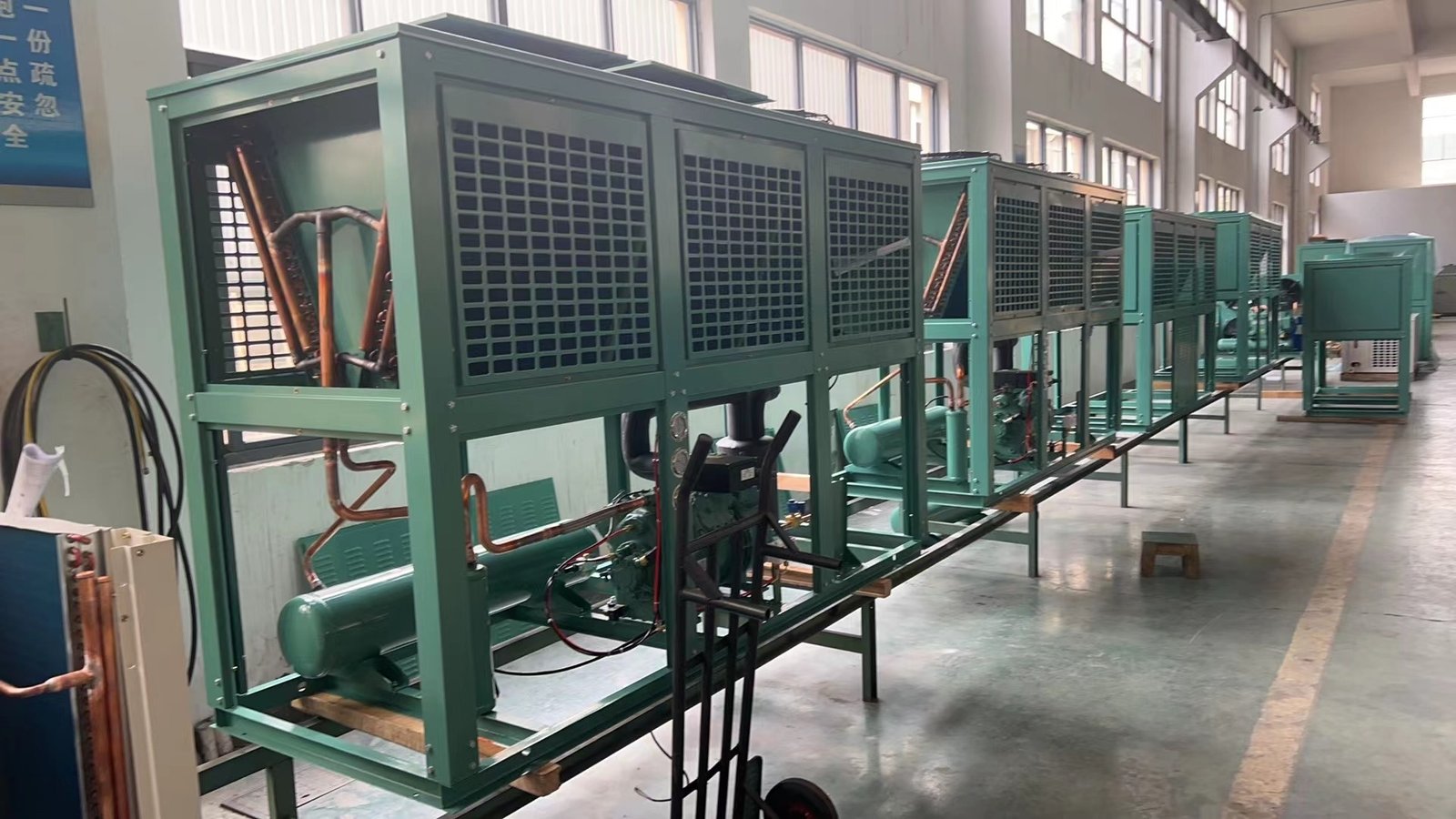
Let’s cut straight to the point. As a B2B distributor, you’re getting constant pressure: clients want effective cooling, but they’re terrified of soaring electricity bills and complex installations. That’s where the modern portable air cooler unit shifts from a niche product to a mainstream powerhouse. Its energy efficiency isn’t just a minor feature; it’s the core driver transforming purchase decisions in commercial and industrial sectors globally.

The Core Tech: It’s Not Magic, It’s Evaporation (And Smart Engineering)
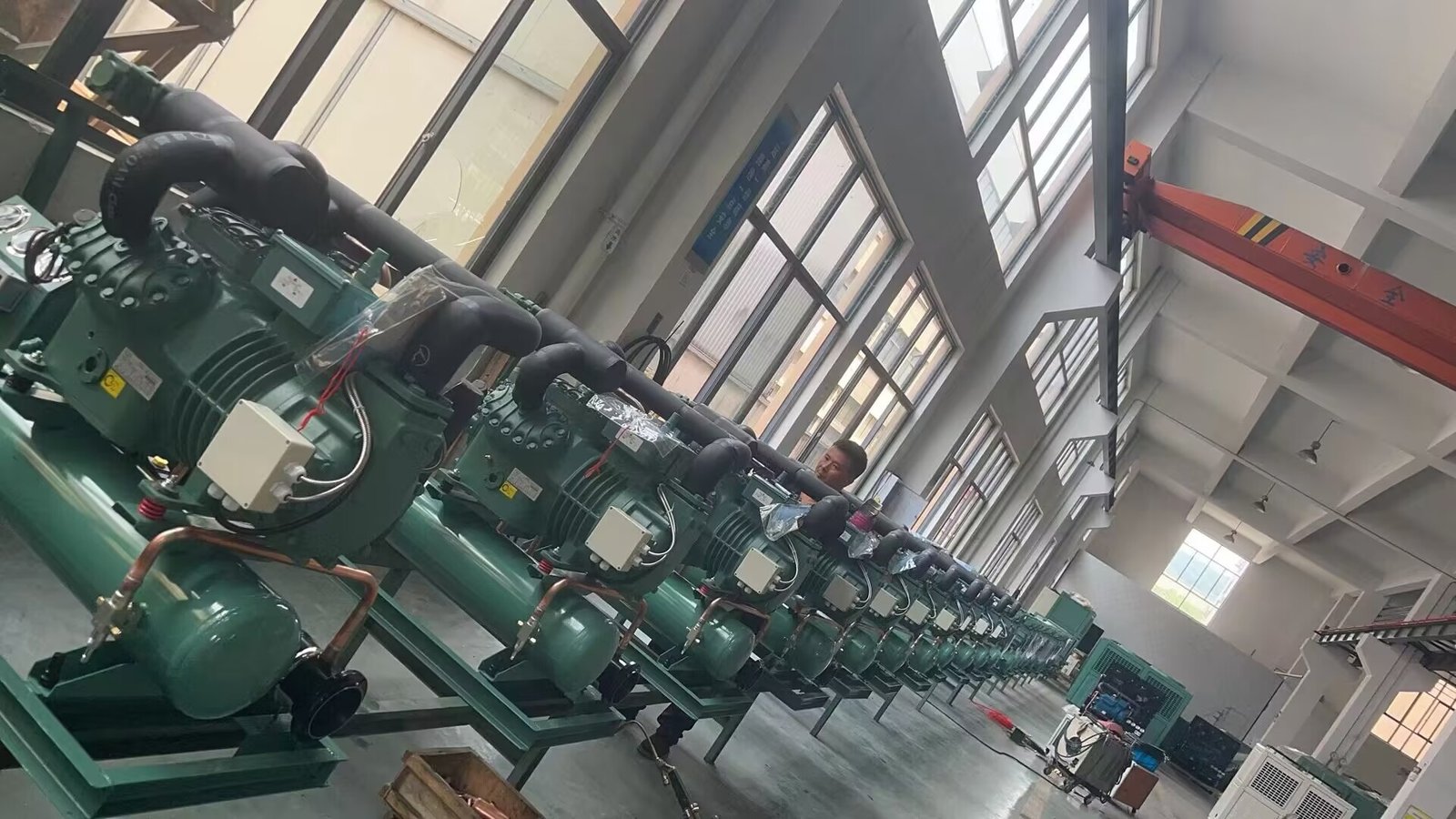
First, forget everything about traditional refrigerant-based air conditioning. Portable air coolers (evaporative coolers) work on a simple, ancient principle: evaporative cooling. Dry air is pulled through a saturated cooling pad. Water evaporates, absorbing heat from the air, and is discharged as cool, moistened air.
This process consumes energy for only two main components:
- A Water Pump: A small pump (often 20-50W) that circulates water to keep the pads wet.
- A Fan Motor: A fan (varying from 100W to 500W+ for large industrial units) to draw air through the pad and exhaust cool air.
Compare this to a compressor-based system, which requires significant energy to compress and circulate refrigerant—a process that easily draws 1000W to 3000W for similar air volume movement. The difference is an order of magnitude.
Here’s a snapshot of the direct operational cost difference in a warehouse setting:
| Aspect | Portable Industrial Air Cooler (50,000 CFM Model) | Traditional Split AC Unit (5-Ton Capacity) |
|---|---|---|
| Average Power Draw | ~1100-1300 Watts | ~5500-6000 Watts |
| Estimated Hourly Running Cost | $0.18 – $0.21 | $0.88 – $0.96 |
| Daily Cost (10 hrs) | ~$2.00 | ~$9.20 |
| Monthly Cost (22 days) | ~$44 | ~$202 |
| Key Differentiator | Cools large volumes of air directly. | Cools a sealed space; inefficient for large, open areas. |
| Optimal Environment | Hot, dry climates (RH < 60%). Open/ semi-open spaces. | Sealed, insulated spaces regardless of humidity. |
Data based on average commercial electricity rates of $0.16/kWh (2024 Q2 global industrial average) and standard manufacturer specifications.
The efficiency equation is simple: Less complex mechanics = fewer energy conversions = lower kW/h consumption.
H2: How Can a Logistics Center Cut Cooling Bills by 70%?
Walk into a distribution warehouse in Dubai or Arizona in summer. The heat is brutal, worker productivity plummets, and machinery can overheat. Installing ducted AC is astronomically expensive and operationally wasteful for high-bay, dock-door environments.
This is the portable air cooler’s prime territory. Distributors are reporting that clients use targeted cooling:
- Dock Loading Bays: Placing high-capacity units to create a cool zone for workers, preventing cool air from escaping every time a door opens.
- Assembly/Packing Stations: Providing direct, personal cooling exactly where people work, not wasting energy on empty aisles.
- Tech/Server Rooms (Supplemental): While not replacing precision AC, they provide critical backup or supplemental cooling during heatwaves, preventing costly downtime at a fraction of the cost.
The sales pitch here isn’t just the product; it’s the Cost-Avoidance Calculation. Show distributors how to present the ROI: “The upfront cost of 10 industrial coolers is less than extending your central AC. Your monthly energy saving of X dollars pays back the investment in under 12 months. After that, it’s pure cost savings.”
H2: Beyond Warehouses: Unexpected B2B Growth Sectors
The market is expanding past traditional storage. Savvy distributors are tapping into these verticals:
- Greenhouse & Controlled Environment Agriculture: In dry climates, coolers provide temperature control AND essential humidity for crop growth. The energy saving versus HVAC is critical for operational margins.
- Event & Hospitality Temporary Structures: Wedding tents, outdoor dining areas, festival backstage areas. Clients need quick, powerful cooling without the need for 3-phase power or permanent installs. The portability is as big a sell as the efficiency.
- Manufacturing & Workshops: For factories with high heat generation (e.g., welding, baking), spot cooling for workers is a health & safety requirement. Portable units can be moved to the “hot spot” as needed.
- Data & IT (Hybrid Use): Small server closets, NFT mining rigs, or telecom shelters in remote locations use compact, efficient coolers to manage ambient temperatures and reduce load on primary systems.
H2: The Distributor’s Checklist: Sourcing the Right Unit for Maximum Client ROI
Not all coolers are equal. To build a reputable B2B brand, guide your clients on specs that matter:
- Airflow (CFM/CMM): This is king. Higher CFM = larger area coverage. Match it to the client’s square footage and ceiling height.
- Water Tank Capacity vs. Continuous Water Supply: Larger tanks mean less refilling but more downtime. For 24/7 operations, units with a direct water line hookup are mandatory. This is a key upsell for industrial models.
- Cooling Pad Quality: Look for honeycomb cellulose pads. They offer superior water absorption and cooling efficiency compared to cheaper foam or wood wool pads. They are also more durable and easier to clean.
- Durability & Frame: Commercial units need heavy-duty, UV-resistant plastic or metal frames. Wheel quality is critical—they must move easily over concrete floors.
- Optional Features: Remote control, oscillation, timer functions, and variable fan speeds add value for user convenience.
Professional Q&A for B2B Decision-Makers
Q1: Aren’t portable air coolers only effective in very dry climates?
A: While peak performance is in areas with humidity below 50-60%, technological advancements like improved pad design and pre-cooling functions have expanded their effective range. In moderately humid climates (up to 70% RH), they still provide significant temperature relief and powerful airflow, which creates a perceived cooling effect (wind chill effect). For many industrial applications where the goal is spot cooling and ventilation rather than precise dehumidification, they remain vastly more energy-efficient than switching on a massive AC system.
Q2: What is the real maintenance cost and schedule for a commercial unit?
A: Maintenance is straightforward and low-cost but non-negotiable for efficiency. Key tasks:
- Daily/Weekly: Check and top up water (for tank models). Ensure pads are wet.
- Bi-Weekly/Monthly: Clean or replace cooling pads (depending on water hardness and usage). Mineral buildup blocks airflow and kills efficiency.
- Seasonal: Deep clean the water tank and pump inlet to prevent algae and scale. Inspect fan blades for dust.
Proactive maintenance ensures the unit operates at its advertised CFM and cooling capacity. Distributors should provide clear guides and sell maintenance kits (spare pads, cleaner).
Q3: Our client needs to cool a 5,000 sq ft workshop. How many units do we recommend?
A: A rough baseline is 1 high-capacity unit (20,000+ CFM) per 1,000-1,500 sq ft in an open space with standard ceiling height. However, this is a starting point. A professional assessment must factor in:
- Ceiling Height: Higher ceilings require more power to circulate air.
- Heat Sources: Machinery, ovens, or many people increase the cooling load.
- Layout & Airflow: Can coolers be positioned to create a cross-flow of air?
Always recommend a site evaluation. Offering this as a service builds immense trust and prevents underselling or overselling.
Q4: How do we address the noise level concern compared to silent split ACs?
A: Be transparent. The primary noise is from the powerful fan motor necessary to move large air volumes. Frame it as a trade-off: “You are trading silent operation for massive reductions in energy cost and installation flexibility.” For offices or quieter settings, recommend models with variable speed settings (lower speed for quieter operation) or direct the client to focus on cooling common areas or specific zones rather than entire quiet spaces. The industrial and warehouse market is generally less sensitive to noise levels of 60-65 dB.