
You know that feeling when a data center’s cooling system fails and you watch the server inlet temperatures creep up? That’s not just a technical problem. It’s a business problem. For everyone involved—facility managers, IT directors, and especially for distributors and resellers who supply those cooling solutions—the difference between a reliable Cooling Distribution Unit (CDU) and a cheap knock‑off can be millions of dollars in uptime or downtime.
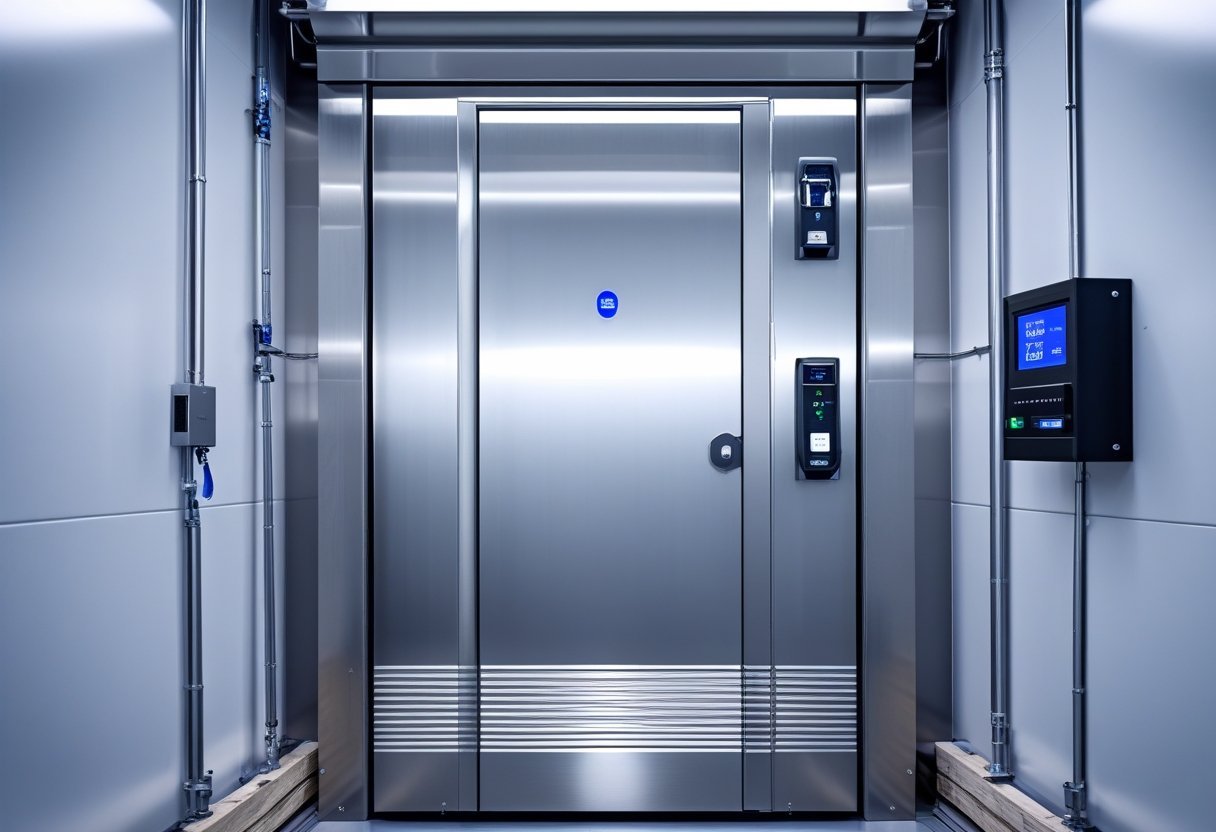
Let’s cut straight to it. A CDU sits between your facility’s chilled water loop and the IT equipment. It takes the cold water from the chiller plant, pumps it through heat exchangers inside the unit, and delivers cool coolant directly to racks or row‑based cooling systems. Some CDUs also manage the return water temperature, flow control, and even humidity. They are not sexy. They are not flashy. But they are the unsung workhorses that keep hyperscale, colocation, and enterprise data centers from turning into saunas.
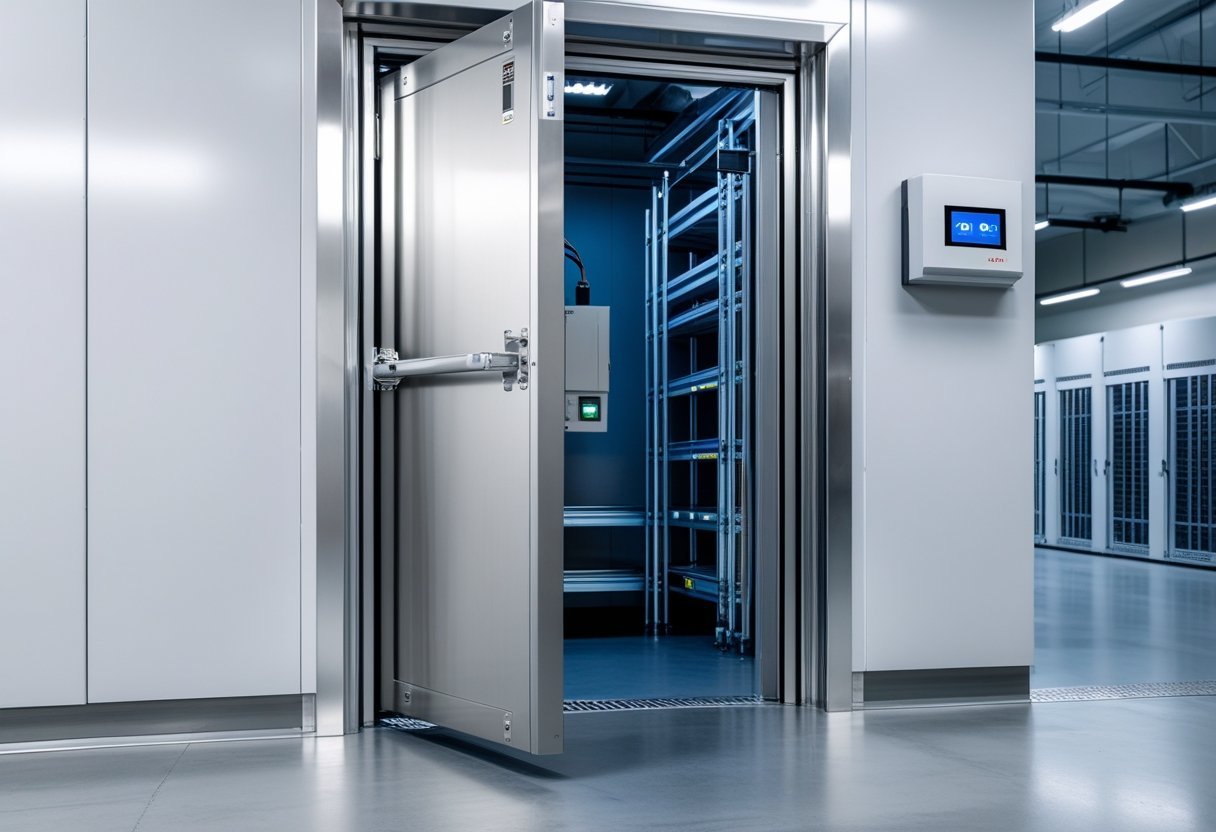
If you’re a global importer or exporter of data center equipment, you need to understand CDUs inside and out—not just the specs, but the real‑world performance, the different form factors, and the profit margins that come with each type. This guide is for you. No sugarcoating, no metaphors. Just the facts, the numbers, and the trade‑offs you’ll face when buying or selling CDUs in 2025.
How CDUs Keep Your Data Center Running Without a Hitch
Let’s start with the basics. A CDU is essentially a heat exchanger with pumps, valves, and controls. It receives chilled water (or sometimes refrigerant) from a central plant. Inside the CDU, that cold water passes through a plate‑type heat exchanger. On the other side of the exchanger, a separate loop (the facility water loop or the coolant distribution loop) circulates water or a glycol‑water mix to the cooling equipment inside the racks—things like rear door heat exchangers, in‑row coolers, or direct‑to‑chip liquid cooling manifolds.
Why do you need a separate CDU instead of just piping chilled water directly to the racks? Two reasons. First, safety. The chilled water loop may operate at pressures and temperatures that could damage IT gear if a leak happens. The CDU acts as a pressure‑isolation barrier. Second, temperature control. The water sent to the racks must be kept above the dew point to avoid condensation inside the server cabinets. The CDU adjusts the flow and temperature to maintain that margin.
Now, here’s something most sales brochures won’t tell you. The efficiency of a CDU is not just about the heat exchanger’s effectiveness. It’s about the pump power. A CDU with a large pressure drop across the heat exchanger will force the pump to work harder, wasting electricity. For a 500 kW CDU, the pump power can range from 3 kW to 15 kW depending on the design. Over a year, that difference adds up to real money. Distributors and resellers need to help their customers compare not just the first cost but the total cost of ownership.
Real‑world numbers: In 2024, average data center power density reached 12 kW per rack for general‑purpose deployments, and 50+ kW for high‑performance computing clusters. The CDU must be sized to handle peak loads, not average. A common mistake is to spec a CDU based on nameplate capacity without considering the flow rate and temperature lift. Let’s look at some typical performance data.
| CDU Type | Nominal Cooling Capacity (kW) | Pump Power (kW) | Flow Rate (GPM) | Delta T (F) | Heat Exchanger Effectiveness |
|---|---|---|---|---|---|
| Row‑based | 100 – 300 | 2 – 6 | 20 – 60 | 10 – 15 | 75 – 85% |
| Room‑level | 300 – 800 | 6 – 15 | 60 – 160 | 12 – 20 | 80 – 90% |
| Rack‑mounted | 10 – 80 | 0.5 – 2 | 2 – 16 | 8 – 12 | 70 – 80% |
| High‑density (direct‑to‑chip) | Up to 200 per rack | 1 – 4 per rack | 5 – 20 per rack | 25 – 40 | 90 – 95% |
These numbers are based on ASHRAE TC 9.9 guidelines and actual equipment from major manufacturers. Notice that high‑density direct‑to‑chip CDUs achieve higher delta T because the coolant temperature is much higher (often 40–50°C return). That means less water flow for the same heat removal, which reduces piping costs. For distributors, this is a key selling point for clients moving to liquid cooling.
But here’s the kicker: the heat exchanger effectiveness values above are at design conditions. Off‑design, when the load is lower, the effectiveness can drop. Some CDUs use variable‑speed pumps and two‑way valves to maintain high effectiveness across a wide load range. The good ones do. The cheap ones just throttle the flow, causing the pump to run inefficiently. Always look for ECM motors and digital control valves.
Another detail that matters: the CDU must have a built‑in bypass for maintenance. You can’t shut down the entire cooling loop just to replace a pump. Smart distributors ask about serviceability. Is the pump on a slide‑out tray? Are the filters accessible from the front? Do you need special tools to open the heat exchanger? These are the questions that differentiate a quality product from a commodity one.
Real‑World Performance Metrics: What Dealers Should Know
Let’s talk about the metrics that actually drive purchasing decisions. Most engineers talk about kW per ton, COP, or PUE contributions. But for you, the importer or exporter, the important metrics are: flow rate, pressure drop, footprint, and sound level. Why? Because these affect installation costs, shipping volume, and regulatory compliance in different countries.
Flow rate determines pipe sizing. A CDU that requires 100 GPM at a specific pressure drop will force the customer to use 2‑inch or 3‑inch pipes. That increases material cost and labor. In retrofit projects, you might be limited by existing pipe diameters. So a CDU with a higher delta T (meaning lower flow for the same cooling) is a huge advantage. For example, a CDU running at 50°F delta T can remove the same heat as one running at 20°F delta T, but with 60% less water flow. That translates to smaller pumps, smaller pipes, and lower shipping costs.
Pressure drop affects the pump size inside the CDU as well as the primary chilled water pump. A CDU with a heat exchanger that has a 5 psi drop instead of 10 psi will save energy over the machine’s life. You can show your customers a simple calculation: 10 psi drop at 100 GPM = about 0.6 kW pump power. Multiply by 8760 hours and your local electricity rate, and you get the annual cost. A difference of 5 psi can mean $500–$1500 per year per unit in many markets.
Footprint matters in colocation spaces where floor space is leased by the square foot. A CDU that is 24 inches wide vs. 36 inches wide can make or break a deal. The industry trend is toward smaller, modular CDUs that fit under raised floors or in overhead cable trays. In 2025, some manufacturers offer CDUs that are only 18 inches wide and 48 inches tall, capable of 100 kW. That’s a game‑changer for high‑density deployments.
Sound level is often overlooked. Many data centers now have noise ordinances, especially those located in office buildings or near residential areas. A typical row‑based CDU with a fan‑coil inside can produce 65–75 dBA. That’s loud. But some CDUs use only water‑to‑water heat exchange with no fans (the fans are in the rack cooling units), so the noise is just from the pump. Pumps typically generate 55–60 dBA. For colocation providers, a quieter CDU can be a selling point for noise‑sensitive tenants.
Let’s get into the latest industry data. According to a 2024 report from MarketsandMarkets, the global data center cooling market is expected to reach $28 billion by 2029, growing at a CAGR of 13.5%. The CDU segment accounts for about 22% of that, primarily driven by liquid cooling adoption. The Asia‑Pacific region is the fastest‑growing, with China, India, and Southeast Asia building massive hyperscale facilities. For export‑oriented Chinese manufacturers, this is a huge opportunity.
| Region | 2024 Market Share (%) | 2029 Projected Share (%) | CAGR (%) |
|---|---|---|---|
| North America | 38 | 35 | 11.2 |
| Europe | 24 | 22 | 10.8 |
| Asia‑Pacific | 30 | 35 | 15.1 |
| Middle East & Africa | 5 | 5 | 9.5 |
| Latin America | 3 | 3 | 8.7 |
(Source: MarketsandMarkets, Data Center Cooling Market Report, 2024)
Notice that Asia‑Pacific is gaining share. This means demand for CDUs that meet local voltage requirements (380V/50Hz vs. 480V/60Hz), different ambient conditions (higher inlet water temperature in tropical climates), and specific regulatory certifications (CCC in China, BIS in India, etc.). If you are exporting from China, you have a natural advantage in the APAC market, but you need to ensure your CDUs are designed for those conditions. For example, many Chinese CDUs are built for 7°C supply water temperature, but in Singapore, the standard supply temperature might be 12°C to reduce chiller energy. That changes the heat exchanger sizing.
Another real‑world metric: the Mean Time Between Failures (MTBF) of CDU pumps and valves. A good pump should have an MTBF of 100,000 hours or more. But field data from large operators shows that cheap pumps often fail at 30,000 hours due to bearing wear or cavitation. If you are a distributor, you need to ask your manufacturer for the pump brand and model. Top suppliers use Grundfos, Wilo, or Armstrong pumps. Avoid no‑name brands unless you are prepared for warranty claims.
The same goes for control valves. A two‑way modulating valve with a linear actuator will last longer than a cheap solenoid valve. Ask for the actuator type, stroke life, and whether the valve is designed for glycol mixtures. Glycol can degrade seals over time.
Now, let’s talk about the practical side of selling CDUs. Many customers will ask for a “dual‑loop” or “redundant” CDU. That means two pumps, two heat exchangers, and two power feeds in a single cabinet. This doubles the cost, but it provides N+1 redundancy. In hyperscale data centers, they prefer CDU pairs (two separate units each feeding half the load) for better maintainability. In colocation, they often want a single CDU with dual components. Know which application your customer is targeting.
Choosing the Right CDU for Different Industries: From Colocation to Hyperscale
Data centers are not all the same. A 2 MW colocation facility in Frankfurt has different needs than a 50 MW hyperscale campus in Virginia or a 5 MW edge data center in Mumbai. As an exporter, you need to match the CDU type to the industry segment.
Colocation / Multi‑Tenant Data Centers (MTDCs)
Colo operators care about flexibility. They lease space to tenants who may have wildly different power densities. A CDU in a colo environment must be able to handle 5 kW racks on one aisle and 30 kW racks on the next. That means the CDU must have a large turndown ratio—the ability to throttle flow down to 20% of nominal capacity without losing efficiency. Also, colo providers want CDUs that can be installed without interrupting existing tenants. So, hot‑swappable pumps and filters are a must.
For colo, the most common form factor is the row‑based CDU that sits between rows of racks. These units typically range from 150 kW to 300 kW. Some colos now use overhead CDUs mounted on a cable tray to save floor space. If you manufacture overhead units, you’ll have a niche advantage.
Hyperscale / Cloud Providers
Hyperscalers like AWS, Google, and Microsoft operate at enormous scale. They design their own cooling architectures, often using warm‑water cooling (supply water at 20–25°C) to maximize chiller free cooling. Their CDUs need to handle high delta T (40°F or more) to reduce water usage. They also require very high availability: 99.999% uptime. That means CDUs with redundant components, sealed bearings, and 10‑year life cycles.
Hyperscalers buy in bulk. A single order might be 500 CDUs. They expect competitive pricing but also strict quality control. They will audit your factory. They will want to see test reports for every unit. If you are a Chinese manufacturer seeking hyperscale contracts, you need to invest in ISO 9001, ISO 14001, and preferably TÜV or UL certifications. Many hyperscalers also require CDUs to comply with ASHRAE 90.4 energy standards.
Enterprise / On‑Premise Data Centers
Enterprise customers have smaller power requirements—typically 500 kW to 2 MW. They often retrofit existing raised floors. For them, the CDU must fit under a standard 24‑inch raised floor or below a 36‑inch overhead tile. They also value ease of maintenance because their internal IT teams may not have specialized cooling training. So, a CDU with a simple touchscreen user interface, auto‑purging air vents, and color‑coded piping connections is a plus.
Many enterprise data centers in Europe are moving towards using free cooling with air‑side economizers, but they still need CDUs for the liquid‑cooled racks (GPU servers for AI workloads). The CDU for enterprise must support a wide range of coolant temperatures because the air‑side system may produce chilled water at varying temperatures.
Edge / Modular Data Centers
Edge data centers are small, often deployed in remote locations like cell tower sites, oil rigs, or retail stores. The CDU for edge must be compact, quiet, and able to operate in harsh environments (dust, humidity, temperature swings). Some edge CDUs use self‑contained cooling loops with dry coolers instead of a central chiller plant. If you produce a CDU that integrates a pump, reservoir, expansion tank, and a small air‑cooled heat exchanger in a single enclosure, you have a product for the edge market.
Edge is growing fast. According to a 2024 IDC report, edge data center spending will reach $15 billion by 2026. The CDUs for these facilities are typically 10–50 kW, often wall‑mounted or installed in a standard 19‑inch rack. The key metrics here are low height (1U to 3U) and low power consumption (under 1 kW for the pump).
AI / HPC Liquid Cooling
The hottest segment in 2025 is direct‑to‑chip liquid cooling for AI training clusters. These clusters use high‑power GPUs like NVIDIA H100 and B200, each drawing 700–1000W. A single rack can exceed 100 kW. The CDU for this application must supply coolant at 30–45°C (warm water) and handle flow rates up to 20 GPM per rack. The biggest challenge is pressure stability. When a GPU server goes into a power‑saving mode, the coolant flow demand drops. If the CDU doesn’t respond quickly, the pressure can spike or collapse, causing other racks to overheat.
Advanced CDUs for AI use variable‑speed pumps with PID controllers and a buffer tank to absorb pressure transients. Some also use a secondary pump loop per rack. For distributors, this is a high‑margin product because the technology is new and customers are willing to pay a premium for reliability.
Key Features That Drive Profitability for Distributors and Resellers
You are not just selling hardware. You are selling a solution that keeps critical infrastructure running. The most profitable CDUs are those that offer differentiation in the following areas:
Built‑in leakage detection. A CDU with internal leak sensors and automatic shut‑off valves can prevent water damage. This feature alone can justify a 15–20% price premium in colocation environments. Make sure the sensors are certified for water and not just moisture.
Remote monitoring (BMS integration). Most CDUs come with a web interface and Modbus or BACnet. But the good ones provide cloud connectivity via MQTT or REST API. The customer can monitor flow, temperature, pressure, pump status, and fault logs from anywhere. If your CDU includes a built‑in edge controller that can send alerts to a mobile app, you have a strong selling point against competitors.
Tool‑less maintenance. The ability to replace a pump or a heat exchanger plate without tools saves minutes per year, which in a large facility translates to hours of uptime. Distributors should label their CDUs as “field‑serviceable without special tools” in their marketing materials.
Modular scalability. Some CDUs come in a “master‑slave” configuration where you can stack two units side by side with a shared control bus. The master CDU can control both, and if one fails, the slave takes over. This N+1 architecture is cheaper than buying a fully redundant dual‑unit CDU.
Glycol compatibility. Many data centers use glycol‑water mixtures to prevent freezing or to increase the boiling point. However, glycol reduces the heat transfer efficiency and adds viscosity, which increases pressure drop. A CDU designed for glycol will have larger heat exchanger plates, a more powerful pump, and corrosion‑resistant materials (e.g., stainless steel instead of copper). If your CDU is optimized for 30% propylene glycol, state that clearly.
Sound attenuation packages. Some CDU vendors offer optional acoustic enclosures that reduce noise by 10–15 dBA. For colocation facilities near offices or hotels, this can be a deal‑clincher. The addition of rubber isolation pads and a solid metal cabinet with sound‑dampening foam costs you maybe $200 extra but you can sell it for $1,500.
- Certifications and approvals. In Europe, you need CE marking and often VDE certification. In North America, UL 1995 or UL 2200 is required. In the Middle East, you may need IECEx for explosive environments. If you can provide a CDU that already has multiple global certifications, you simplify your customers’ procurement process. This is a massive competitive advantage for exporters.
Let’s talk about pricing. A typical 200 kW row‑based CDU costs between $8,000 and $25,000 FOB from China, depending on features. Top‑tier models with dual pumps, full controls, and global certifications can sell for $35,000–$50,000 in North America. The gross margin for distributors is usually 15–30%, but higher for specialized units (e.g., direct‑to‑chip CDUs with 50 kW capacity can sell for $60,000+ because the competition is thinner).
Now, be careful about hidden costs. If you import CDUs, you need to factor in logistics, duties, tariffs, and warranty support. A 200 kW CDU weighs about 400–600 kg. Shipping from Shanghai to Los Angeles costs roughly $800–$1,200 for a 20‑ft container (you can fit 8–10 units per container). But if the CDU is damaged in transit, warranty claims can eat up your profit. Always insist on rugged packaging—wooden crates with foam inserts, not just cardboard.
Finally, remember that the aftermarket service is where long‑term profits lie. Offer a 3‑year warranty on the heat exchanger and 1 year on pumps and controls. But also sell extended warranty packages and spare parts kits (extra pump cartridge, valve actuator, sensors). Many customers will pay 10% of the unit price annually for a full service contract. If you can build a service network with local partners, you lock in recurring revenue.
Q&A: Professional Answers for Dealers and Exporters
Q1: What is the typical lifespan of a CDU, and what parts fail most often?
A: A well‑built CDU with proper maintenance can last 15 to 20 years. The components that wear out first are the pump bearings (every 5–7 years in continuous operation), the heat exchanger gaskets (every 8–10 years), and the control valves (especially if the water has particulates). For exporters, it’s wise to include a spare pump cartridge with each new CDU order. The most common failure mode is a pump seal leak due to dry running or cavitation. Always recommend installing a flow switch or a dry‑run protection circuit.
Q2: How do I calculate the required CDU capacity for a customer?
A: Base it on the total IT load plus 10–15% overhead for the CDU’s own pump and control heat. For example, if the customer has 20 racks each with an average power draw of 15 kW, that’s 300 kW IT. Add 15% for CDU internal losses = about 345 kW. But also consider the peak power draw (some GPUs can spike). I recommend sizing the CDU to 120% of the nameplate IT load to allow for future expansion. Never oversize more than 200% because the CDU will operate at very low flow, which can cause temperature instability.
Q3: Are CDUs with built‑in free cooling possible?
A: Some CDUs include a secondary side that can bypass the chiller if the outside air temperature drops below a setpoint. However, true “free cooling” in the CDU itself is rare because the primary loop is still connected to the chiller. The standard method is to use a separate plate heat exchanger between the condenser water loop and the chilled water loop, but that is an external component. For export markets with mild climates (e.g., Northern Europe, Canada), you can offer a CDU with a “cooling coil” option that can use ambient air via a dry cooler, but that adds complexity. Most customers prefer a dedicated free‑cooling chiller instead.
Q4: What are the legal or regulatory considerations for exporting CDUs from China to the EU?
A: You must comply with the EU Machinery Directive (2006/42/EC) and the Low Voltage Directive (2014/35/EU). The CDU needs a CE mark based on a technical file and a declaration of conformity. For pressure equipment, if the CDU operates above 0.5 bar, the Pressure Equipment Directive (2014/68/EU) may apply. Also, the European Union’s Restriction of Hazardous Substances (RoHS) and Waste Electrical and Electronic Equipment (WEEE) directives apply. I strongly advise hiring a local compliance consultant in the EU and testing your CDU with a notified body like TÜV or DEKRA. Many Chinese manufacturers fail on the EMC (electromagnetic compatibility) test because the variable‑frequency drives create harmonics. Use built‑in EMC filters.
Q5: How often should a CDU be serviced?
A: Minimal service every 6 months: check for leaks, clean inlet filters, inspect pump seals, and record flow and temperature readings. Every 12 months: replace air filters (if any), test valve actuators, and tighten electrical connections. Every 3 years: replace pump motor bearings and inspect heat exchanger plates for scaling. Recommend your customers to install water treatment (e.g., a side‑stream filter) to extend the life of the heat exchanger. Without water treatment, scaling can reduce efficiency by 15–30% in hard water areas.
Q6: What’s the difference between a CDU and a CRAH (Computer Room Air Handler)?
A: A CRAH uses chilled water to cool air that then cools the servers. A CDU delivers liquid coolant directly to rack‑level cooling devices (e.g., rear door heat exchangers, cold plates). The CDU removes heat from a liquid loop, not from the air. The CRAH handles room‑level air cooling. Many modern data centers use both: CRAHs for general cooling and CDUs for high‑density liquid cooling. For distributors, stocking CDUs is more valuable as liquid cooling adoption rises.
Q7: Can a CDU be used with non‑water coolants?
A: Yes. CDUs designed for dielectric fluids (e.g., for immersion cooling) are available but less common. These use specific pumps and seals that are compatible with the fluid. If you are targeting the immersion cooling market, you need a CDU with a sanitary‑grade stainless steel heat exchanger and a magnetic‑drive pump (to prevent leaks). The coolant may be a synthetic hydrocarbon like polyalphaolefin (PAO) or a fluoroketone. The CDU for immersion is often called a “coolant distribution unit” but the thermal design is different because the secondary loop carries a non‑conductive fluid.