
Let’s cut straight to the point. A wine cellar without a dedicated cooling unit isn’t a cellar; it’s a cabinet with unpredictable outcomes. For B2B dealers and distributors in the global trade, understanding this isn’t about selling an appliance—it’s about providing a critical component for asset preservation, business revenue, and property enhancement across multiple industries. Here’s why precision wine cooler units are the non-negotiable engine of any serious wine storage solution.
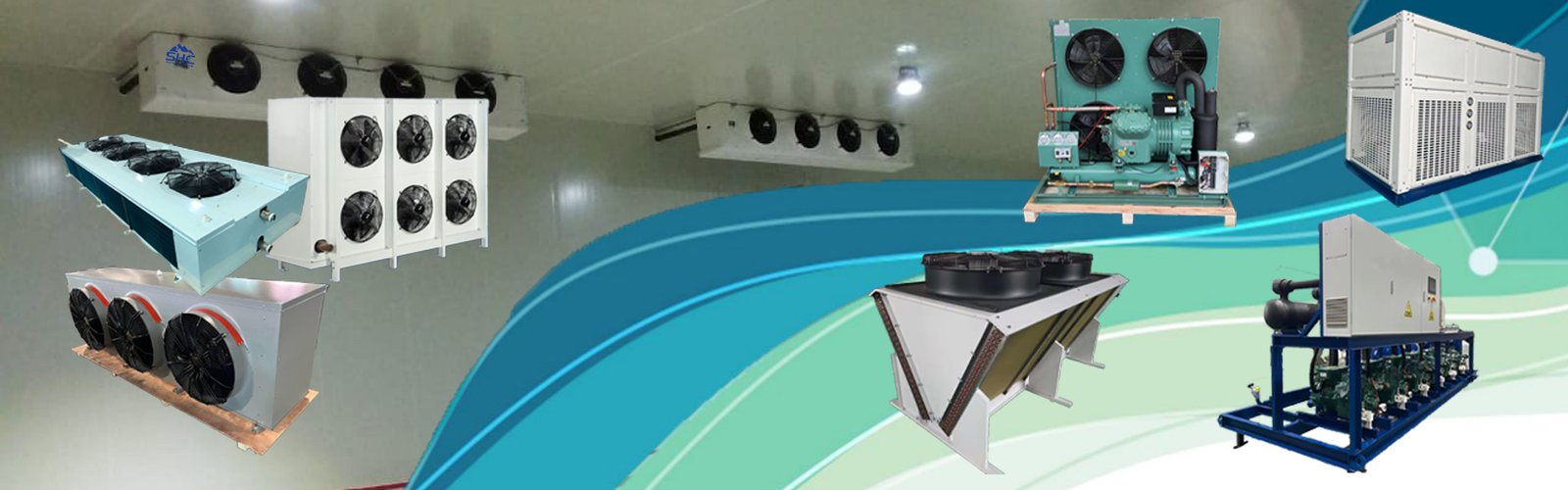
H2: The Hotel & Restaurant Profit Center: More Than Just Inventory
Walk into the back-of-house of any high-end restaurant or hotel. The wine “cellar” is a active profit center. A standard refrigerator’s fluctuating temperature and lack of humidity control silently degrade wine, flattening flavors and aromas. A sommelier’s carefully curated list loses its punch, directly impacting customer satisfaction and repeat business. A dedicated wine cooling unit maintains a constant 55°F (13°C) and 55-75% humidity. This stability ensures every bottle served, from the house Cabernet to the vintage Champagne, performs exactly as the winemaker intended. For your B2B clients in hospitality, this translates to consistent quality, protected inventory value, and enhanced reputation. It’s not a cooler; it’s a quality assurance system that safeguards their beverage program’s profitability.
H2: For the Serious Collector: Guarding Liquid Assets
Your dealership clients servicing private collectors or wine investment funds are dealing in high-value assets. A single case of premium wine can appreciate significantly, but only under perfect conditions. Light, vibration, and temperature spikes are the enemies of aging. A precision cooling unit does more than chill; it provides a vibration-free environment with UV-protected glass and exacting temperature stability. This is paramount for long-term aging. Without it, corks dry out, allowing oxygen to spoil the wine (premature oxidation), or chemical reactions create off-flavors. For the collector, a professional-grade cooler is an insurance policy. It’s the difference between a collection that matures into a valuable portfolio and one that becomes a cellar of vinegar. Distributors offering these units are effectively supplying the banking vault for liquid assets.
H2: The Real Estate Game Changer: Adding Tangible Value
In luxury real estate, a wine cellar has shifted from novelty to a standard expectation. However, a beautifully designed cellar with a subpar cooling system is a liability. It signals a lack of understanding to discerning buyers. A professionally installed, reliable wine cooling unit is the signature of an authentic, functional cellar. It assures potential buyers that the space is engineered for its purpose, protecting any wine they choose to store. For developers and high-end realtors you supply, this isn’t just an add-on; it’s a value multiplier. It completes the package, turning a “tasting room” into a certified storage environment, directly impacting property appeal and closing value.
Core Technical Parameters for Dealer Specifications
When advising clients, move beyond basic size and capacity. Focus on the specs that define performance and reliability—key for B2B decision-making.
| Feature | Why It Matters for B2B/Professional Use | Industry Standard Benchmark (2024) |
|---|---|---|
| Precision Temperature Range | Allows storage for different wine types (e.g., Champagne at 45°F/7°C, Red at 55°F/13°C). | 40°F – 65°F (4°C – 18°C), adjustable in 1-degree increments. |
| Temperature Stability (±Variance) | Prevents thermal shock that ages wine prematurely. Look for minimal fluctuation. | Top units maintain ±0.5°F (±0.3°C). Commercial-grade should be ≤±1°F. |
| Humidity Control | Prevents cork drying (maintains seal) and label mold. Critical for long-term aging. | Active systems maintaining 55-75% RH are now expected in premium units. |
| UV-Resistant Glass | Protects against light strike, which causes “skunky” aromas in wine. | Dual-pane, laminated glass with 99% UV filtration is standard for door units. |
| Vibration Reduction | Agitation disturbs sediment and can accelerate chemical reactions. | Compressor isolation systems and low-vibration fans are mandatory for collectors. |
| Energy Efficiency | Impacts operational cost for hospitality clients and sustainability goals. | Look for ENERGY STAR® certification or comparable EU/UK ratings. |
| Annual Energy Consumption | Directly translates to operating expense. Provide clients with yearly cost estimates. | Varies by size; a 100-bottle unit may use ~200 kWh/yr, similar to a small fridge. |
H2: Navigating Global Logistics: The Distributor’s Edge
As a global supplier, your clients need units that can handle diverse climatic conditions. A cooler destined for a Dubai high-rise faces different ambient challenges than one for a London townhouse. Highlight units with robust compressors designed for high ambient temperatures (e.g., up to 110°F/43°C). Discuss the stability of the refrigerant across shipping routes and local serviceability. Your value isn’t just in moving boxes; it’s in providing a product that installs reliably and performs consistently in its final destination, minimizing costly returns and support calls. This builds long-term distributor and dealer credibility.
H2: The Silent Salesperson: Design Integration & Custom Build-Outs
The B2B market is increasingly moving toward seamless integration. Architects and interior designers are key specifiers. Wine cooling units are no longer standalone boxes; they are integrated components of cabinetry, walls, and custom cellar builds. Offer a range from sleek, glass-fronted display units for restaurant dining rooms to ducted split systems for large, behind-the-wall cellar rooms. By providing flexible solutions—from 30-bottle undercounter models to 1000+ bottle capacity split systems—you equip your dealer network to serve every project scale, from boutique hotel renovations to luxury residential builds.
Professional Q&A for the Trade
Q1: For a commercial client (restaurant/hotel), what’s the true cost of not investing in a proper wine cooler?
The cost is multi-faceted: Inventory Loss: Wine deteriorates faster, leading to wasted product. Reputation Damage: Inconsistent served quality can erate a sommelier’s credibility and online reviews. Lost Revenue: Wines served at incorrect temperatures lack expressiveness, potentially reducing bottle sales and upselling opportunities. The ROI on a proper unit is measured in reduced waste and increased customer satisfaction.
Q2: We see “dual-zone” and “single-zone” coolers. What’s the concrete business case for each?
Single-Zone: Ideal for cellars storing wines intended for long-term aging at a single, perfect temperature (e.g., 55°F/13°C). It’s the choice for pure collectors or supplemental storage for a restaurant’s red wine focus. Dual-Zone: Essential for hospitality or collectors who need immediate service flexibility. One zone holds reds at 55°F, another holds whites, rosés, and Champagne at 45-50°F. It maximizes utility and service readiness from a single unit.
Q3: How significant is humidity control, and is it worth the premium for our clients?
For any storage planned beyond 6-12 months, it is critical. Low humidity (75%) promotes mold on labels and capsules, damaging resale value. For collectors, resellers, or hospitality with a reserve list, active humidity control is not a premium; it’s a core requirement for asset preservation.
Q4: With global energy costs rising, what should we highlight about efficiency?
Focus on total cost of ownership. A more efficient unit may have a higher upfront cost but saves significantly over 5-10 years of 24/7 operation. Highlight features like high-density insulation, variable-speed compressors that adjust power draw, and LED lighting. For EU/UK clients, emphasize compliance with ErP directives. This isn’t just a “green” feature; it’s a direct reduction in the client’s operational overhead.
Q5: What’s the latest in smart technology for professional units, and is there a B2B demand?
Yes, demand is growing. Remote monitoring via Wi-Fi allows restaurant managers to check cellar temps from their phone, receiving alerts for any fluctuations. For distributors managing multiple installations, this can be a value-added service. Data logging provides a temperature history, crucial for insurance purposes on high-value collections or verifying storage conditions in case of a quality dispute. It transforms the cooler from a passive box into a connected, data-producing asset.